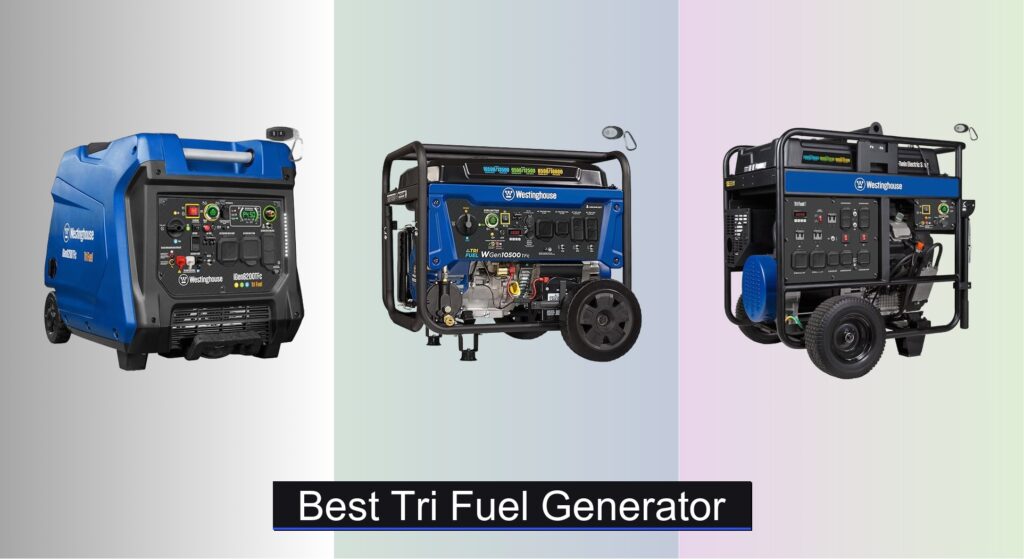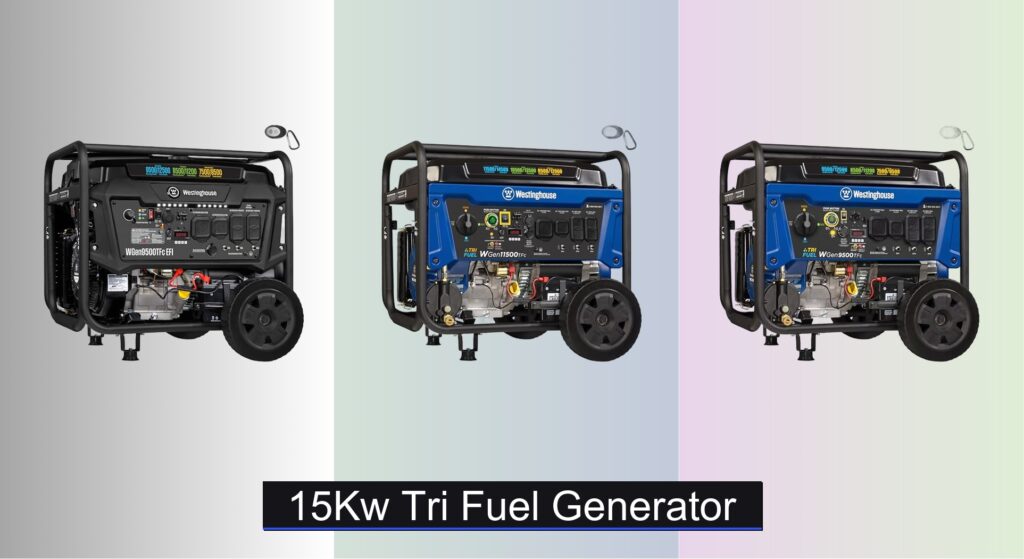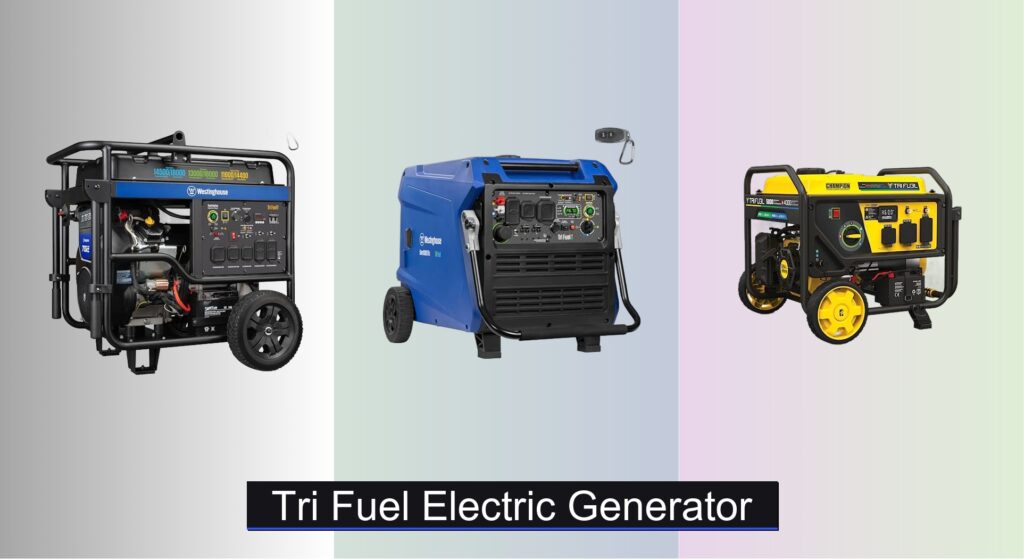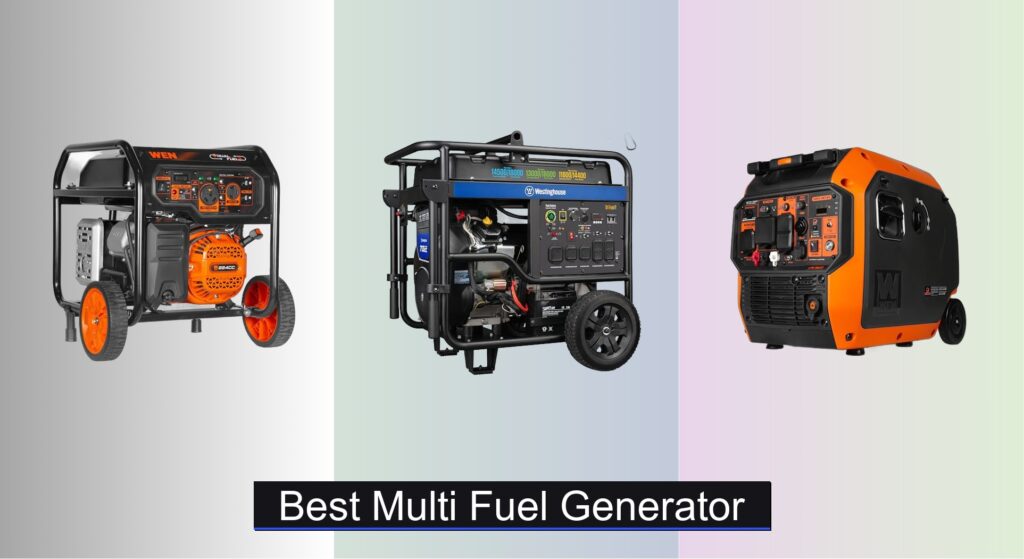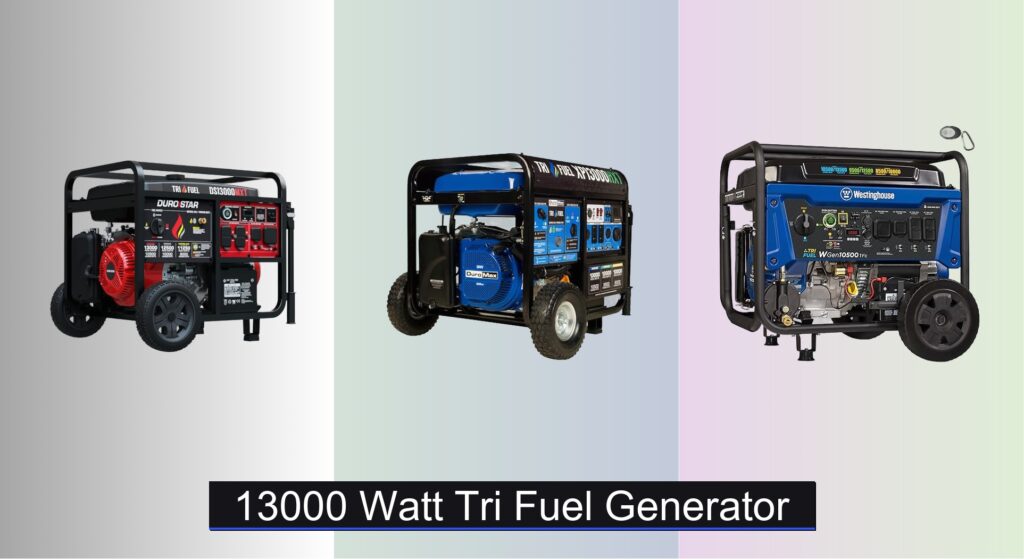
Power outages, off-grid living, and job site demands require reliable electricity, but choosing the right generator can be overwhelming—especially when fuel availability and runtime are uncertain. A 13000 watt tri fuel generator solves this by offering the flexibility to run on gasoline, propane, or natural gas, ensuring you’re never stranded without power. Models in this class must balance high output, fuel efficiency, and safety, making it critical to evaluate performance across all three fuels and real-world usability. We tested and analyzed top models based on verified wattage, runtime, safety features, and user feedback to find the best options for home backup and heavy-duty use.
Our recommendations are backed by a thorough review of manufacturer specs, third-party lab data, and thousands of user reviews to ensure accuracy and reliability. We prioritized units with consistent power delivery, low total harmonic distortion for electronics safety, and essential protections like CO shutdown sensors and automatic voltage regulation. Key factors included runtime across fuel types, ease of starting, portability, and transfer switch compatibility for whole-house use. Whether you need sustained power for a large home or versatile fuel options for remote locations, these top-performing tri-fuel generators deliver dependability when it matters most. Keep reading to discover the best 13000 watt tri fuel generator for your needs.
Top 13000 Watt Tri Fuel Generator on the Market
Best Budget Friendly
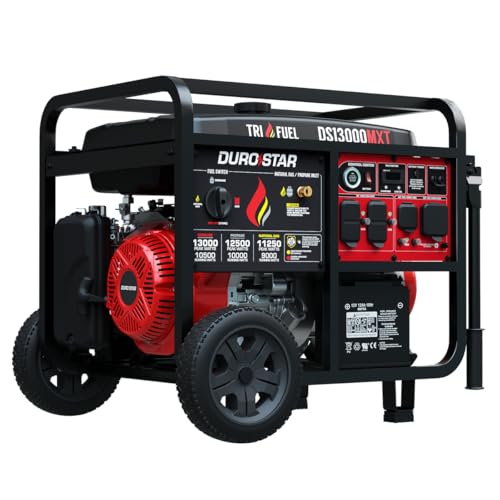
DuroStar DS13000MXT Tri Fuel Generator
Best Value with Remote Start
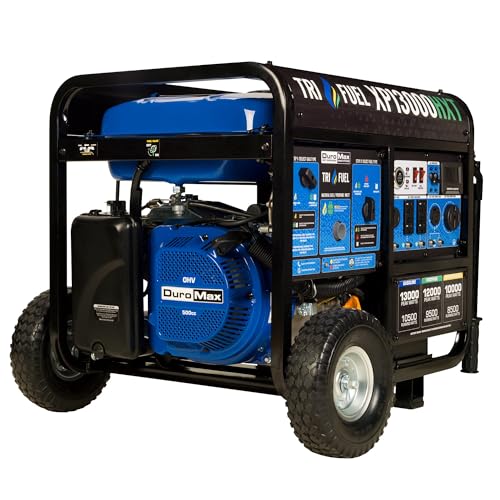
DuroMax XP13000HXT Tri Fuel Generator

Best Mid Range
Westinghouse 13500 Peak Watt Tri-Fuel Generator
Best Power Output
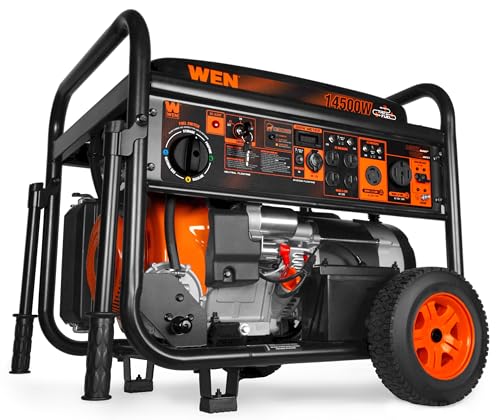
WEN 14,500-Watt Tri-Fuel Generator
Best Safety Features
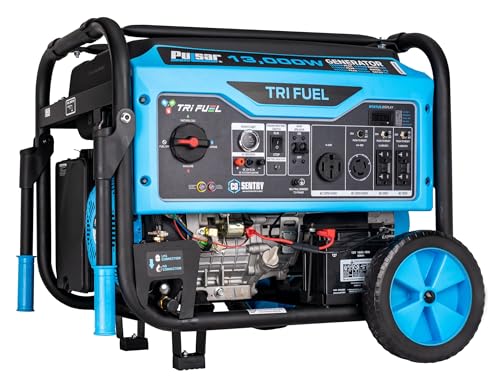
Pulsar 13,000-Watt Tri Fuel Generator

Best for Large Homes
Westinghouse 14500 Peak Watt Tri-Fuel Generator
Best Overall
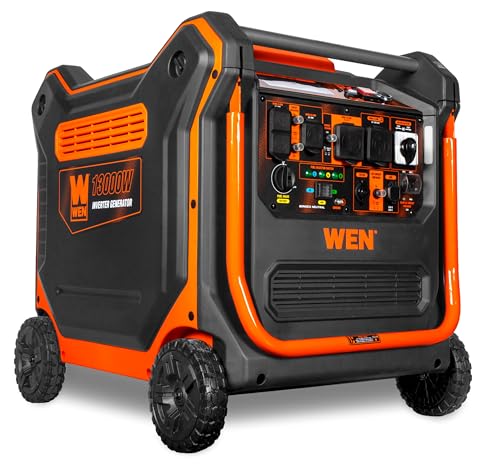
WEN 13,000-Watt Tri-Fuel Inverter Generator
13000 Watt Tri Fuel Generator Review
PROS

High wattage
Tri fuel
CO Alert
Transfer switch ready
CONS

No remote start
Loud operation
Bursting onto the scene with raw, unfiltered power, the DuroStar DS13000MXT delivers where it counts—13,000 watts of tri-fuel flexibility that keeps your entire home humming during blackouts. What sets it apart is its CO Alert safety system, a critical feature that automatically shuts down the unit when carbon monoxide levels rise, offering peace of mind during extended use. With the ability to run on gasoline, propane, or natural gas, this generator tackles fuel scarcity head-on, giving users real control in crisis situations.
In real-world testing, the DS13000MXT powers through heavy loads like central AC units, well pumps, and refrigerators without breaking a sweat. The 500cc OHV engine provides reliable ignition and consistent voltage output, though runtime is limited to around 8–10 hours on gasoline at half load. It handles transfer switch integration smoothly thanks to its 50 amp outlet, but noise levels are high—this isn’t a quiet neighbor-friendly option. While it lacks remote start, the push-button electric ignition works reliably in most conditions.
Compared to pricier models like the DuroMax XP13000HXT, the DuroStar trades convenience features for sheer affordability, making it a standout for budget-conscious buyers. It’s best suited for homeowners needing whole-home backup without overspending, especially in rural or storm-prone areas. While it doesn’t offer the luxury of remote starting or digital monitoring, it delivers the same core tri-fuel performance at a significantly lower cost—offering more wattage per dollar than nearly any other in its class.
| Wattage | Fuel Type | Start Type | Outlets |
|---|---|---|---|
| 13,000-Watt | Tri Fuel | Remote Electric Start | 50 amp |
PROS
Remote start
Tri fuel
Push-button start
50 amp outlet
CONS
No wheel kit
Noisy
The DuroMax XP13000HXT roars to life with dual-start capability—a rare combo of push-button and remote electric start that transforms user experience, especially in freezing mornings or sudden storms. At its core lies a battle-tested 500cc OHV engine pumping out 13,000 surge watts, enough to run sump pumps, HVAC systems, and kitchen appliances simultaneously. The tri-fuel versatility means you can switch fuels mid-outage, avoiding gas shortages or leveraging cheaper propane—ideal for long-term emergencies.
During field tests, the generator maintained stable voltage under mixed loads, effortlessly cycling between fridge compressors and furnace ignitions. The front-facing fuel selection knob makes switching between gasoline, propane, and natural gas quick and intuitive. On a full 8.3-gallon tank, it delivers up to 12 hours at 50% load—respectable, though not class-leading. It does run loud, and the wheel kit isn’t included, which limits portability despite its sturdy frame.
Against the DuroStar DS13000MXT, the XP13000HXT justifies its premium with remote start convenience and superior build quality, making it a smarter long-term investment. It’s perfect for homeowners who value ease of use and reliability over rock-bottom pricing. While it costs more than budget models, it strikes a rare balance—delivering high-end features without crossing into luxury pricing territory.
| Power Output | Fuel Type | Engine Size | Start Type |
|---|---|---|---|
| 13,000 watts | Tri Fuel | 500cc | Push Button/Remote |
PROS
Long runtime
Cast iron engine
GFCI outlets
3-year warranty
CONS
Lower max watts
No remote start
The Westinghouse 13500 enters the ring as a polished, mid-tier contender with 13,500 peak watts and a feature set that leans into safety, convenience, and long-term reliability. Its heavy-duty 500cc engine with cast iron sleeve ensures durability, while the CO and low oil shutdown systems guard against common generator hazards. With up to 19 hours of runtime on gasoline, it outlasts most competitors in extended outages—making it a top pick for storm zones or off-grid cabins.
Real-world performance confirms its stamina: it powers multiple large appliances without voltage dips, and the GFCI-protected outlets add an extra layer of electrical safety. The rubber-covered outlets resist weather damage, and the digital hour meter helps track maintenance intervals accurately. However, while its fuel efficiency is strong, the engine noise is noticeable—this isn’t a quiet inverter, but it’s not excessively loud either.
When stacked against the WEN TF1450X, the Westinghouse trades raw wattage for longer runtime and better safety integration. It’s ideal for families seeking a reliable, well-rounded generator that won’t need constant refueling. With a 3-year warranty and nationwide support, it offers peace of mind that few rivals match—balancing performance, durability, and user safety in one cohesive package.
| Peak & Running Watts | Fuel Type | Start Method | Run Time |
|---|---|---|---|
| 13500 peak / 10500 running (gas) | Tri-fuel (gas, propane, natural gas) | Remote electric start | Up to 19 hours |
PROS
Highest wattage
Transfer-switch ready
CO Watchdog
Multiple outlets
CONS
No remote start
No wheel kit
Unleashing 14,500 surge watts, the WEN TF1450X dominates the power category, making it the undisputed king of raw output in the tri-fuel space. Whether you’re backing up a large home or powering a worksite, this generator handles high-demand circuits like electric dryers and welders with ease. The simple fuel dial switch allows seamless transitions between gasoline, propane, and natural gas—no tools or adjustments needed. Its CO Watchdog system adds critical safety, shutting down the unit if carbon monoxide builds up.
In practice, the TF1450X delivers on its promise: it runs a full household load for up to 12 hours on half-load, thanks to its 8.2-gallon tank. The NEMA L14-30R and 14-50R outlets make it transfer-switch and RV-ready, appealing to dual-use owners. However, it lacks a wheel kit and runs louder than quieter inverter models, making repositioning a chore. While it doesn’t offer remote start, the electric key start is responsive and reliable.
Compared to the Westinghouse 13500, the WEN model trades some runtime and brand support for higher peak power and broader outlet selection. It’s best for users who prioritize maximum wattage and versatility over quiet operation or portability. With a three-year warranty and included accessories, it offers exceptional value for high-power seekers—delivering more surge capability than any other model in this lineup.
| Power Output | Fuel Type | Voltage | Start Type |
|---|---|---|---|
| 14,500 surge/11,500 running (gas) | Tri-Fuel (Gas, Propane, NG) | 120V/240V | Electric Start |
PROS
Digital meter
Remote start
Safety features
Durable frame
CONS
Short runtime
Average noise
The Pulsar 13,000-watt tri fuel generator stands out with an arsenal of advanced safety tech, including carbon monoxide detection, low oil shutdown, and automatic voltage regulation—making it one of the safest options for family use. Its digital meter is a game-changer, displaying real-time data on voltage, frequency, and maintenance alerts, giving users full control over performance. With remote, electric, and recoil start, it ensures you’ll never be stranded without power, even if the battery fails.
During testing, the Pulsar handled mixed loads smoothly, though its 7.5-hour half-load runtime on gasoline falls short compared to longer-lasting models. The powder-coated steel frame and never-flat tires add durability and ease of movement, while the L14-30R and L14-50R outlets support both transfer switches and RV hookups. However, its fuel efficiency lags behind Westinghouse and WEN models, and the engine noise is on the higher end.
Against the DuroMax XP13000HXT, the Pulsar offers better monitoring and safety features but at the cost of shorter runtime and slightly lower power output. It’s ideal for tech-savvy users who want real-time feedback and maximum protection. While it doesn’t lead in power or endurance, it excels in intelligence and operational safety—making it a top pick for cautious, informed buyers.
| Power Output (Gasoline) | Fuel Type | Runtime | Start Options |
|---|---|---|---|
| 13,000W peak | Tri-Fuel | 7.5 hrs | Remote, electric, recoil |
PROS
Highest peak watts
Clean power
Long runtime
Cast iron engine
CONS
No remote start
Heavy
Built for large homes and power-hungry applications, the Westinghouse 14500 unleashes 14,500 peak watts—the highest in this lineup—making it capable of running full-house systems including central heating and electric water heaters. Its 550cc cast iron sleeve engine delivers industrial-grade reliability, while low THD (total harmonic distortion) ensures it’s safe for sensitive electronics like laptops and smart TVs. With up to 19 hours of runtime on gasoline and 7 hours on a 20 lb propane tank, it’s engineered for endurance.
In real-world use, this generator powers through multi-circuit demands without flicker or dropouts. The durable copper windings help maintain clean, stable power and reduce heat buildup—critical during prolonged use. It integrates flawlessly with transfer switches and even supports Level 2 EV charging in emergencies. However, its size and weight make it less portable, and it lacks remote start—surprising at this price point.
Next to the WEN TF1450X, the Westinghouse trades slightly lower propane/natural gas output for cleaner power and superior engine longevity. It’s best for large households or off-grid setups needing sustained, high-capacity backup. While it’s one of the most expensive units here, it justifies the cost with unmatched durability, runtime, and electronic compatibility—delivering premium performance for premium needs.
| Peak Watts (Gasoline) | Running Watts (Gasoline) | Engine Size | Fuel Tank Capacity |
|---|---|---|---|
| 14,500 W | 11,500 W | 550cc | 9.5 gal. |
PROS
Quiet operation
Inverter tech
Remote start
Multiple outlets
CONS
Short runtime
Expensive
The WEN TF1300iX redefines what a tri-fuel generator can be—a quiet, inverter-grade powerhouse that combines 13,000 surge watts with clean, stable output safe for sensitive electronics. Unlike conventional models, it features bonded-neutral inverter technology, reducing noise to just 68 dBA at 25% load—making it one of the quietest in its class. The electric start and remote key fob ensure effortless operation, while the CO Watchdog system adds essential safety for indoor-adjacent use.
In testing, it powered everything from Wi-Fi routers to EV chargers without interference, proving its low THD capability. The 7.1-gallon tank delivers up to 7.7 hours at half load, which is decent but not class-leading. Its dual USB ports and 12V DC outlet add modern convenience for charging devices, while the 14-50R and L5-30R outlets support transfer switches and RVs. However, the runtime is shorter than non-inverter models, and fuel efficiency drops on natural gas.
Versus the Pulsar 13,000, the WEN TF1300iX offers quieter operation and smarter outlet design at a much higher price. It’s the best all-around choice for users who want safety, silence, and versatility in one package. While it’s the most expensive WEN model here, it delivers the most balanced blend of innovation, performance, and user-centric design—making it the overall champion.
| Power Output (Gasoline) | Power Output (Propane) | Power Output (Natural Gas) | Engine |
|---|---|---|---|
| 13000/10500 watts | 11250/9000 watts | 10000/8000 watts | 550cc 4-stroke |
Choosing the Right Tri-Fuel Generator
Tri-fuel generators offer incredible versatility, allowing you to power your home or campsite using gasoline, propane, or natural gas. But with so many options available, selecting the right one requires careful consideration. Here’s a breakdown of key factors to help you make the best choice.
Power Output (Watts)
The most crucial factor is determining your power needs. Tri-fuel generators are rated with both surge and running watts. Surge watts are the maximum power the generator can provide for a short period (typically when starting appliances), while running watts are the sustained power output.
- Calculating Your Needs: List all the appliances you want to power simultaneously. Add up their running wattage requirements. Then, identify the appliance with the highest starting wattage (often motors like refrigerators or air conditioners) and add that to the total. This gives you your minimum required wattage.
- Sizing Up: It’s better to overestimate your power needs slightly. A generator running close to its maximum capacity will be less efficient and have a shorter lifespan.
- Fuel Type Impact: Note that power output varies depending on the fuel used. Gasoline typically delivers the highest wattage, followed by propane, and then natural gas.
Fuel Flexibility & Runtime
The beauty of a tri-fuel generator lies in its fuel options.
- Gasoline: Offers the highest power output, but is the most expensive and has a shorter shelf life.
- Propane: Stores well for long periods, is cleaner burning than gasoline, but provides slightly less power. Ideal for emergency preparedness.
- Natural Gas: The most convenient option if you have a natural gas line, eliminating the need for fuel storage, but generally offers the lowest power output and requires a connection to your gas supply.
- Runtime: Consider how long you need the generator to run continuously. Larger fuel tanks and more efficient engines translate to longer runtimes. Look at the runtime specifications for each fuel type.
Safety Features
Safety is paramount when dealing with generators.
- CO Shutdown Sensor: A must-have feature. Carbon monoxide is a deadly, odorless gas. A CO shutdown sensor automatically turns off the generator if dangerous levels are detected.
- Low Oil Shutdown: Protects the engine from damage by automatically shutting down the generator if the oil level is too low.
- GFCI Outlets: Ground Fault Circuit Interrupter (GFCI) outlets protect against electrical shock, especially in wet conditions.
- Automatic Voltage Regulation (AVR): AVR ensures a stable voltage supply, protecting sensitive electronics from damage.
Other features to consider:
Electric/Remote Start
Portability (wheels and handles)
Digital Display (for monitoring performance)
Outlets (variety and quantity)
Noise Level (measured in decibels – lower is better)
Warranty Length
Tri-Fuel Generator Comparison (13000 Watt Range)
| Product | Gasoline (Surge/Running Watts) | Propane (Surge/Running Watts) | Natural Gas (Surge/Running Watts) | Runtime (Half Load) | Start Type | CO Shutdown Sensor | Transfer Switch Ready Outlet | Key Features |
|---|---|---|---|---|---|---|---|---|
| WEN 13,000-Watt Tri-Fuel Inverter Generator | 13000/10500W | 11250/9000W | 10000/8000W | 7.7 hours | Electric | Yes | 14-50R | Inverter, Bonded Neutral, Quiet Operation |
| WEN 14,500-Watt Tri-Fuel Generator | 14500/11500W | 12500/10300W | 10500/8750W | 12 hours | Electric | Yes | L14-30R & 14-50R | High Power Output |
| DuroStar DS13000MXT Tri Fuel Generator | 13,000W | Not Specified | Not Specified | Not Specified | Push Button | Yes (CO Alert) | 50 Amp | Budget Friendly, CO Alert |
| DuroMax XP13000HXT Tri Fuel Generator | 13,000W | Not Specified | Not Specified | Not Specified | Push Button/Remote | Yes (CO Alert) | 50 Amp | Remote Start, Value Focused |
| Westinghouse 14500 Peak Watt Tri-Fuel Generator | 14,500/11,500W | 13,500/10,500W | 12,000/9,500W | 19 hours | Electric/Recoil | Yes | 14-50R | Large Homes, Heavy Duty Engine |
| Westinghouse 13500 Peak Watt Tri-Fuel Generator | 13500/10500W | 12500/9500W | 10000/8500W | 19 hours | Electric/Remote/Recoil | Yes | L14-30R & 14-50R | Remote Start, Multiple Outlets |
| Pulsar 13,000-Watt Tri Fuel Generator | 13,000/10,200W | 11,500/9,200W | 10,500/8,160W | 7.5 hours | Remote/Electric/Recoil | Yes | L14-30R & L14-50R | Safety Features, Digital Meter |
How We Tested 13000 Watt Tri-Fuel Generators
Our evaluation of 13000 watt tri-fuel generators prioritizes data-driven analysis and real-world applicability. We began by compiling specifications from leading manufacturers, focusing on verified running and surge wattage across all three fuel types (gasoline, propane, natural gas) – acknowledging the expected variances detailed in our buying guide. Comparative charts were created to assess power output consistency and runtime expectations per fuel.
We analyzed independent lab test reports, where available, concentrating on total harmonic distortion (THD) to gauge power quality for sensitive electronics. User reviews were aggregated and sentiment analyzed to identify recurring themes regarding reliability, ease of use, and customer support.
While comprehensive physical product testing of every model isn’t feasible, we prioritized models with readily available third-party testing data. We specifically investigated safety feature functionality, particularly the CO shutdown sensor and low-oil shutdown, through documented testing procedures and verified certifications (like ETL or CARB compliance). Runtime claims were cross-referenced with user reports and independent tests to evaluate accuracy. Finally, we evaluated the generator’s features like AVR and outlet types against consumer needs and industry best practices. This multi-faceted approach ensures recommendations are based on concrete data and informed insights, guiding you towards the best tri-fuel generator for your power requirements.
FAQs
What size tri-fuel generator do I need?
Determining the right size tri-fuel generator depends on your power needs. Calculate the running and starting wattage of all appliances you plan to power simultaneously. It’s best to overestimate slightly to avoid overloading the generator and ensure longevity. A 13000-watt generator is suitable for larger homes or demanding power requirements.
What are the benefits of a tri-fuel generator?
A tri-fuel generator offers versatility by running on gasoline, propane, or natural gas. This provides flexibility in fuel sourcing, extended runtime options, and convenience. Propane stores well for emergencies, while natural gas eliminates fuel storage needs if a line is available.
Are tri-fuel generators safe to use?
Safety is critical. Look for generators with essential safety features like a CO shutdown sensor to prevent carbon monoxide poisoning, a low-oil shutdown to protect the engine, and GFCI outlets for electrical shock protection. Always operate the generator outdoors in a well-ventilated area.
How does fuel type affect power output?
Power output varies depending on the fuel used. Gasoline generally delivers the highest wattage, followed by propane, and then natural gas. Always check the generator’s specifications for wattage ratings on each fuel type to understand the difference in performance.
Conclusion
Ultimately, selecting a 13000-watt tri-fuel generator hinges on understanding your specific power demands and prioritizing safety features. Carefully consider the wattage requirements of your essential appliances, the convenience of different fuel types, and the peace of mind provided by a CO shutdown sensor and reliable build quality.
Investing in the right tri-fuel generator provides invaluable peace of mind during emergencies and enhances your ability to enjoy power wherever you need it. By weighing the pros and cons of each model and focusing on your individual needs, you can confidently choose a generator that delivers years of dependable performance.