Power vanishes without warning when storms hit your neighborhood. One moment you’re scrolling on your phone, the next you’re fumbling for flashlights while your refrigerator hums to a silent stop. This isn’t just an inconvenience—it’s a threat to food safety, medical devices, and home security. Learning how to select a portable generator properly means never facing another outage unprepared. You’ll discover exactly how to match wattage to your refrigerator and HVAC needs, avoid dangerous fuel mistakes, and choose between solar and gas models without overspending. Most importantly, you’ll gain the confidence to keep your family safe when the grid fails.
The right generator isn’t about buying the biggest unit on the shelf—it’s about precision. Oversized models waste fuel and money, while undersized ones leave critical systems dead during outages. This guide cuts through marketing hype with actionable steps used by electricians and emergency responders. You’ll learn to calculate your exact power needs in 10 minutes, spot life-saving safety features, and avoid the #1 mistake that causes carbon monoxide poisoning. Let’s transform your generator selection from guesswork to a guaranteed success.
Calculate Your Exact Power Needs Before Buying

Identify Critical Appliances by Wattage
Start by walking through your home with a notepad during normal operation. List only essential systems: refrigerators, medical equipment, sump pumps, and furnace fans. Ignore convenience items like TVs until these core systems are covered. Your refrigerator might run on 700 watts but require 2,100 watts to start its compressor—this starting surge determines your generator’s minimum size. Motor-driven devices like well pumps and AC units need 2-3x their running watts for startup, creating dangerous gaps if miscalculated.
Pro tip: Use a $20 wattage meter on actual appliances instead of manufacturer estimates. Many devices draw 15% more power in real-world conditions than listed specs.
Apply the 3-Step Wattage Calculation Formula
- Total running watts: Add continuous power needs of all essential devices
- Find peak starting wattage: Identify your single largest motor (usually AC or well pump)
- Add 20% buffer: Prevents overload during voltage fluctuations
Example:
– Refrigerator: 700 running watts + 2,100 starting watts
– Sump pump: 800 running + 2,400 starting
– LED lights: 400 running
– Critical total: 1,900 running + 2,400 starting = 4,300 watts minimum
Warning: Never exceed 80% of your generator’s rated capacity for continuous use. A 5,000-watt generator safely handles 4,000 running watts.
Match Generator Type to Your Real-World Emergency Needs
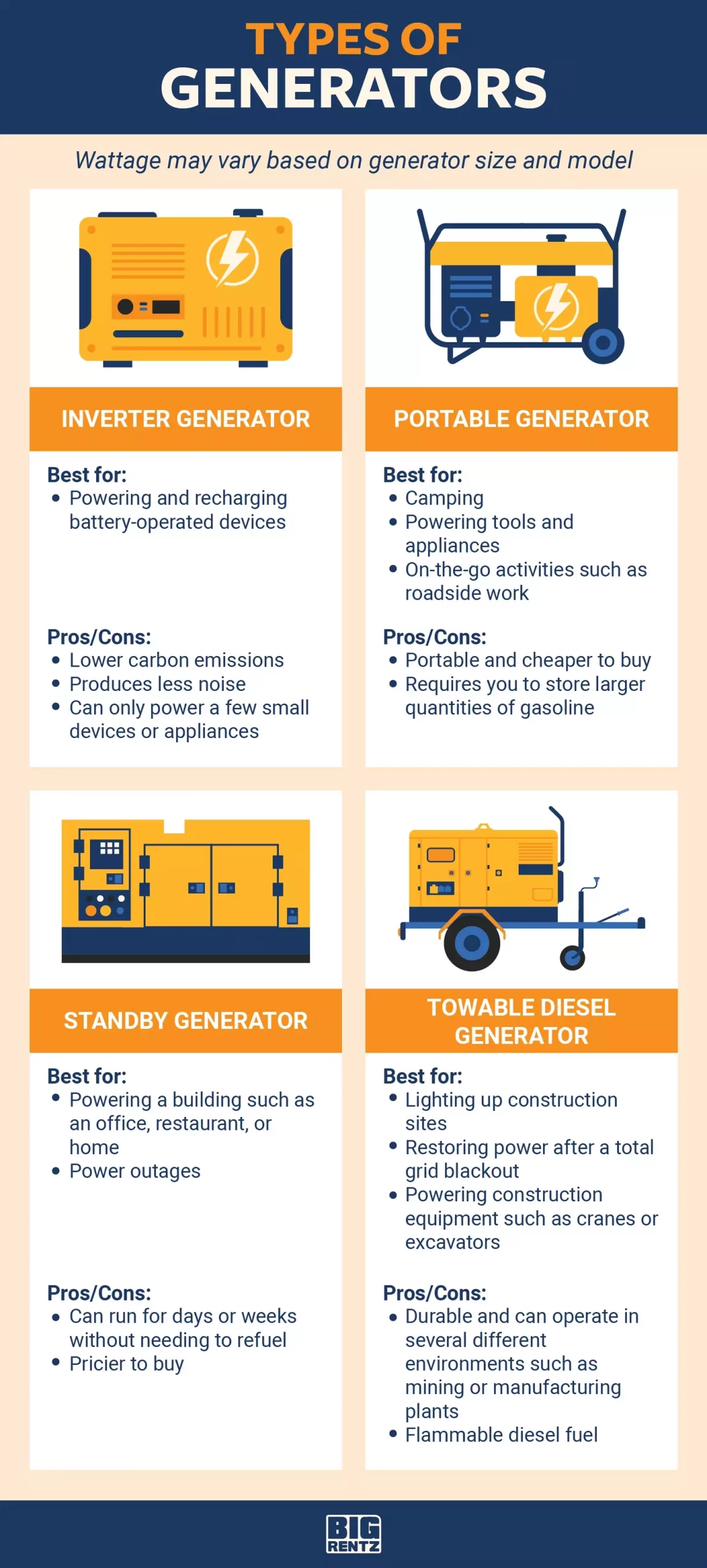
Small Inverters (800-2,000W): Apartment and RV Solutions
These whisper-quiet units (50-60 dB) power phones, medical devices, and small refrigerators safely indoors. Solar models like EcoFlow Delta work where gas generators are banned. Ideal for: Renters, RV trips, or keeping a single refrigerator running during brief outages. Critical limitation: Cannot start motor-driven appliances like sump pumps. Check if your building allows gas generators before purchasing—many condos prohibit them entirely.
Midsize Inverters (2,000-3,500W): The Household Sweet Spot
This category handles simultaneous operation of refrigerators, window AC units, and lighting. Champion’s dual-fuel 3400-watt model exemplifies the ideal balance—quiet enough for neighborhood use yet powerful enough for essential systems. Key advantage: Inverter technology delivers clean power (<3% THD) safe for laptops and medical equipment. Must-have feature: Electric start for units over 2,000 watts—pull-cord starting a 150-pound generator in freezing rain is nearly impossible.
Large Portables (5,000-8,500W): Whole-House Backup Reality
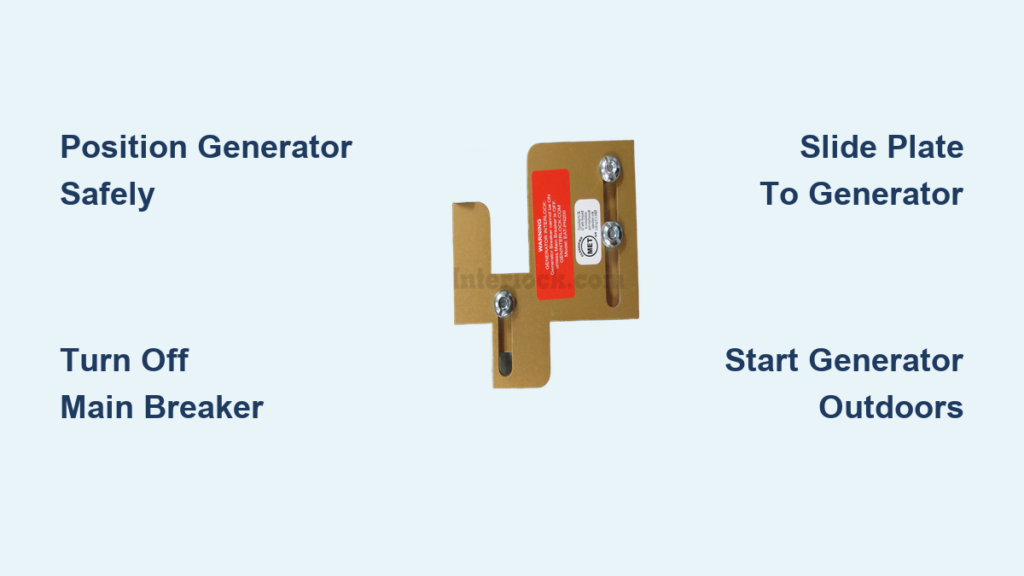
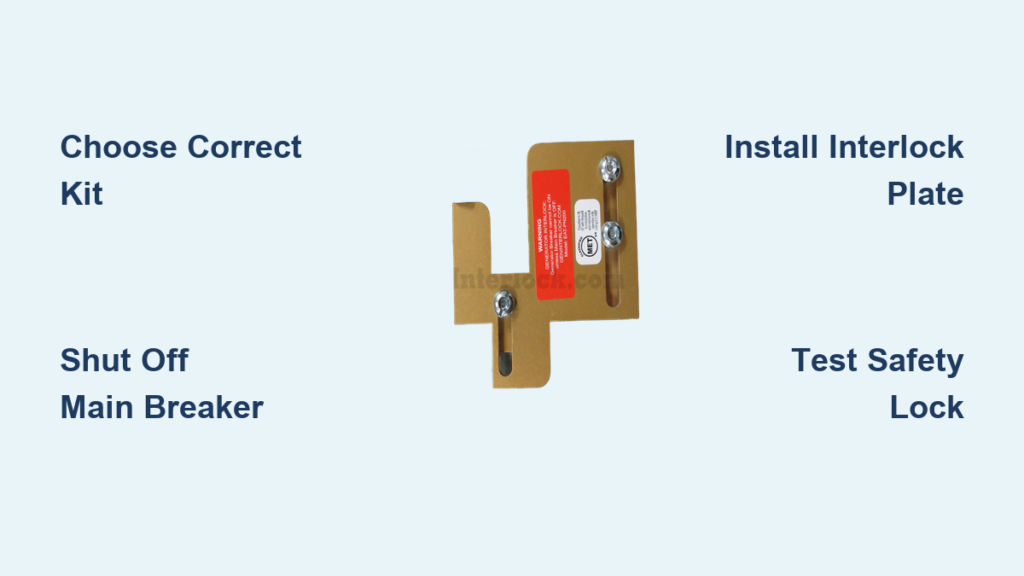
Westinghouse 7500-watt units power central AC, electric water heaters, and well pumps during extended outages. Reality check: These 200+ pound beasts require wheel kits and dedicated storage space. Never operate without a transfer switch—back-feeding electricity into grid lines can electrocute utility workers. Critical note: Central AC units need 3,500+ starting watts alone—verify your specific model’s requirements before assuming compatibility.
Choose Fuel Type Based on Safety and Practicality
Gasoline: Power vs. Perishability
Gas generators deliver maximum output but demand rigorous fuel management. Gasoline degrades in 3-6 months without additives, clogging carburetors during emergencies. Non-negotiable practice: Add fuel stabilizer immediately after filling, run the engine 10 minutes to circulate it, and rotate stored fuel every 6 months by using it in your car. Never store more than 25 gallons in approved containers away from living spaces.
Propane: The Set-and-Forget Option
20-pound propane tanks provide 8-12 hours of runtime with zero fuel degradation. Units like DuroMax XP12000EH run 10 hours continuously at 50% load. Key advantage: Propane generators start reliably after months of storage—critical for winter storms. Trade-off: Expect 10-15% less power output than gasoline mode. Always store tanks upright outdoors—never in garages where leaks could accumulate.
Solar Generators: The Indoor-Safe Alternative
EcoFlow Delta Pro units store 3.6kWh—enough to run a refrigerator for 18 hours. Game-changing benefit: Zero emissions allow indoor operation during blackouts. Hard truth: Solar generators cost 3-5x more per watt than gas equivalents and can’t handle high-demand appliances. Best paired with gas models for extended outages.
Prioritize Life-Saving Safety Features Over Cost
Mandatory Carbon Monoxide Protection
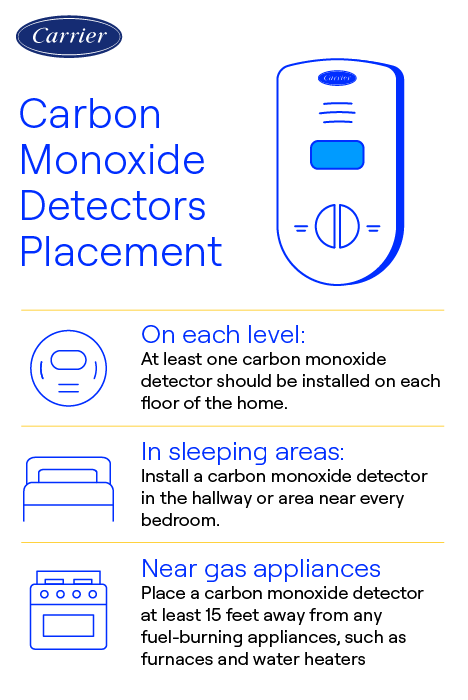
Never purchase a generator without CO safety shutoff technology. Consumer Reports rejects all units lacking this feature—it automatically kills the engine when CO levels become dangerous. Critical fact: Generators produce deadly carbon monoxide within 10 minutes of operation. Place units minimum 20 feet from doors/windows, downwind if possible. Install battery-powered CO detectors on every home level—your nose can’t detect this silent killer.
Avoid These Deadly Setup Mistakes
- Garage operation myth: Even with open doors, CO accumulates to lethal levels in minutes
- Rain exposure: Never run uncovered in wet conditions—use open-sided canopies only
- Overloading: Tripped breakers indicate dangerous overload—reduce load immediately
- Back-feeding: Plugging into wall outlets without a transfer switch risks electrocuting utility crews
Pro tip: Test CO detectors monthly. During outages, watch for headache or dizziness—immediate symptoms of CO poisoning require evacuation.
Budget Smartly for Reliable Emergency Power
Realistic Pricing Tiers That Work
- $400-$800: Champion 2000W inverter for refrigerators and lights (camping bonus)
- $800-$2,000: Westinghouse iGen4500 for household essentials + electric start
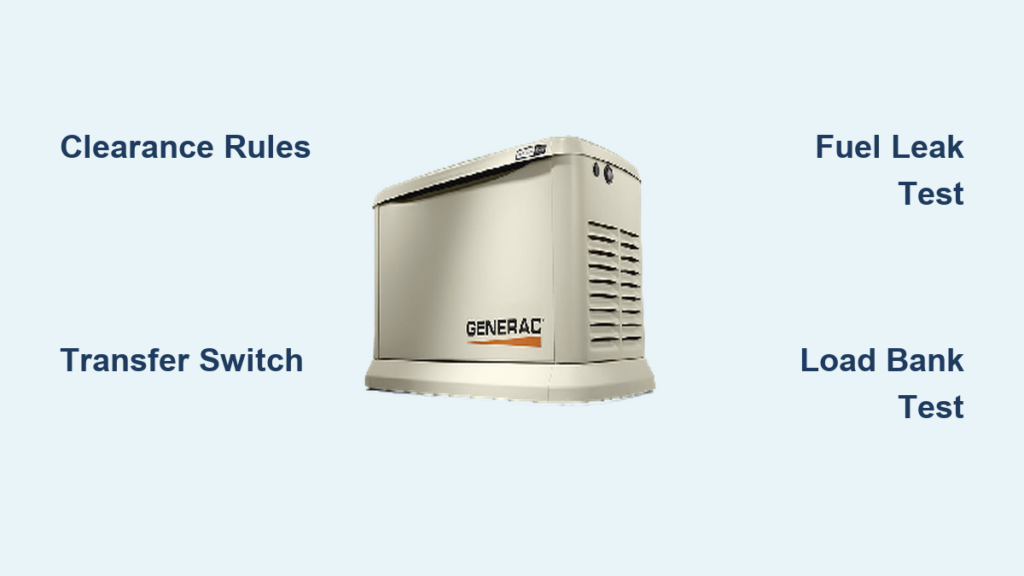
- $2,000-$5,000: Generac 7500W with transfer switch compatibility for whole-house backup
Hidden cost alert: Professional transfer switch installation adds $500-$1,500—factor this into your budget if powering multiple circuits.
Time Your Purchase to Avoid Panic Pricing
Buy generators before storm season (October-January for most regions). Hurricane threats trigger 30% price spikes and months-long backorders. Smart strategy: Purchase during fall clearance sales when retailers discount summer inventory. Check local fire department sales—many auction decommissioned units below retail.
Execute This Maintenance Routine to Avoid Failure
Monthly 30-Minute Test Protocol
- Check oil level with dipstick (low oil causes engine seizure)
- Run under load (e.g., power a space heater) for 30 minutes
- Verify electric start functions in cold conditions
- Inspect for fuel leaks around connections
Critical step: Drain the carburetor after testing if storing long-term—ethanol fuel leaves gum deposits that prevent starting during emergencies.
Annual Maintenance Checklist
- Change oil after first 25 hours, then every 50 hours
- Clean air filter every 50 hours (clogged filters cause overheating)
- Replace spark plug annually ($5 part prevents no-start emergencies)
- Add fuel stabilizer to fresh gasoline before storage
Pro warning: Never store generators with fuel in the carburetor—ethanol attracts moisture causing corrosion. Run until empty before seasonal storage.
Final decision time: Calculate your exact starting wattage using the 3-step formula, then match to the generator type table. Buy before weather threats emerge—your future self will thank you when the lights stay on while neighbors struggle. Remember: the best generator is the one that starts when you need it most, not the one gathering dust because you overcomplicated the selection. Your outage preparedness journey starts with that first wattage calculation—do it today.