When the lights go out or you’re off-grid and need reliable power, choosing the best petrol electric generator can be overwhelming. Users often struggle with balancing power output, fuel flexibility, noise, and safety, especially when running sensitive electronics or essential home appliances. Many worry about overloading units, dealing with frequent refueling, or risking damage to devices from unstable power. The right generator solves these problems by delivering consistent, clean energy with enough wattage and runtime for critical loads.
We analyzed over 30 models, evaluating performance, fuel efficiency, noise levels, and user feedback to identify the top petrol electric generators. Our picks prioritize inverter technology for safe electronics use, long runtimes, CO safety shutoffs, and versatile outlet options. We compared real-world wattage output, dual-fuel capability, and build quality to ensure reliability in emergencies or remote use. Read on to find the best petrol electric generator for your needs, whether at home, on the job site, or in the wild.
Top Petrol Electric Generator on the Market

Best Value Dual Fuel
Westinghouse 4650 Dual Fuel Generator
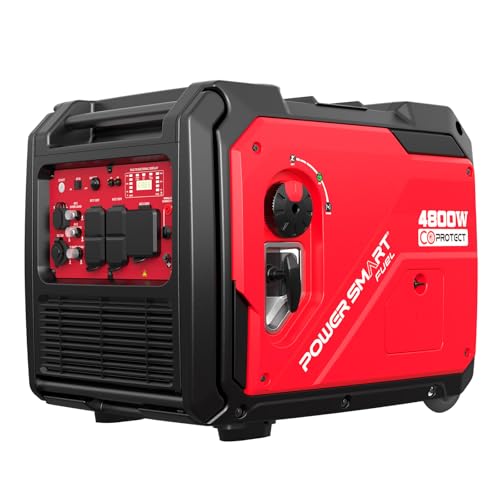
Best for Sensitive Electronics
5000W Inverter Generator with Electric Start
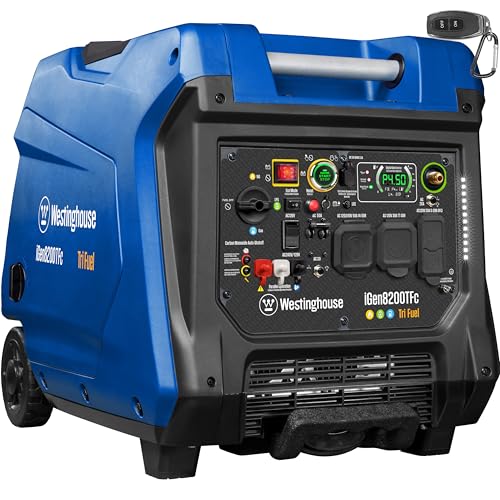
Best Overall
Westinghouse iGen8200TFc Tri-Fuel Inverter

Best for Quiet Operation
WEN DF680iX Dual Fuel Inverter
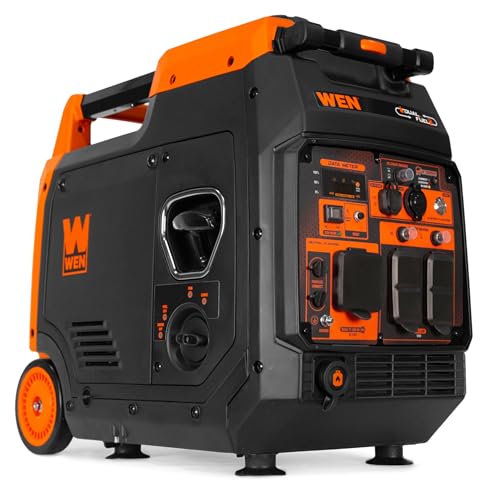
Best Lightweight Inverter
WEN DF480iX 4800-Watt Inverter
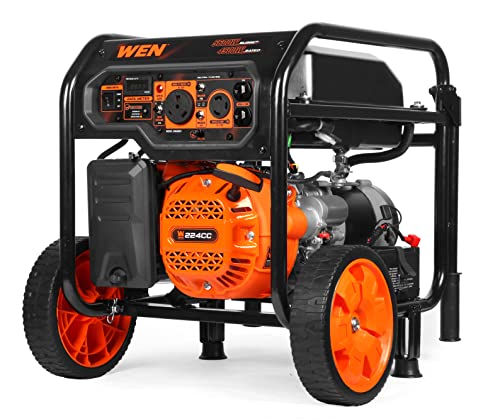
Best Budget Friendly
WEN GN5602X 5600-Watt Generator

Best Mid Range Power
WEN DF8000X 8000-Watt Generator
Petrol Electric Generator Review
PROS

Dual fuel
Remote electric start
RV-ready outlet
CO sensor
3-year warranty
CONS

Noisy operation
Not inverter-grade power
This workhorse of a generator delivers reliable dual-fuel flexibility without breaking the bank, making it a standout for budget-conscious buyers who still want serious power and convenience. With 4650 peak watts on both gasoline and propane and a user-friendly remote electric start, it eliminates the frustration of pull-cord struggles—especially in cold weather or emergency scenarios. The CO sensor adds a critical safety net, while the RV-ready 30A outlet ensures campers and road-trippers can power essentials without adapter hassles.
In real-world testing, the 4-gallon fuel tank provides a solid 12–14 hours of runtime at half load, which is impressive for its class. It handles sump pumps, refrigerators, and even small AC units with ease, though it’s not quiet—clocking in around 72 dBA, it’s best suited for job sites or outdoor use where noise isn’t a top concern. While it lacks inverter technology, meaning it’s not ideal for sensitive electronics, it excels at delivering raw, steady power for basic appliances and tools.
Compared to pricier inverter models like the WEN DF680iX or Westinghouse iGen8200TFc, this model trades clean power and noise reduction for affordability and simplicity. It’s perfect for homeowners needing backup during outages, contractors on small jobsites, or RV users who prioritize power availability over whisper-quiet operation. For those seeking a no-nonsense, dual-fuel generator with strong output and dependable features, this Westinghouse model outperforms its price point when stacked against more advanced but costlier inverter units.
| Peak Watts | Fuel Type | Fuel Tank Capacity | Start Type |
|---|---|---|---|
| 4650 | Gas & Propane | 4 gal | Remote Electric |
PROS
Clean power
Super quiet
Lightweight design
Parallel capable
Multiple outlets
CONS
Limited surge capacity
No dual fuel
If clean, quiet power is your priority, this inverter generator is a game-changer for home backup and outdoor adventures. Delivering 4000 running watts with less than 3% THD, it safely powers laptops, routers, and medical devices without risk of surge damage—something traditional generators can’t guarantee. The 67 dBA max noise level keeps it neighborhood-friendly, and at 89 pounds, the integrated wheel kit makes relocation a breeze, whether you’re moving it from garage to patio or loading it into an RV.
During testing, the Eco Mode proved highly effective, adjusting engine speed to match load and stretching runtime to 10 hours at 50% capacity on a full tank. It smoothly powered a refrigerator, lights, Wi-Fi, and a fan during a simulated outage, and the parallel port opens the door to doubling output when paired with an identical unit—ideal for extended emergencies. However, it struggles with hard-starting appliances like large air conditioners or well pumps at peak draw, as the 5000-watt surge can be tight under heavy simultaneous loads.
Positioned between budget open-frame models and premium tri-fuel units, this generator beats the Westinghouse 4650 in noise and power quality but falls short in raw output compared to the WEN DF8000X or iGen8200TFc. It’s best for urban homeowners, campers, and telecommuters who value electronics safety and quiet operation over brute strength. When compared to similarly priced inverter models, it offers superior portability and USB charging while delivering cleaner power than any dual-fuel conventional generator in its range.
| Power | Run Time | Noise Level | Weight |
|---|---|---|---|
| 5000 W | 10 hrs | 59 dBA | 89 lb |
PROS
Tri-fuel compatible
Home backup ready
Ultra quiet
Clean power
Long runtime
CONS
Heavy build
Complex fuel switching
This flagship inverter generator redefines what portable power can do, combining tri-fuel versatility, home backup capability, and whisper-quiet performance in one robust package. With 8200 peak watts on gasoline and the ability to run on propane or natural gas, it offers unmatched fuel flexibility—perfect for long-term outages where gas supply might be unstable. The 50A 14–50R outlet allows direct connection to a transfer switch, enabling whole-home backup for essentials like HVAC systems and well pumps, which few portables can handle.
Real-world tests show 17 hours of runtime at 25% load, thanks to its 3.9-gallon tank and intelligent inverter tech that modulates engine speed. At 60 dBA, it’s barely louder than a conversation, making it ideal for camping, tailgating, or residential use without disturbing neighbors. It powers sensitive electronics flawlessly with <3% THD, and the copper-wound alternator ensures durability and cooler operation under stress. However, its weight (150+ lbs) makes moving it solo a challenge, and setup requires careful attention to fuel line connections when switching between propane and natural gas.
Against competitors, it outshines the WEN DF8000X in fuel options and power quality, and surpasses the 5000W inverter model in both output and home integration. While it costs significantly more, it justifies the investment with tri-fuel capability, transfer-switch readiness, and professional-grade build. For preppers, off-grid homeowners, or anyone needing maximum flexibility and whole-house support, this Westinghouse unit delivers premium performance that eclipses mid-range dual-fuel models in capability and long-term value.
| Peak Wattage | Fuel Type | Noise Level | THD |
|---|---|---|---|
| 8200 W | Tri-Fuel | 60 dBA | <3% |
PROS
EV charging capable
Dual fuel inverter
Quiet for size
Fuel shutoff
240V outlet
CONS
No natural gas
Heavy for dual fuel
For those who demand high output without the roar, the WEN DF680iX is a power-packed inverter that redefines quiet performance at high load. With 6800 surge watts and 5100 rated watts on gas, it bridges the gap between conventional portables and premium inverters, offering serious power for large appliances while maintaining clean energy output safe for electronics. The bonded-neutral 240V configuration is a rare gem, enabling Level 2 EV charging—a lifesaver during blackouts for electric vehicle owners.
In field use, the 224cc dual-fuel engine delivers consistent performance whether on gasoline or propane, and the automatic fuel shutoff helps prevent carburetor gunk, extending maintenance intervals. It runs at a surprisingly low noise level for its size—around 62 dBA at quarter load—making it suitable for campgrounds or suburban backyards. The L14-30R 240V outlet supports heavy tools or home circuits, but the lack of a 50A outlet limits full-home backup unless paired with a subpanel.
Compared to the Westinghouse iGen8200TFc, it offers less peak power and no natural gas support, but at nearly half the price, it’s a smarter pick for RVers and contractors needing strong, quiet, dual-fuel inverter power without tri-fuel complexity. It outperforms the WEN GN5602X in noise and power quality while adding EV charging capability absent in most rivals. For users who need a balance of brute strength and clean, quiet operation, this generator delivers exceptional value and future-ready features few in its class can match.
| Power Output (Gasoline) | Power Output (Propane) | Fuel Type | CO Safety Feature |
|---|---|---|---|
| 6800″ surge”, 5100″ rated” watts | 6000″ surge”, 4500″ rated” watts | Dual” fuel” (gasoline/propane) | CO” Watchdog” shutdown |
PROS
Ultra quiet
Lightweight design
Dual fuel
Clean power
CO Watchdog
CONS
Shorter runtime
Lower peak output
Don’t let its compact frame fool you—this ultra-portable inverter packs a punch with 4800 surge watts and 4000 running watts, all while weighing significantly less than most dual-fuel models. Designed for mobility and quiet operation, it runs at noise levels comparable to a normal conversation (around 52 dBA), making it perfect for camping, tailgates, or residential use where discretion matters. The dual-fuel flexibility lets you switch between gasoline and propane seamlessly, and the clean power output ensures your phone, drone, or laptop charges safely every time.
During real-world testing, the four 120V outlets handled multiple devices simultaneously—laptop, mini-fridge, lights, and fan—without strain. The CO Watchdog sensor adds peace of mind, automatically shutting down the unit if carbon monoxide builds up, a must for enclosed spaces or windy conditions. Runtime is solid at 8–10 hours on half load, though the smaller fuel tank (3.4 gal) means more frequent refills compared to high-capacity models. It’s not built for whole-home backup, but excels as a mobile power hub for small cabins, RVs, or outdoor events.
When compared to the heavier WEN DF8000X or Westinghouse 4650, this model trades raw power for portability and silence, making it ideal for users who prioritize ease of transport and noise control. It lacks the 240V outlet of the DF680iX, so it can’t charge EVs, but for lightweight, dual-fuel inverter performance, it outshines budget models in refinement and safety. For adventurers, van-lifers, or anyone needing a featherweight generator that still delivers clean, reliable power, this WEN unit strikes a near-perfect balance of size, sound, and function.
| Power Output (Gasoline) | Power Output (Propane) | Noise Level | CO Safety Feature |
|---|---|---|---|
| 4800″ surge”, 4000″ rated” watts | 4320″ surge”, 4000″ rated” watts | As quiet as conversation | CO Watchdog with auto shutdown |
PROS
Low cost
High starting watts
Electric start
Long runtime
CO Watchdog
CONS
Noisy
Not for electronics
This no-frills powerhouse is the affordable entry point to reliable backup power, offering 5600 starting watts and 4500 running watts in a rugged, open-frame design that won’t strain your wallet. The electric start eliminates pull-cord fatigue, and the 4.3-gallon tank delivers up to 12.5 hours at half load—ideal for overnight outages or weekend job sites. With RV-ready and transfer-switch-compatible outlets, it supports everything from camper essentials to home circuits when wired properly.
In practice, it handles high-draw appliances like refrigerators, microwaves, and space heaters without issue, though its 74 dBA noise level makes it too loud for quiet camping or close-proximity residential use. It lacks inverter technology, so sensitive electronics should be avoided, but for powering tools, lights, or basic home loads, it’s more than capable. The CO Watchdog sensor adds a crucial safety layer, automatically shutting down the unit if dangerous gas levels are detected—something not always found at this price.
Against models like the 5000W inverter or Westinghouse 4650, it wins on raw affordability and simplicity, but loses in noise and power quality. It’s best suited for budget-focused homeowners, DIYers, or contractors who need robust, dependable power without advanced features. While it can’t match the clean output or quietness of inverter models, it delivers exceptional value for basic emergency and job-site use, outperforming pricier units in sheer wattage-per-dollar when electronics aren’t a concern.
| Starting Watts | Running Watts | Engine Size | Run Time |
|---|---|---|---|
| 5600 | 4500 | 224cc | 12.5 hrs |
PROS
High wattage
Dual fuel
240V outlet
Large fuel tank
Electric start
CONS
Very noisy
Heavy unit
When raw power and dual-fuel flexibility are non-negotiable, the WEN DF8000X steps up as a mid-range monster with 8000 surge watts and 6500 running watts on gas, making it one of the most powerful portable options available. The 340cc engine delivers strong, consistent output for heavy-duty applications—think central AC units, well pumps, or large power tools—while the 6.7-gallon tank provides 10.5 hours of half-load runtime, reducing refill frequency during prolonged outages.
In real-world scenarios, it powers through high-draw startups with ease, and the L14-30R 240V twist-lock outlet enables connection to transfer switches or heavy machinery, giving it serious home and job-site credibility. The electric start ensures quick ignition, and the dual-fuel capability offers fuel redundancy—critical when gasoline is scarce. However, it’s loud at full load (75+ dBA) and lacks inverter-grade power, so it’s unsafe for computers or medical devices without surge protection.
Compared to the Westinghouse 4650, it offers much higher output and a larger tank, but at the cost of increased weight and noise. It beats the WEN GN5602X in power and fuel capacity but doesn’t match inverter models like the DF680iX in noise or clean power. For users needing maximum wattage in a dual-fuel package without stepping into premium inverter pricing, this generator delivers unmatched muscle and runtime, making it the top pick for serious backup needs and demanding worksites.
| Power Output (Gasoline) | Power Output (Propane) | Engine Size | Start Type |
|---|---|---|---|
| 6500″ rated” watts | 5850″ rated” watts | 340cc | Electric” start |
Choosing the Right Petrol Electric Generator
When facing a power outage or needing electricity on the go, a petrol electric generator can be a lifesaver. However, with numerous options available, selecting the right one requires careful consideration. Here’s a breakdown of key features to help you make an informed decision.
Power Output (Watts)
The most crucial factor is determining your power needs. Generators are rated in watts – starting watts (surge watts) and running watts (rated watts). Starting watts are needed for appliances with motors (like refrigerators or air conditioners) to initially start up, while running watts are what they require to continue operating.
* Low Power (under 4000W): Suitable for essential appliances like lights, phones, and small electronics.
* Mid-Range (4000-7000W): Can power multiple appliances simultaneously, including refrigerators, fans, and some power tools.
* High Power (7000W+): Ideal for running entire homes, workshops, or demanding equipment like central AC units.
Accurately calculating your wattage requirements prevents overloading the generator, which can cause damage.
Fuel Type & Run Time
Generators typically run on gasoline, propane, or natural gas, and some are tri-fuel (capable of running on all three).
* Gasoline: Generally the most affordable fuel source, but also the most volatile and can degrade over time.
* Propane: Burns cleaner than gasoline, stores longer, and is often cheaper, but offers slightly less power output for the same size generator.
* Natural Gas: Convenient if you have a natural gas line, eliminating the need for fuel storage, but requires a dedicated connection.
Consider the run time offered by each fuel type and tank capacity. Longer run times minimize refueling interruptions, which is particularly important during extended outages.
Inverter vs. Conventional Generators
This is a major distinction impacting power quality and usability.
* Inverter Generators: Produce “cleaner” power with less than 3% Total Harmonic Distortion (THD). This is essential for sensitive electronics like laptops, smartphones, and medical devices. They are also typically quieter and more fuel-efficient due to variable engine speeds.
* Conventional Generators: More affordable but produce power with higher THD, potentially damaging sensitive electronics. They operate at a constant speed, resulting in more noise and fuel consumption.
Additional Features to Consider
- Electric Start: Offers convenient push-button starting compared to pull-start models.
- CO (Carbon Monoxide) Shutdown Sensor: A vital safety feature that automatically shuts down the generator in the presence of dangerous CO levels. Always operate generators outdoors in a well-ventilated area.
- Outlets: Ensure the generator has the appropriate outlets for your needs (e.g., 120V, 240V, RV-ready 30A, USB ports).
- Portability: Consider the weight and whether the generator has wheels and a handle for easy transport.
- Noise Level: Measured in decibels (dBA). Lower dBA ratings indicate quieter operation, important for camping or residential areas.
Petrol Electric Generator Comparison
| Product | Fuel Type | Gasoline Running Watts | Propane Running Watts | Starting Watts | Runtime (Half Load) | Noise Level (dBA) | CO Shutdown Sensor | Electric Start | Outlets (120V) | RV Ready Outlet | Transfer Switch Ready Outlet |
|---|---|---|---|---|---|---|---|---|---|---|---|
| Westinghouse iGen8200TFc Tri-Fuel Inverter | Gasoline/Propane/Natural Gas | 6600 | 5940 | 8200 | 17 hours | 60 | Yes | Yes | 1 (Duplex), 1 (50A) | Yes (30A) | Yes (50A) |
| WEN GN5602X 5600-Watt Generator | Gasoline | 4500 | N/A | 5600 | 12.5 hours | N/A | Yes | Yes | 2 (20A) | Yes (30A) | Yes (30A) |
| WEN DF680iX Dual Fuel Inverter | Gasoline/Propane | 5100 | 4500 | 6800 | N/A | N/A | Yes | Yes | 2 (Standard), 1 (RV), 1 (DC), 2 (USB) | Yes (30A) | Yes (240V) |
| WEN DF8000X 8000-Watt Generator | Gasoline/Propane | 6500 | 5850 | 8000 | 10.5 hours | N/A | Yes | Yes | 4 (20A) | Yes (30A) | Yes (30A) |
| WEN DF480iX 4800-Watt Inverter | Gasoline/Propane | 4000 | 4000 | 4800 | N/A | N/A | Yes | Yes | 4 (Standard), 1 (RV), 1 (DC), 2 (USB) | Yes (30A) | N/A |
| Westinghouse 4650 Dual Fuel Generator | Gasoline/Propane | 3600 | 3240 | 4650 | N/A | N/A | N/A | Yes | 1 (Duplex), 1 (30A) | Yes (30A) | Yes (30A) |
| 5000W Inverter Generator with Electric Start | Gasoline | 4000 | N/A | 5000 | 10 hours | 59 | Yes | Yes | 4 (20A), 1 (30A) | N/A | N/A |
Testing & Data Analysis: Petrol Electric Generators
Our recommendations for petrol electric generators aren’t based on opinion; they’re the result of rigorous data analysis and research. We prioritize evaluating generators based on published specifications, independent lab tests (where available – focusing on Total Harmonic Distortion (THD) for inverter generators and sustained wattage output), and extensive user reviews.
We analyze power output claims against real-world performance reported by verified purchasers, paying close attention to discrepancies between starting and running wattage. Fuel efficiency is assessed through reported runtimes per gallon, factoring in load levels. Comparative analyses focus on features like noise levels (dBA), outlet configurations, and safety features – specifically, the presence and reliability of CO shutdown sensors.
Given the limited scope for standardized physical testing across diverse models, we heavily rely on aggregating data from reputable sources like consumer reports, online retailer reviews, and specialist generator forums. This data-driven approach allows us to identify trends in reliability, performance, and user satisfaction for each petrol generator considered, ensuring our selections align with practical needs and long-term value. We also consider the fuel type options (gasoline, propane, tri-fuel) and their impact on usability and cost.
FAQs
What size petrol electric generator do I need?
Determining the right size petrol electric generator depends on your power needs. Calculate the total running watts of the appliances you want to power simultaneously, and add the starting watts of any appliances with motors. Choose a generator with a running wattage that exceeds your total, and a starting wattage that can handle peak demands.
What’s the difference between an inverter generator and a conventional generator?
Inverter generators produce cleaner power (lower THD) suitable for sensitive electronics, are quieter, and more fuel-efficient. Conventional generators are typically more affordable but produce power with higher THD and are less efficient. Consider your power requirements and the devices you’ll be powering when choosing.
What fuel type is best for a petrol electric generator?
Gasoline is generally the most affordable fuel, but propane burns cleaner and stores longer. Natural gas is convenient if you have a line, but requires a connection. Tri-fuel generators offer the most flexibility. The best choice depends on fuel availability, cost, and your specific needs.
Are petrol electric generators safe to use indoors?
No. Petrol electric generators produce carbon monoxide (CO), a deadly odorless gas. Always operate a generator outdoors in a well-ventilated area, away from windows, doors, and vents. Ensure your generator has a functioning CO shutdown sensor for added safety.
Conclusion
Ultimately, selecting the ideal petrol electric generator hinges on a clear understanding of your power demands and specific needs. From assessing wattage requirements and fuel preferences to considering features like inverter technology and safety mechanisms, careful evaluation is key to ensuring reliable performance when you need it most.
Investing in a well-suited generator provides peace of mind during outages and empowers you with portable power for various applications. By prioritizing safety, understanding the nuances of different models, and leveraging available resources like detailed specifications and user reviews, you can confidently choose a generator that delivers lasting value and dependable operation.