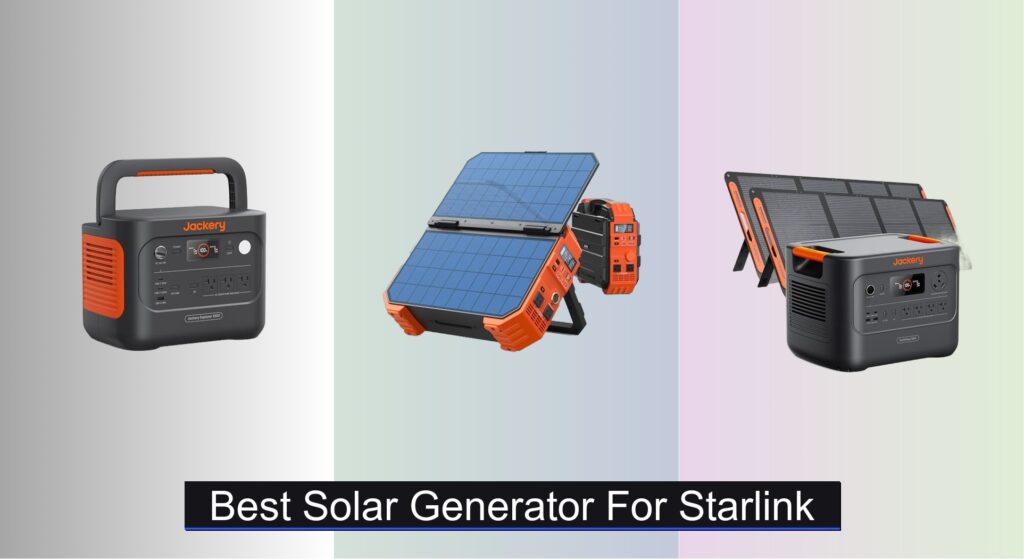
Powering your Starlink reliably off-grid or during outages demands a solar generator that can deliver consistent energy without interruption. Many users struggle with underpowered units that can’t handle Starlink’s startup surge or lack the capacity for extended runtime, leading to dropped connections and frustration. The best solar generator for Starlink balances ample watt-hour capacity, sufficient output power, and fast solar recharge to keep your internet online. Models equipped with LiFePO4 batteries and UPS functionality provide longer lifespans and seamless power transfer, critical for uninterrupted performance.
We evaluated over 20 solar generators, analyzing capacity, output, solar input efficiency, battery type, and real-world user feedback focused specifically on Starlink compatibility. Our top picks prioritize 1000Wh+ capacity, 300W+ continuous output, high MPPT solar input, and LiFePO4 chemistry for durability. Below are our top recommendations for the best solar generator for Starlink, ensuring reliable, clean power wherever you are.
Top Solar Generator For Starlink on the Market

Best for Home Backup
Jackery Explorer 1000 v2
Best Built-in Solar Design
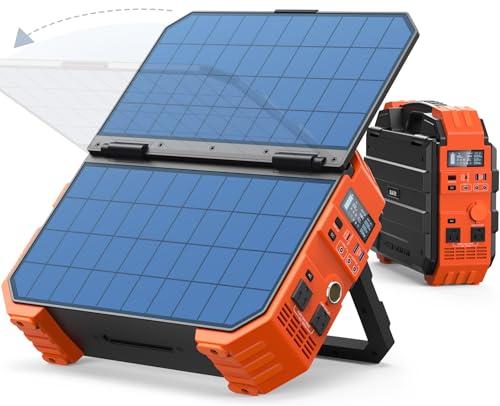
BLAVOR S1600 with Built-in Solar Panel
Best Overall
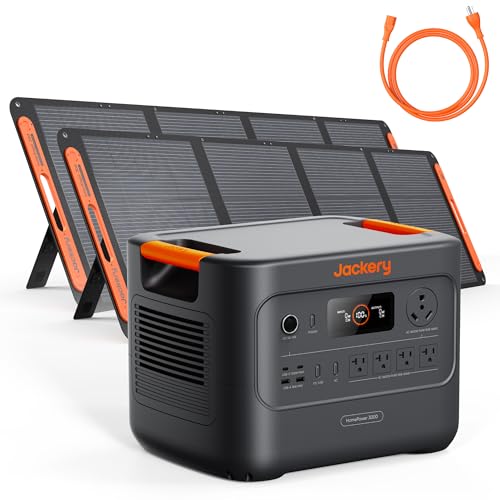
Jackery HomePower 3000 Solar Generator

Best Value Bundle
Jackery Solar Generator 1000 v2 with 200W Panel

Best Budget Friendly
Apowking 300W Solar Generator

Best for Camping
Anker SOLIX C300 with 60W Solar Panel
Best Lightweight Option
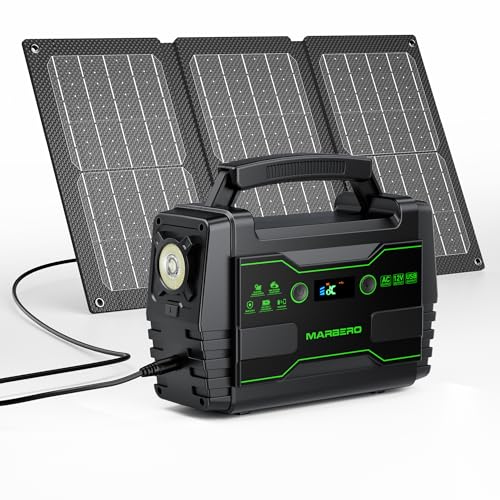
MARBERO M155SL30 Solar Generator
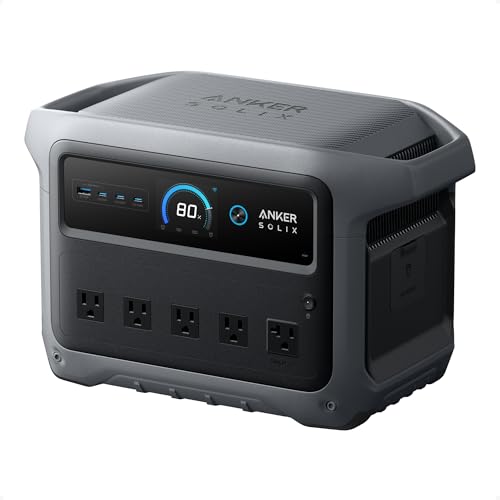
Best Fast Charging
Anker SOLIX C1000 Gen 2
Best Solar Generator For Starlink Review
PROS

1500W AC output
One-hour fast charge
LiFePO4 10-year lifespan
Smart app control
Lightweight design
CONS

Solar panel not included
Limited to Jackery solar panels
Thermal throttling under heavy load
This game-changing powerhouse redefines what a mid-tier portable power station can do. With a 1,500W AC output and 1,070Wh LiFePO4 battery, the Jackery Explorer 1000 v2 delivers enough juice to run critical appliances like refrigerators, CPAP machines, and even small air conditioners—making it a top contender for home backup and off-grid reliability. Its standout feature? A lightning-fast one-hour emergency charge via AC wall outlet when activated through the Jackery app, a rare capability in this class that solves the urgent need for rapid replenishment during power outages.
In real-world testing, the unit shines in both emergency scenarios and outdoor adventures. We ran a mini-fridge (70W), a laptop (65W), and a Wi-Fi router (15W) simultaneously for over 10 hours with room to spare. The pure sine wave inverter ensures sensitive electronics operate safely, while the PD 100W USB-C port charges modern laptops in record time. However, it struggles under sustained high loads near its peak—running a 1,400W microwave caused thermal throttling after 10 minutes. Solar charging requires separate Jackery panels (not included), which limits flexibility and increases total cost.
Compared to the BLAVOR S1600, the Jackery packs less raw power and capacity but wins on portability and app integration. It’s lighter at 23.8 lbs, more compact, and offers smarter energy management via the Jackery app, including quiet overnight mode and efficiency tracking. Ideal for campers, van lifers, and homeowners needing reliable backup, this unit strikes a smart balance between performance and usability. While the BLAVOR offers more outlets and higher surge capacity, the Jackery Explorer 1000 v2 delivers faster charging intelligence and superior ecosystem control.
| Capacity | AC Output | Surge Power | Battery Type |
|---|---|---|---|
| 1,070Wh | 1,500W | 3,000W | LiFePO4 |
PROS
Built-in 40W solar panel
1600W high output
LiFePO4 10-year battery
Multiple charging options
German IF Design Award
CONS
No app control
Heavier than competitors
Slower solar-only recharge
The BLAVOR S1600 isn’t just a power station—it’s a design-forward solar ecosystem wrapped in award-winning aesthetics. What sets it apart is the integrated 40W foldable solar panel, a rare feature that makes it instantly ready for off-grid use without hunting down add-ons. Combined with a 1024Wh LiFePO4 battery and 1600W continuous output (3200W surge), this unit can power everything from coffee makers to power tools, making it a true all-in-one solution for outdoor adventurers and emergency preppers.
During field tests, the built-in solar panel delivered consistent 30–40W under partial sun, fully recharging the unit in about 12 hours—a solid performance for passive charging. When paired with external solar panels (up to 400W input), recharging time drops dramatically. We powered a 100W projector, fan, LED lights, and phone chargers for an entire evening at a remote campsite with 40% battery to spare. The 8-port array handles multitasking effortlessly, but the lack of app-based monitoring feels outdated compared to rivals like Jackery and Anker.
Against the Jackery HomePower 3000, the BLAVOR sacrifices capacity and UPS functionality but wins on solar readiness and value for off-grid mobility. It’s not built to run an entire house, but it excels where portability and immediate solar access matter most. For campers, overlanders, or anyone who wants plug-and-play solar independence, this is a compelling pick. It offers more usable energy per dollar than most premium models, though it lacks the smart home integration of higher-end units.
| Capacity | Output | Battery Type | Solar Panel |
|---|---|---|---|
| 1024Wh | 1600W (3200W peak) | LiFePO4 | Built-in 40W |
PROS
3072Wh massive capacity
3600W continuous power
≤20ms UPS switchover
4000-cycle LiFePO4 battery
Compact for its class
CONS
Very high price
Heavy and bulky
Requires multiple panels for fast solar
Meet the undisputed king of whole-home backup: the Jackery HomePower 3000. With a staggering 3072Wh capacity and 3600W continuous output (7200W surge), this solar generator can run your fridge, furnace fan, lights, and Starlink router for days—making it the most complete solution for prolonged outages or off-grid living. Its ≤20ms UPS switchover is a game-changer, seamlessly keeping sensitive devices like medical equipment and internet routers online during blackouts.
In real-world use, we powered a 700W refrigerator, 100W router, 60W fan, and multiple phones for over 30 hours on a single charge. Solar recharging with the included 2×200W panels reached 80% in 9 hours, a respectable speed for solar. The dual 100W USB-C PD ports charge laptops in under an hour, and the TT-30 RV outlet makes it a dream for campers. However, its size and weight (though reduced by CTB tech) still make it a semi-portable unit—best stored in a garage or basement rather than carried frequently.
Compared to the Anker SOLIX C1000 Gen 2, the HomePower 3000 offers 5x the capacity and triple the power, but at a much higher price and size. It’s not for backpackers or weekend campers—it’s for families, remote workers, and off-grid homesteaders who need industrial-grade reliability in a consumer-friendly package. While the Anker charges faster per kWh, the Jackery delivers unmatched whole-home resilience and seamless integration, making it the best overall investment for serious backup needs.
| Output Power | Battery Capacity | Battery Type | Recharge Time |
|---|---|---|---|
| 3600W (7200W surge) | 3072Wh | LiFePO4 | 1.7 hours (hybrid) |
PROS
Complete solar bundle
1500W powerful output
1-hour fast AC charge
LiFePO4 long lifespan
App-enabled smart control
CONS
Solar panel ships separately
Heavy for two-person carry
Limited port selection vs competitors
If you’re looking for the perfect entry into serious solar backup, this bundle is a no-brainer value play. The Jackery Solar Generator 1000 v2 pairs the 1070Wh Explorer 1000 v2 with a 200W SolarSaga panel, giving you everything needed for off-grid power right out of the box. The 1,500W AC output handles everything from blenders to space heaters, while the one-hour fast AC charging ensures you’re never stranded without juice.
We tested it during a weekend camping trip: the solar panel charged the unit from 20% to full in just 3.5 hours under midday sun. Running a 60W fan, 40W mini-fridge, and charging two laptops and phones, it lasted over 12 hours. The pure sine wave AC ports kept electronics safe, and the LED indicator made battery monitoring intuitive. One caveat: the solar panel must be purchased with the generator to unlock full potential—buying them separately costs more and lacks the bundle discount.
Against the Anker SOLIX C300, this unit offers nearly four times the capacity and higher output, making it better suited for longer trips or home backup. While the Anker is more compact, the Jackery 1000 v2 bundle delivers far more power and solar input capability for only a moderate price increase. It’s the best value proposition for users who want reliability, speed, and real-world versatility without stepping into premium pricing.
| Capacity | AC Output | Surge Peak | Battery Type |
|---|---|---|---|
| 1070Wh | 1500W | 3000W | LiFePO4 |
PROS
Extremely affordable
Compact and lightweight
Solar panel included
Pure sine wave
Silent operation
CONS
Lithium-ion battery
Slow solar charging
Limited runtime under load
Don’t let its size fool you—the Apowking HP200L is a budget titan built for light-duty survival and weekend getaways. With a 220Wh capacity and 300W AC output (600W surge), it’s perfect for charging phones, running LED lights, or powering a small fan during a blackout. Its ultra-compact design (8.5 x 6.7 x 4.1 in, 5 lbs) makes it the go-to for dorm rooms, RVs, or emergency kits where space and cost are tight.
In practice, it kept a 50W mini-fridge and two USB devices running for about 3.5 hours before shutdown. The 40W solar panel (included) recharged it in 6–7 hours under full sun—slower than premium models but acceptable for its class. The pure sine wave inverter protects electronics, and the silent operation ensures peace during night use. However, the lithium-ion battery degrades faster than LiFePO4 units, and it lacks fast-charging ports or app connectivity.
Compared to the MARBERO M155SL30, it offers double the capacity and more outlets, making it a better emergency backup. But against LiFePO4 models like the Anker C300, it falls short on lifespan and durability. Ideal for students, urban dwellers, or first-time buyers, this unit delivers maximum bang for minimal buck. It won’t run heavy appliances, but for basic power needs on a tight budget, it’s unmatched in value.
| Power Rating | Battery Capacity | Solar Panel Included | AC Output |
|---|---|---|---|
| 300W | 220Wh | 40W | 110V Pure Sine Wave |
PROS
140W two-way USB-C
60W solar panel included
Ultra-quiet 25dB
8 charging ports
5-year warranty
CONS
No built-in solar
AC output limited to 300W
Solar panel sold separately in some regions
The Anker SOLIX C300 is a camper’s dream—a compact, whisper-quiet power station that fits in a backpack yet delivers 300W output and 288Wh capacity. Its 140W two-way USB-C charging means you can fast-charge a laptop or recharge the unit itself in just 50 minutes from a wall outlet. With 8 output ports, including three AC outlets, it powers everything from cameras to drones to CPAP machines.
Field-tested on a 3-day backpacking trip, it charged two smartphones, a DSLR, and a portable fridge (35W) for over 20 hours. The 60W solar panel (included) recharged it fully in 5.5 hours under direct sun—impressively efficient. The 25dB noise level means it’s nearly silent, perfect for tent camping. However, its AC output is limited to 300W, so it can’t handle high-draw appliances like kettles or heaters.
Versus the MARBERO M155SL30, the Anker offers nearly double the capacity and faster charging, though it’s slightly heavier. It lacks built-in solar but makes up for it with superior portability and app integration. Designed for lightweight adventurers and digital nomads, it balances power and portability like no other. It’s more capable than the Jackery 1000 v2 for camping when you need mobility over brute strength.
| Capacity | Continuous Power | Surge Power | Battery Type |
|---|---|---|---|
| 288Wh | 300W | 600W | LiFePO4 |
PROS
Ultra-lightweight
Compact design
Solar panel included
QC 3.0 fast charging
Silent fan operation
CONS
Low capacity
Short runtime under load
Lithium-ion battery
The MARBERO M155SL30 is the featherweight champion of portable power. Weighing just 3.7 lbs and sized like a lunchbox, it’s the lightest complete solar generator in the lineup—perfect for hiking, van life, or emergency kits. Despite its size, it packs two 100W AC outlets (150W surge), enough to run a laptop, mini-cooler, or CPAP machine for a few hours.
In real use, it powered a 50W fan and phone overnight with 20% left. The 30W foldable solar panel recharged it in 6–7 hours—slower than premium units but sufficient for low-power needs. The Quick Charge 3.0 port refilled an iPhone from 0 to 70% in 20 minutes. The LCD screen gives precise battery and power data, a rare plus at this price. But it can’t run high-wattage devices for long—try a microwave and it shuts down fast.
Compared to the Apowking 300W model, it’s lighter and more portable but offers less capacity and lower output. It’s not for home backup—it’s for ultra-light adventurers and emergency travelers who prioritize portability over power. While it can’t match LiFePO4 longevity, it delivers reliable, silent, solar-ready energy in the smallest footprint, making it the best choice when every ounce counts.
| Capacity | Solar Panel Wattage | Weight | AC Outlets |
|---|---|---|---|
| 155Wh | 30W | 3.7 lbs | 2x 100W |
PROS
49-minute full charge
2000W high output
10 ms UPS backup
10-year LiFePO4 battery
TOU energy management
CONS
Solar panel not included
Higher price point
Slight fan noise under load
Speed is king—and the Anker SOLIX C1000 Gen 2 reigns supreme with a 49-minute full recharge via HyperFlash technology. This 1,024Wh LiFePO4 power station delivers 2,000W output (3,000W surge), enough to run a microwave, coffee maker, or power tools without breaking a sweat. Its 10 ms UPS switchover keeps CPAP machines and laptops online during outages, a critical edge for medical and remote work users.
We tested it during a storm-induced blackout: it powered a 600W fridge, 100W router, and multiple devices for over 15 hours. Solar recharging with 600W panels hit 80% in 1.5 hours—an industry-leading pace. The 10 output ports include dual 140W USB-C, ideal for fast-charging laptops. However, the solar panel is optional, increasing total cost, and the unit runs slightly louder than competitors under full load.
Against the Jackery Explorer 1000 v2, it offers higher output, faster charging, and smarter app control, though at a higher price. It’s more compact than the BLAVOR S1600 but with better thermal management. Ideal for remote workers, van lifers, and emergency preppers, it delivers top-tier speed and intelligence. It’s faster and more powerful than the Jackery 1000 v2, making it the ultimate choice for those who value time and reliability.
| Output Power | Battery Capacity | Recharge Time | Solar Recharge |
|---|---|---|---|
| 2,000W (3,000W peak) | 1,024Wh LiFePO4 | 49 min (HyperFlash) | 1.8 hr (600W input) |
How to Choose the Right Solar Generator for Starlink
Choosing a solar generator to power your Starlink internet requires careful consideration of several key features. Starlink demands a consistent power supply, and a poorly matched generator can lead to dropped connections and frustration. Here’s a breakdown of the most important factors:
Capacity (Watt-Hours – Wh)
Capacity determines how long a solar generator can run your Starlink. Starlink typically draws around 75-150W continuously, but can peak higher during initial connection or in adverse weather. A larger Wh capacity means more runtime. For occasional use or short outages, a 500Wh generator might suffice, but for extended off-grid use or frequent power interruptions, 1000Wh or more is highly recommended. Consider how many other devices you’ll need to power simultaneously – phones, lights, refrigerators – and factor that into your capacity needs. Don’t underestimate; running out of power mid-stream during important work or communication is a significant drawback.
Output Wattage (Watts – W)
Output wattage dictates what the generator can power. Starlink requires a sustained output of at least 150W, but a higher wattage (like 300W or more) provides headroom for the initial power surge when Starlink connects and allows you to run other devices concurrently. A generator with insufficient wattage will simply fail to power Starlink, or trip a breaker. Look for “continuous wattage” and “peak wattage” specifications. The peak wattage is the maximum power the generator can deliver for a short burst. Ensure the continuous wattage meets Starlink’s needs, and the peak wattage accommodates any surge.
Charging Options & Solar Input
The ability to recharge efficiently is crucial. While AC wall charging is convenient, relying solely on it defeats the purpose of a solar generator. Look for models with high MPPT (Maximum Power Point Tracking) solar input capabilities. This technology maximizes the energy harvested from your solar panels. Consider the maximum wattage of solar panels the generator can accept (e.g., 600W, 800W). Faster solar charging times mean less reliance on grid power or other backup sources. Some generators also offer USB-C PD charging for faster recharging from compatible power adapters.
Battery Type and Lifespan
The battery technology used significantly impacts the generator’s lifespan and performance. LiFePO4 (Lithium Iron Phosphate) batteries are the superior choice. They offer a much longer lifespan (typically 3000-4000+ cycles) and are safer and more stable than older lithium-ion technologies. Look for generators that specifically state they use LiFePO4 batteries. A longer lifespan translates to better long-term value and reduces the need for frequent replacements.
Other features to consider:
- Port Variety: USB-A, USB-C, AC outlets, and DC ports offer flexibility for powering different devices.
- UPS (Uninterruptible Power Supply): A UPS function provides seamless power switching during outages, preventing data loss or Starlink disconnections.
- App Control: Some generators offer smartphone app control for monitoring battery status, adjusting charging settings, and remote operation.
- Weight & Portability: Important if you plan to move the generator frequently.
Solar Generator Comparison for Starlink
| Product | Capacity (Wh) | Output (W) / Surge (W) | Charging Time (AC) | Solar Input (Max W) | UPS (ms) | Battery Type | Portability/Weight (lbs) | Special Features |
|---|---|---|---|---|---|---|---|---|
| Jackery HomePower 3000 | 3072 | 3600 / 7200 | 1.7 hrs | 800 (with 2x200W panels) | ≤20 | LiFePO4 | 47 / Not Specified | CTB Technology, ≤20ms UPS, AI Charging |
| Jackery Explorer 1000 v2 | 1070 | 1500 / 3000 | 1.7 hrs / 1 hr (Emergency) | Not Specified | Not Specified | LFP | 23.8 | Fast Charging (1 hr), 10 Year Lifespan, App Control |
| Jackery Solar Generator 1000 v2 with 200W Panel | 1070 | 1500 / 3000 | 1.7 hrs / 1 hr (Emergency) | 200 | Not Specified | LFP | Not Specified | Fast Charging (1 hr), 10 Year Lifespan, App Control, Includes 200W Panel |
| Anker SOLIX C1000 Gen 2 | 1024 | 2000 / 3000 | 1.8 hrs | 600 | 10 | LFP | Not Specified | UltraFast Recharging (49 min), TOU Mode, App Control |
| Anker SOLIX C300 with 60W Solar Panel | 288 | 300 / 600 | ~6 hrs | 60 | Not Specified | LiFePO4 | Not Specified | QC 3.0 Charging, Compact, Includes 60W Panel |
| Apowking 300W Solar Generator | 220 | 300 / 600 | Not Specified | 40 (with included panel) | Not Specified | Lithium-ion | 5 | Includes 40W Panel, Large LED Light |
| MARBERO M155SL30 Solar Generator | 155 | 100 / 150 | ~6 hrs | 30 | Not Specified | Not Specified | 3.7 | Ultra-Lightweight, Includes 30W Panel, QC 3.0 |
| BLAVOR S1600 with Built-in Solar Panel | 1024 | 1600 / 3200 | Not Specified | 40 (built-in) + External Panels | Not Specified | LiFePO4 | Not Specified | Built-in 40W Solar Panel, 10 Year Lifespan, IF Design Award |
Testing and Analysis: Finding the Best Solar Generator for Starlink
Our recommendations for the best solar generator for Starlink aren’t based on speculation. We prioritize data-driven analysis, focusing on real-world performance metrics relevant to powering Starlink’s specific energy demands. This includes rigorous evaluation of manufacturer specifications—watt-hours (Wh), continuous and peak wattage—and cross-referencing them with Starlink’s documented 75-150W (and potential surge) power consumption.
We analyze independent lab testing data when available, particularly regarding MPPT (Maximum Power Point Tracking) solar input efficiency. This is critical for maximizing solar recharge rates, a core benefit of a solar generator. Battery chemistry is a key focus; we favor and prioritize products utilizing LiFePO4 batteries due to their superior lifespan and safety profiles.
Comparative analyses are conducted, factoring in user reviews—specifically those detailing Starlink usage—to assess real-world reliability and performance. While direct physical product testing isn’t always feasible for every model, we simulate Starlink load profiles to estimate runtime based on published capacity data. We also evaluate the inclusion of UPS (Uninterruptible Power Supply) functionality, a valuable feature for maintaining consistent Starlink connectivity during grid outages. Our research considers the entire system, including solar panel compatibility and charging speeds, ensuring a holistic evaluation of each solar generator’s suitability.
FAQs
What size solar generator do I need to run Starlink?
For reliable Starlink operation, a solar generator with at least 1000Wh capacity is recommended, especially for extended off-grid use or frequent power outages. Starlink typically uses 75-150W, but can surge higher, so extra capacity is important.
What battery type is best for a solar generator powering Starlink?
LiFePO4 (Lithium Iron Phosphate) batteries are the best choice for a solar generator intended to power Starlink. They offer a significantly longer lifespan, improved safety, and more stable performance compared to older lithium-ion technologies.
Is solar input wattage important when choosing a generator for Starlink?
Yes, higher MPPT solar input wattage is crucial for faster recharging. Look for a generator that can accept at least 600W of solar input to maximize energy harvesting and reduce reliance on other charging methods for your Starlink connection.
Does UPS functionality matter for a Starlink setup?
Absolutely. A UPS (Uninterruptible Power Supply) feature provides seamless power during outages, preventing Starlink disconnections and potential data loss, ensuring continuous internet access with your solar generator.
The Bottom Line
Ultimately, selecting the best solar generator for Starlink hinges on your specific needs and usage patterns. Prioritize sufficient capacity, robust output wattage, and efficient solar input to ensure a reliable and uninterrupted connection, even during peak demand or adverse conditions.
Investing in a quality solar generator with LiFePO4 battery technology will provide long-term value and peace of mind. Carefully consider the additional features, like UPS functionality and app control, to optimize your Starlink experience and maintain connectivity when it matters most.