
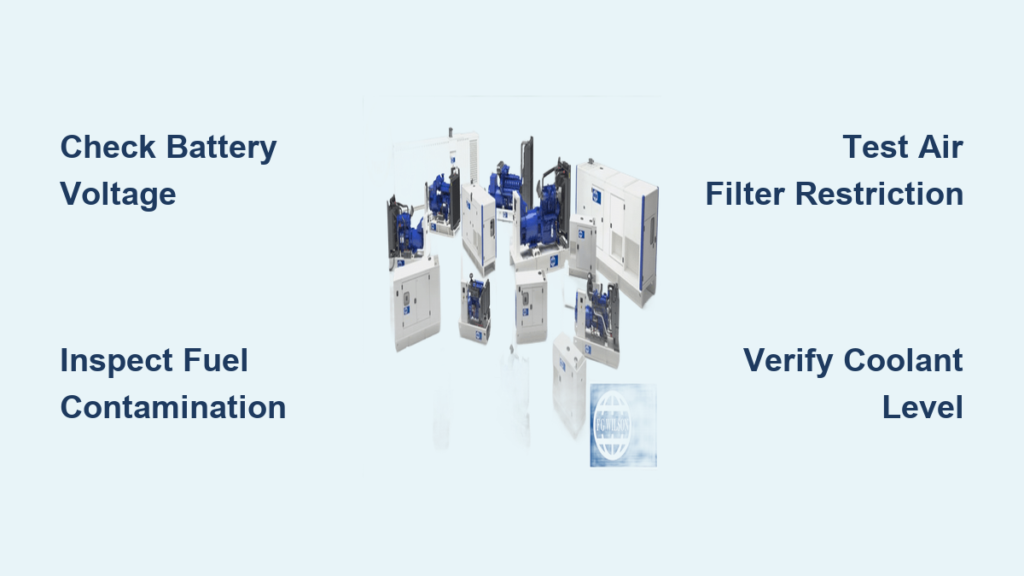
Your backup generator sputters and dies during a storm-induced blackout, leaving critical systems vulnerable. When seconds count, knowing how to diagnose and address FG Wilson generator repair issues becomes essential. These industrial-grade power solutions—trusted from mining sites to hospitals—demand precise troubleshooting to restore reliability. This guide cuts through the complexity with field-tested solutions for common failures, genuine parts selection, and authorized service pathways that minimize costly downtime.
Whether you’re maintaining a 500 kVA industrial unit in Kinshasa or a residential standby system, incorrect repairs risk catastrophic damage. We’ll show you how to distinguish simple fixes from emergencies requiring certified technicians. Discover why 60% of “critical failures” stem from overlooked battery connections or fuel contamination—and how to resolve them before calling for service. Let’s dive into the diagnostic flow that gets your power back online.
Diagnose Critical Start-Up Failures Immediately

No Crank? Check These 3 Battery Killers First
When your FG Wilson generator won’t turn over, battery issues cause 70% of failures. Verify voltage exceeds 24V for 24V systems using a multimeter—anything below 22V won’t engage the starter. Test specific gravity with a hydrometer; readings under 1.260 indicate sulfation damage. Don’t skip checking terminal connections: corrosion at grounding points mimics complex electrical faults. If the fuel shut-off solenoid fails to click during start attempts, manually energize it to confirm operation—this bypass test isolates solenoid failure from control circuit issues.
Low Power Output? Target Air and Fuel Contamination
Hunting frequency or insufficient kW delivery often traces to restricted airflow or dirty fuel. Replace air filters immediately if restriction exceeds 25 inches of water differential—clogged filters starve combustion. Inspect fuel for water contamination: separation layers in the filter bowl require immediate draining. Contaminated fuel distorts injector spray patterns, causing misfires. Always check the automatic voltage regulator (AVR) sensing connections; loose wires here trigger erratic voltage output even with healthy alternators. Never assume low power means major engine work—80% of cases resolve with filter or fuel system service.
Overheating Alarms Demand Instant Action
High coolant temperature warnings require immediate shutdown to prevent engine seizure. Confirm coolant level with the engine cold—topping off while hot risks thermal shock cracks. Verify mixture concentration: a precise 50/50 ethylene glycol/distilled water ratio prevents boil-over and corrosion. Clean radiator fins with compressed air from the engine side outward—pressure washers bend fins, reducing cooling efficiency by 40%. If thermostat operation deviates more than 5°C from specification during water bath testing, replace it immediately with genuine parts to avoid thermal runaway.
Cut Diagnostic Time with Proven Field Tests
Visual Inspection Checklist That Prevents 50% of Failures
Skip guesswork with this 2-minute daily inspection:
– Fluid leaks: Oil or coolant stains beneath the unit indicate seal failure
– Loose connections: Wiggling battery terminals or control wiring causes intermittent faults
– Coolant level: Must reach radiator neck when cold—never check when hot
– Belt tension: Drive belts should deflect 10-12mm under thumb pressure
Document findings in your maintenance log—this history reveals developing issues before alarms trigger. Unicompex Power Solutions technicians in Kinshasa resolve 60% of emergency calls using only these visual checks.
Electrical System Tests That Reveal Hidden Faults
Battery load testing under 50% rated capacity for 15 seconds exposes weak cells. Voltage must stay above 9.6V during cranking—drops below this indicate replacement is needed. Test alternator output at idle: 13.8-14.4V confirms proper charging. Below 13V points to failed diodes or regulators. Clean all grounding lugs with a wire brush—corrosion here causes phantom faults that mimic complex control board failures. Always disconnect the negative terminal first during electrical work to prevent short circuits.
Source Genuine Parts to Avoid Warranty Voidance

Filter Kits: Why Model-Specific Parts Matter
FG Wilson uses engine-specific part numbers—using incorrect filters voids warranty coverage. The P550425 oil filter kit fits only 1104D-E44TAG2 engines, while larger units require different specifications. Genuine fuel filter kits include primary/secondary filters and seals for optimal water separation. Aftermarket filters often lack the micron rating needed for Caterpillar-powered engines, accelerating injector wear. At Unicompex Power Solutions’ Kinshasa facility, 30% of warranty denials trace to non-genuine filters.
Cooling System Components: The Integrated System Rule
Never mix aftermarket radiator caps or hoses with genuine FG Wilson coolant conditioner. These components work as a calibrated system—substitutions cause premature water pump seal failure. Genuine cooling kits include matched components maintaining factory efficiency ratings. For emergency repairs in the DRC, Unicompex stocks complete kits for models up to 2,500 kVA, reducing lead times from 6 weeks to 3 days via air-freight consolidation from Europe.
Emergency Response Protocol for Critical Failures
Immediate Actions That Reduce Downtime by 50%
During a blackout, switch to backup power immediately while documenting:
– Generator serial number (found on data plate near control panel)
– Active alarm codes (e.g., “ENG OVER TEMP” or “LOW OIL PRESS”)
– Recent maintenance history (last oil change, filter replacements)
– Load requirements for critical circuits
Check fuel levels and battery connections first—these solve 60% of emergency calls. If the unit runs but won’t accept load, verify automatic transfer switch (ATS) wiring continuity. Kinshasa-based Unicompex technicians carry pre-configured test leads to simulate utility failures and confirm ATS sequencing.
Communication Checklist for Faster Technician Dispatch
Prepare these details before calling +243 81 99 35 000:
– Exact symptom: “No crank, no solenoid click” vs. “Cranking but no start”
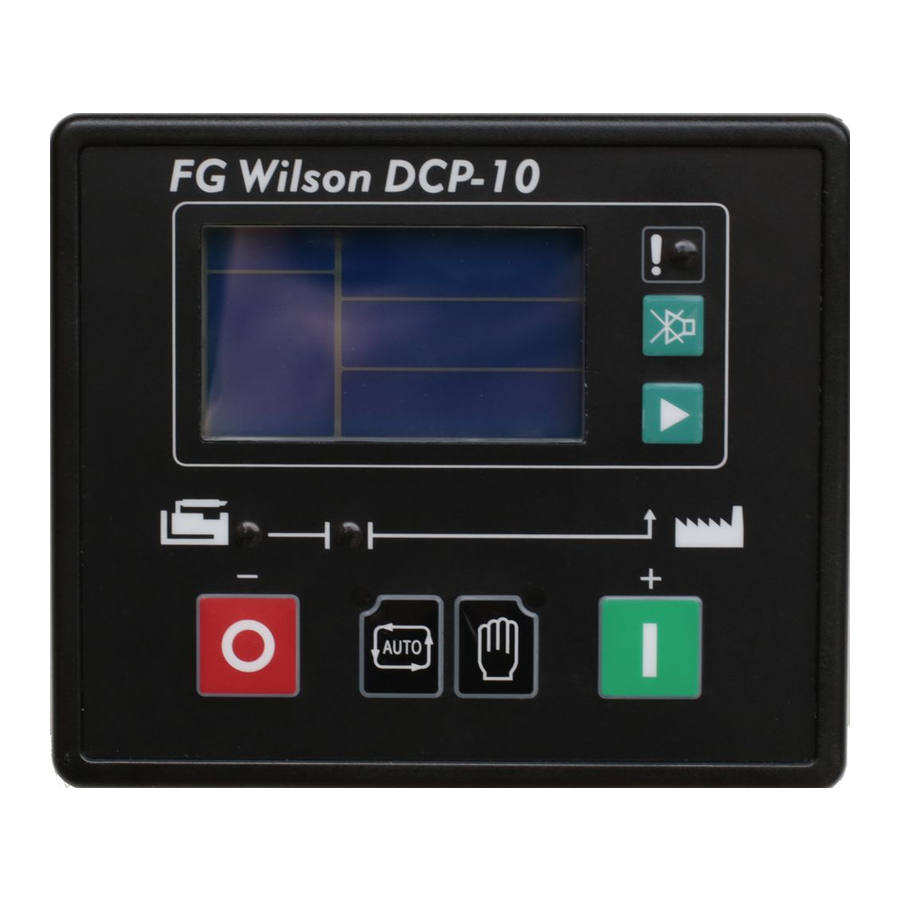
– Fault codes: Note all illuminated LEDs on the control panel
– Access requirements: Gate codes, site safety protocols, load bank availability
– Load profile: Critical kW demands and duration needed
Technicians arrive 40% faster with complete information. For mining sites in Lubumbashi, Unicompex dispatches fly-in crews with mobile load banks within 24 hours for units up to 2,500 kVA.
Prevent Costly Mistakes with Authorized Service Channels
Why DIY Repairs Risk Catastrophic Damage
Attempting electronic diagnostics without PowerWizard software risks ECU corruption. Password-protected firmware updates require dealer portal access—unauthorized attempts brick control boards. Valve lash adjustments demand model-specific torque sequences; errors cause piston-to-valve contact. Even basic maintenance like coolant replacement requires precise air-bleeding procedures unique to each engine platform. Warranty claims get denied 100% of the time when non-certified technicians perform repairs.
Global Support That Resolves Complex Issues
Email generators@fgwilson.com with your serial number and symptom video for direct factory guidance. Caterpillar (NI) Ltd technicians typically respond within 24 hours with model-specific schematics. For DRC-based operations, Unicompex Power Solutions offers:
– 24/7 emergency call-outs from Kinshasa (USD 350 first 4 hours)
– Genuine parts inventory for 500-2,500 kVA units
– Mobile service vans with load-bank testing capability
Their technicians hold FG Wilson Level 2/3 certification—mandatory for warranty repairs on electronic engine controls.
Final Note: Your FG Wilson generator powers critical operations—don’t gamble with repairs. Stick to genuine parts, follow the 250-hour maintenance schedule religiously, and leverage authorized channels like Unicompex Power Solutions for complex issues. Remember: 80% of catastrophic failures stem from skipped water separator drains or neglected coolant changes. Schedule your next service today using the FG Wilson Connect app, and keep your power mission-ready. When blackout strikes, your preparation separates minutes of downtime from hours of vulnerability.


