Your generator sits ready for the next power outage, but when was the last time you checked its battery? A dead battery means your backup power source won’t start when you need it most. Whether you’re preparing for storm season or dealing with a generator that won’t crank, proper battery charging is your first line of defense. Many homeowners discover too late that their generator won’t start during an emergency because they neglected this critical component.
This guide walks you through everything from safety essentials to advanced charging techniques, ensuring your generator starts reliably every time. You’ll learn which chargers work best, how long to charge different battery types, and warning signs that indicate replacement is needed. By following these steps for how to charge a generator battery properly, you’ll avoid the frustration of a failed power backup when severe weather strikes.
Essential Safety Gear Before Charging
Required Protective Equipment
Always wear safety goggles and acid-resistant gloves when handling generator batteries. Flooded lead-acid batteries contain sulfuric acid that can cause severe burns. Remove all jewelry and metal objects that might accidentally bridge terminals. Work in areas with at least 4 feet of clearance around the battery to prevent accidental short circuits. Never skip safety gear—battery acid can permanently damage eyes and skin within seconds.
Workspace Setup Requirements
Set up your charging station on concrete or another non-conductive surface. Keep a box of baking soda and water nearby for neutralizing acid spills—this simple solution counteracts battery acid effectively. Position a fire extinguisher rated for electrical fires within arm’s reach. Ensure your workspace has cross-ventilation—open doors and windows to prevent hydrogen gas accumulation, which creates explosion risks during charging. Avoid charging in garages with gas-powered tools or vehicles nearby.
Battery Pre-Charge Inspection
Look for cracks in the battery case, bulging sides, or white corrosion on terminals. Check electrolyte levels in flooded batteries by removing caps—fluid should cover the plates by 1/4 inch. Never add acid; use only distilled water if levels are low. Any battery showing leakage or severe terminal damage needs replacement, not charging. Pro tip: Use a wire brush to clean terminals before charging—this ensures proper electrical connection and prevents frustrating charging failures.
Choose Correct Charging Equipment

Charger Voltage and Type Selection
Match your charger’s voltage exactly to your battery—most generator batteries are 12V, but some larger units use 24V. Smart chargers with microprocessor control automatically adjust charging rates and prevent overcharging. Avoid fast chargers above 15 amps unless specifically recommended by the battery manufacturer. Your generator manual specifies the exact battery type and charging requirements—always consult it before purchasing a charger.
Charging Rate Guidelines
- Trickle chargers (1-2 amps): Perfect for maintenance during storage
- Standard chargers (5-10 amps): Ideal for regular recharging
- Fast chargers (15+ amps): Emergency use only, monitor temperature closely
Essential Testing Tools
Keep a digital multimeter handy for voltage verification. A battery load tester determines actual capacity beyond surface voltage. For flooded batteries, a hydrometer measures specific gravity in each cell. Terminal cleaning requires a wire brush and petroleum jelly for post-cleaning protection. These tools pay for themselves by preventing unnecessary battery replacements.
Step-by-Step Battery Charging Process
Initial Generator Shutdown
Turn off your generator completely and let it cool for at least 30 minutes. Disconnect any electrical loads plugged into the generator—charging with connected loads can damage both battery and charger. Locate the battery compartment, usually behind a removable panel on the side or front of the unit. Critical step: Ensure the generator’s fuel valve is in the OFF position to prevent accidental starting during maintenance.
Terminal Disconnection Sequence
Always disconnect the negative (-) terminal first using the appropriate wrench size—typically 8mm or 10mm. This prevents accidental grounding if your wrench touches the frame. Next, remove the positive (+) terminal. If the battery requires removal, lift it straight out using proper lifting techniques—batteries can weigh 30-50 pounds. Warning: Dropping a battery can crack the case and cause dangerous acid leaks.
Charger Connection Method
Set your charger to the correct voltage before making connections. Connect the positive (red) charger clamp to the positive battery terminal first, then the negative (black) clamp to the negative terminal. Double-check polarity—reversed connections can cause explosions or permanent battery damage. Modern smart chargers often have reverse polarity indicators that prevent dangerous connections.
Charging Duration and Monitoring
Plug in the charger and observe the initial current draw. A healthy battery will draw high current initially, then taper off as it approaches full charge. Feel the battery case periodically—warm is normal, hot indicates problems. Typical charging takes 4-12 hours depending on charger output and battery condition. Don’t rush the process—fast charging may save time but significantly reduces battery lifespan.
Built-in Charging System Check
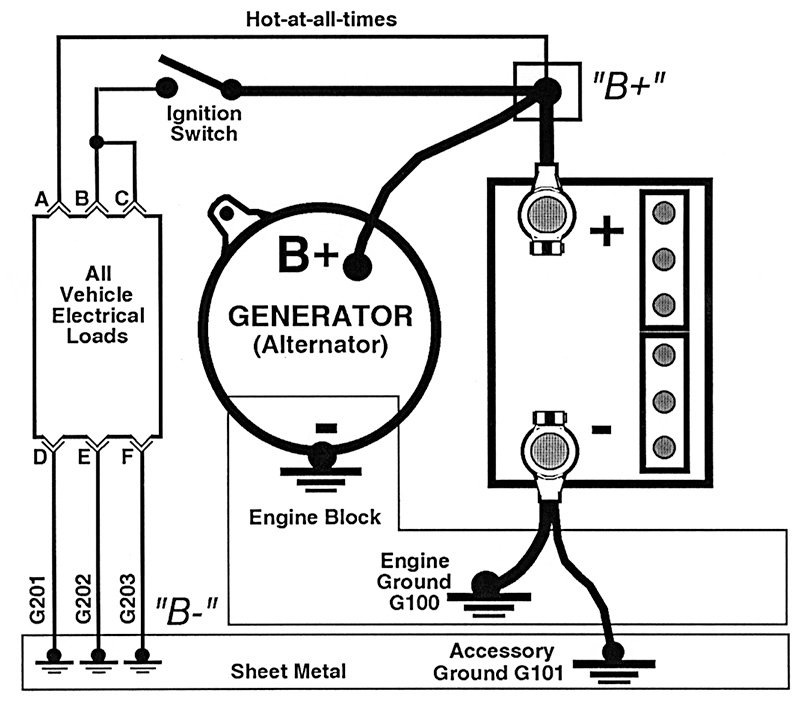
Float Charger Operation
Many generators include float chargers that maintain 13.2-13.8 volts continuously. These activate automatically when the generator isn’t running and utility power is available. Check your float charger’s indicator light—solid green usually means proper operation, while flashing indicates charging issues. If your generator has been sitting for months, this system might have failed without your knowledge.
Alternator Charging While Running
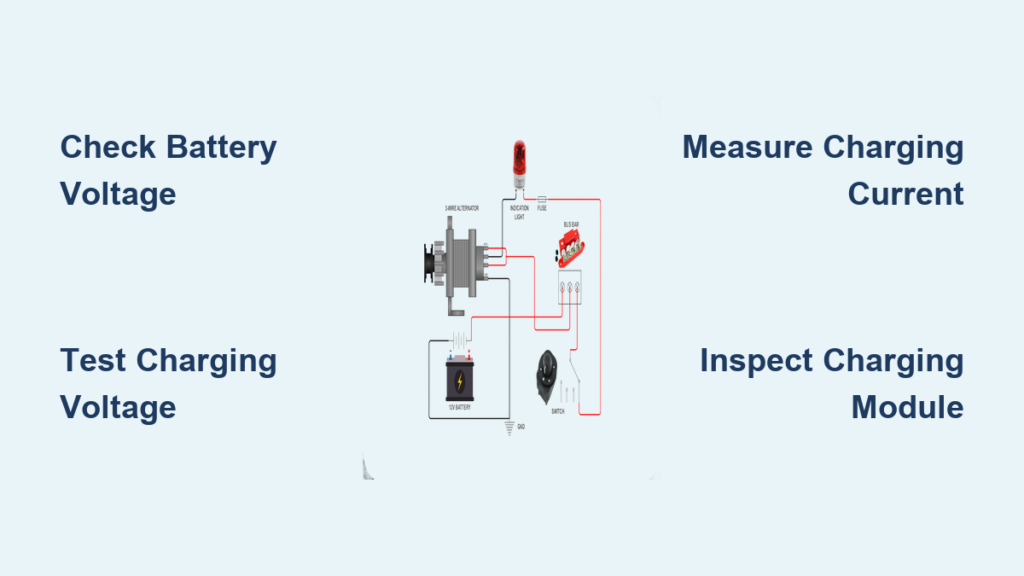
When your generator operates, its alternator charges the battery at 13.8-14.4 volts. This system works like your car’s charging system. If your battery consistently dies despite regular generator use, the alternator or voltage regulator may need service. Test this by measuring battery voltage while the generator runs—it should read 13.8 volts or higher. If not, professional diagnosis is needed.
Smart Controller Features
Advanced generators feature microprocessor-controlled charging that adjusts for temperature and battery condition. These systems prevent overcharging while maximizing battery life. Consult your generator manual for specific indicator light meanings—some systems flash codes to indicate charging system health. Understanding these signals helps you catch problems before they leave you without backup power.
Troubleshoot Charging Problems Fast

No Charging Response
If your charger shows no output, first test it on a known good battery. Check all connections for tightness and corrosion. A battery reading below 10.5 volts often indicates severe discharge or cell failure. Clean terminals with a wire brush and baking soda solution, then retry charging. Quick fix: Sometimes just tightening loose connections solves the problem—always check this first.
Slow Cranking After Charging
This indicates insufficient charging or diminished battery capacity. Verify your charger output with a multimeter—should read 13.8-14.4 volts for 12V batteries. Test battery capacity using a load tester—healthy batteries maintain above 9.6 volts under 50% load for 15 seconds. If your battery fails this test, replacement is likely necessary regardless of voltage readings.
Overcharging Warning Signs
Excessive electrolyte loss, battery heating, or case swelling indicate overcharging. Immediately disconnect the charger and verify voltage settings. Replace any charger that fails to reduce voltage as the battery approaches full charge. Overcharged batteries often require replacement due to internal damage—don’t risk using them as they can fail unexpectedly.
Maintain Battery During Storage
Monthly Charge Checks
Batteries self-discharge at 3-5% monthly, even when disconnected. Check voltage every 30 days during storage—recharge immediately when it drops below 12.4 volts for 12V batteries. Use a battery tender or 1-2 amp trickle charger for maintenance during extended storage periods. Critical tip: Never store a generator with a dead battery—this causes permanent sulfation damage.
Seasonal Preparation Steps
Before winter storage, fully charge the battery and disconnect the negative terminal. This prevents parasitic drain from electronic components. Store batteries in cool, dry locations—extreme cold slows chemical reactions but won’t damage charged batteries. Avoid storing directly on concrete floors, which can accelerate discharge. A charged battery stored properly can last 6-12 months without maintenance charging.
Terminal Protection Routine
Clean terminals quarterly using a wire brush and apply petroleum jelly to prevent corrosion. Inspect cable ends for green or white buildup—this indicates acid creep that can travel into cables. Replace cables showing corrosion extending more than 1 inch from the terminal. Pro tip: Coating terminals with dielectric grease creates a superior barrier against corrosion compared to petroleum jelly.
Emergency Charging Solutions
Jumper Cable Method
Connect positive to positive, negative to negative using heavy-duty jumper cables. Run the donor vehicle at idle for 5-10 minutes before attempting to start your generator. Never rev the engine—this can damage both vehicles’ electrical systems. Disconnect cables immediately after successful starting. Important: This is only a temporary solution—follow up with proper charging to restore full battery capacity.
Portable Jump Starter Use
Modern lithium jump starters work well for generator batteries. Ensure the jump starter capacity exceeds your generator’s starting requirements—most need 400-600 cold cranking amps. Follow the connection sequence exactly: positive to battery, negative to engine ground, not the battery terminal. These compact devices provide emergency power without requiring another vehicle.
Proper generator battery charging isn’t complicated, but it requires attention to detail and consistent maintenance. By following these procedures for how to charge a generator battery correctly, you’ll ensure reliable starting power when outages strike. Remember that prevention beats reaction—implement monthly maintenance charging to avoid emergency situations entirely. Your generator will thank you with years of dependable service when you need it most.