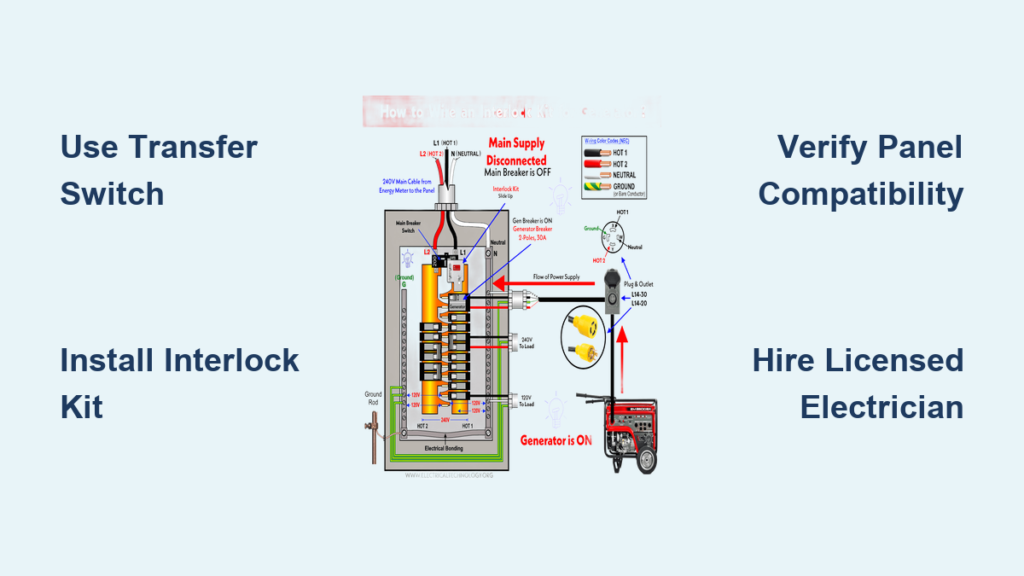
When power outages threaten your home’s comfort and safety, connecting a generator to your breaker box seems like a logical solution. But attempting this critical electrical task without verified information puts your family, utility workers, and property at serious risk. This guide addresses what you need to know about generator-to-breaker-box connections while acknowledging the dangerous gaps in available information.
Electrical work involving generator connections requires precise technical knowledge that cannot be improvised. The difference between a safe installation and one that could electrocute utility workers during restoration efforts comes down to proper wiring techniques and code compliance. Unfortunately, verified technical information for this specific task is critically limited in authoritative sources.
Why Verified Information Matters for Generator Connections
The Deadly Risk of Backfeeding
Backfeeding occurs when generator power flows back through utility lines, creating lethal voltage on supposedly “dead” power lines. This hazard has tragically killed utility workers during storm restoration efforts. Proper installation with either a transfer switch or interlock kit physically prevents this dangerous condition by ensuring your generator cannot connect to the grid while utility power is active.
Without access to current National Electrical Code (NEC) specifications and manufacturer guidelines, determining the exact wiring methods that prevent backfeeding becomes impossible. The NEC Articles 700-702 specifically address emergency and standby power systems, but without verified access to these standards, safe installation procedures cannot be accurately described.
Critical Safety Equipment You Must Have
Any generator-to-breaker-box connection requires specialized safety equipment, but without current technical specifications, precise recommendations cannot be made. At minimum, your installation should include:
- A certified transfer switch or interlock kit designed for your specific electrical panel
- Properly rated wiring that meets local electrical codes
- Grounding equipment verified for your soil conditions
- Safety testing equipment to confirm circuits are de-energized
Important warning: Never attempt to connect a generator using improvised methods like “suicide cords” that plug into dryer outlets. These create immediate backfeed risks that endanger lives and violate electrical codes.
Understanding Your Connection Options
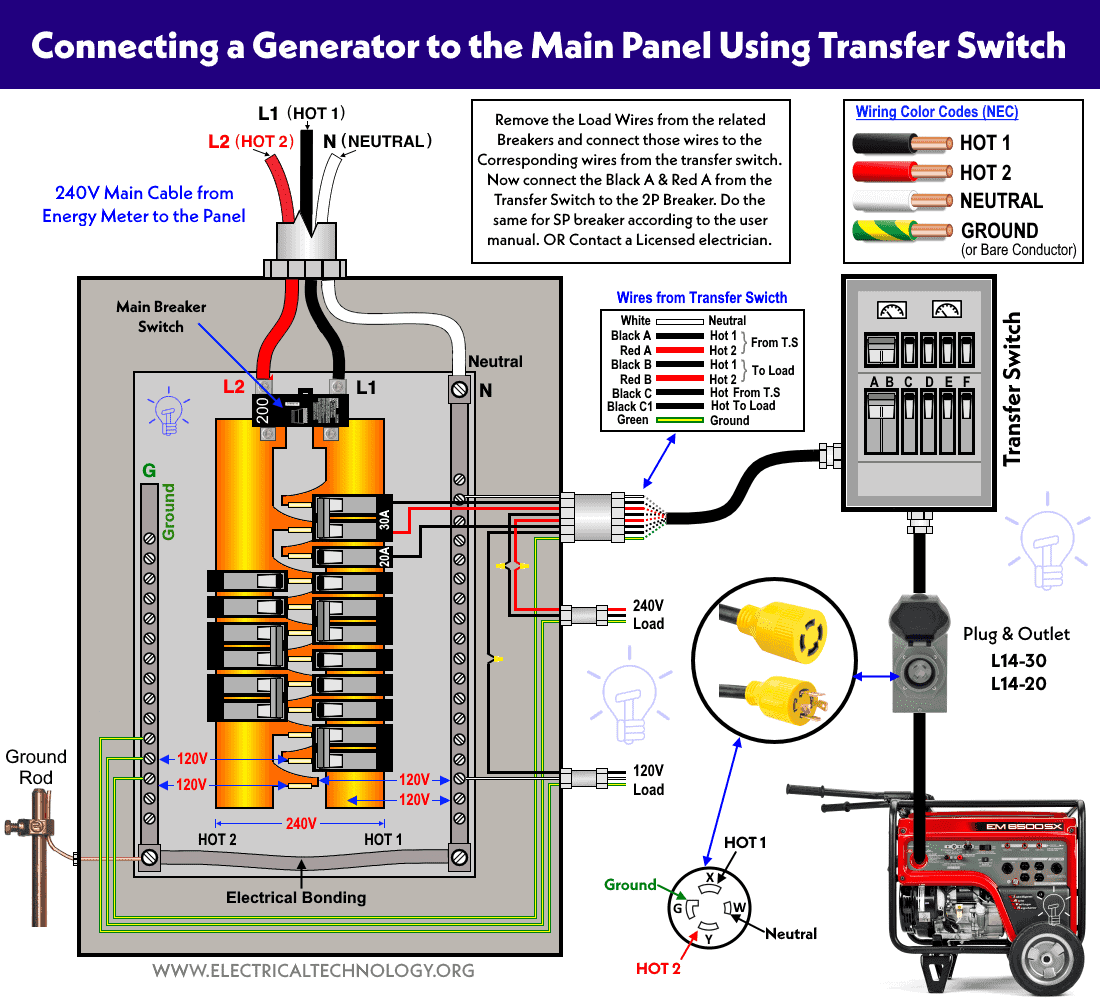
Transfer Switch Requirements
Transfer switches safely isolate your home from utility power before connecting generator power. However, without access to current NEC requirements and manufacturer specifications, determining the correct:
- Switch amperage rating for your specific generator
- Proper installation location relative to your main panel
- Required wiring gauge and circuit configuration
- Grounding electrode specifications
…becomes impossible. Each electrical panel manufacturer has specific compatibility requirements that must be verified before installation.
Interlock Kit Limitations
Interlock kits provide a mechanical solution that prevents your main breaker and generator breaker from operating simultaneously. But without verified panel-specific documentation:
- You cannot determine if your electrical panel supports an interlock kit
- You risk purchasing incompatible equipment that creates false security
- You might violate clearance requirements inside your panel
- You could inadvertently create an unsafe installation that appears functional
Most electrical authorities require that interlock kits be listed for your specific panel brand and model—a detail that cannot be verified without current manufacturer documentation.
The Permit and Inspection Process
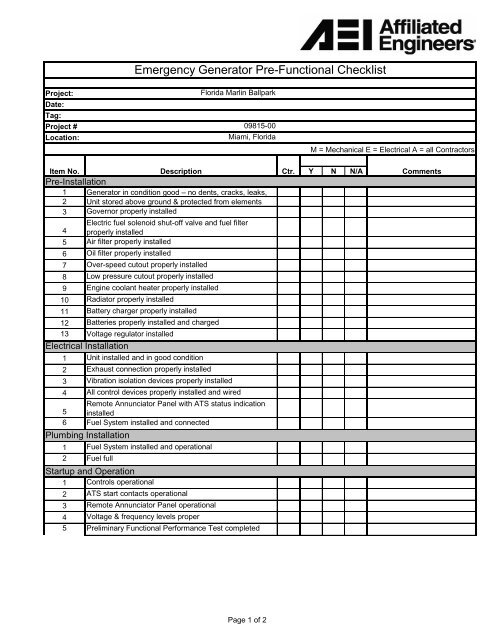
Why Professional Verification Is Essential
Local building departments almost universally require permits and inspections for generator connections to breaker boxes. Without verified information about:
- Current permit application requirements
- Inspection checklist items
- Local code amendments to NEC standards
- Utility company notification procedures
…you risk creating an installation that passes initial testing but fails during official inspection, leaving you without backup power when you need it most.
Electrical inspectors look for specific details that only appear in current code documentation, including proper labeling of generator circuits, required working space clearances around equipment, and correct bonding of neutral and ground systems.
What You Should Do Instead of DIY Installation
Consult Licensed Professionals
Given the life-threatening risks and technical complexity involved, connecting a generator to your breaker box should be performed by a licensed electrician who:
- Has current knowledge of NEC requirements
- Understands your specific panel manufacturer’s specifications
- Carries proper insurance for electrical work
- Can obtain necessary permits and schedule inspections
A professional electrician has access to the most current technical documentation and can verify compatibility between your generator, electrical panel, and local requirements—information that simply isn’t reliably available through unofficial channels.
Manufacturer Resources
Contact both your generator manufacturer and electrical panel manufacturer for:
- Approved installation guides specific to your equipment
- Lists of compatible transfer switches or interlock kits
- Requirements for warranty validation
- Recommended certified installers in your area
Manufacturers maintain the most current technical specifications for their products, including critical safety information that changes as standards evolve.
Essential Safety Checks Before Any Installation
Verify Your Electrical Panel Compatibility
Before purchasing any equipment, confirm:
- Your panel manufacturer and model number (usually on a label inside the panel door)
- Available space for additional breakers
- Whether your panel accepts third-party interlock kits
- Any special requirements for generator connections
Many panel manufacturers void warranties if non-approved equipment is installed—a detail only verifiable through official channels.
Generator Safety Requirements
Your generator must include:
- Ground fault circuit interrupter (GFCI) protection for all outdoor connections
- Proper grounding according to soil conditions
- Adequate clearance around the unit for ventilation
- Safe fuel storage practices away from living spaces
Without current manufacturer specifications, you cannot verify if your generator meets these essential safety requirements.
Critical Warning Signs to Never Ignore

If you attempt any electrical work involving generator connections, immediately stop and consult a professional if you encounter:
- Aluminum wiring in your electrical system (requires special handling)
- Signs of previous overheating (discoloration, melting)
- A panel that feels warm during normal operation
- Any buzzing, arcing, or burning smells
- Ground wires connected to neutral terminals
These conditions indicate potentially dangerous situations that require expert assessment.
Final Safety Considerations
Generator connections to breaker boxes represent one of the most dangerous DIY electrical projects homeowners attempt. The stakes include:
- Risk of electrocution to utility workers restoring power
- Potential for house fires from improper connections
- Voided homeowner’s insurance coverage for electrical damage
- Legal liability if improper installation causes injury
Without access to current, verified technical information from authoritative sources like the NEC, manufacturer installation manuals, and local electrical codes, no safe installation procedure can be accurately described. Electrical standards evolve regularly, and what was acceptable five years ago may now violate current safety requirements.
When power outages threaten your home, the safest approach is to consult a licensed electrician who has access to current technical specifications and can ensure your backup power solution meets all safety requirements. Your family’s safety and the lives of utility workers depend on proper installation—never gamble with unverified information when it comes to generator connections.