Your refrigerator stops humming, lights flicker, and your home goes dark. Without knowing exactly how to figure out watts for generator sizing, you risk buying equipment that either shuts down during critical moments or wastes hundreds on unnecessary capacity. Most homeowners overspend by 30-50% on generators simply because they don’t understand the difference between running and starting watts—the critical factor that determines whether your backup power works when you need it most.
This guide delivers three precise methods to calculate your exact wattage requirements, complete with a detailed appliance database and real-world examples. You’ll learn how to avoid the #1 sizing mistake that causes generator shutdowns during power outages, plus discover how altitude and temperature adjustments can make or break your backup system’s reliability.
Why Running Watts vs Starting Watts Determines Generator Success

Confusing running watts with starting watts causes 80% of generator sizing failures. When your refrigerator compressor kicks on, it demands a 2-6x power surge for 2-3 seconds—far exceeding its normal operating wattage. A generator sized only for running watts will instantly shut down when these surges occur.
Running watts represent continuous power needs for appliances already operating (like your refrigerator maintaining temperature). Starting watts are the temporary surge required when motors first engage (like when your AC unit kicks on). Ignoring this distinction leads to two expensive outcomes:
- Undersized generator: Automatic shutdown during motor startups, potential damage to both generator and appliances
- Oversized generator: Wasted fuel, inefficient operation, and potential damage to sensitive electronics
Critical Motor Surge Multipliers You Must Know
| Appliance Type | Starting Watts Multiplier | Real-World Example |
|---|---|---|
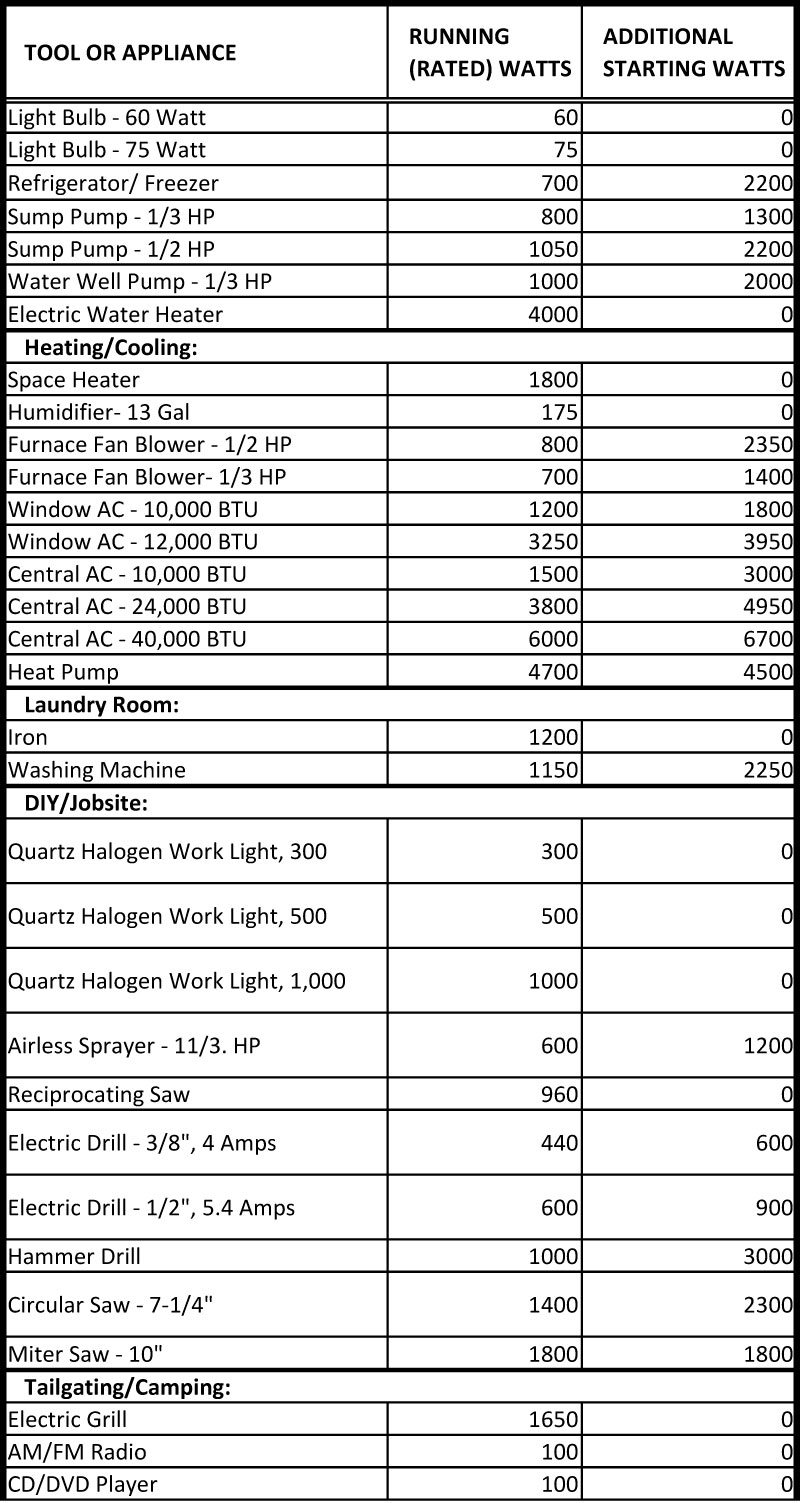
| Refrigerators | 3-4x running watts | 700W fridge needs 2,200W surge |
| Air Conditioners | 3x running watts | 1,500W AC needs 4,500W surge |
| Well Pumps | 2-3x running watts | 1,000W pump needs 2,200W surge |
| Furnace Blowers | 3-4x running watts | 800W fan needs 2,350W surge |
Pro Tip: Always size your generator based on the largest starting watt requirement in your load list, not just the sum of running watts.
Three Field-Tested Methods to Calculate Your Exact Wattage Needs
Direct Measurement Method: The Electrician’s Precision Approach
This technique gives you real-time, accurate readings of your actual power consumption—no guessing required.
What You’ll Need:
– Clamp-on ammeter ($20-$50)
– Calculator
– 15 minutes of your time
Step-by-Step Process:
1. Turn on all essential appliances you’d use during an outage
2. Measure amperage on each circuit breaker wire with your clamp meter
3. Sum all amp readings for total electrical load
4. Calculate watts: Total Amps × 120V = Total Watts (for standard circuits)
5. Convert to generator size: (Total Watts ÷ 1,000) × 1.25 = Required kW
Critical Checkpoint: For 240V appliances like electric dryers, measure each hot wire separately—your reading represents half the total amperage.
Difficulty Level: Moderate (15-20 minutes) • Accuracy: High
Utility Bill Analysis: The Historical Data Shortcut
Your electric company already tracks your peak usage—leverage this free data for accurate sizing.
How to Execute:
1. Download 12 months of utility bills (look for “kW demand” section)
2. Identify your highest peak demand across the year
3. Add 25% safety margin: Highest Peak × 1.25 = Required Generator Size
Example: If your highest monthly peak was 8.5kW, you’d need an 8.5 × 1.25 = 10.6kW generator.
Common Mistake: Using average daily usage instead of peak demand—this undersizes your generator by 30-50%.
Difficulty Level: Easy (5 minutes) • Accuracy: Medium-High
Appliance-by-Appliance Calculation: The Essential Load Method
Most precise approach for planned backup scenarios where you control which circuits receive power.
Calculation Formula: Total Required Watts = Total Running Watts + Largest Starting Watts
Implementation Steps:
1. List all essential appliances with their running and starting watts
2. Sum running watts for simultaneous operation
3. Identify the largest starting watt requirement
4. Add 25% safety margin to the total
Pro Tip: Never add all starting watts together—only the single largest motor’s starting wattage needs inclusion since motors start sequentially.
Difficulty Level: Moderate (20-30 minutes) • Accuracy: Highest
Critical Generator Wattage Reference for Common Appliances
Home Emergency Essentials
| Appliance | Running Watts | Starting Watts | Must-Know Tip |
|---|---|---|---|
| Refrigerator (standard) | 700W | 2,200W | Energy Star models use 40-50% less running watts |
| Furnace Fan (½ HP) | 800W | 2,350W | Gas furnaces still need power for blower |
| Sump Pump (½ HP) | 1,050W | 4,100W | Critical for basement protection |
| Well Pump (⅓ HP) | 1,000W | 2,200W | Add 20% extra capacity if pump cycles frequently |
Kitchen Power Requirements
| Appliance | Running Watts | Starting Watts | Strategic Insight |
|---|---|---|---|
| Microwave (1000W) | 1,000W | 1,400W | Higher wattage models draw proportionally more |
| Coffee Maker | 1,000W | 0W | No surge requirement—ideal first appliance to start |
| Dishwasher | 1,500W | 1,500W | Heating element creates constant high draw |
Environmental Adjustments That Make or Break Performance
Altitude Compensation Formula
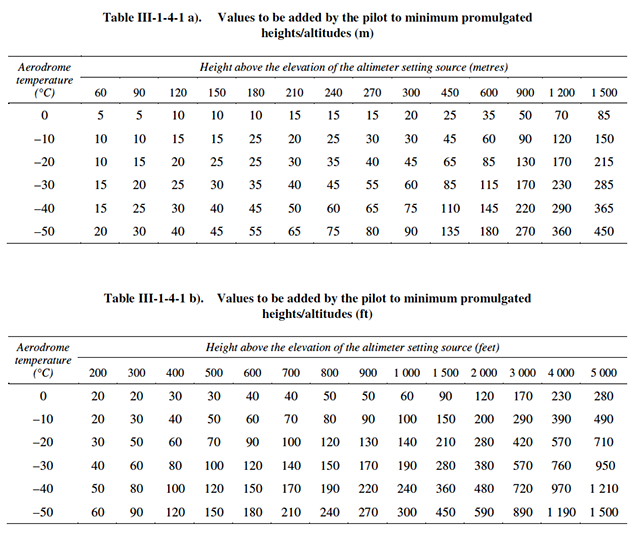
Generators lose 3% power for every 1,000 feet above sea level—failure to adjust causes overload at elevation.
Required Adjustment:
– 3,000 feet: Size × 1.1 (add 10% capacity)
– 5,000 feet: Size × 1.18 (add 18% capacity)
– 8,000 feet: Size × 1.32 (add 32% capacity)
Field Example: A 5,000W generator needed at sea level requires 5,900W capacity at 5,000 feet elevation.
Temperature Impact on Generator Performance
- Cold weather (below 32°F): Electric start systems may fail—always have manual pull-start backup
- Hot weather (above 90°F): Add 10% capacity for sustained cooling loads
- Humidity: High moisture environments reduce generator efficiency by 5-8%
Load Management Strategy to Reduce Generator Size by 30%
Staggered Starting Sequence Protocol
Reduce peak demand by starting large motors one at a time:
- Start largest motor first (AC unit or well pump)
- Wait 30 seconds for motor to stabilize
- Add next largest load
- Continue sequence until all essentials running
Real-World Benefit: This technique allowed one homeowner to use a 5,500W generator instead of the 7,500W model initially calculated—saving $400.
Circuit Prioritization System
Tier 1 (Critical): Refrigerator, furnace, sump pump, security (non-negotiable)
Tier 2 (Comfort): Lighting, electronics, microwave (rotational use)
Tier 3 (Convenience): Washer, dryer, dishwasher (avoid during outages)
Pro Tip: Install a transfer switch with load shedding to automate this prioritization during outages.
Generator Size Quick Reference by Application
| Application | Minimum Wattage | Ideal Wattage | Critical Consideration |
|---|---|---|---|
| Essential Home Backup | 3,500W | 5,000-7,500W | Must include largest motor starting wattage |
| Full Comfort Home | 7,500W | 10,000-12,000W | Add 15% extra for simultaneous cooking/cooling |
| Large RV (Dual A/C) | 6,500W | 8,500W | RV A/C units require 3x running watts for startup |
| Construction Worksite | 4,000W | 8,000-12,000W | Air compressors need 3-5x running watts for startup |
Final Verification Checklist Before Purchase
Before spending hundreds on a generator, confirm these critical factors:
- [ ] Measured actual loads using one of three methods (not guessed)
- [ ] Added 25% safety margin to calculated needs
- [ ] Accounted for starting watts of largest motor (not all motors)
- [ ] Adjusted for altitude if over 3,000 feet elevation
- [ ] Planned load management strategy for motor startups
- [ ] Sized within category limits (portable max 17,500W)
Critical Warning: If your calculated needs exceed 17,500W, you require a standby generator installation—not a portable unit.
When you know exactly how to figure out watts for generator sizing, you transform from guessing at hardware store displays to confidently selecting equipment that delivers reliable power exactly when you need it. Properly sized generators provide peace of mind during outages while saving you hundreds in unnecessary capacity and fuel costs—making the 30 minutes spent calculating wattage requirements one of the most valuable investments in your home’s resilience.