Your peaceful morning coffee is shattered by a neighbor’s generator roaring to life just 30 feet away. That relentless 90-decibel drone drowns out birdsong and conversation, turning your wilderness retreat into a construction zone. Learning how to quiet a generator isn’t just about courtesy—it’s essential for preserving your hearing, avoiding campground fines, and actually enjoying the outdoors. The good news? You can slash noise levels by 15-20 decibels using methods costing $0 to $50. This guide reveals field-tested strategies from strategic placement tricks to DIY sound deflectors—all verified to work without risking carbon monoxide poisoning or voiding warranties.
Generator Noise Levels Decoded: Why Specs Lie

Portable generators typically advertise 80-95 decibel output, but manufacturers measure this at 23 feet—a distance rarely possible at crowded campgrounds. At your actual 10-foot operating distance, that “quiet” 72 dB model hits 85+ dB—comparable to a lawnmower. More critically, the CDC warns that 95 dB exposure causes hearing damage after just 50 minutes. Yet specs never mention how concrete surfaces can amplify noise by 10+ dB through vibration resonance.
Why Your Generator Sounds Louder Than Advertised
Three preventable factors turn your generator into a noise nuisance: hard surface reflection, poor exhaust direction, and deferred maintenance. Place the same unit on grass versus concrete, and noise drops 8-10 dB instantly. Position exhaust toward sleeping tents? That directional blast adds 5+ dB to perceived volume. And a clogged air filter forces the engine to work 20% harder, creating mechanical whine that echoes for miles.
Health Risks Beyond Annoyed Neighbors
Ignoring generator noise has real consequences. Prolonged 80+ dB exposure triggers cortisol spikes that disrupt sleep cycles—critical when you need rest for hiking. Children’s developing ears suffer damage at lower thresholds, while pets experience stress-induced vomiting or escape attempts. At 90 dB, your ability to hear approaching wildlife or emergency alerts diminishes significantly. Quiet operation isn’t optional; it’s safety-critical.
Strategic Placement Tactics That Cost Nothing
Maximize Distance Without Power Loss
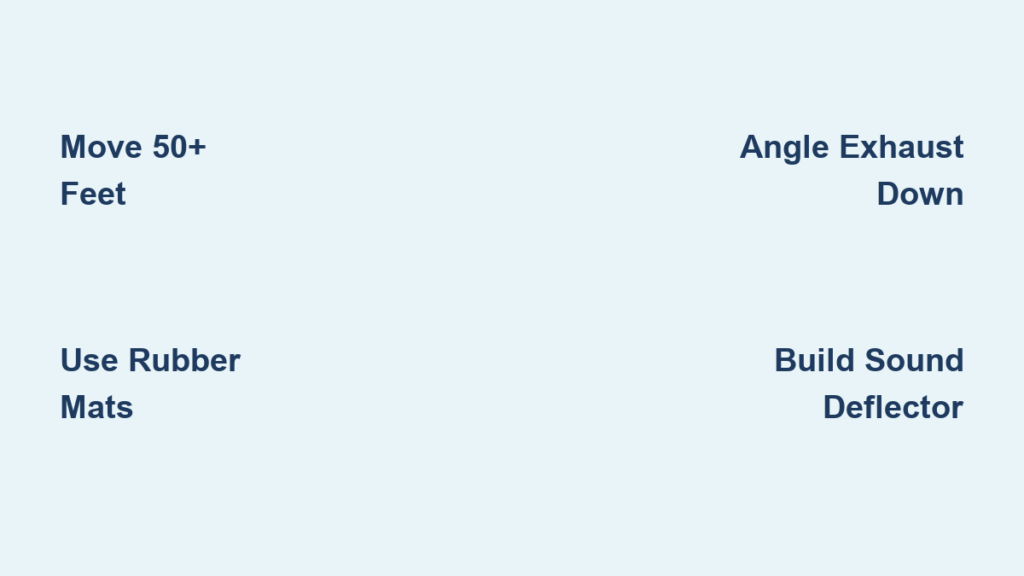
Every doubling of distance cuts perceived noise by 6 dB. Position your generator 50-100 feet away using 10- or 12-gauge extension cords (100-foot max for 12-gauge). Calculate cord needs before arrival:
– 1,500W load = 12-gauge cord (100 ft max)
– 2,500W+ load = 10-gauge cord (100 ft max)
– Pro Tip: Test your cord setup at home first—voltage drop beyond 100 ft can damage sensitive electronics.
Surface Selection Secrets That Cut 10 dB
Best surfaces for natural dampening:
– Grass (freshly mowed > 2″ height absorbs vibrations best)
– Packed dirt (loose soil reduces resonance by 7 dB)
– Sand (ideal for beach camping—damp sand works 30% better)
Worst surfaces to avoid:
– Concrete patios (creates 15 dB echo chamber effect)
– Wooden decks (transmits vibrations through structural framing)
– Asphalt parking (reflects sound waves upward toward tents)
When stuck on hard surfaces, deploy 3/4″ rubber stall mats ($25 at farm stores). Cut to size with utility knives and place under all four feet—this simple fix reduces transmitted vibration by 60%.
Exhaust Direction Strategy for Immediate Relief
Position the exhaust pipe pointing away from all occupied zones and adjacent campsites. For RVs, angle exhaust downward at 45° away from roof vents—never upward where wind could push fumes into living areas. Install a 90° exhaust extension ($18 online) to redirect sound waves downward into the ground, cutting perceived noise by 4-6 dB. Critical: Maintain 3+ feet clearance from all structures to prevent heat buildup.
DIY Noise Reduction Modifications Under $50
Muffler Health Check: Stop Sudden Noise Spikes
Inspect your muffler quarterly for these noise amplifiers:
– Rust holes (look for black soot trails on the casing)
– Loose mounting bolts (causes 10+ dB rattling)
– Cracked gaskets (creates high-pitched exhaust whistle)
Pro Tip: Aftermarket mufflers like Mr. Gasket Quiet-Flow reduce noise 5-8 dB. Verify compatibility with your generator’s exhaust diameter (typically 1.5″-2″) before buying. Never drill holes in existing mufflers—this creates dangerous high-frequency harmonics.
Build a Campsite Sound Deflector in 25 Minutes
Create an effective barrier using two 2’x4′ plywood sheets and two door hinges:
1. Connect panels with hinges to form an L-shape
2. Position 2-3 feet from generator’s loudest side (usually exhaust)
3. Angle panels to direct sound toward open ground
4. Maintain 12+ inches clearance on all sides for airflow
Critical safety note: Never enclose the generator—carbon monoxide kills in under 5 minutes in confined spaces. Test deflector stability in wind; collapse could block exhaust flow.
Weatherproofing Bonus for Rainy Nights
Add corrugated plastic roofing ($12) to your deflector, maintaining 24+ inches above the generator for heat dissipation. This blocks light rain while redirecting sound downward—doubling as a noise shield during storms when quiet matters most.
Choosing Inherently Quiet Generators Before You Buy
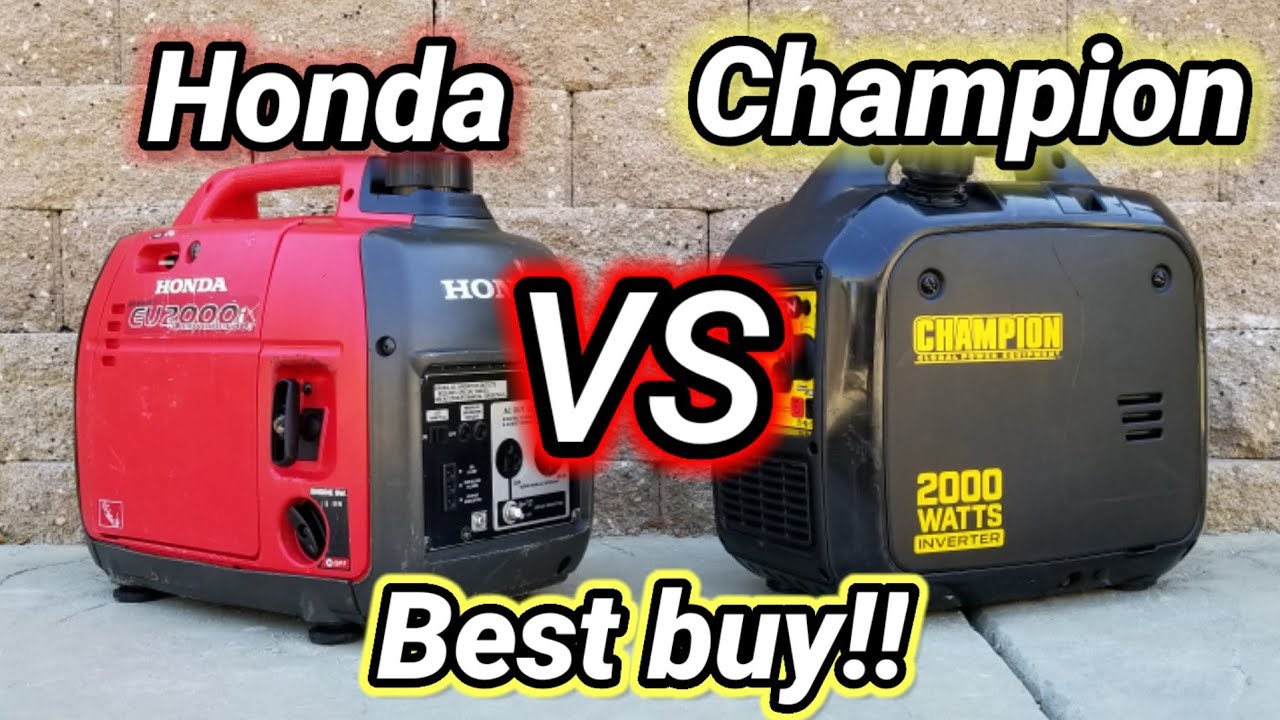
Inverter vs Conventional: The 15 dB Difference
Inverter generators (like Honda EU2200i or Champion 2000W) operate 10-20 dB quieter than conventional models through:
– Variable engine speed (idles down when loads are light)
– Fully enclosed designs with acoustic foam lining
– Rubber-mounted engines that absorb 90% of vibrations
While costing 20-30% more upfront, inverters pay off through extended engine life (less vibration stress) and universal campground acceptance.
Top 4 Quiet Generator Features to Demand
When shopping, prioritize these noise-killing specs:
1. Rubber isolation mounts (prevents frame vibration)
2. Oversized mufflers (look for “resonator” or “chambered” designs)
3. Idle control (reduces RPM below 2,000 when possible)
4. Enclosed design (open-frame units are 8+ dB louder)
Red Flag: Avoid generators advertising “ultra-quiet” without specific dB ratings at 7 meters.
Step-by-Step Quiet Setup Checklist
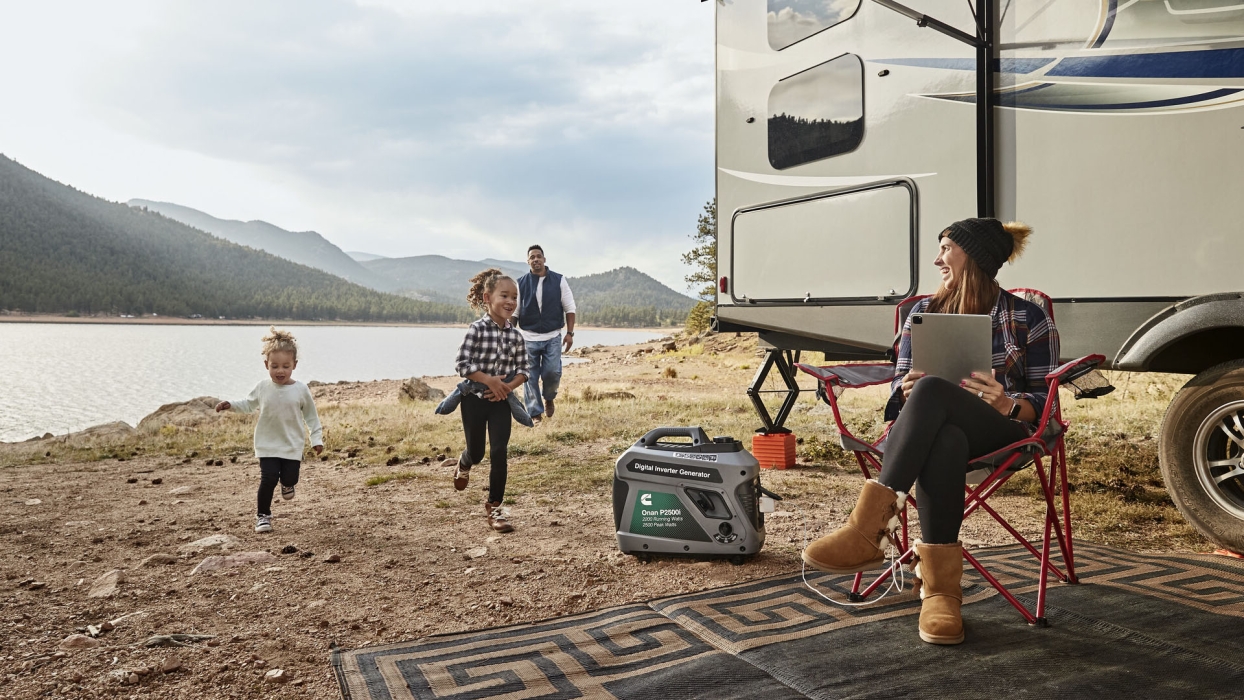
Pre-Arrival Preparation
- Measure your campsite’s maximum generator distance (50+ ft ideal)
- Pack 100-foot 10-gauge cord for heavy loads (AC units, microwaves)
- Include 2x anti-vibration mats regardless of expected surface
- Check campground rules: Many ban generators after 8 PM
5-Minute Campsite Setup Sequence
- Survey first: Walk perimeter identifying soft soil/grass zones 50+ ft from tents
- Deploy mats immediately: Even on grass, mats prevent settling-induced vibration
- Position for exhaust flow: Face exhaust toward natural barriers (hills, dense trees)
- Test at daylight: Run generator while walking to sleeping area—adjust until conversation is possible
- Final check: Verify no exhaust fumes reach tents when wind shifts
Monthly Maintenance for Consistent Quiet Operation
- Tighten all mounting bolts (vibration loosens them weekly)
- Clean air filters with compressed air (clogged filters increase noise 5+ dB)
- Inspect muffler gaskets for carbon leaks (black residue = replacement needed)
Emergency Noise Fixes When Unprepared
When caught without gear, these field-expedient solutions work:
– Vehicle barrier: Park your truck between generator and campsite (adds 8-10 dB shielding)
– Trench positioning: Dig 12″ deep x 24″ wide trench to lower generator below grade
– Temporary dampening: Layer sleeping bags around (never on) generator feet—never cover exhaust
Critical Warning: Never operate generators inside tents, vehicles, or under canopies—even with “open” sides. Carbon monoxide poisoning causes 85% of generator-related deaths.
Troubleshooting Sudden Noise Increases
Immediate Checks for 10+ dB Spikes
- Exhaust manifold bolts: Tighten to 15-20 ft-lbs (loose bolts rattle loudly)
- Cooling fan debris: Remove pine needles/leaves (causes high-pitched whine)
- Oil level: Top up immediately if low (causes metallic knocking)
Gradual Noise Buildup Solutions
- Valve adjustment: Required every 100 hours (creates rhythmic ticking)
- Carbon cleaning: Use Sea Foam in fuel tank (reduces combustion “ping”)
- Mount replacement: Worn rubber mounts transmit engine vibration
Mastering how to quiet a generator transforms outdoor experiences fundamentally. Start tonight with free placement tactics—move your unit 50 feet onto grass and angle exhaust downward. Tomorrow, add $25 rubber mats for instant vibration control. Within a week, build a plywood deflector that cuts noise by 15 dB. Your neighbors’ grateful smiles, your undamaged hearing, and the return of birdsong will prove it’s worth every minute. Remember: the quietest generator isn’t the most expensive model—it’s the one positioned and maintained with noise reduction as the priority. Pack your anti-vibration mats first on the next trip, and campsite harmony will follow.