Your generator sits idle for months, only to fail catastrophically when a storm knocks out power. That gut-wrenching “click-click-click” instead of a roar? It’s almost always preventable. How to store a generator properly separates reliable backup power from costly repairs—and potentially dangerous hazards. Most failures stem from one critical mistake: leaving fuel in the system. Skip this 30-minute prep ritual, and you’ll face clogged carburetors, seized engines, or worse. This guide reveals exactly what manufacturers don’t emphasize: the 2-week fuel deadline, lethal storage traps, and the single step that guarantees startup success when you need it most.
Garage vs. Shed: Best Generator Storage Spots (and Deadly Mistakes)
Your storage location makes or breaks generator reliability. While garages seem ideal, improper placement turns them into hazard zones. Store your generator in a detached garage section with cross-ventilation—never near water heaters or furnaces where fumes could ignite. If using a shed, position it on a raised wooden pallet to prevent ground moisture absorption and ensure vents stay unobstructed year-round. Avoid metal sheds in humid climates; they “sweat” internally, accelerating corrosion on electrical components.
Why Basements and Living Areas Are Suicide Zones
Never store generators in basements, spare rooms, or attached utility spaces—even with “empty” tanks. Trace fuel vapors seep from residual deposits, contaminating your home’s air with carcinogens like benzene. Carbon monoxide risks persist long after shutdown, as fumes migrate through HVAC ducts. One technician reported a family hospitalized after storing a generator in their laundry room; the odorless gas traveled through dryer vents overnight. If your storage area connects to living spaces, choose another location immediately.
Shed Storage Fixes for Extreme Climates
In freezing regions, wrap generators in breathable cotton covers (never plastic) to prevent condensation during temperature swings. For desert heat, drape reflective tarps over sheds to keep internal temps below 100°F—excessive heat degrades rubber hoses and fuel lines. Test ventilation by placing your hand near shed seams; you should feel consistent airflow. If not, drill 2-inch holes near the roof peak and floor corners.
The 30-Minute Pre-Storage Tune-Up to Prevent Startup Failures
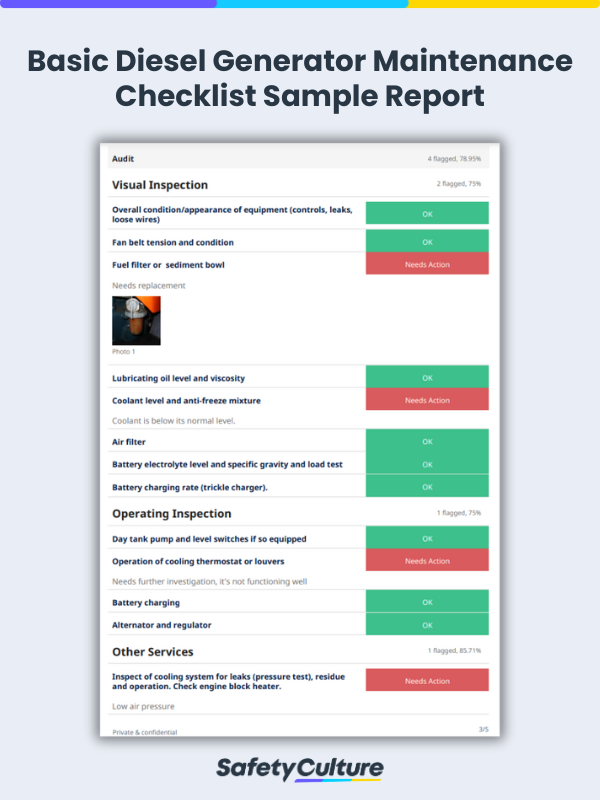
Skipping pre-storage maintenance guarantees future headaches. This isn’t just cleaning—it’s surgically targeting failure points. Start with a cold generator and focus on corrosion hotspots: wipe the muffler housing with degreaser to prevent acidic buildup, and use compressed air on cooling slots (never blow debris inward). Check spark plug wires for cracks that worsen during storage; a single pinhole leak causes misfires.
Critical Inspection Checklist You’re Missing
While cleaning, press these components with thumb pressure:
– Hoses: Should feel firm, not spongy (indicates ethanol degradation)
– Electrical cords: Flex near plugs—if brittle, replace immediately
– Oil seals: Wipe clean, then check for damp spots after 10 minutes
– Spring tension: Weak springs cause brush roll failures in inverter models
Address leaks now. A minor drip becomes a major gusher after months of sitting, as seals harden and shrink. If you spot damage, schedule professional service before storage—problems never self-repair.
Why Your Generator Won’t Start: The 2-Week Fuel Deadline You’re Ignoring

Gasoline begins degrading within 30 days, but here’s what manuals omit: ethanol separation happens in 14 days in humid conditions. When ethanol sinks, it forms corrosive sludge that clogs carburetor jets thinner than a human hair. Most “won’t start” calls after storage trace to this invisible gunk. If your generator sat with fuel longer than two weeks, assume the carburetor is contaminated—no amount of “starting fluid” fixes this.
Long-Term Storage: The Empty-Tank Method That Actually Works
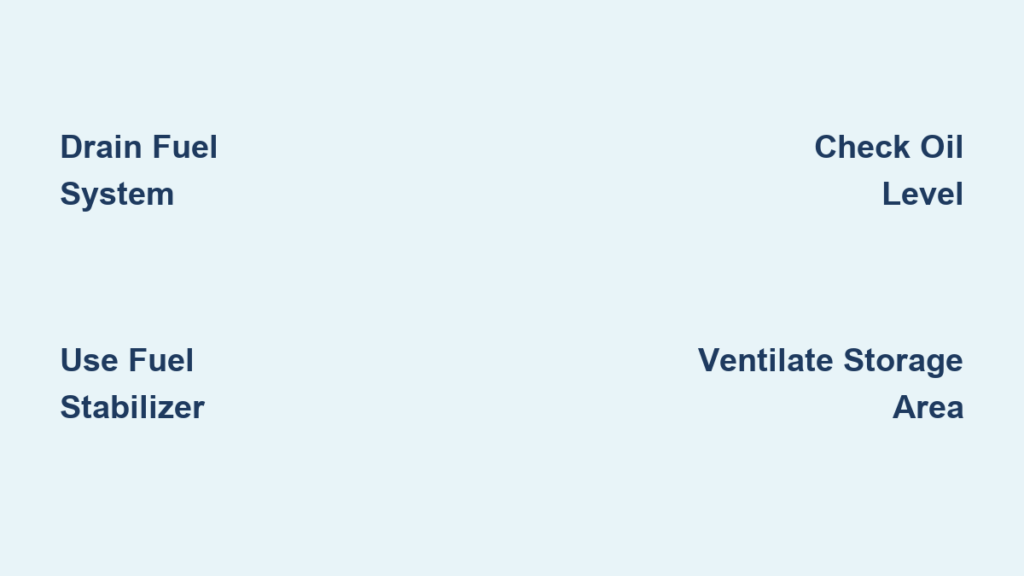
For storage over 14 days, completely drain the fuel system using this sequence:
1. Add stabilizer to fresh fuel and run generator for 1 minute
2. Disconnect fuel line and drain tank into approved red container
3. Remove carburetor bowl (consult manual for model-specific access)
4. Run engine until it sputters out—this clears residual fuel
5. Wipe fuel chamber dry with microfiber cloth
Never skip step 3. Residual fuel in the carburetor bowl is the #1 cause of storage failures. Transfer drained fuel to your car within 30 days—older gasoline damages modern vehicle sensors.
Short-Term Storage: Stabilizer Hacks Most People Get Wrong
For storage under 14 days, stabilizer is acceptable—but 80% of users apply it incorrectly. Pour stabilizer into the tank before adding fuel (not after), using a 1:50 ratio. Then run the generator for 60 seconds, not 30. This circulates stabilizer through the entire fuel path, not just the tank. Check the EPA’s registered additives list for ethanol-compatible formulas; cheap stabilizers worsen phase separation.
Fuel Storage Safety: Avoiding Fires and Fines

Storing fuel improperly risks explosions and EPA fines up to $10,000. Gasoline must live in certified red containers labeled “UL 30” or “FM Approved”—no milk jugs or water bottles. Place containers on concrete pads 10 feet from structures, and never in garages attached to homes. Add stabilizer immediately after filling, and top containers only 95% full to allow vapor expansion. Most critical: store containers outside your generator’s storage shed—sparks from moving the unit could ignite fumes.
Reactivating After Storage: The Carburetor Test That Saves Hours
If you stored fuel in the tank, don’t waste time cranking the engine. Perform this diagnostic first: remove the air filter and spray carburetor cleaner into the intake while turning the starter. If it sputters but won’t run, the jets are clogged. Attempting to force-start it pushes sludge deeper. Call Technical Support at 1-877-338-0999 for carburetor cleaning guidance—this isn’t DIY for most users.
Proper Storage Recovery: Why It Starts First Try
When you followed the empty-tank method, recovery takes 90 seconds:
1. Add fresh oil (check level with dipstick)
2. Install new spark plug if over 100 hours old
3. Pour 1 oz fresh fuel directly into carburetor
4. Pull starter cord firmly—should ignite immediately
No priming, no choke adjustments. If it fails, your issue is electrical, not fuel-related.
Storage Safety Checklist: 8 Non-Negotiables Before Covering Up
Verify these before storage—missing one risks fire or failure:
– [ ] Fuel system bone-dry (tank and carburetor bowl)
– [ ] Oil level at “Full” mark (low oil seizes engines on first startup)
– [ ] All openings debris-free (check muffler screen with flashlight)
– [ ] Covers breathable (cotton tarps only—plastic traps moisture)
– [ ] 5-foot clearance from walls/flammables in storage area
– [ ] Ground-level storage (never on wooden shelves where vibration causes falls)
– [ ] Child lock engaged on control panel
– [ ] Desiccant packs placed under cover to absorb humidity
Environmental Killers: Temperature and Humidity Traps
Generators hate humidity above 60%—it causes “white corrosion” on copper windings within weeks. In coastal areas, store with silica gel packs inside the control panel (replace monthly). Avoid temperature swings exceeding 20°F daily; concrete sheds in deserts hit 140°F by noon then drop to 50°F at night, cracking plastic housings. Park generators against north-facing walls in sheds to minimize sun exposure.
When to Call the Pros: Beyond DIY Fixes
If your generator sat with fuel for over 30 days, do not attempt carburetor cleaning yourself. Modern jets are laser-etched to 0.004-inch tolerances—impossible to clear with wires or solvents alone. Contact small engine shops specializing in generators (not lawnmowers) for ultrasonic cleaning. For inverter models, any fuel contamination requires circuit board diagnostics; authorized service centers have proprietary software dealers lack.
Key Takeaway: Proper generator storage isn’t about finding space—it’s executing a 30-minute ritual that guarantees reliability. Empty the fuel system completely for storage beyond 14 days, verify storage location ventilation, and perform the pre-storage inspection checklist. This prevents 95% of “won’t start” emergencies and eliminates fire risks from fume accumulation.
Next Steps: Set a phone reminder for 30 days before storm season. Test your stored generator by following the reactivation steps—don’t wait for an emergency to discover failures. For gasoline additives, always reference the EPA’s registered products list to avoid counterfeit stabilizers. Keep Technical Support’s number (1-877-338-0999) taped inside your storage area for immediate carburetor troubleshooting. Your future self will thank you when the lights go out.