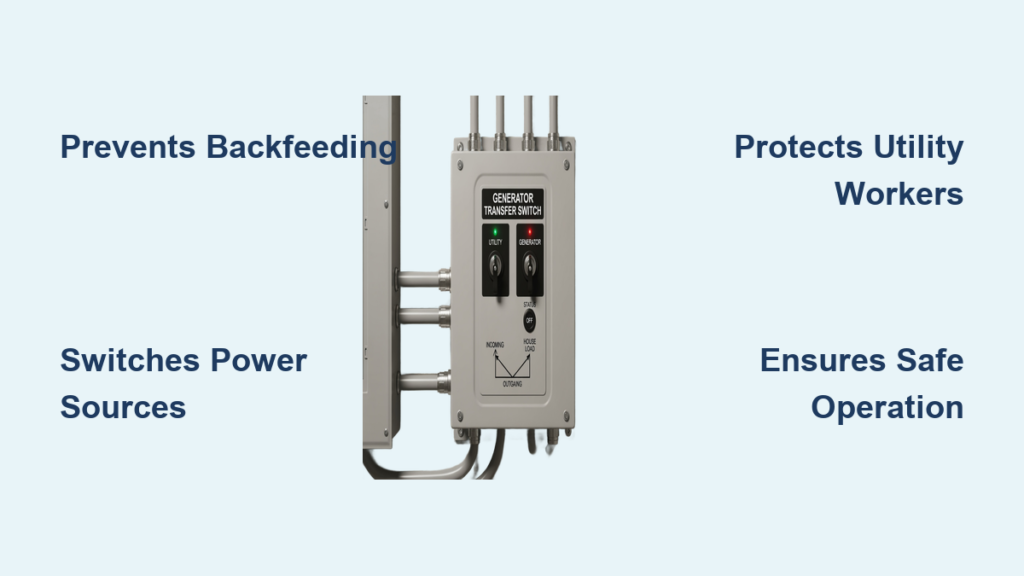
When the lights suddenly go out during a storm, your backup generator springs to life—but without a transfer switch, that power remains disconnected from your home’s electrical system. Imagine sitting in darkness while your generator hums uselessly outside, unable to deliver electricity where it’s needed most. This critical device serves as your electrical system’s safety gatekeeper, ensuring generator power flows safely to your circuits while protecting utility workers from dangerous backfeeding. Understanding how a generator transfer switch works reveals why it’s not just recommended but required by electrical codes for any permanent generator installation.
That sudden outage scenario happens millions of times each year across the United States, leaving homeowners frustrated until they realize their generator’s power isn’t reaching their electrical panel. The transfer switch solves this exact problem by creating a controlled pathway between your generator and essential circuits. Whether you’re considering backup power for emergency preparedness or business continuity, grasping how this device functions will help you make informed decisions about your power resilience strategy.
Transfer Switch Core Function
A transfer switch acts as an electrical traffic controller that physically prevents your generator and utility power from connecting simultaneously. This mechanical separation is non-negotiable for safety—imagine two trains trying to occupy the same track, but with deadly electrical consequences. The device sits between three critical connection points: your utility meter, main electrical panel, and generator input, creating a single pathway that can only connect to one power source at a time.
This vital component eliminates the risk of backfeeding, where generator power flows back into utility lines. Such backfeeding could electrocute utility workers repairing downed lines during storms—a serious hazard that makes transfer switches mandatory under National Electrical Code regulations. When utility power flows normally, the switch channels grid electricity into your building; when power fails, it disconnects from the grid before allowing generator power to flow, ensuring your safety and compliance with electrical standards.
Manual Transfer Switch Operation
Manual transfer switches require your physical presence to operate during power outages, offering a cost-effective solution for homeowners who can tolerate brief interruptions. These devices feature a prominent lever or switch that must be deliberately moved between positions, creating a clear visual and tactile confirmation of your power source selection. While not instantaneous, the manual process provides reliable power transfer when executed correctly.
Power Failure Detection Method
With manual systems, you become the outage detection system. Since there are no automatic sensors, you’ll need to verify the power failure yourself before proceeding. Check if neighbors still have electricity and confirm appliances aren’t functioning—this prevents unnecessary generator starts during brief voltage sags. Keep a flashlight near your electrical panel for quick verification, as starting your generator without confirming an actual outage wastes fuel and creates unnecessary wear.
Starting Generator Sequence
After confirming the outage, head outside to start your generator following the manufacturer’s instructions. Portable units typically require pull-cord starting like a lawnmower, while larger models may have electric start buttons. Allow the generator to run for 3-5 minutes to stabilize its voltage and frequency before attempting any power transfer—this warm-up period ensures clean, stable electricity that won’t damage sensitive electronics when connected.
Physical Switching Process
Return to your transfer switch with your generator running smoothly. Move the lever from “UTILITY” to “GENERATOR” position with deliberate force, usually a 90-degree turn. You’ll hear a distinct mechanical “clunk” as heavy-duty contacts break the grid connection before engaging the generator circuit—this sequence prevents any momentary overlap between power sources. The entire physical transfer takes just seconds but requires your full attention to avoid mistakes during stressful outage conditions.
Return to Grid Power
When utility power returns, you’ll notice lights flickering or appliances cycling on. Move the transfer switch back to “UTILITY” position, then let your generator run for 5-10 minutes to cool down before shutting it off completely. This cool-down period prevents thermal shock to the generator engine, extending its operational life. Always follow this sequence to avoid damaging your equipment or creating electrical hazards during the transition.
Automatic Transfer Switch Operation
Automatic transfer switches eliminate human intervention through sophisticated monitoring systems that operate 24/7. These intelligent devices detect power failures within milliseconds and execute the entire transfer sequence without you lifting a finger—literally restoring power before you can find a flashlight during an outage. The seamless operation provides peace of mind, especially for critical applications where even brief interruptions cause significant problems.
Power Loss Detection Systems
Built-in circuitry continuously monitors your utility power’s voltage, frequency, and phase relationships. When voltage drops below 80% of normal for more than 2-3 seconds, the system confirms a genuine outage and triggers the response sequence. High-end models detect disturbances in microseconds, while standard systems respond within 1-2 seconds—far faster than any human could react to a power failure.
Generator Auto-Start Sequence
Upon confirming power loss, the transfer switch sends a 12-volt signal to your generator’s starting system, similar to turning your car key. This signal remains active until the generator reaches proper operating speed, typically 30-60 seconds. The system intelligently monitors generator output, delaying load transfer until voltage and frequency stabilize within safe parameters—preventing potential damage to connected equipment from unstable power.
Seamless Load Transfer
Once generator power meets specifications, heavy-duty contactors automatically transfer your electrical load. Standard systems create a brief 1-3 second interruption as they switch sources, while premium “no-break” units use overlapping contacts to achieve truly uninterrupted power transfer. This momentary gap might cause clocks to blink or computers to reboot, but quality systems minimize this disruption to keep most modern electronics functioning properly.
Automatic Return Protocol
When utility power stabilizes for 5-15 minutes (depending on model settings), the system automatically transfers loads back to grid power. The generator then runs through a 5-minute cool-down cycle before shutting down completely. This entire process repeats reliably during subsequent outages, whether you’re home asleep or away on vacation—providing truly hands-off backup power protection.
Load Configuration Strategies
.png?width=480&name=How-Power-Management-Works%20(2).png)
Your transfer switch configuration directly impacts generator sizing requirements and operational costs. Rather than powering everything in your home, strategic load management lets you run essential circuits with a smaller, more economical generator—potentially cutting equipment costs by 40-50% while still maintaining critical functionality during outages.
Total Load Transfer Systems
Whole-house transfer switches move every electrical circuit to generator power during outages. This approach requires generators sized for your home’s maximum demand—typically 15,000 to 22,000 watts for average residences. While convenient, these systems consume significantly more fuel during extended outages and cost substantially more upfront for both the generator and transfer switch components.
Critical Load Management
Most homeowners opt for selective load transfer, connecting only essential circuits to the backup system. Your transfer switch feeds a separate subpanel containing 8-12 critical circuits: refrigerator, furnace, well pump, security system, medical equipment, and key lighting. This strategy reduces generator size requirements to 7,500-12,000 watts while maintaining comfort and safety during extended power failures—making it the most cost-effective solution for typical residential applications.
Technical Specifications and Sizing
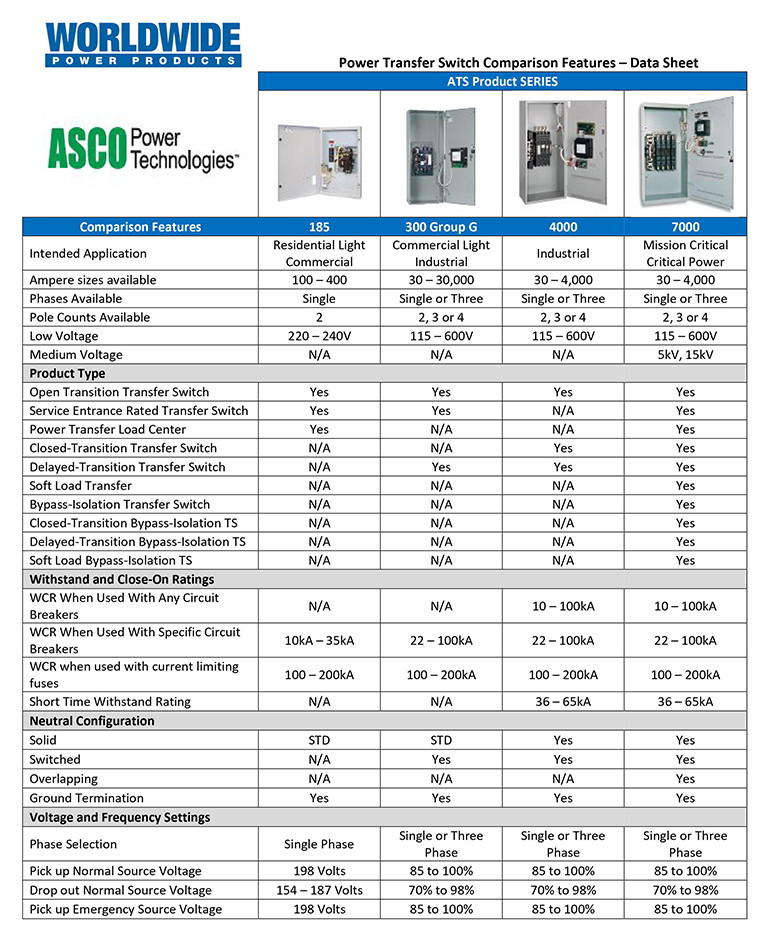
Selecting the right transfer switch involves precise calculations beyond simply matching your generator’s wattage. For a 10,000-watt generator at 240 volts, you’ll need a minimum 42-amp transfer switch—calculated by dividing wattage by voltage (10,000 ÷ 240 = 41.67). Always size up to provide a safety margin; select a 60-amp switch for this application to accommodate future generator upgrades and prevent overheating during sustained operation.
Voltage compatibility proves equally critical—residential systems typically use 240-volt single-phase transfer switches, while commercial installations might require 208-volt three-phase or 480-volt configurations. Mismatched voltages can damage equipment and create serious safety hazards, so verify your generator’s output voltage matches the transfer switch specifications before installation. This technical matching ensures reliable operation and protects your investment during power emergencies.
Installation and Safety Protocols
Proper installation determines both safety and functionality, with transfer switches mounting between your utility meter and main breaker panel. Licensed electricians must handle this work to ensure code compliance and proper grounding—attempting DIY installation risks electrocution, fire hazards, and voided insurance coverage. The National Electrical Code mandates specific clearances, mounting heights, and wiring methods that only professionals can reliably implement.
Grounding Requirements
Both generator and transfer switch require dedicated grounding electrodes connected to your home’s grounding system. This bonding prevents dangerous voltage differences that could create shock hazards during operation—particularly important during wet weather when outages commonly occur. Improper grounding represents one of the most frequent installation errors, potentially compromising the entire backup power system’s safety.
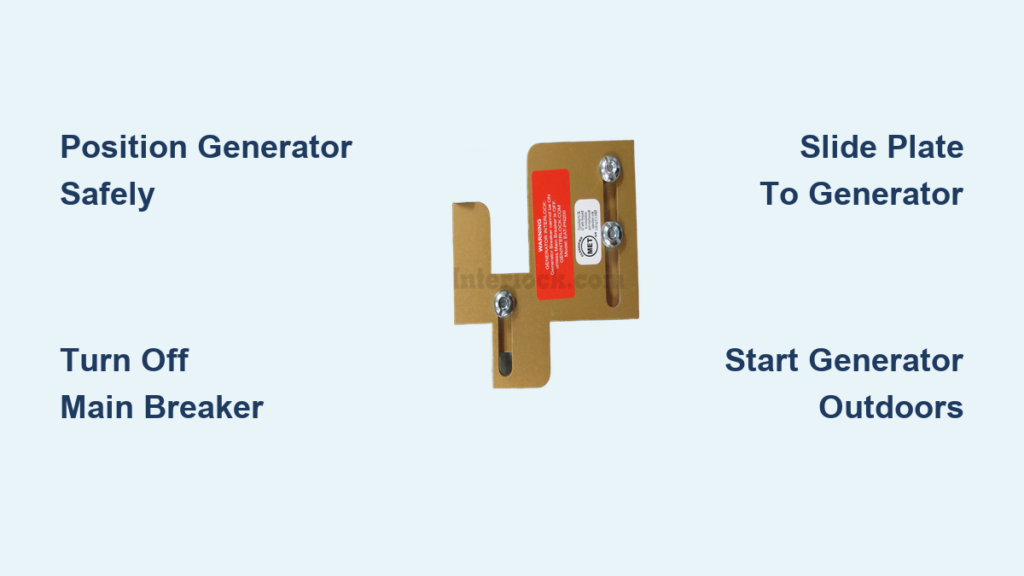
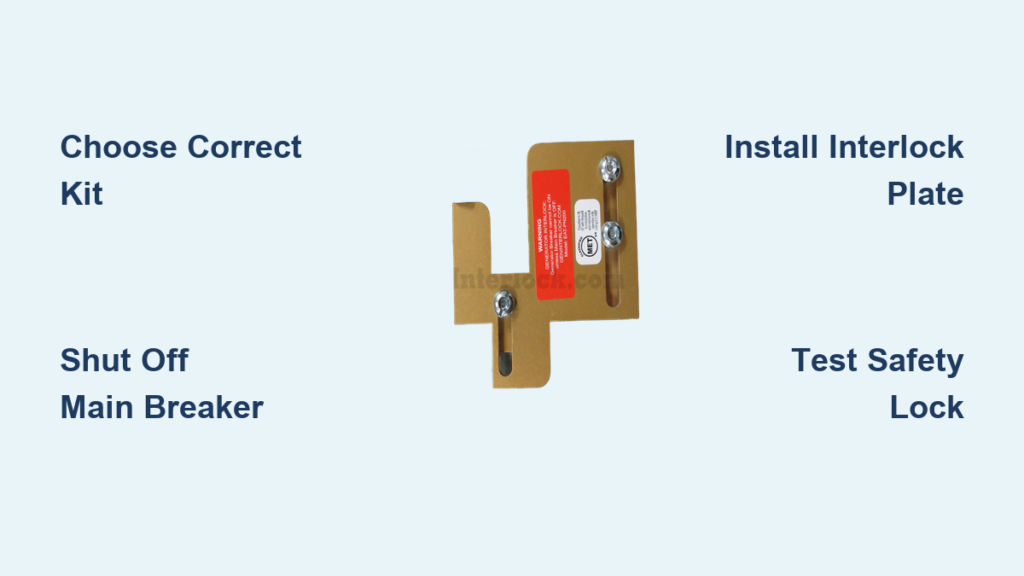
Interlock Mechanisms
Modern transfer switches incorporate mechanical interlocks that physically prevent simultaneous connection to both power sources. These robust barriers make accidental backfeeding impossible, even during operator error. Visual position indicators—often brightly colored—show switch status at a glance, providing immediate confirmation of your power source during stressful outage conditions when every second counts.
Manual vs. Automatic: Making the Choice
Your specific needs determine which system makes sense for your situation. Consider power interruption tolerance, budget constraints, and operational preferences before deciding—this choice affects not just initial costs but long-term reliability and convenience during actual power emergencies.
When Manual Systems Excel
Manual transfer switches save $500-1500 compared to automatic models while offering simpler mechanical reliability. They work best when outages are rare and brief—typically under 30 minutes—and someone is reliably available to operate the system. If you can tolerate 5-10 minute interruptions and have basic mechanical aptitude, manual switches provide dependable backup power at the lowest possible cost.
Automatic System Advantages
Automatic transfer switches justify their higher investment for critical applications where power interruptions cause significant problems. Medical equipment users, security-conscious households, and businesses that cannot tolerate downtime benefit from hands-off operation. The peace of mind knowing your power restores automatically—even during overnight outages—often outweighs the additional $1500-3000 investment, particularly for those who travel frequently or experience regular severe weather events.
Regular testing ensures your transfer switch performs when needed most. Monthly operation prevents contact corrosion and mechanical binding that could delay power restoration during actual outages. Manual systems require physical operation of the switch mechanism, while automatic units feature built-in test cycles that simulate outages without disconnecting utility power. Annual professional inspections check contact wear, connection tightness, and operational timing—critical maintenance that extends your system’s lifespan to 15-20 years. Understanding how a generator transfer switch works empowers you to maintain this vital component properly, ensuring your backup power system delivers when the grid fails.