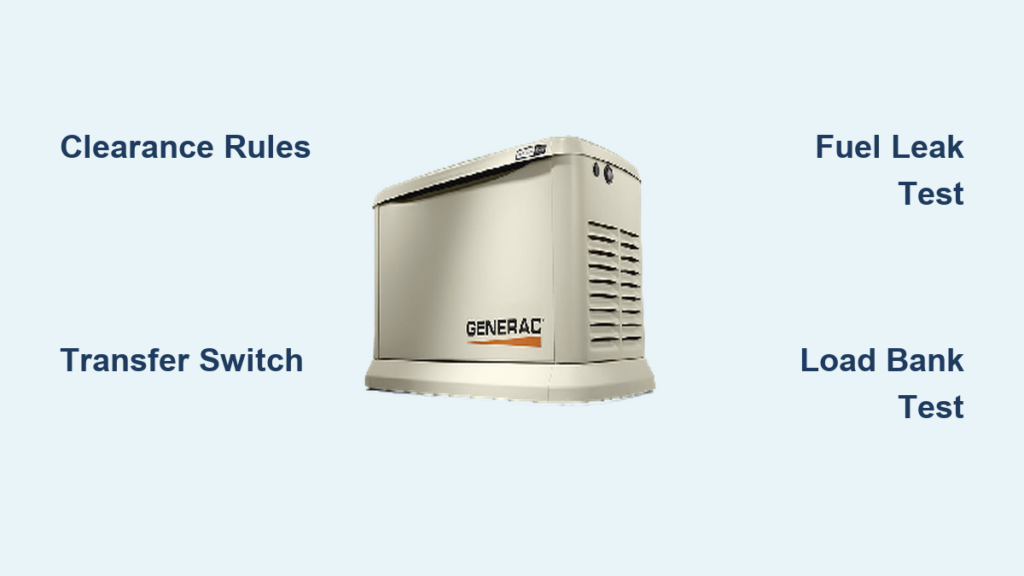
Picture this: a severe storm knocks out your power for three days. Your refrigerator stops working, pipes freeze, and your family is left in the dark. This scenario disappears when you invest in professional Generac generator installation. Unlike portable units that require manual setup, a permanently installed Generac standby system automatically kicks in within seconds of an outage—keeping lights on, medical equipment running, and your home safe. But getting from “I need backup power” to reliable protection involves precise planning and certified expertise. This guide cuts through the confusion to reveal exactly what happens during Generac generator installation, how much it costs, and why professional setup isn’t optional—it’s your warranty’s lifeline.
Most homeowners mistakenly believe installation begins when technicians arrive with the generator. In reality, your Generac generator installation journey starts weeks earlier with critical planning that determines system reliability. Without proper site assessment and component selection, even the most expensive unit will underperform or fail during emergencies. You’ll discover why skipping dealer consultations risks costly mistakes, how placement affects safety, and what separates a smooth installation from permit nightmares. Let’s illuminate the entire process so you gain confidence in your investment.
Schedule Your Free Generac Generator Site Assessment
Your installation timeline begins the moment you request a quote. Within 1-3 business days, authorized Generac dealers contact you to schedule a no-cost, no-obligation at-home evaluation. This isn’t a sales pitch—it’s a technical audit where dealers measure your home’s electrical anatomy to design a failsafe system. Expect them to spend 45-60 minutes examining circuit panels, fuel lines, and potential installation zones while discussing your outage priorities.
Pinpoint Your Exact Power Requirements
During the assessment, dealers identify precisely which appliances you’ll back up by analyzing:
– Critical circuits like medical equipment, sump pumps, and refrigeration
– Starting wattage spikes (e.g., AC compressors need 2-3x running power)
– Total load capacity by tallying all connected devices
– Future expansion needs for EV chargers or pool equipment
Dealers use digital load calculators to avoid dangerous under-sizing—a common DIY mistake that trips breakers during outages. They’ll ask you to rank “must-have” appliances so your system prioritizes essentials when power fails.
Finalize Installation Logistics Immediately
The consultation resolves five make-or-break factors before ordering equipment:
– Model matching: Selecting units that deliver 20% more power than your peak demand
– Placement mapping: Identifying spots meeting 5-foot clearance from windows/decks
– Fuel verification: Confirming natural gas line pressure (5-7″ WC minimum) or propane tank capacity
– Permit navigation: Documenting municipal requirements for electrical/gas work
– Timeline coordination: Scheduling utility company approvals for meter modifications
Pro tip: Bring your electrical panel diagram and note outage durations from past storms. This helps dealers recommend optimal exercise cycles to prevent “wet stacking” in diesel models.
Where to Install Your Generac Generator: Location Rules
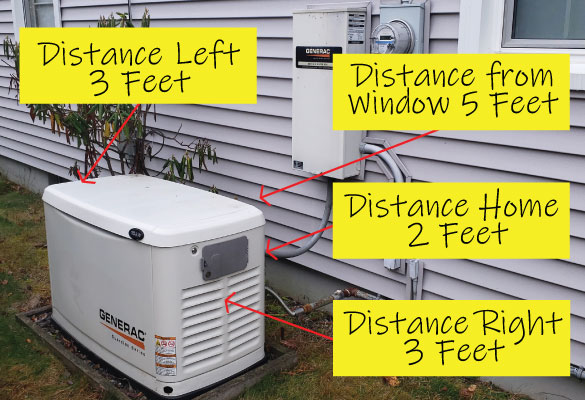
Your generator’s location directly impacts safety, noise, and longevity. Dealers reject 30% of proposed sites during assessments due to critical violations. Never assume your backyard corner or side yard meets requirements—carbon monoxide risks and fire hazards make this step non-negotiable.
Pass the Location Compliance Checklist
Dealers verify these non-negotiable criteria before breaking ground:
– Stable foundation: Concrete pad (4″ thick reinforced) or 6″ compacted pea gravel base
– Drainage slope: Minimum 1/4″ per foot away from the unit to prevent flooding
– Clearance zones: 18″ service access on all sides + 5 feet from combustible materials
– Ventilation paths: Unobstructed airflow for exhaust dispersal (never under decks!)
– Utility proximity: Within 20 feet of gas meter/electrical panel where possible
Warning: Installing within 5 feet of bedroom windows violates most municipal codes and risks deadly CO poisoning. Dealers use gas detectors during site surveys to identify unsafe zones.
Prepare Your Site Before Installation Day
Most homeowners skip this step, causing 2-week delays. Complete these tasks 72 hours pre-installation:
– Remove landscaping within 3 feet of the pad area
– Mark underground utility lines (call 811 for free)
– Ensure clear access for equipment (min. 36″ wide pathways)
– Provide temporary power for installation tools
Generac Generator Installation Timeline: What to Expect
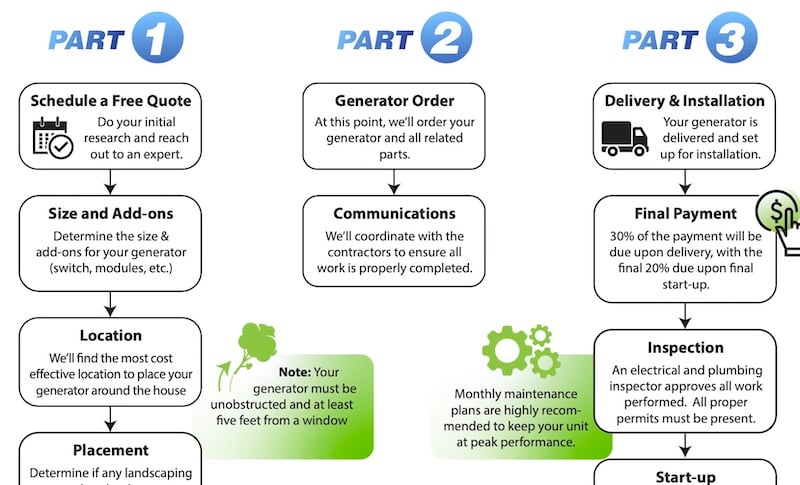
Contrary to dealer promises of “same-week installation,” most projects take 3-5 weeks due to hidden coordination steps. Understanding this timeline prevents frustration and ensures you’re not caught powerless during storm season.
Break Down the 21-Day Installation Sequence
Week 1: Permitting & Planning
Dealers submit electrical/gas permits (typically 5-10 business days processing). Simultaneously, they order custom transfer switches and schedule utility company appointments for meter collar installations.
Week 2: Material Delivery
Generac units ship directly from the factory. Delays occur if you select propane models requiring tank certification or 24kW+ units with 10-day backorders.
Installation Day: 4-8 Critical Hours
– Hour 1-2: Mount generator on prepped pad + install fuel lines with pressure testing
– Hour 3-5: Wire transfer switch to main panel + program load-shedding settings
– Hour 6-8: Simulate outages + train you on emergency shutdowns
Timeline red flag: If your dealer skips permit acquisition, your system violates fire codes and voids homeowner insurance.
Generac Generator Installation Costs: What You’ll Pay
The $12,500 national average hides critical variables that can swing your total from $7,800 to $22,000. Avoid sticker shock by understanding these cost drivers before signing contracts.
Itemize Your True Investment
| Cost Component | Budget Range | What Determines Price |
|---|---|---|
| Generator Unit | $3,000-$8,500 | kW size (22kW costs 2x 11kW) |
| Transfer Switch | $900-$2,200 | Smart management features |
| Labor | $2,500-$4,500 | Fuel line distance (>$15/ft after 20ft) |
| Permits & Fees | $800-$2,500 | Municipal complexity (e.g., CA vs. TX) |
Cost trap: Electrical panel upgrades add $1,200+ if your main breaker lacks space for the transfer switch. Dealers should identify this during consultation.
Slash Costs With Smart Financing
Generac’s official financing offers $109/month payments with 0% APR for 24 months (on $5k+ systems). Always:
– Compare 3 dealer quotes including permit fees
– Ask about off-season discounts (Jan-Mar)
– Verify if maintenance plans are bundled
How the Transfer Switch Connects Your Generac Generator
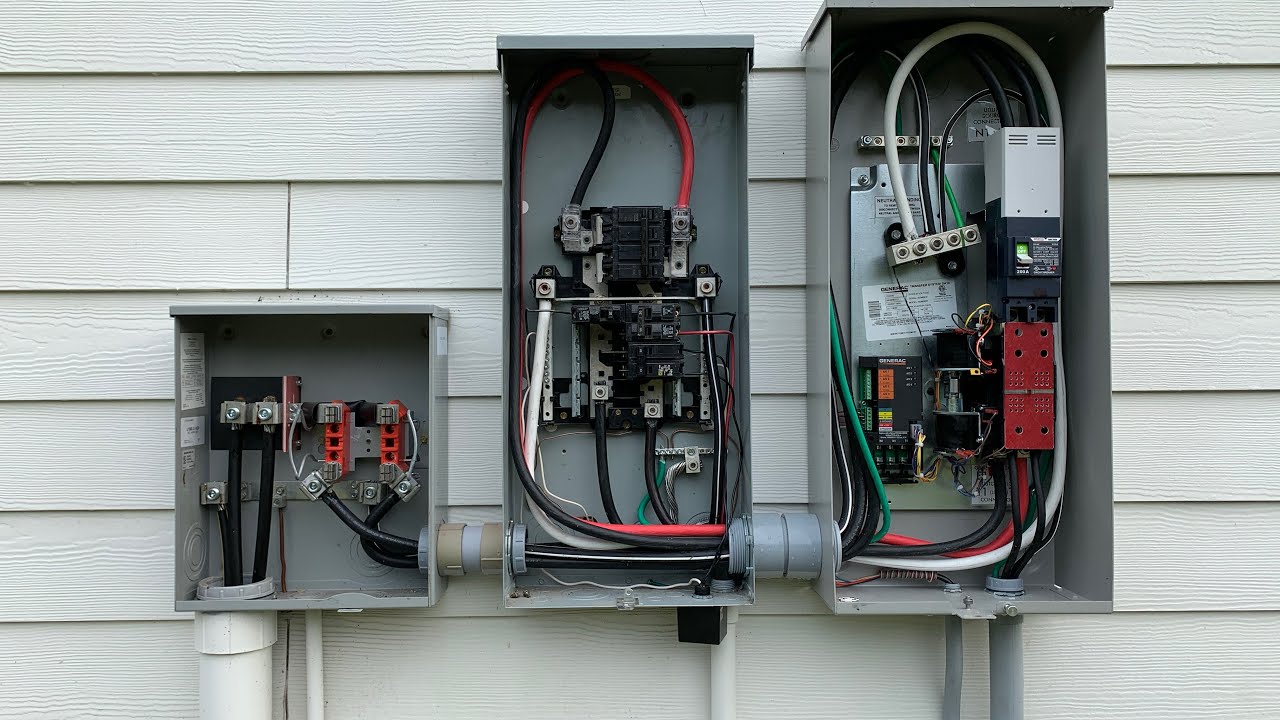
This $1,500 component is your system’s brain—but 40% of DIY installations fail here. The transfer switch must seamlessly switch between grid and generator power without back-feeding electricity into downed lines (a deadly risk for utility workers).
Critical Installation Steps You Can’t Skip
- Mount adjacent to main panel: Within 3 feet to minimize voltage drop
- Wire critical circuits first: Refrigeration, medical devices, HVAC
- Program load-shedding: Prioritizes devices when demand exceeds capacity
- Integrate utility interlock: Required for meter modifications
Dealers test switches by simulating outages with load banks—never accept an installation without this verification.
Natural Gas vs. Propane: Fuel Line Installation for Generac
Your fuel choice impacts installation complexity more than generator cost. Natural gas installations save $1,200+ over propane but require utility coordination most homeowners overlook.
Natural Gas Setup: The Hidden Hurdle
While gas lines seem simpler, dealers must:
– Coordinate with utility companies for meter tapping ($300-$800 fee)
– Install dual-stage regulators to maintain 7″ WC pressure
– Pressure-test lines at 15 PSI for 24 hours (code requirement)
– Verify gas velocity below 20 FPS to prevent valve damage
Critical: Low gas pressure causes hard starting—a top reason generators fail during outages.
Propane System Requirements
For propane models, ensure:
– Tank placement at least 10 feet from generator
– Vaporizer installation in climates below 20°F
– Leak testing with electronic detectors (not soap bubbles)
– 24-hour pressure hold test at 20 PSI
Passing the Test: Verifying Your Generac Generator Works
Dealers must conduct 12+ validation steps before handing you keys. Never skip the commissioning walkthrough—this is when they catch 95% of installation errors.
Mandatory Performance Tests
- 10-second startup test: Simulates outage; verifies auto-start
- Voltage stability check: Must maintain 120V ±5% under load
- Transfer switch sequencing: Confirms no power gaps during switchover
- Safety shutdown verification: Tests CO sensors and overload protection
Red flag: If they don’t run the generator under actual household load, your system may fail when powering multiple appliances.
Keep Your Generac Generator Reliable: Maintenance Schedule
Your warranty voids after 24 months without professional maintenance. Follow this schedule to avoid $3,000+ repair bills from preventable failures.
Homeowner Maintenance Checklist
| Task | Frequency | Critical Warning Signs |
|---|---|---|
| Oil level check | Weekly | Milky oil = coolant leak |
| Air filter inspection | Monthly | Clogged filters cause overheating |
| Exercise cycle log | Bi-weekly | Failed auto-starts require service |
| Debris removal | Quarterly | Leaves near exhaust = fire hazard |
Expert note: Annual tune-ups must include load-bank testing to verify full capacity—most dealers skip this unless requested.
Avoid Fines: Generac Generator Code Compliance Steps
Non-compliant installations trigger $500+ daily fines from municipalities. Dealers handle these requirements, but you must verify:
- Electrical: NEC Article 702 compliance with ground-fault protection
- Gas: CSA B149.1 piping standards with corrosion-resistant materials
- Setbacks: 5-foot minimum from property lines (varies by city)
- Noise: 60 dBA limit at property line (most Generac units run at 66 dBA)
Keep your permit certificates and inspection reports—they’re required for insurance claims after storm damage.
Your Action Plan: Scheduling Generac Generator Installation
Stop researching and start securing your peace of mind with these steps:
- Get 3 quotes from dealers with current Generac certifications (verify on generac.com)
- Demand a site diagram showing exact placement and clearances
- Confirm permit inclusion in the total price
- Schedule in spring (avoid hurricane season delays)
- Book annual maintenance before installation day
Final truth: Generac generators require professional installation for warranty validity—no exceptions. That $2,000 “savings” from DIY setups risks voiding coverage and creating lethal hazards. When power fails next time, you’ll thank yourself for investing in certified Generac generator installation that works when it matters most.