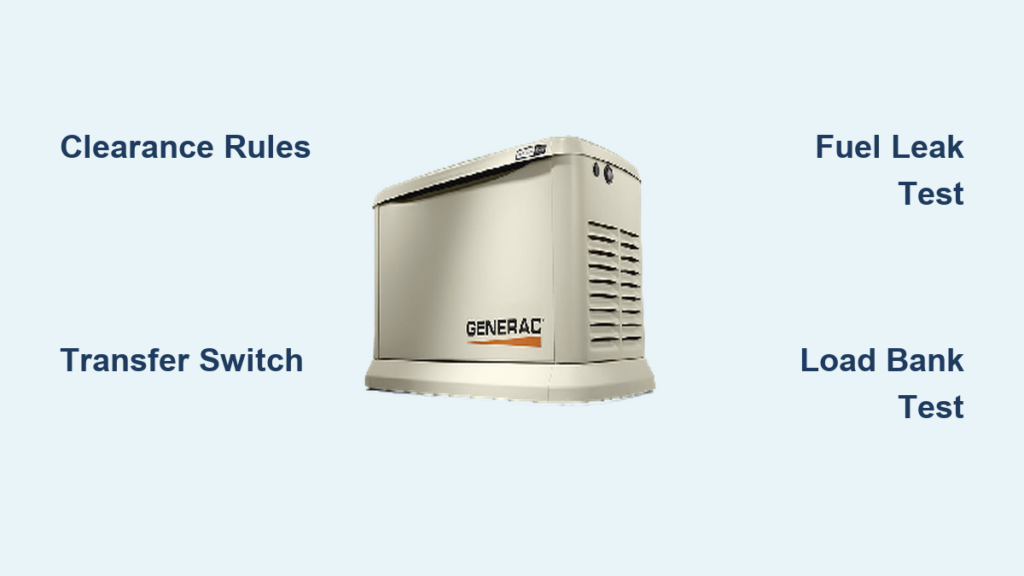
Power outages leave you staring at spoiled food, dark rooms, and a silent furnace. Choosing the wrong Generac generator means either wasting thousands on excess capacity or facing the frustration of a unit that can’t handle your refrigerator’s startup surge. The truth is, selecting your ideal Generac standby system requires precise calculations—not guesswork. Follow this step-by-step method used by certified Generac dealers to match your exact power needs with the perfect generator size, fuel type, and features.
Your starting point isn’t browsing models online—it’s standing in front of your electrical panel with a notepad. Most homeowners oversize by 30-50% because they skip this critical step, paying thousands extra for capacity they’ll never use. This guide reveals the professional approach to generator selection, helping you avoid the #1 mistake that leaves families without power during critical moments.
Calculate Your Exact Power Requirements

Skipping this step guarantees generator regret when your HVAC system trips the breaker during an outage. Professional installers never guess—they calculate based on actual startup and running wattage demands.
Identify Critical Circuits You Can’t Live Without
Grab your circuit breaker map and highlight essential systems first. Your refrigerator needs 800 running watts but requires 2,400 watts for startup. Your furnace blower draws 1,200 running watts but needs 3,600 watts to kick on. Don’t forget hidden power hogs like well pumps (1,500 starting watts) or medical equipment. Mark non-essential circuits separately—you can add them later with load management.
Critical circuits to prioritize:
– Refrigeration (600-800 running watts)
– Primary HVAC system (3,000-5,000 starting watts)
– Well or sump pump (1,000-2,000 starting watts)
– Lighting circuits (500-1,500 watts)
– Security system and communication devices
Calculate Total Starting vs. Running Watts Correctly
Here’s where 90% of DIY calculations fail—they add running watts without accounting for startup surges. Your generator must handle the highest momentary demand, not just continuous load.
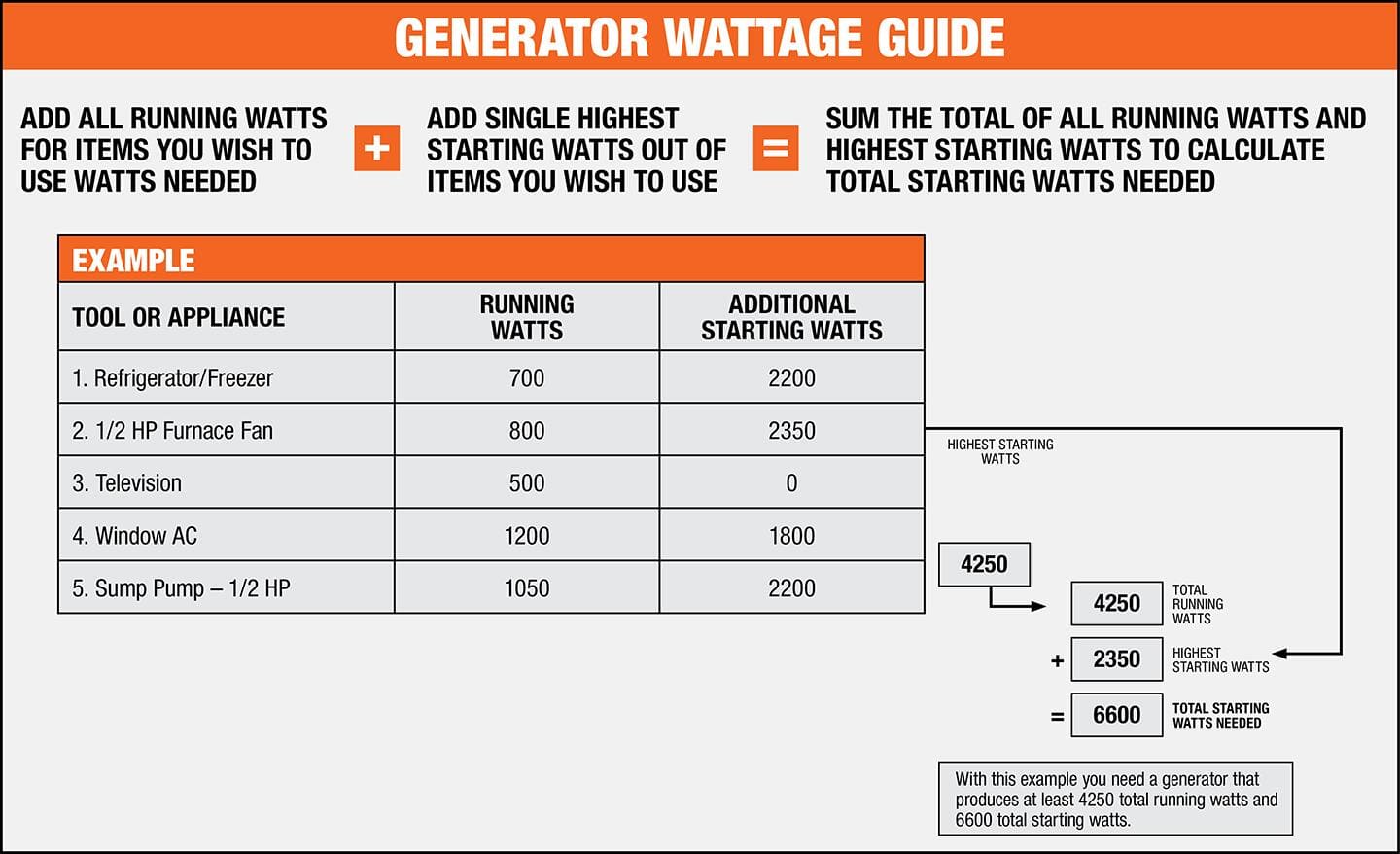
Follow this professional formula:
1. Add all running watts for essential circuits
2. Identify the appliance with the highest starting wattage
3. Add that starting wattage to your total running watts (minus its running watts)
Real-world example:
– Refrigerator: 800 running / 2,400 starting
– Furnace: 1,200 running / 3,600 starting
– Lights: 1,000 running / 1,000 starting
– True minimum requirement: 3,000 running watts + (3,600 – 1,200) = 5,400 watts
Choose Your Fuel Type Based on Location and Needs
Your fuel choice impacts installation complexity, runtime, and operating costs more than most realize. Generac systems work with three primary fuel sources—each with distinct advantages.
Natural Gas: Unlimited Runtime for Frequent Outages
Natural gas generators connect directly to your home’s supply line, eliminating refueling during extended blackouts. This makes them ideal for areas with frequent or prolonged outages. However, they require 3.5-7″ water column gas pressure—something rural properties often lack. Installation includes gas line sizing and pressure testing, adding $500-$1,500 to project costs. Annual fuel costs run lowest for frequent users, typically $2-5 per hour of operation.
Propane: Flexible Fuel for Rural Properties
Propane offers cleaner burning and greater storage flexibility than natural gas. The critical factor? Tank sizing. A standard 500-gallon tank (holding 400 usable gallons) powers a 22kW Generac for 5-6 days at moderate load. Calculate your needs: Generac 22kW units consume approximately 3.2 gallons/hour at 50% load. Rural homeowners often choose 1,000-gallon tanks for true blackout resilience, though this requires significant yard space and permits.
Diesel: Commercial Reliability (Limited Residential Options)
While Generac focuses on gaseous fuels for homes, their commercial diesel units provide maximum reliability for businesses. These require separate fuel storage tanks and weekly exercise cycles to prevent fuel degradation. Diesel generators excel in extreme cold but face stricter environmental regulations in residential zones—check local codes before considering this option.
Match Generator Size to Your Home’s Electrical Profile
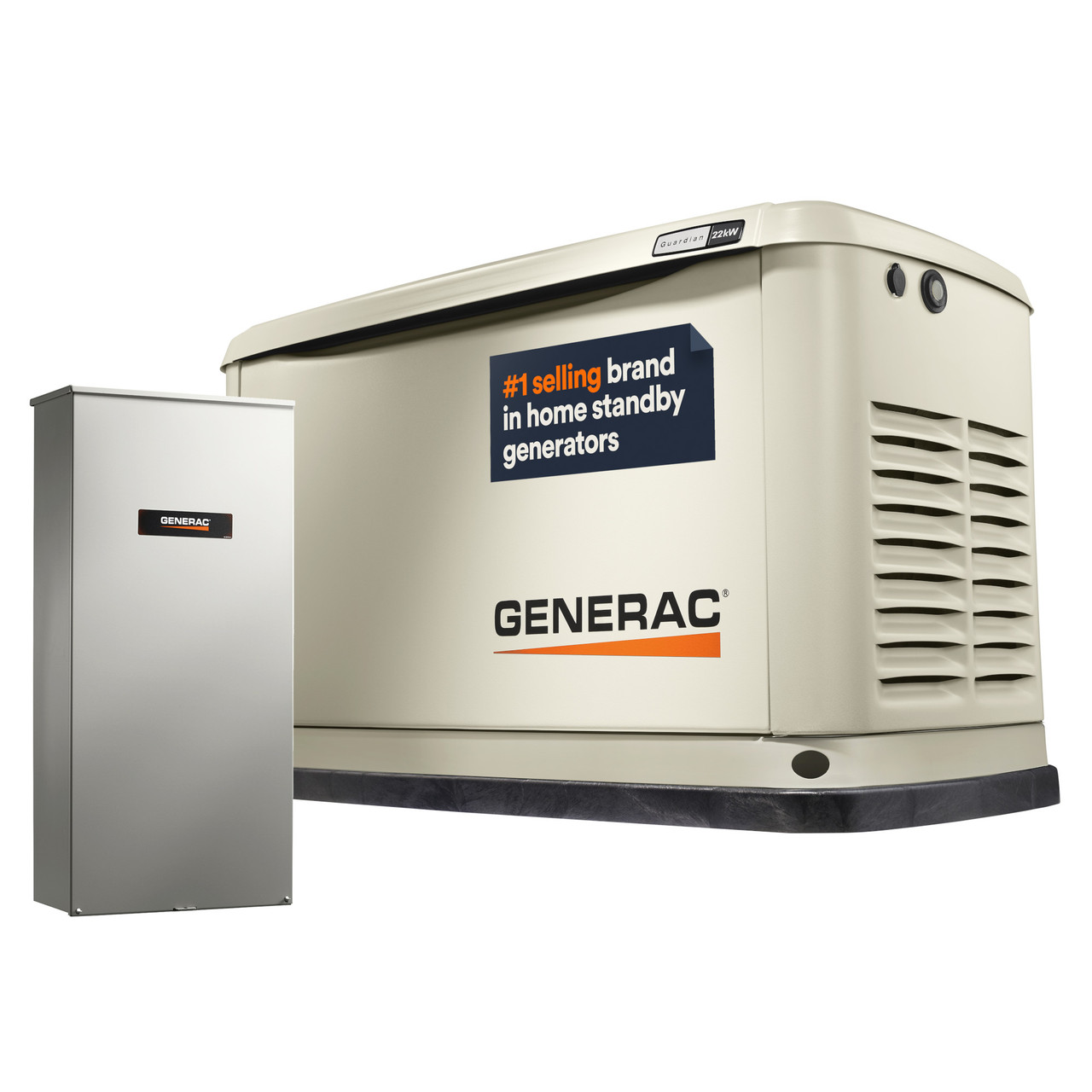
Generac’s residential lineup spans from 7.5kW portable units to 50kW whole-house systems. Your calculated power needs determine the minimum size, but your home’s electrical infrastructure creates hard limits.
Small Home Coverage (7.5-14kW Systems)
Ideal for homes under 2,000 square feet with 100-amp service panels, these air-cooled units power 8-12 essential circuits. They cost $4,000-$5,500 (equipment only) and work well for modest needs—refrigeration, lighting, and basic HVAC. Avoid sizing up unnecessarily; these units operate inefficiently below 30% capacity, causing “wet stacking” that damages the engine over time.
Whole-House Systems (20-26kW Units)
For typical 2,500-4,000 square foot homes with 200-amp service, liquid-cooled 22kW models deliver the best value. They handle multiple HVAC zones, well pumps, and basic kitchen appliances simultaneously. Expect $8,000-$12,000 for the generator plus 30% for installation. These units feature smart load management that temporarily cycles off non-essentials like water heaters during high-demand periods.
Avoid These Costly Generator Selection Mistakes
Rushing your Generac selection leads to expensive regrets when the next storm hits. Professional installers see these errors repeatedly.
Oversizing: The $3,000+ Mistake
Homeowners often jump to 26kW units “just to be safe,” not realizing:
– You’ll pay $2,000-$4,000 more upfront
– Fuel consumption increases significantly
– Light loads cause carbon buildup (wet stacking)
– Requires expensive electrical service upgrades
Undersizing: The Frustration Factor
A generator too small creates dangerous situations:
– HVAC systems fail to start during extreme weather
– Well pumps shut down, risking dry wells
– Continuous overload triggers safety shutdowns
– Premature wear from running at 100% capacity
Finalize Your Selection with These Critical Steps
Before signing a contract, complete these verification steps to ensure your Generac generator performs when needed most.
Verify Local Code Requirements First
Contact your building department about:
– Minimum setback distances from property lines
– Noise restrictions (most Generac units run 60-72 dBA)
– Fuel storage limitations for propane
– Required transfer switch specifications
Your installer will handle permits, but knowing requirements prevents costly redesigns after purchase.
Get Three Detailed Quotes from Certified Dealers
Compare proposals line-by-line:
– Total installed cost (equipment + labor)
– Transfer switch type and circuit capacity
– Warranty terms and service response times
– Included maintenance programs
Watch for hidden costs like electrical panel upgrades or gas line extensions that can add 40% to quoted prices.
Plan Your Maintenance Strategy Now
Generac generators require annual service to maintain warranty coverage. Ask dealers about:
– Service contract costs ($200-$400/year)
– Emergency response times during outages
– Mobile Link remote monitoring capabilities
– Battery replacement schedules (every 3-4 years)
Key Takeaway: The perfect Generac generator balances your actual power needs with fuel availability and budget constraints. Most homeowners find 22kW units deliver the best value for whole-house coverage, while smaller homes with modest needs do well with 14kW systems. Start with essential circuits and expand coverage through load management as budget allows—this approach saves thousands compared to oversizing unnecessarily.
Don’t let the next storm catch you unprepared. Spend one afternoon calculating your true power requirements, and you’ll select a Generac generator that delivers reliable backup power for decades. Remember: the difference between a properly sized 22kW unit and an oversized 26kW model could save you $3,000 upfront while preventing costly engine damage from light-load operation. When the grid fails, you’ll be the neighbor with lights on while others scramble for extension cords.