Your refrigerator hums back to life as the storm rages outside, while neighbors sit in darkness. This seamless power restoration happens because your natural gas generator instantly converts chemical energy into electricity through precisely engineered physics. Understanding how does a gas generator work reveals why it’s the preferred backup solution for homes and hospitals worldwide – transforming methane molecules into reliable kilowatts within seconds. This knowledge helps you maximize efficiency, avoid costly repairs, and ensure your unit delivers power exactly when needed.
Natural gas generators serve as silent guardians during outages, but their operation combines century-old thermodynamics with modern precision engineering. Unlike portable gasoline units, these systems tap into existing gas lines for uninterrupted operation during extended emergencies. By the end of this guide, you’ll know exactly how combustion becomes electricity, recognize warning signs of trouble, and understand what separates a reliable unit from a liability.
How Does a Gas Generator Work? The Chemical Energy Conversion Core
Natural gas generators start with methane (CH₄) from your pipeline or propane tank – molecules packed with potential energy. When mixed with oxygen and ignited, these hydrocarbons undergo rapid combustion: CH₄ + 2O₂ → CO₂ + 2H₂O + 890 kJ/mol. This exothermic reaction releases intense heat that creates high-pressure gases, but the real engineering marvel lies in controlling this explosive force.
Instead of a single destructive blast, generators orchestrate hundreds of micro-explosions per minute through precisely timed ignition. Each combustion event occurs within milliseconds at temperatures exceeding 1,000°C, yet the system maintains smooth rotation through carefully balanced cylinder firing sequences. The key is maintaining that critical 10:1 to 12:1 air-fuel ratio – too little air causes sooty emissions, while too much wastes fuel and reduces power output.
Why Compression Ratio Determines Power Output
Your generator’s piston compresses the air-fuel mixture 8-12 times before ignition, dramatically increasing its energy density. Think of squeezing a spring: the tighter the compression, the more force released upon expansion. This process heats the mixture to 400-500°C – hot enough to ignite spontaneously if timing were off, but precisely controlled to maximize expansion force.
Higher compression ratios (like 12:1 in modern units) extract more energy per combustion cycle, directly boosting efficiency. However, exceeding safe limits causes “engine knock” – premature detonation that damages pistons. That’s why generators use hardened aluminum pistons with multi-ring sealing systems to maintain optimal compression while withstanding 3,000-5,000 psi combustion pressures.
5 Critical Stages Turning Gas Into Household Electricity
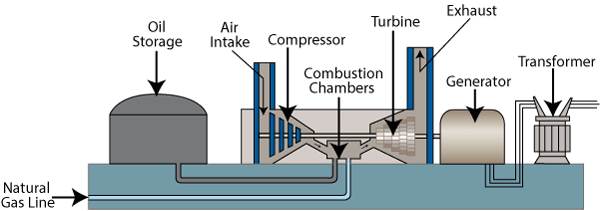
Stage 1: Precision Fuel-Air Mixing for Clean Combustion
Natural gas enters through your pipeline at 2-5 PSI, but your generator requires just 5-14 inches water column pressure. The regulator reduces this pressure while electronic fuel injection systems (replacing older carburetors) meter exact gas quantities based on electrical demand. Simultaneously, filtered air enters through intake vents – critical because dust particles can score cylinder walls.
Watch for: Black exhaust during operation indicates a rich fuel mixture (too much gas). Clean your air filter immediately if this occurs, as restricted airflow reduces combustion efficiency by up to 15%.
Stage 2: Ignition Timing That Makes or Breaks Performance
At the peak compression point, a 40,000-100,000-volt spark from your spark plug ignites the mixture. This microsecond-perfect timing ensures maximum pressure pushes the piston down during its power stroke. Modern units use computer-controlled ignition that adjusts for altitude and temperature – essential because cold starts require richer mixtures while high altitudes need leaner ratios.
Pro tip: Replace spark plugs every 100-200 hours (annually for most homeowners). Worn electrodes with gaps exceeding 0.040 inches cause misfires that strain the entire system.
Stage 3: Piston Power Driving the Crankshaft
Expanding combustion gases slam the piston downward with immense force, converting chemical energy into linear motion. Connecting rods transfer this motion to the crankshaft, transforming straight-line force into rotational energy. In four-cylinder generators, cylinders fire every 180 degrees of rotation, creating smooth continuous power at 1,800-3,600 RPM.
Warning: Blue exhaust smoke signals oil burning – often from worn piston rings. Address this immediately to prevent catastrophic engine failure.
Stage 4: Electromagnetic Induction Creating Voltage
The spinning crankshaft turns the rotor inside the stator assembly. As electromagnets on the rotor sweep past copper windings in the stator, they induce alternating current through electromagnetic induction. This follows Faraday’s law: E = BLV, where magnetic field strength (B), conductor length (L), and rotation speed (V) combine to produce voltage (E).
Key insight: Three-phase windings in commercial units smooth the output into stable 120/240V power. Single-phase residential models use similar physics but with simpler winding configurations.
Stage 5: Voltage Regulation for Appliance Safety
Raw generator output fluctuates with engine speed and electrical load. The voltage regulator constantly adjusts magnetic field strength to maintain steady 120/240V output – critical for protecting sensitive electronics. When you turn on a microwave, the regulator instantly boosts magnetic flux to compensate for the sudden load increase.
Troubleshooting: Flickering lights indicate voltage regulator failure. Test with a multimeter – readings should stay within 5% of 120V under varying loads.
Gas Generator Component Breakdown: What Actually Fails

Fuel System Vulnerabilities You Must Monitor
Your gas regulator acts as the system’s gatekeeper, reducing pipeline pressure to generator-safe levels. A faulty regulator causing over-pressurization can flood the combustion chamber, while under-pressure creates hard-starting issues. The automatic shutoff valve is equally critical – it cuts gas flow during emergencies to prevent dangerous leaks.
Maintenance must: Check gas pressure monthly with a manometer. Residential units should show 5-7 inches water column at the generator inlet. Low pressure? Inspect for frozen lines in winter or kinked supply hoses.
Combustion Chamber Wear Points
Pistons withstand incredible stress but gradually wear at the ring grooves. By 8,000-15,000 operating hours, most generators need ring replacement to maintain compression. Spark plugs degrade faster – their electrodes erode after 100-200 hours, causing misfires that increase fuel consumption by 10-20%.
Visual cue: Remove a spark plug during annual maintenance. A light tan deposit indicates proper operation; black soot means a rich mixture; white deposits signal overheating.
Cooling System Failures That Cause Overheating
Air-cooled generators rely on fan blades moving 300+ CFM of air across fins. Blocked vents or failing fans cause temperatures to spike past 220°F – the threshold where oil breaks down. Water-cooled units face radiator clogs or pump failures. Hydrogen-cooled industrial models (using 30 psi pressurized gas) require specialized leak detection.
Emergency response: If your generator overheats, shut it down immediately. Continuing operation risks warped cylinder heads – a $1,500+ repair.
Cost-Saving Optimization Tactics for Homeowners
Electronic Fuel Injection vs. Carburetors

Modern electronic fuel injection (EFI) systems adjust air-fuel ratios 100x faster than carburetors, improving efficiency by 15-25%. They automatically compensate for altitude changes – crucial if you live above 2,000 feet. While EFI units cost 10-15% more upfront, they pay for themselves in fuel savings within 2-3 years for frequent users.
Upgrade path: Retrofit kits exist for older carbureted models, but consult a technician – improper installation causes more problems than it solves.
Heat Recovery for Double-Duty Operation
Capture waste heat from your generator’s exhaust or coolant system to warm water or supplement home heating. Simple heat exchangers can redirect 30-40% of wasted thermal energy, boosting overall system efficiency from 40% to over 80%. This “combined heat and power” approach slashes winter utility bills while extending generator runtime.
DIY caution: Never jury-rig heat recovery systems. Improper installations risk carbon monoxide exposure – always use EPA-certified components.
Preventing Costly Breakdowns: The Maintenance Reality
Critical Tasks You Can’t Skip
- Oil changes: Every 50-200 hours (synthetic oil extends intervals)
- Air filter replacement: Every 100-500 hours (desert climates need quarterly changes)
- Spark plug service: Every 100-200 hours
- Coolant flush: Annually for liquid-cooled models
- Load bank testing: Every 6 months to verify capacity
Time-saver: Schedule maintenance alongside daylight saving time changes – spring for oil/filter, fall for spark plugs.
Diagnosing Common Startup Failures
Hard starting? 80% of cases stem from these issues:
1. Gas pressure below 5 inches water column (check regulator)
2. Spark plug gap over 0.040 inches (measure with feeler gauge)
3. Clogged fuel injector (listen for hissing during startup)
4. Weak battery (test voltage – must exceed 12.4V)
Pro move: Perform a “dry crank” test – disconnect spark plug wires and crank 10 seconds. If compression sounds weak in one cylinder, you’ve found your problem.
Natural gas generators deliver reliable power precisely because we understand how does a gas generator work at the molecular level. This knowledge transforms you from a passive user into an informed operator who catches small issues before they become expensive failures. Remember that regular maintenance prevents 90% of breakdowns – especially monitoring that critical air-fuel ratio and compression integrity. When your next storm hits, you’ll know exactly why your lights stay on while others sit in darkness. For optimal performance, schedule professional load testing annually and always keep spare spark plugs on hand – your generator’s heartbeat depends on them.