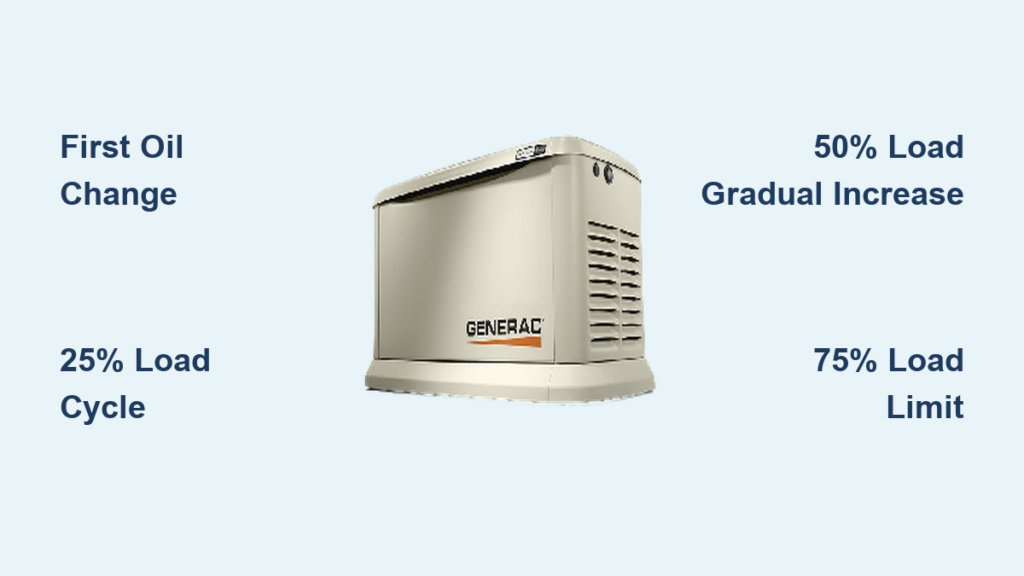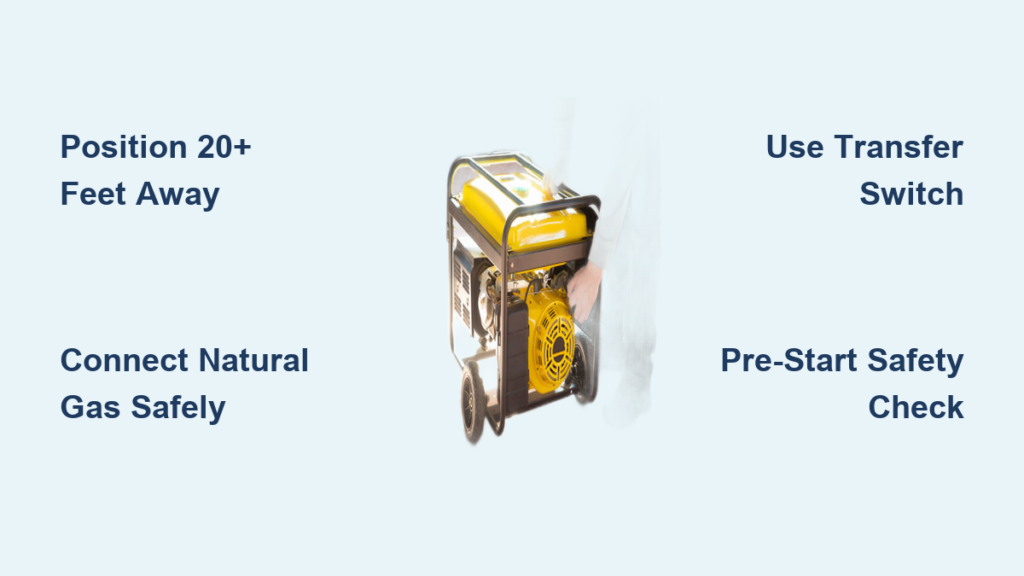
Power failures during storms leave families scrambling in the dark, but a properly set up gas generator transforms panic into peace of mind. Knowing how to set up a gas generator correctly means the difference between reliable backup power and dangerous carbon monoxide exposure. This guide cuts through confusing manuals to deliver field-tested steps for positioning, fueling, and connecting your generator—so you’re ready when the grid fails.
You’ll avoid critical mistakes like improper placement or dangerous backfeeding while mastering natural gas connections and electrical setups. Whether you’re powering medical equipment or keeping food frozen, these actionable steps ensure your generator operates safely from the first spark to the final shutdown. Let’s get your lifeline to electricity running right.
Position Your Gas Generator 20+ Feet from All Building Openings
Carbon monoxide poisoning causes over 400 U.S. deaths annually, and generators are a leading source. Your generator must operate outdoors at least 20 feet from doors, windows, and vents—even during heavy rain. This critical distance prevents deadly exhaust gases from seeping into your home through unseen cracks. Never position units in garages, basements, or under overhangs, as wind can redirect fumes toward entry points.
Verify Dry, Level Ground Before Startup
Stand where you plan to place the generator and smell the air—if you detect exhaust odors from your house, move it further away. The surface must be completely dry and level to prevent electrical shorts or fuel spills. Use manufacturer-approved canopies for weather protection, never tarps or makeshift covers that trap heat and exhaust. During setup, check for overhead branches or low-hanging wires that could contact the unit during operation.
Critical safety check: Place your hand near exhaust outlets after startup—wind should carry fumes away from structures, not toward them. If unsure, relocate immediately.
Connect Natural Gas Lines Without Professional Help (For Tri-Fuel Models)

Tri-fuel generators like the Westinghouse WGEN11500TFC eliminate gasoline storage hassles but demand precise gas line connections. Skip DIY attempts if connecting to your home’s main gas line—this requires a licensed plumber to install branch lines after the meter with pressure-tested fittings. However, temporary connections to portable propane tanks follow similar principles.
Secure Natural Gas Hose Connections in 7 Steps
- Confirm generator is OFF and cooled for 30+ minutes (hot engines ignite vapors)
- Shut off gas supply at the main valve
- Uncoil hose completely to prevent flow-restricting kinks
- Hand-tighten connections first, then snug with a wrench (overtightening cracks fittings)
- Attach quick-collar to generator’s natural gas inlet
- Switch fuel selector to “Natural Gas” mode
- Open valve slowly and check for leaks using soapy water (bubbles indicate leaks)
Natural gas becomes your most reliable fuel source once connected—no refueling during multi-day outages and zero stale-fuel issues. Always keep a fire extinguisher within 10 feet during connection.
Match Electrical Setup to Your Generator Size and Needs
Plugging appliances directly into generator outlets seems simple but wastes 50% of your power capacity. Choosing the right electrical method prevents circuit overloads while maximizing uptime. Your generator’s wattage determines the optimal approach—never exceed 80% of rated capacity.
Extension Cords: Emergency-Only for Small Units
Use only for inverter generators under 3,500 watts powering essentials like refrigerators or medical devices. Run 12-gauge or thicker cords through closed windows (use towels to seal gaps), keeping them dry and elevated off wet ground. This method’s major flaw? You’ll sacrifice 30-50% of your generator’s output due to voltage drop over distance. Never use damaged or undersized cords—they overheat and cause fires.
Generator Cords: The Mid-Sized Power Solution
For 3,500-8,000 watt units, L14-30 cords (30-amp) or L14-20 cords (20-amp) deliver full power through a single weatherproof connection. One cord runs from generator to indoor power strip, eliminating multiple window penetrations. Critical steps:
– Match cord amperage to generator outlets
– Use GFCI-protected indoor strips
– Start largest appliances first (furnace > fridge > lights)
– Never daisy-chain extension cords
This setup powers 5-7 essential circuits safely but still requires manual load management during storms.
Transfer Switches: Whole-Home Power Without Risk
The only safe method for 8,000+ watt generators involves a professionally installed transfer switch like the Reliance Controls 50-amp model. Licensed electricians wire it between your main panel and generator inlet, preventing deadly backfeeding. Operation sequence:
1. Connect generator to outdoor inlet box
2. Start generator and let run 2 minutes unloaded
3. Flip transfer switch from “Line” to “Generator”
4. Activate circuits one by one (well pump first)
This powers hardwired systems like HVAC and security—never attempt DIY installation. Transfer switches cost $500-$1,500 but prevent electrocuting utility workers during outages.
Execute the Non-Negotiable Pre-Start Safety Checklist
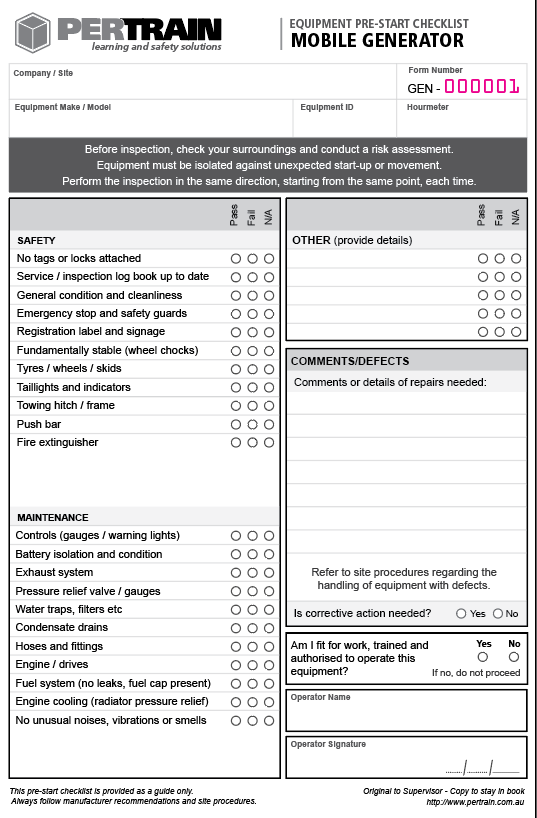
Skipping these steps risks fire, carbon monoxide poisoning, or generator destruction. Complete this checklist every time:
- Read your specific model’s manual—controls vary wildly between brands
- Check oil level with dipstick (low oil seizes engines in minutes)
- Test GFCI outlets by pressing “test” then “reset”
- Clear 3-foot radius of leaves, debris, and flammable materials
- Verify fuel connections with soapy water leak test
Critical warning: Backfeeding by plugging into wall outlets kills. It energizes downed power lines, endangering neighbors and repair crews. Always use transfer switches or cords.
Start and Load Your Generator in the Correct Sequence
Cold engines need precise startup steps to avoid flooding. For natural gas models:
- Open gas valve slowly at supply line
- Set choke to “full” (if equipped)
- Pull starter cord firmly or turn key ignition
- Run unloaded for 2-3 minutes to stabilize RPMs
- Add appliances starting with largest motor (furnace before fridge)
Load management tip: Calculate starting watts (refrigerator = 800W surge) vs. running watts (200W). Never exceed 80% of generator capacity—overloads trip breakers or damage electronics.
Store and Refuel Gasoline With Zero Fire Risk
Wait 15 minutes after shutdown before refueling—hot engines ignite vapors instantly. Use only UL-approved containers stored 20+ feet from generators in detached sheds. Add fuel stabilizer (like STA-BIL) to gasoline within 30 days of purchase; unstabilized fuel gums carburetors in 30 days.
Natural gas eliminates these hazards once professionally connected. For gasoline units, run tanks dry before storage to prevent varnish buildup.
Maintain Your Generator Between Outages
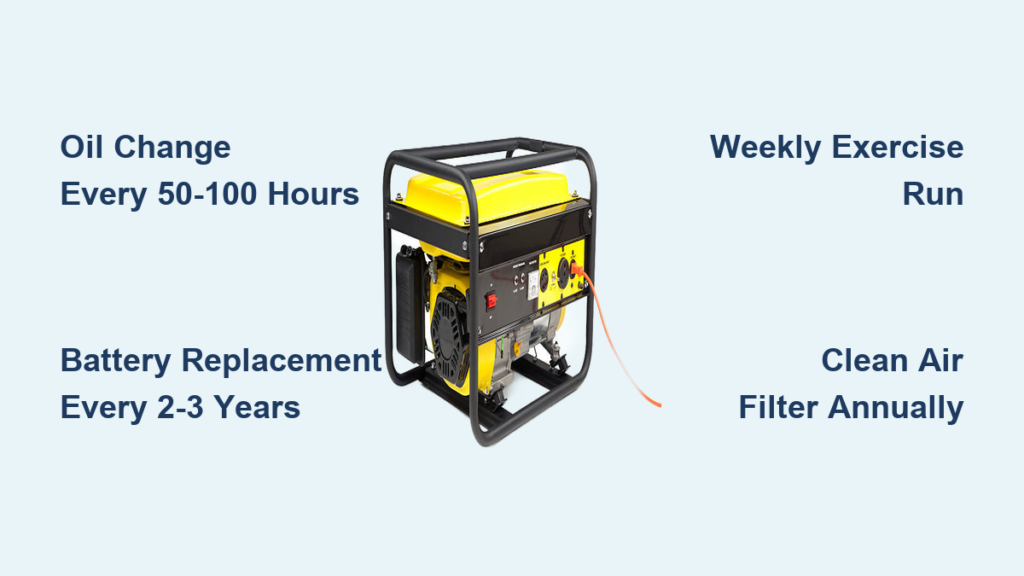
Monthly checks prevent startup failures during emergencies:
– Oil level: Check dipstick; change every 50 hours
– Air filter: Tap debris loose; replace if oily
– Spark plug: Inspect gap (typically 0.020-0.025 inches)
– Fuel lines: Look for cracks or leaks
Before long-term storage, run the engine dry, fog cylinders with storage spray, and disconnect batteries on electric-start models. Test monthly under load—stale fuel causes 70% of “no-start” emergencies.
Shut Down Immediately During These Critical Failures
Stop operation instantly if:
– Carbon monoxide detectors alarm
– Oil pressure light illuminates
– Unusual knocking or grinding noises occur
– Fuel leaks develop near hot components
Proper shutdown sequence:
1. Turn off all connected appliances
2. Let generator run unloaded 2 minutes to cool
3. Close fuel valve
4. Switch engine off
Never yank cords or shut off mid-load—this damages sensitive electronics.
Schedule Your First Test Run Before Storm Season Hits
Your generator setup is only as reliable as your practice. Run it under load for 30 minutes monthly, simulating real outage conditions. Keep natural gas connections flexible with annual professional inspections for transfer switches. Store fresh stabilized fuel and document your setup process for family members.
Remember: A gas generator you can’t operate safely provides zero protection. Master how to set up a gas generator correctly now—so when the lights go out, yours stay on. Your family’s safety depends on today’s preparation.