
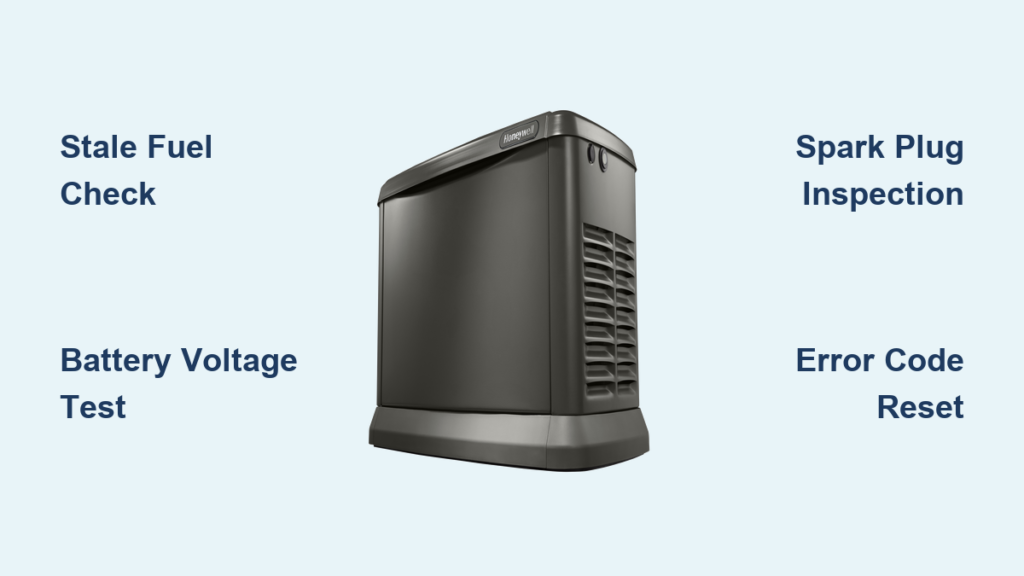
Your Honeywell generator sits silent when the lights go out, leaving you in the dark during a storm or emergency. When your Honeywell generator won’t start precisely when you need backup power most, it creates immediate stress and uncertainty. The good news? Most starting failures stem from just three core issues that you can diagnose and fix yourself in under an hour—no professional help required for 80% of cases.
This guide walks through systematic troubleshooting that gets your Honeywell generator running again, organized by what you’ll observe when attempting to start. Forget generic advice—you’ll get specific, actionable steps based on actual Honeywell generator failure patterns documented by technicians. Whether you hear clicking, nothing happens, or it cranks but won’t catch, these targeted solutions address the exact problem you’re facing right now.
Why Your Honeywell Generator Won’t Start With a Full Fuel Tank
Stale Fuel Is Your Most Likely Culprit
Your Honeywell generator won’t start because gasoline degrades rapidly—within 30 days without stabilizer. Cloudy fuel or visible separation indicates contamination requiring complete system draining. Before wasting time on complex repairs, remove the fuel cap and visually confirm your fuel isn’t stale; sight gauges often lie.
Critical warning: Gas older than 30 days creates gum deposits in your carburetor that block fuel flow even with a full tank. If your generator sat unused during off-season months, this is almost certainly your problem. Drain the entire fuel system and replace with fresh gasoline containing stabilizer.
How to Bypass Fuel Delivery Blockages in 5 Minutes

A clogged fuel filter stops fuel flow even with adequate tank levels. Locate the inline filter between tank and carburetor—it’s usually a clear cylinder showing visible debris. Replace annually or every 200 hours to prevent this common failure.
Quick diagnostic test: Spray starting fluid into the air intake. If your Honeywell generator fires briefly then dies, you’ve confirmed a fuel delivery problem rather than ignition failure. This simple test saves you hours of unnecessary electrical troubleshooting.
Dead Battery or Bad Starter? Troubleshooting Your Honeywell’s Electrical System
Why Your Generator Makes Clicking Sounds But Won’t Crank
That distinctive clicking noise means your battery has enough power to activate the solenoid but not enough to turn the engine. Test with a multimeter—anything below 12.4V indicates replacement needed, but even a battery reading 12V might fail under load.
Load test procedure: Apply 200 amps for 10 seconds—voltage dropping below 9.6V confirms battery failure. Clean corroded terminals with a wire brush and baking soda solution before replacing, as poor connections mimic dead battery symptoms.
Spark Plug Diagnosis: The Ignition System Check You Can’t Skip

Remove your spark plug and examine the tip. A fouled plug appears black and wet, while a worn plug shows eroded electrodes. Gap new plugs to exactly 0.030 inches using a feeler gauge—Honeywell generators are sensitive to improper spacing.
Quick verification method: Ground the plug against the engine block and crank. A strong blue spark indicates good ignition; weak yellow sparks suggest coil replacement. Never assume your spark plug is good—replace annually as preventive maintenance.
Your Honeywell Generator Turns Over But Won’t Catch? Here’s Why
Systematic Diagnosis Order for Cranking-But-Not-Starting Failures
When your Honeywell turns over but won’t catch, follow this exact sequence:
- Fuel verification: Confirm fresh gasoline, open fuel valve, and adequate tank level (minimum 1/4 tank)
- Ignition confirmation: Verify strong blue spark at correctly-gapped plug
- Compression check: Should exceed 90 PSI on most models
Starting fluid shortcut: This eliminates guesswork. Starting briefly with starting fluid confirms fuel system problems; no response indicates ignition or compression issues. Don’t waste time replacing parts—diagnose first.
Cold Weather Modifications That Actually Work
Temperatures below 40°F require specific adjustments most owners miss. Switch to 5W-30 oil for easier cold cranking, and use full choke for initial starting attempts. Your standard oil thickens in cold weather, creating excessive resistance.
Battery considerations: Cold reduces battery capacity by 30%. Keep batteries fully charged, and consider a battery blanket for extended cold storage. Never attempt to jump-start a frozen battery—thaw completely first to avoid dangerous ruptures.
Complete Silence When Turning the Key? Fix These First
Power Supply Verification Sequence

Complete silence when turning the key indicates power supply failure. Check these in order:
- Main breaker: Reset tripped breakers at the generator panel
- Battery disconnect: Verify switch in “on” position (if equipped)
- Starter fuse: Usually 30-40 amp blade fuse near battery
- Cable continuity: Test positive and negative cables for breaks
Hidden culprit: Many Honeywell models have a battery disconnect switch that owners overlook. Ensure it’s in the “on” position before proceeding to more complex diagnostics.
Safety System Resets That Solve Silent Generator Problems
Your oil level sensor stops starting attempts with low oil—check dipstick before assuming electrical failure. Some generators won’t attempt starting at all when oil is low, creating the illusion of complete electrical failure.
Quick reset procedure: Turn key completely off, wait 10 seconds, then attempt restart. This resets safety systems and often resolves false shutdowns. Always check oil level on level ground for accurate measurement.
Error Code Solutions: What E01, E02, and E06 Mean for Your Honeywell
E01 Low Oil Pressure: The Most Common False Alarm
This code appears when oil drops below minimum levels. Some generators won’t attempt starting at all when oil is low. Check oil on level ground before adding more—overfilling causes as many problems as low oil.
Correct fix: Add oil to the full mark on your dipstick. Use SAE 30 above 40°F, 10W-30 below 40°F. Always run the generator for 30 seconds after adding oil to circulate it through the system.
E02 Overcrank Protection: Why Your Generator Refuses to Try Again
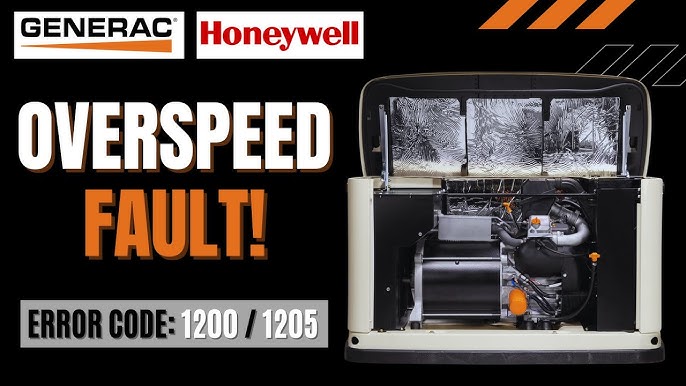
Your Honeywell attempted starting too many times without success. This safety feature prevents battery drain and starter damage. Don’t keep trying to start—it makes the problem worse.
Reset procedure: Turn key off, wait 60 seconds, then retry starting. Address the underlying issue (usually fuel or ignition) before repeated attempts. Three consecutive failed starts trigger this protection on most models.
Preventive Maintenance That Stops 90% of Starting Failures
The 2-Minute Pre-Use Checklist That Saves Hours of Troubleshooting
Spend 120 seconds preventing 2 hours of headache:
- Fuel: Minimum 1/4 tank for proper pickup (less fuel creates air pockets)
- Oil: Check level on level ground with clean dipstick
- Connections: Tighten battery terminals with clean cable ends
- Visual: Inspect for fuel leaks, loose wires, or damaged components
Pro tip: Keep a small flashlight in your generator storage area—you’ll need it during actual power outages when checking components.
Monthly Exercise Routine That Prevents Most Starting Failures
Running your Honeywell generator monthly prevents most starting failures. Load it to 50% capacity for 20-30 minutes—this circulates fuel, charges the battery, and identifies issues before emergencies.
Storage preparation: Add fuel stabilizer to fresh gasoline, run 10 minutes to circulate, then drain carburetor bowl for storage over 30 days. Never store with stale fuel in the system.
When Your Honeywell Generator Won’t Start Despite All Fixes
Red Flag Indicators Requiring Professional Service
Some symptoms require expert attention you shouldn’t ignore:
- Metal grinding sounds during cranking indicate internal engine damage
- Visible engine damage such as cracked blocks or broken components
- Electrical burning smells suggest wiring harness issues
- Repeated starting fluid use without success points to serious mechanical problems
Warranty considerations: Any generator under warranty deserves professional service. Document all troubleshooting steps taken—these records support warranty claims and prevent denial due to improper owner maintenance.
Final Note: Most Honeywell generator starting failures resolve through systematic fuel, electrical, and mechanical checks. Start with fuel level and battery voltage—they solve 80% of problems immediately. When in doubt, work through systems in order: fuel first, then electrical, then mechanical. Implement the monthly exercise routine and proper storage procedures to ensure your generator starts reliably when you need it most. Keep this guide accessible near your generator for quick reference during emergencies.


