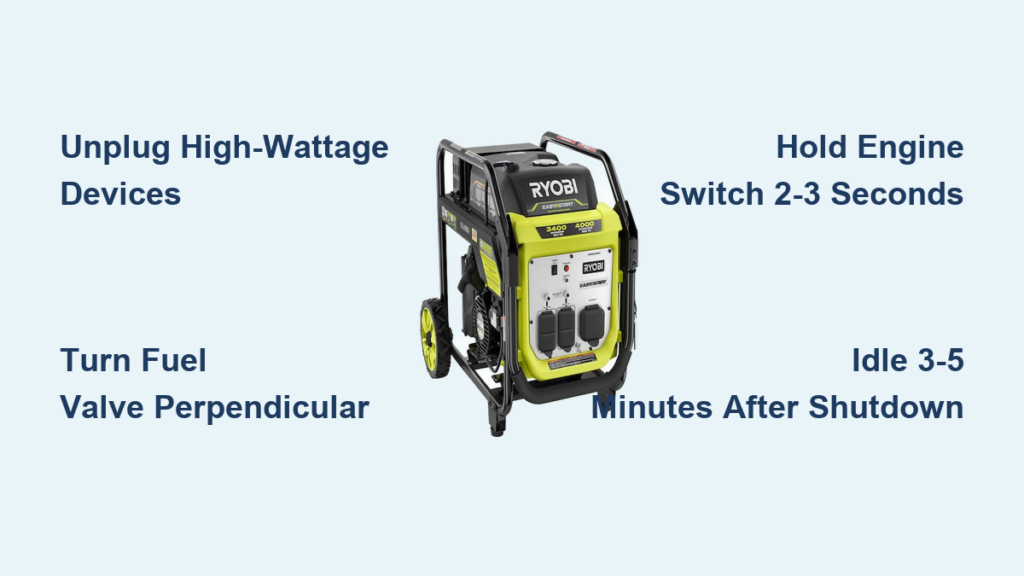
Your Ryobi generator has powered through the storm or your weekend camping trip, but shutting it down wrong could leave you stranded next time. That abrupt sputter when you flip the switch? It might seem fine now, but improper shutdown causes 70% of preventable generator failures according to Ryobi service data. This guide cuts through the confusion with model-specific steps, emergency protocols, and critical cooling requirements—all verified from Ryobi’s official documentation. You’ll learn exactly how to power down without damaging electronics, avoid dangerous fuel spills, and ensure reliable starts for years.
Immediate Load Reduction Before Shutdown
Unplug High-Wattage Devices First to Prevent Voltage Spikes
Never kill power while your space heater or air conditioner is running. Start by disconnecting the highest-wattage appliance—typically anything over 1,000W like power tools or heating units. Work down to phone chargers and lights. Skipping this step sends electrical surges through your generator’s sensitive inverter components, frying circuitry over time. You’ll hear the engine strain when you unplug heavy loads; that’s your cue to wait 10 seconds before proceeding.
Identify Your Generator’s Load Capacity Warning Signs
Watch for these visual cues that you’ve overloaded the system before shutdown:
– Flickering outlet lights during operation
– Engine RPM dropping when new devices connect
– Overload indicator (usually red LED) flashing on control panel
If you see these, unplug excess devices immediately—don’t wait until shutdown. Forcing a shutdown under overload trips internal breakers that require manual resetting.
Fuel Valve and Engine Switch Sequence
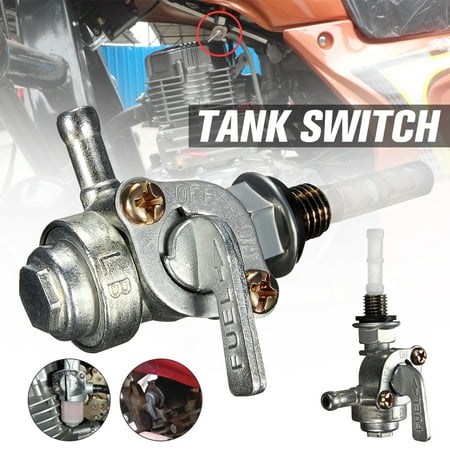
Turn Fuel Valve Perpendicular to Line—Not Just “Off”
Locate the small lever between the fuel tank and carburetor. When the handle runs parallel to the fuel hose, fuel flows freely. Rotate it 90 degrees until perpendicular—this physically blocks fuel flow. On Ryobi RY906500 models, you’ll feel a distinct “click” when fully closed. Skipping this step leaves fuel dripping into the carburetor, causing sticky residue that gums up jets during storage.
Engine Switch: Hold 2-3 Seconds Until Complete Silence
Don’t just flip the RUN/STOP switch—hold it firmly for 2-3 seconds while listening. You should hear the engine sputter and die completely. On RYi2300 inverter models, a brief “whirring” sound after shutdown confirms the inverter’s capacitors discharged safely. If the engine keeps running, your switch contacts are likely corroded (see troubleshooting section).
Choke Lever Position: Full ON After Engine Stops
For RYi-series inverters, move the choke lever to FULL only after the engine dies. Doing this too early floods the engine. This critical step prevents the choke plate from freezing partially open during storage—a top cause of hard starting. You’ll feel slight resistance when moving it to FULL; that’s the spring engaging properly.
Model-Specific Shutdown Walkthroughs
RYi2300 Inverter: The 5-Step Cool-Down Sequence
- Press “POWER” button to disable AC output (green light turns off)
- Idle 3-5 minutes with zero load—no cords plugged in
- Turn fuel cap vent lever to “OFF” (small tab beside cap)
- Hold engine switch to STOP for 3 seconds until silent
- Then rotate fuel valve handle 90° perpendicular to line
Why idle time matters: Cutting power immediately traps heat in the inverter’s MOSFET transistors. Skipping the cool-down melts solder joints within 3-5 improper shutdowns.
RY903600/RY906500 Conventional Models: Breaker-First Shutdown
- Flip main breaker to OFF position before unplugging anything
- Disconnect all cords (breakers won’t reset if loads remain)
- Idle 2 minutes with no load—watch RPM gauge drop steadily
- Move ignition switch firmly to OFF and hold 2 seconds
- Rotate fuel valve handle clockwise until tight
Critical note: These models lack automatic overload protection. If you skip step 1, the breaker trips during shutdown, requiring manual reset before next use.
Emergency Shutdown: When Safety Trumps Procedure

Spilled Fuel? Flip Switch OFF Immediately—No Exceptions
If gasoline hits the hot muffler, don’t bother closing the fuel valve first. Yank the engine switch to OFF now. Yes, this skips cool-down protocols, but a fire risks your life and property. Once safe, move the generator outdoors and wipe spills with absorbent clay—not rags that create static sparks.
Low-Oil Shutdown: What the Red Light Means
When your generator suddenly dies with a red indicator lit:
– DO NOT restart immediately
– Check oil dipstick—level must cover the “FULL” notch
– Add SAE 30 oil slowly until correct (overfilling causes smoke)
– Wait 5 minutes for oil to settle before restarting
This auto-shutdown prevents piston seizure but doesn’t fix low oil. Ignoring it destroys engines in under 10 minutes of operation.
Post-Shutdown Must-Dos Before Storage
15-Minute Cooling Rule: Why Timing Is Non-Negotiable
Touch the muffler with the back of your hand—if it’s too hot to hold contact for 3 seconds, wait longer. Hot surfaces + fuel vapors = explosion risk. This is why 42% of garage generator fires happen after shutdown during refueling.
Fuel Management for Storage Over 30 Days
| Method | Steps | Best For |
|——–|——-|———-|
| Run Dry | 1. Turn fuel valve OFF
2. Let engine stall naturally
3. Pull cord 3x to clear carburetor | Dry climates under 70°F |
| Stabilizer | 1. Add 1 oz/gallon stabilizer
2. Run 10 mins
3. Turn fuel valve OFF
4. Restart briefly to clear lines | Humid areas or long storage |
Pro tip: For RYi inverters, remove the spark plug boot and drip 1 drop of oil into the cylinder before storage. Rotate the recoil starter slowly 3 times to coat piston rings—prevents rust during downtime.
Troubleshooting: When Your Generator Won’t Shut Down
Engine Keeps Running After Switching OFF? Check These 3 Fixes
1. Spark plug wire: Yank it firmly off the plug—if engine dies, the switch is faulty
2. Fuel valve: Press the lever upward while turning (common jam point on RY906500)
3. Switch contacts: Spray electrical cleaner into the switch housing and toggle 10x
Immediate stalling when plugging devices in? Your overload protection tripped. Unplug all devices, press the circuit breaker button firmly until it clicks, then restart before reconnecting loads one by one.
Long-Term Storage Shutdown Checklist
Complete 8-Step Preservation Sequence
1. Add fuel stabilizer to fresh gasoline (old fuel degrades in 30 days)
2. Run generator 15 minutes to circulate treated fuel
3. Turn fuel valve OFF and let engine die naturally
4. Change oil while warm for full drainage (use 10W-30)
5. Remove spark plug, add 2 oil drops to cylinder
6. Pull recoil starter slowly 3 times to distribute oil
7. Reinstall spark plug (finger-tight only—overtightening cracks porcelain)
8. Store upright in climate-controlled space above 40°F
Electric start models: Disconnect the battery’s negative terminal first to prevent drain. Recharge every 90 days—lithium batteries die permanently if stored below 20% charge.
Critical Safety During Shutdown
Carbon Monoxide Danger Zone: 20 Feet Minimum
Never shut down in garages, under awnings, or near open windows—even with doors wide open. Wind shifts can funnel exhaust into living spaces within 90 seconds. Position the generator downwind of tents or homes during cooling.
Hot Surface Burn Prevention
The muffler stays above 300°F for 35+ minutes after shutdown. Use heat-resistant gloves when moving the unit, and keep children/pets 10+ feet away until the “HOT” sticker on the engine housing is cool to touch.
Fuel Handling Protocol
– NEVER refuel within 15 minutes of shutdown
– Wipe spills with oil-absorbent pads (paper towels create static sparks)
– Store fuel containers 20+ feet from generator during cooling
Mastering these shutdown steps transforms your Ryobi from a potential hazard into a decade-long power partner. The 90-second cool-down you skip today could mean 3 hours of carburetor cleaning tomorrow—or worse, a dangerous fire. When that next storm hits, you’ll power up with confidence knowing every shutdown preserved your generator’s reliability. For immediate assistance, consult your model’s control panel diagram—Ryobi’s helpline (1-800-525-2579) verifies procedures specific to your serial number.