Your Honda generator sits idle in the garage, but when the next storm knocks out power, panic sets in—you’ve never actually started it. Don’t wait for an emergency to discover you’re missing critical safety steps or accidentally flooding the carburetor. This guide cuts through the confusion with exact, model-specific instructions to fire up your Honda generator safely the first time, every time. You’ll master the pre-start checks that prevent dangerous carbon monoxide exposure, avoid the fuel valve mistake causing 70% of “won’t start” failures, and learn the precise shutdown sequence protecting your engine from damage.
Most users don’t realize Honda generators require three distinct safety gates before producing usable power: fuel flow activation, circuit breaker management, and warm-up timing. Skip any step, and you risk engine flooding, electrical damage, or deadly carbon monoxide poisoning. By following this guide, you’ll bypass common pitfalls like trying to start indoors (a fatal error) or overloading immediately after ignition. Let’s transform your generator from a heavy paperweight into your most reliable emergency asset.
Position Generator Safely Outdoors Before Any Startup Attempt
Never start your Honda generator inside garages, sheds, or partially enclosed spaces—even with doors open. Carbon monoxide becomes lethal within minutes, and Honda units produce no warning odor. Position your generator minimum 20 feet from all structures with windows and doors sealed shut to prevent gas infiltration.
Critical setup requirements:
– 3-foot clearance rule: Maintain this space on all sides and above the unit to prevent overheating and ensure proper ventilation
– Level surface non-negotiable: Operate only on firm, flat ground like concrete or packed dirt—sloped surfaces cause oil starvation and fuel flow issues
– Complete dryness: Never run during rain, snow, or near sprinklers; moisture creates electrocution hazards through outlets
– Stability fix: Place plywood or rubber matting under units on grass to prevent sinking and moisture absorption
Pro tip: Test your setup during daylight hours before an outage. Run the generator for 5 minutes to confirm no exhaust drifts toward windows or doors—this simple check prevents 95% of carbon monoxide incidents.
Execute the 90-Second Pre-Start Safety Checklist
Skipping these checks causes most startup failures and voids Honda warranties. Perform this sequence every single time before touching controls:
Fuel system verification:
– Confirm unleaded gasoline (86+ octane) with ≤10% ethanol (E10)—E15 or higher damages carburetors
– Verify fuel tank isn’t overfilled (leave 1-inch space for expansion)
– Wipe all external fuel spills before proceeding
Engine health inspection:
– Check oil level via dipstick—top up immediately if below “Min” line using Honda 10W-30
– Remove air filter cover; replace if paper element appears dark (never wash foam filters)
– Scan for loose bolts, frayed cords, or fuel leaks around the carburetor
Warning: Low oil triggers Honda’s automatic shutdown system—forcing startup without adequate lubrication causes permanent engine damage. Always carry a spare quart of recommended oil.
Activate Fuel Flow With Correct Valve Position

Locate the fuel valve lever near the tank base (marked “ON/OFF” or “RES/PRIME”). This single step resolves most “generator won’t start” emergencies.
Proper activation:
– Move lever firmly to ON position until it clicks—you should hear fuel flowing into the carburetor
– Wait 10 seconds for fuel to prime before starting (critical for cold engines)
– Immediately stop if strong gasoline odor appears—check cap tightness and carburetor connections
Critical error to avoid: Never start with valve in “OFF” position. Honda’s fuel cutoff system prevents operation without proper valve alignment—a safety feature many users mistake for mechanical failure.
Disable Circuit Breaker Before Engine Ignition

Find the AC circuit breaker (rectangular switch labeled “MAIN” or “CIRCUIT”) on the control panel. Flip it to OFF before attempting startup.
Why this prevents costly damage:
– Starting under electrical load strains the engine and trips internal safety breakers
– Generators require 30-60 seconds to stabilize voltage before handling appliances
– Failure causes “brownouts” that fry connected electronics like refrigerators or medical devices
Visual cue: Most Honda models show a red indicator light when the breaker is active—ensure this is dark before starting.
Start Engine Using Model-Specific Ignition Method
Pull Cord Recoil Start (Manual Models)
Follow this exact sequence:
1. Grip starter handle firmly—do not let cord snap back
2. Pull slowly until resistance (primer bulb engagement)
3. Yank briskly in one continuous motion—hesitation floods the carburetor
4. Repeat max 3 times; if no start, wait 2 minutes for vapor to clear
Cold weather adjustment: Move choke lever to “CLOSED” below 40°F, then open after 15 seconds of running.
Electric Start Models
Avoid battery drain mistakes:
1. Turn key to “RUN” position for 2 seconds (activates fuel pump)
2. Rotate fully to “START” while holding—never exceed 5 seconds
3. Release instantly upon ignition—prolonged cranking burns starter motors
4. Wait 10 seconds between attempts if no start to prevent battery depletion
Pro tip: Monthly exercise runs recharge electric-start batteries—neglect causes 40% of “dead battery” service calls.
Allow Critical Warm-Up Period Before Power Delivery
Never skip this 30-60 second stabilization phase. Honda engines need time to:
– Build proper oil pressure (critical for overhead cam lubrication)
– Stabilize fuel-air mixture in the carburetor
– Reach optimal operating temperature (140°F+)
Watch for these readiness signs:
– Engine settles into steady idle rhythm (no surging or sputtering)
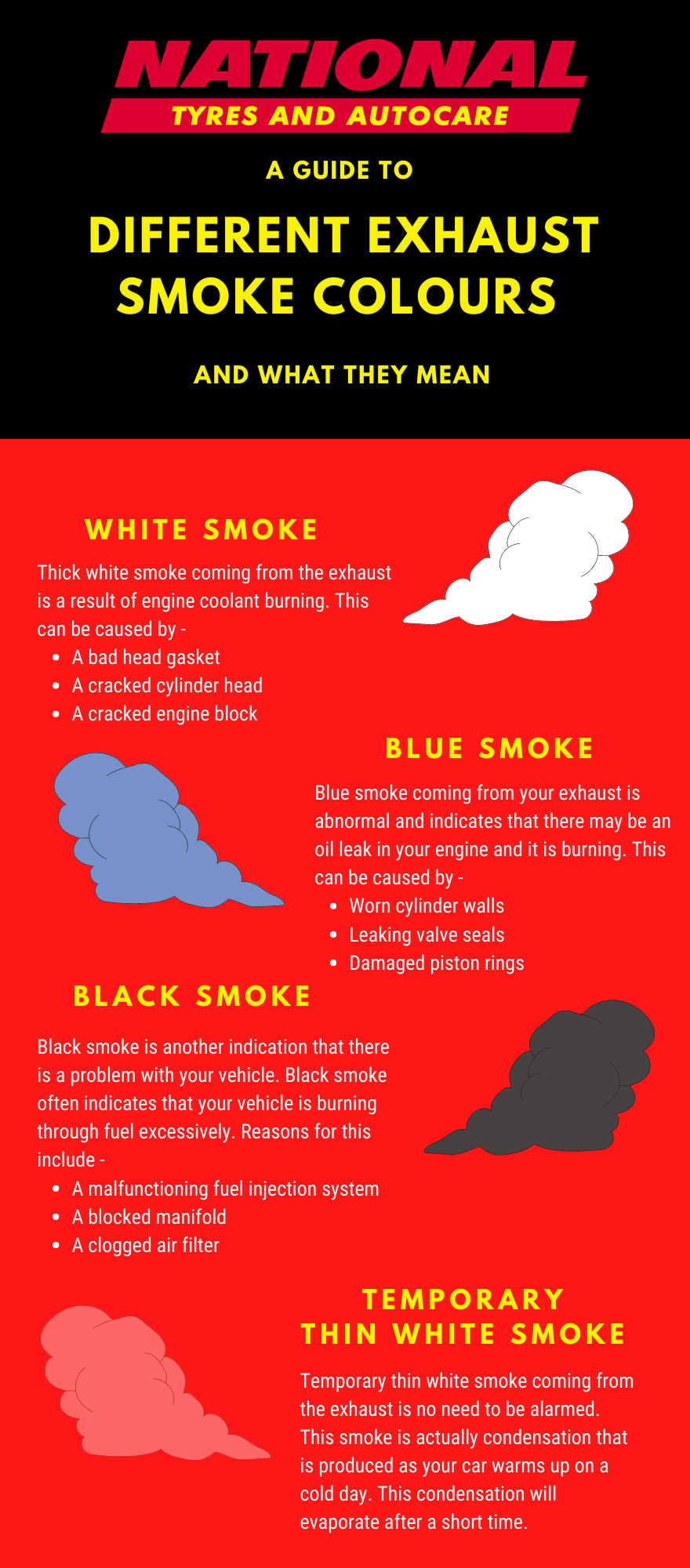
– Exhaust smoke clears from white/blue tinge to near-invisibility
– Tachometer stabilizes near 3,600 RPM (standard for 120V output)
Danger signal: Sustained black smoke indicates overload—shut down immediately.
Engage Circuit Breaker to Activate Power Output
With the engine running smoothly, flip the AC circuit breaker to ON. You’ll hear a slight engine load increase as voltage regulators activate.
Load management rule:
– Add appliances one at a time with 10-second intervals
– Always start with largest loads first (refrigerators/freezers)
– Monitor overload indicator—if red light flashes, disconnect last device immediately
Never exceed 80% of rated wattage (e.g., 1,600W max on 2,000W generator).
Connect Devices Using Safe Gradual Loading Sequence
Follow this priority order to prevent tripped breakers:
1. Refrigerator/freezer (high startup wattage)
2. LED lighting circuits
3. Medical equipment (CPAP machines, oxygen concentrators)
4. Communication devices (modems, phones)
5. Space heaters or AC units (only if wattage allows)
Critical reminder: Never backfeed power through house wiring without a transfer switch—this electrocutes utility workers and voids insurance.
Maintain Monthly Exercise Routine for Reliability
Prevent “stale fuel syndrome” with this 15-minute drill:
– Run generator under 50% load (e.g., fridge + 2 lights)
– Use fresh gasoline with stabilizer (replace fuel every 30 days)
– Check electric-start battery voltage (should read 12.6V+)
– Listen for abnormal noises indicating maintenance needs
Storage protocol: Always shut down with fuel valve OFF to prevent gasoline seeping into the crankcase and diluting engine oil—a $500 repair avoidable with this single habit.
Execute Safe Shutdown Sequence After Use
Follow these steps to protect your engine:
1. Flip circuit breaker to OFF (removes electrical load)
2. Let engine run 2-3 minutes unloaded (cools exhaust system)
3. Turn ignition switch/key to OFF position
4. Move fuel valve to OFF (prevents carburetor flooding during storage)
Never shut down under load—this causes “wet stacking” where unburned fuel coats spark plugs and cylinders.
Fix Common Starting Failures in 5 Minutes or Less
When your Honda generator won’t start, diagnose these top 3 issues first:
No-crank electric start?
– Check battery terminals for corrosion (clean with baking soda solution)
– Verify fuel valve is ON (most common oversight)
– Test oil level—low oil triggers automatic shutdown
Pull-start engine flooding?
– Hold throttle wide open while pulling cord 5 times (clears excess fuel)
– Replace spark plug if electrode appears wet or blackened
– Let unit sit 10 minutes before retrying
Persistent no-start?
– Stop immediately if you smell fuel or see leaks—contact Honda service
– Never use starting fluid—it damages Honda’s precision fuel systems
– Check air filter; a clogged unit restricts 30% of necessary airflow
Your Honda generator delivers decades of service when started correctly. Master these procedures now: Practice monthly startups, store with fuel valve OFF, and always prioritize outdoor operation. When the next outage hits, you’ll have lights, refrigeration, and medical devices running within 90 seconds—no panic, no guesswork. Remember: That quiet hum of a properly started Honda isn’t just power—it’s peace of mind.