Your generator coughs and dies on a frigid morning—just when you need backup power most. You check the fuel, spark plug, and air filter, but the culprit is simpler: you grabbed the wrong oil type from your garage shelf. This exact scenario happens to thousands of Predator generator owners each year who overlook the critical importance of using the correct predator generator oil type. Getting this detail right isn’t just about following instructions—it’s the difference between reliable power when the grid fails and expensive engine repairs that leave you in the dark.
Whether you’re maintaining a compact 1400-watt inverter for weekend camping trips or depending on a 9000-watt powerhouse for whole-home backup during storms, understanding the precise oil requirements for your Predator generator will prevent frustrating downtime and costly service visits. This comprehensive guide cuts through the confusion to deliver exactly what oil your specific model needs, when to change it, and how temperature swings affect your choice—so you’ll never face a preventable generator failure again.
What Oil Does Your Predator Generator Actually Need?
Standard Temperature Operation (Above 32°F)
Every Predator generator across Harbor Freight’s lineup—from the smallest inverter to the largest portable unit—requires 10W-30 engine oil as the standard specification for temperatures above freezing. This isn’t a suggestion but a critical requirement for proper engine function. The 10W-30 viscosity provides the perfect balance of fluidity and protection during normal operating conditions, ensuring your generator starts reliably and runs smoothly whether you’re powering essential appliances during an outage or running tools at a job site.
Cold Weather Operation (Below 32°F)
When winter temperatures consistently dip below freezing, your oil choice becomes mission-critical. Switch immediately to 5W-30 engine oil for reliable cold-weather performance. The thinner cold-temperature rating allows the oil to flow freely through the engine’s narrow passages even when mercury plunges, preventing sluggish starts and the potentially catastrophic engine damage that thickened oil can cause in freezing conditions. Generators left with 10W-30 oil during winter often suffer from extended cranking times that drain batteries and force metal components to operate with insufficient lubrication.
How Oil Viscosity Ratings Actually Work

The SAE grading system isn’t arbitrary—it’s engineered specifically for your generator’s protection. In 10W-30:
– 10W indicates the oil’s flow rate at 0°F (-18°C)—lower numbers flow better in cold
– 30 shows viscosity at normal operating temperature (212°F/100°C)
– 5W-30 provides identical high-temperature protection while flowing approximately 50% better during cold starts
This technical distinction explains why using automotive oil without checking specifications often leads to generator failure—small engines have different lubrication requirements than car engines.
Exact Oil Capacity for Your Specific Predator Model
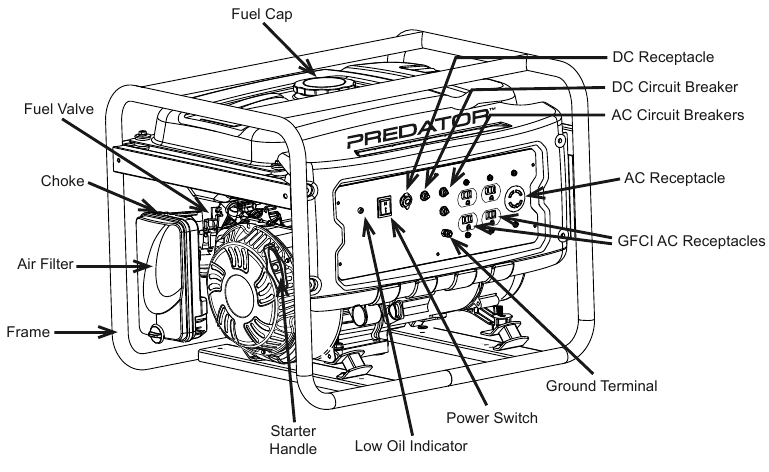
Small Inverter Generators (1400W Models)
Your 1400-watt super quiet inverter generator holds just 0.26 quarts (about 8.3 fluid ounces) of oil—less than a standard coffee mug. This tiny capacity means even minor overfilling or using the wrong oil type can trigger shutdown sensors or cause internal damage. These compact units often lack visible dipsticks, requiring precise measurement during oil changes.
Large Portable Units (9000W Models)
The 9000-watt gas-powered generator needs 1.16 quarts (about 37 fluid ounces) to operate correctly. While the larger capacity offers slightly more margin for error, using incorrect oil type still risks severe damage to the more complex engine. These models typically feature clear sight glasses or dipsticks for accurate level checking.
Critical warning: Never assume capacity based on wattage alone. A 3500W model might require 0.45 quarts while another requires 0.6—always verify in your owner’s manual before adding oil.
Predator Generator Oil Change Schedule by Model
First Oil Change (The Critical Break-In Period)
That brand-new generator needs its first oil change after the manufacturer-specified break-in period—typically 20 operating hours but varying by model. This initial change removes microscopic metal particles from engine break-in that would otherwise circulate and accelerate wear. Skipping this first change is the single most common cause of premature Predator generator failure.
Routine Maintenance Intervals
1400-Watt Inverter Models:
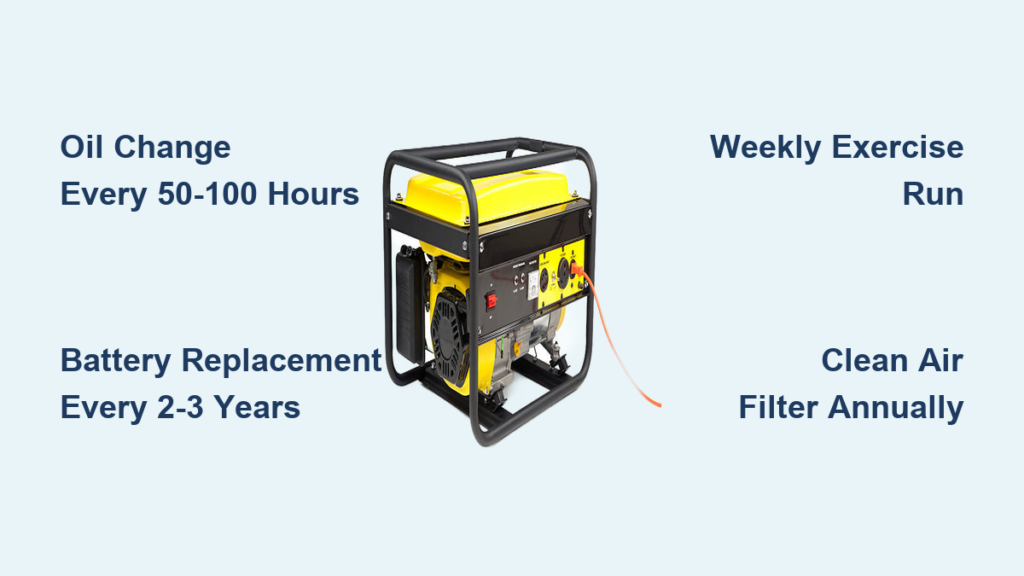
– Change oil every 6 months OR 100 operating hours
– Whichever milestone comes first takes absolute priority
– Light-use models still need biannual changes due to oil degradation
9000-Watt Heavy-Duty Models:
– Change oil monthly OR every 20 operating hours
– These workhorses generate more heat and contaminants
– Commercial users often change oil weekly during heavy use periods
Your specific model’s requirements fall somewhere between these extremes—always consult your manual.
How to Select the Perfect Oil for Your Predator Generator
Assess Your Operating Environment First
Before purchasing oil, answer these critical questions:
– Will this generator sit idle for months between uses?
– Do winter temperatures regularly drop below 20°F in your area?
– Is this your primary home backup or occasional job site power?
These answers determine whether you need both 5W-30 and 10W-30 in your maintenance kit.
Verify Your Exact Specifications
Never rely on memory or online forums for oil requirements. Instead:
1. Locate your model number on the generator’s metal housing plate
2. Download the official Harbor Freight manual for your specific model
3. Note any special requirements like API service classifications
4. Write the oil type directly on your generator with a permanent marker
Prepare for Seasonal Transitions
Smart generator owners maintain two separate oil supplies:
– 10W-30 for spring through fall operation (above 32°F)
– 5W-30 for winter months (below 32°F)
– Store both in clearly labeled containers with model-specific tags
– Change oil completely when transitioning seasons—don’t just top off
Most Costly Predator Generator Oil Mistakes to Avoid
Using Automotive Oil Without Verification
That bottle of 10W-30 in your garage might seem identical, but many automotive oils contain friction modifiers that damage small generator engines. Always choose oil specifically labeled for 4-cycle air-cooled engines with API service classification SJ or higher.
Ignoring Temperature Guidelines
Using 10W-30 oil at 20°F creates serious risks:
– Oil thickens to near-solid state during cold starts
– Critical engine components operate without lubrication for seconds
– Extended cranking drains batteries and wears starter components
– Cumulative damage leads to seized engines within one season
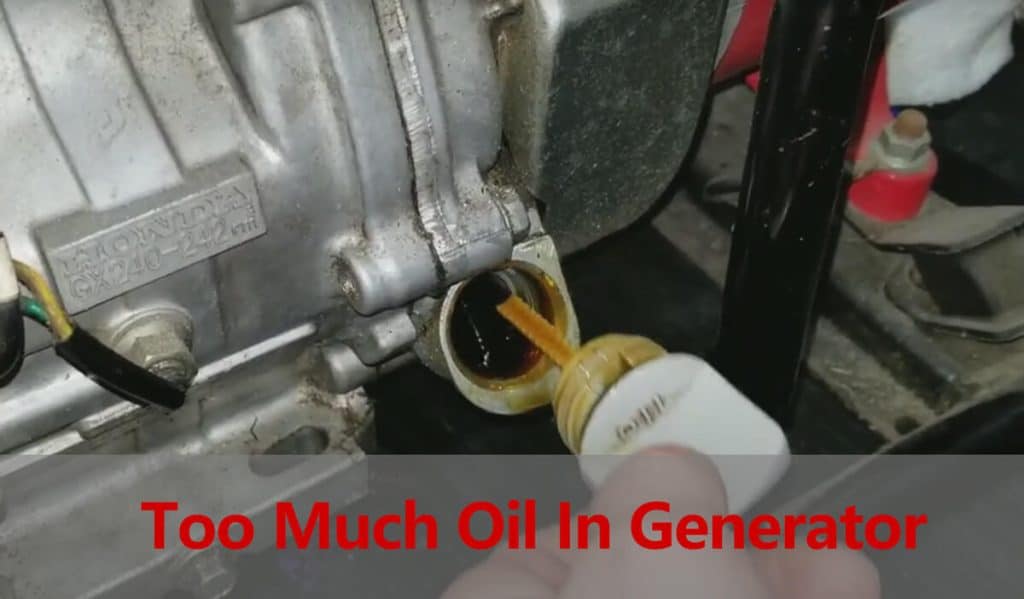
Overfilling Small-Capacity Engines
That 1400-watt inverter needs less than a cup of oil. Overfilling by just 2 ounces can:
– Create excessive crankcase pressure
– Force oil past seals into combustion chambers
– Trigger automatic shutdown sensors
– Cause blue smoke and carbon buildup
Troubleshooting Common Oil-Related Generator Failures
Generator Won’t Start in Cold Weather
Symptoms: Very slow cranking, failure to start, or immediate shutdown after starting
Diagnosis: 90% chance of incorrect oil type for temperature
Solution: Drain existing oil completely, replace with 5W-30, and reset oil level
Oil Level Warning Light Activates
Symptoms: Generator starts then immediately shuts off
Quick Fix: Check level on perfectly level ground—many generators give false readings on slopes. Add oil in 1/4 ounce increments until sensor clears.
Excessive Blue Smoke During Operation
Symptoms: Thick blue smoke from exhaust after startup
Likely Cause: Overfilled crankcase forcing oil into combustion chamber
Action: Drain excess oil immediately and check air filter—oil contamination often clogs filters
Pro-Level Predator Generator Oil Maintenance Tips
Create a Digital Oil Change Log
Track these critical details after each service:
– Date and accumulated operating hours
– Ambient temperature during change
– Oil brand and exact specification
– Any abnormal findings (metal shavings, unusual color)
Stock the Complete Oil Service Kit
Keep these items in your generator maintenance box:
– Correct oil type for current season (quart container)
– Proper funnel with narrow spout
– Oil drain pan with 2-quart capacity
– High-quality oil filter (if applicable to your model)
– Disposable gloves and shop towels
Winter Storage Oil Procedure
Before storing your generator for cold months:
1. Run unit for 10 minutes to warm oil thoroughly
2. Drain completely while warm (cold oil traps contaminants)
3. Refill with fresh 5W-30 oil for storage protection
4. Run for 2 minutes to circulate new oil through system
Predator Generator Oil Type FAQs
Can I use synthetic oil in my Predator generator?
Yes—quality synthetic 10W-30 or 5W-30 provides superior protection, especially for frequent use or extreme temperatures. Synthetics maintain viscosity better across temperature ranges and resist breakdown longer than conventional oils.
What happens if I accidentally use 5W-30 in summer?
While not immediately damaging, 5W-30’s thinner cold rating reduces high-temperature protection during summer operation. This can increase oil consumption and accelerate wear during prolonged use in hot conditions. Stick with 10W-30 for consistent summer operation.
How do I properly dispose of used generator oil?
Take used oil to any auto parts store (most accept free) or municipal hazardous waste facility. Never pour on ground or in drains—one quart can contaminate 250,000 gallons of groundwater. Store used oil in sealed, labeled containers until disposal.
Your Predator generator’s reliability depends entirely on proper oil selection and maintenance discipline. Whether you’re powering life-saving medical equipment during outages or running tools at remote locations, the right oil type ensures your investment delivers when you need it most. Remember: 10W-30 for above freezing, 5W-30 for below freezing, and always verify capacity for your exact model. When in doubt, your owner’s manual remains the ultimate authority—consult it before every oil change to guarantee trouble-free generator performance for years to come.