That first oil change on your new Champion generator can feel intimidating—especially when you’re staring at 10 different bottles at the hardware store, all claiming to be “the best.” Get it wrong, and you risk voiding your warranty or worse, seizing an engine that just cost you hundreds of dollars.
The good news? Champion keeps the oil selection process surprisingly straightforward once you know their system. This guide breaks down exactly which oil type works for your specific generator, how much you need, and when temperature swings should change your choice. You’ll never second-guess your champion generator oil type selection again.
Conventional vs Synthetic Oil Selection Guide
Champion doesn’t push proprietary blends—instead, they focus on matching proven oil grades to your exact engine and climate. Your generator will run reliably on conventional oil, but synthetic offers real advantages in extreme weather conditions that demand your attention.
Conventional Oil Performance Breakdown
Conventional oil works perfectly for most users and costs significantly less than synthetic alternatives. Use any high-quality 10W-30 or 5W-30 conventional oil meeting API service classification SJ or newer. This oil type provides adequate lubrication across typical temperature ranges and follows Champion’s standard maintenance intervals without complications. For everyday home backup power needs in moderate climates, conventional oil delivers reliable performance at the best value.
Synthetic oil becomes valuable in two specific scenarios:
– Temperatures drop below 20°F regularly
– You operate in sustained heat above 90°F
Remember this critical fact: synthetic oil does NOT extend your oil change intervals. Stick to Champion’s recommended schedule regardless of oil type—ignoring this detail is one of the most common generator maintenance mistakes.
Break-In Period Oil Requirements
Never use synthetic oil during your first five hours of operation. This break-in period allows the engine’s internal components to seat properly. During this critical phase, use only conventional oil to ensure proper piston ring seating and bearing surface conditioning. After five hours, drain the break-in oil completely and switch to your preferred type—conventional or synthetic. Skipping this step causes permanent oil consumption issues that shorten engine life.
Weather-Driven Oil Viscosity Selection Chart
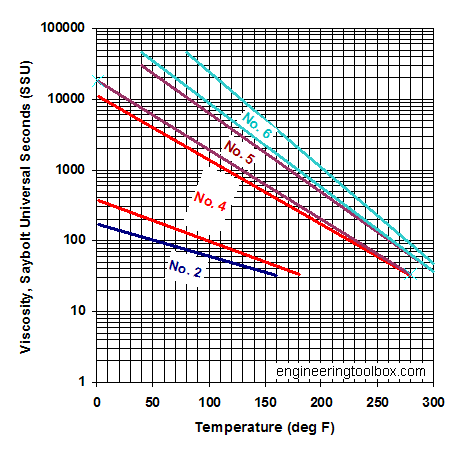
Temperature drives your viscosity choice more than any other factor. Champion’s guidelines align with standard automotive practices, making selection simple once you understand the relationship between ambient conditions and oil performance.
Below 32°F: Use 5W-30 (synthetic preferred for reliable cold starts)
32°F to 80°F: 10W-30 conventional works perfectly
Above 80°F: 10W-30 or straight SAE 30 both acceptable
The “W” rating indicates winter flow characteristics—lower numbers flow better in cold weather. Your generator will start easier and reach proper lubrication faster with the correct winter rating. Using the wrong viscosity in extreme temperatures directly impacts engine protection during those critical first minutes of operation.
Extreme Climate Oil Adjustments
In desert regions where temperatures exceed 100°F consistently, straight SAE 30 actually provides better high-temperature protection by maintaining proper viscosity under extreme heat. Conversely, northern users facing sub-zero starts should absolutely invest in full-synthetic 5W-30—conventional oil thickens dramatically in extreme cold, causing hard starting and inadequate lubrication during the critical warm-up phase. These climate-specific adjustments aren’t optional if you want reliable generator performance when you need it most.
Exact Oil Capacities by Champion Generator Model
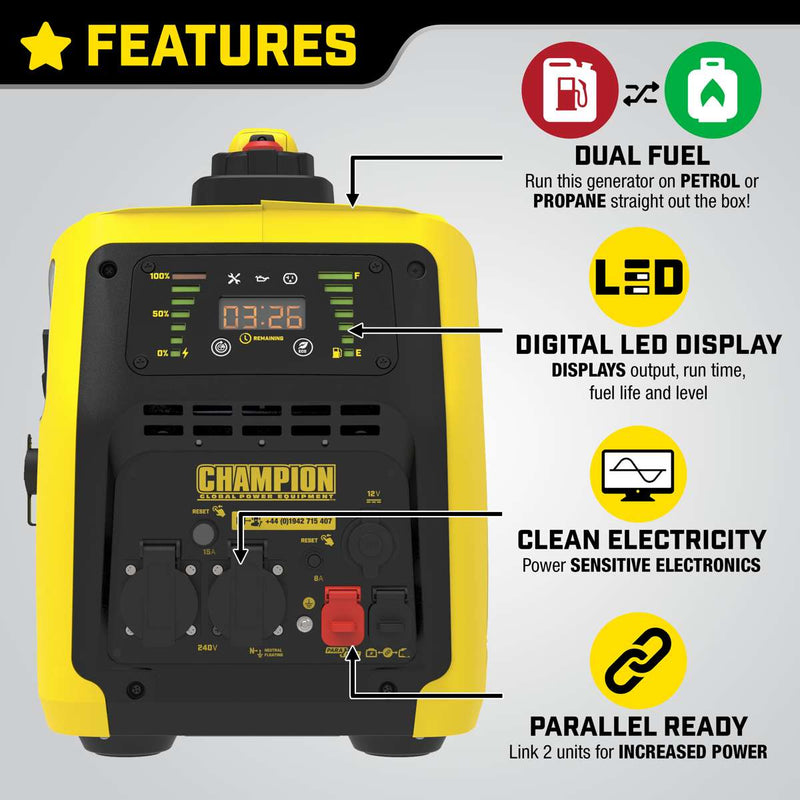
Finding your exact oil capacity takes just seconds once you know your engine displacement. Champion conveniently aligns most models with specific engine sizes, making identification straightforward. Always verify with the appropriate fill method after adding oil.
Small Portable Generators (80cc-224cc)
80cc engines found in 1200-1800 watt portables hold 0.4 qt (12.7 fl oz). Fill until oil touches all threads except the top two in the fill neck—this visual method is surprisingly precise.
2000-watt inverter generators require 0.4-0.5 qt (12.7-15.9 fl oz) using the same thread-contact filling method. Don’t be tempted to add extra oil “just in case”—overfilling causes immediate problems.
3100-3400 watt inverters and 114-224cc standard engines need 0.6 qt (19.2 fl oz). Some models use the thread-contact method while others employ a dipstick—check your manual to confirm which applies to your generator.
Mid-Size Units (270cc-459cc)
These engines power larger portable generators and some log splitters with a capacity of 1.1 qt (35.2 fl oz). Always verify with dipstick when equipped—never rely solely on volume measurements. These units often serve in demanding applications where precise oil levels directly impact performance during extended use.
Standby and Large Portable Generators
439cc home standby units (8.5kW models) require 1.1 qt (35.2 fl oz). Use automotive-style dipstick only—never fill to top of hole as this common mistake leads to smoking and seal damage.
717cc V-twin engines in 15,000-watt portables need precisely 1.4 qt (44.8 fl oz). Dipstick verification is critical due to larger volume—this engine size powers through demanding jobs where oil level accuracy matters most.
717-754cc standby engines hold 1.4-1.6 qt (44.8-51.2 fl oz), with exact volume varying based on oil filter length. Always check the dipstick after installation of a new filter to ensure proper level.
Correct Oil Filling Procedure for Your Champion Generator
Getting the oil level exactly right prevents both engine damage from low oil and smoking from overfilling. Champion provides two distinct methods depending on your generator model—using the wrong technique creates immediate problems.
Thread-Contact Method (Most Portables)
- Place generator on perfectly level surface
- Remove oil fill cap/dipstick completely
- Add oil slowly while watching fill neck
- Stop when oil touches bottom threads—leave top two threads dry
- Reinstall cap and run engine 2-3 minutes
- Recheck level after 5-minute rest period
This method works for most smaller Champion generators and provides remarkable precision when followed correctly. The visual confirmation eliminates guesswork that leads to capacity errors.
Dipstick Method (Standby and Larger Units)
- Ensure generator sits perfectly level
- Clean dipstick completely before checking
- Insert dipstick without threading in
- Oil should reach “FULL” mark—not higher
- Add small increments (2-3 oz) between checks
Critical warning: Never fill to the top of the oil fill opening. Overfilling creates excessive crankcase pressure, leading to seal failure and heavy smoking that contaminates your workspace.
Most Costly Champion Generator Oil Mistakes

Even experienced users make these errors that shorten engine life or create immediate problems requiring expensive repairs.
Temperature-Related Oil Selection Errors
Using 10W-30 in sub-zero weather guarantees hard starting and inadequate lubrication during the critical first minutes of operation. Conversely, 5W-30 in desert heat thins excessively, reducing protection under full load. Your champion generator oil type must match actual operating conditions, not just what’s convenient to purchase.
Capacity Overfilling Problems
The 717cc V-twin engines tempt users to “top off” beyond 1.4 quarts. This extra oil foams violently at high RPM, creating air bubbles that starve bearings of lubrication. Always respect the exact capacity—even if it looks low on the dipstick immediately after filling.
Break-In Period Oil Violations
Installing synthetic oil immediately voids your break-in requirements. The engine needs conventional oil’s slightly higher friction to properly seat piston rings and bearings. Skipping this step causes permanent oil consumption issues that manifest as blue smoke and reduced power output.
Synthetic Oil Upgrade Timeline for Maximum Benefit
Making the switch to synthetic oil makes sense for many users, but timing and expectations matter for optimal results.
When to Switch to Synthetic Oil
Convert to synthetic after completing the 5-hour break-in period and before your first scheduled oil change (typically 20-25 hours). The ideal time to switch is when facing extreme temperatures regularly—don’t wait until you’re stranded with a generator that won’t start in freezing conditions.
Realistic Synthetic Oil Performance Expectations
Don’t expect longer change intervals—Champion’s maintenance schedule remains the same regardless of oil type. However, you’ll notice tangible benefits including:
– 30% faster cold-weather starting in sub-zero temperatures
– Slightly quieter operation due to better cold-flow properties
– Enhanced high-temperature protection during extended runs at full load
Champion Generator Oil Maintenance Schedule
Champion’s oil maintenance follows simple hour-based intervals that prevent most engine problems before they start. Following this schedule is the single most cost-effective maintenance practice for your generator.
Standard Oil Change Schedule
- First change: 5 hours (break-in completion)
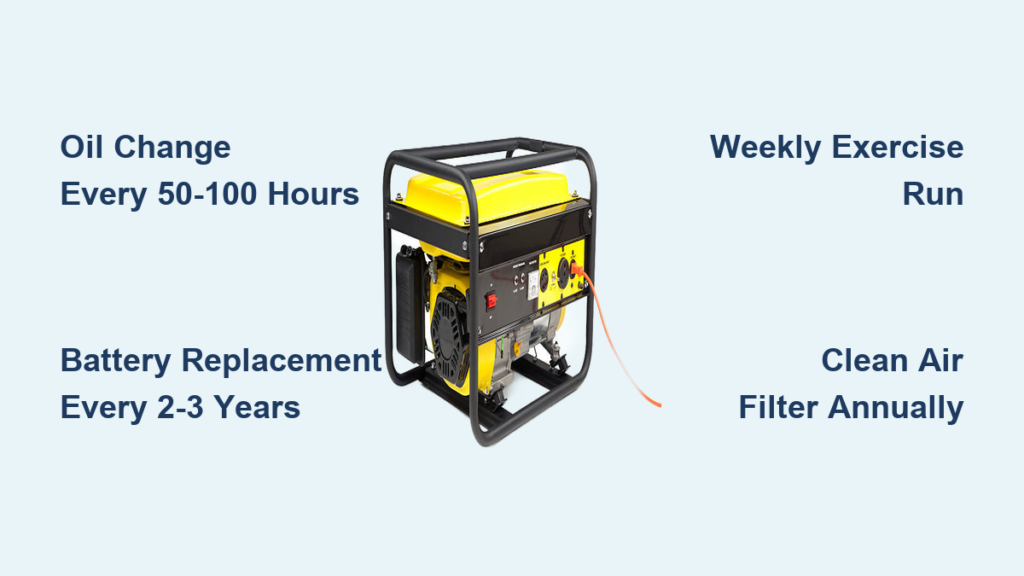
- Subsequent changes: Every 50 hours or 6 months, whichever comes first
- Severe service: Every 25 hours if used in dusty conditions or extended continuous runs
Seasonal Storage Oil Procedure
Before storing for winter:
1. Run engine to operating temperature
2. Drain oil completely while warm
3. Refill with fresh oil (consider 5W-30 for spring starts)
4. Run 2-3 minutes to circulate fresh oil
This simple procedure prevents acid buildup and moisture contamination during storage months, ensuring reliable start-up when you need power.
Final Champion Generator Oil Recommendations
Choose 10W-30 conventional oil for most applications under normal temperature ranges. Switch to synthetic 5W-30 only if you regularly face freezing starts or extreme heat. Always verify your exact engine displacement and use the precise capacity—this simple attention to detail will keep your Champion generator running reliably for years.
Remember: the cheapest insurance against expensive repairs is simply using the right oil, in the right amount, on the right schedule. Proper champion generator oil type selection and maintenance directly impacts your generator’s lifespan and reliability when power matters most.