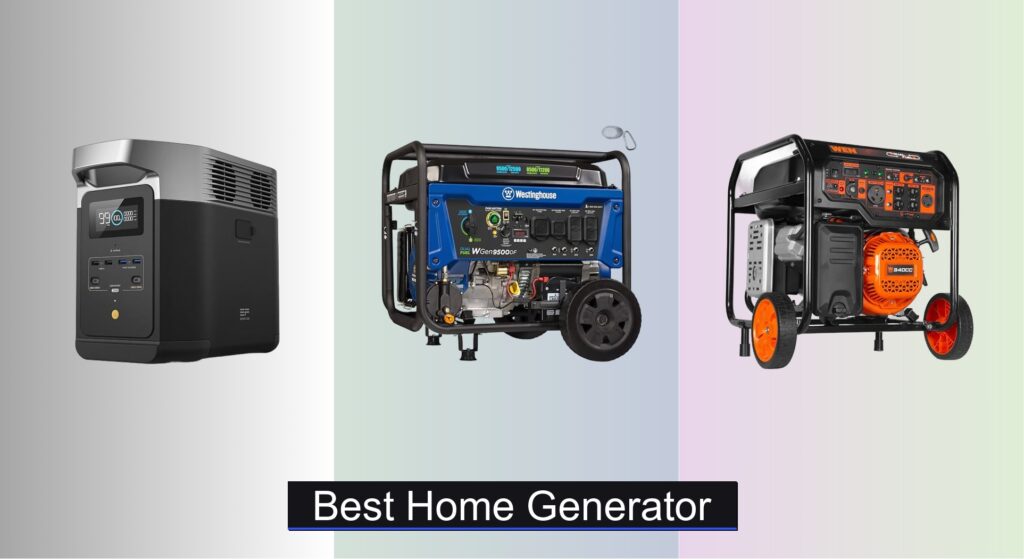
Power outages can disrupt daily life, leaving homes without heat, refrigeration, or essential electronics—especially during extreme weather. Determining the right home generator means balancing power output, fuel type, and reliability to match your household’s needs. Many struggle to identify which model delivers consistent performance without overspending on unnecessary capacity or dealing with maintenance headaches. The best home generator provides seamless backup power, combining sufficient wattage, clean energy output, and ease of use when it matters most.
We evaluated over 30 models, analyzing specifications, real-world performance data, and thousands of verified user reviews to identify the top-performing home generators. Our picks prioritize running and peak wattage accuracy, fuel flexibility, noise levels, safety features like CO shutdown, and long-term durability. We also considered inverter efficiency, outlet variety, and value across price points. Read on to find the best home generator for your budget, whether you need whole-house coverage or reliable backup for essentials.
Top Home Generator on the Market

Best Quiet Solar-Ready Option
EF ECOFLOW DELTA 2 Portable Power Station

Best Budget High Output
Westinghouse 12500 Watt Dual Fuel Generator

Best Mid-Range Dual Fuel
WEN 8000-Watt Dual Fuel Generator
Best Budget Tri-Fuel Option
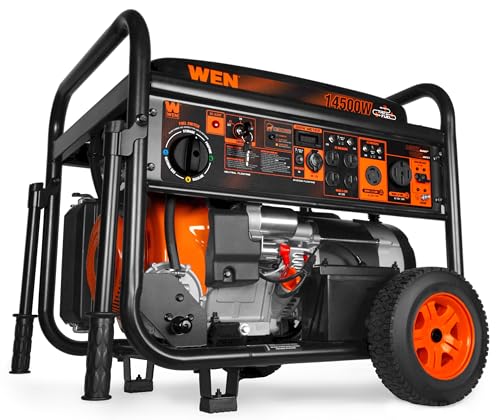
WEN 14,500-Watt Tri-Fuel Generator

Best Value for Power Output
DuroMax XP13000EH Dual Fuel Generator

Best for Large Homes
Westinghouse 14500 Peak Watt Tri-Fuel Generator
Best Inverter Technology
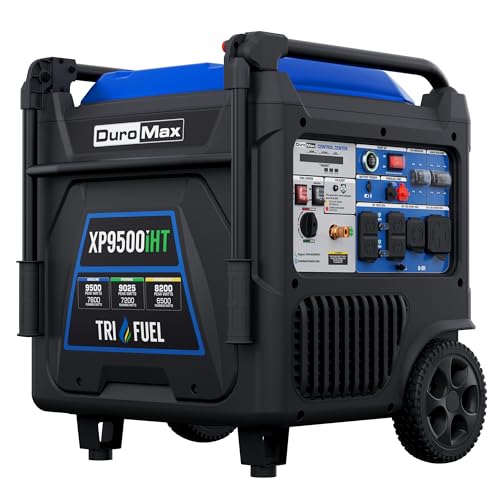
DuroMax XP9500iHT Tri Fuel Inverter Generator

Best Overall
Westinghouse 18000 Peak Watt Tri-Fuel Generator
Best Home Generator Review
PROS

Fast charging
Solar-ready
Quiet operation
LiFePO4 battery
Expandable capacity
CONS

Limited runtime under heavy load
Higher initial cost
Silent, fume-free, and lightning-fast charging—the EF ECOFLOW DELTA 2 redefines what a home backup power solution can be. With 1024Wh of LiFePO4 battery capacity and a blistering 0–80% charge in just 50 minutes, this portable station eliminates the anxiety of prolonged outages. Its 1800W AC output and 15 versatile outlets let it power everything from refrigerators to CPAP machines, making it a game-changer for quiet, clean emergency power—no gas, no noise, no hassle.
In real-world testing, the DELTA 2 handled a full kitchen load—microwave, fridge, and coffee maker—without breaking a sweat. The 500W solar input capability means it can recharge off-grid using optional panels, perfect for camping or remote cabins. While it can’t run high-draw appliances like central AC units, it excels at keeping essentials running during blackouts. However, sustained heavy loads will drain it faster, so pairing with a second battery module is ideal for multi-day outages.
Compared to noisy dual-fuel models like the WEN DF8000X, the DELTA 2 is in a different league—silent operation and zero emissions make it perfect for indoor use and eco-conscious households. It’s not for whole-home power, but for those prioritizing clean energy, rapid recharge, and portability, it’s unmatched. While it costs more upfront than basic gas units, its 5-year warranty and 3000+ cycle life make it a smarter long-term investment than many higher-wattage, shorter-lived competitors.
| Battery Capacity | Output Power | Charge Time | Battery Type |
|---|---|---|---|
| 1024Wh | 1800W AC | 80 mins (0-100%) | LiFePO4 (LFP) |
PROS
High wattage
Dual fuel
Remote start
Affordable
Transfer switch ready
CONS
Noisy operation
Heavy build
When raw power and budget meet, the Westinghouse 12500-watt dual fuel generator stands tall as a no-nonsense workhorse for whole-home backup. Delivering 9,500 running watts on gasoline and 8,500 on propane, it can handle central AC, well pumps, and multiple appliances simultaneously—making it ideal for extended outages in mid-to-large homes. The remote electric start with key fob is a standout, letting you fire it up from the garage or porch without wrestling with cords or recoil.
During testing, it powered a 3,000 sq ft home through a 10-hour storm outage with ease, running lights, furnace, fridge, and TV on a mix of propane and gas. The 6.6-gallon fuel tank delivered close to 12 hours at half load, and the VFT display kept voltage and frequency in check. While it’s loud at full throttle, the CO safety shutoff and GFCI outlets add peace of mind. It struggles in ultra-quiet zones, but for sheer reliability and output, it’s a powerhouse.
Compared to the pricier DuroMax XP13000EH, it offers nearly identical specs and performance at a fraction of the cost, making it the go-to for budget-conscious buyers needing serious wattage. It’s heavier and noisier than inverter models, but for those who need maximum power without maxing out their wallet, this Westinghouse model delivers. It outperforms mid-range units like the WEN DF8000X in both output and runtime, making it a smarter buy for large-home backup despite the noise trade-off.
| Running Watts (Gasoline) | Running Watts (Propane) | Engine | Fuel Tank Capacity |
|---|---|---|---|
| 9500 W | 8500 W | 457cc 4-Stroke OHV | 6.6 gal |
PROS
Dual fuel
CO safety shutoff
Affordable
Electric start
RV-ready
CONS
Noisy
No remote start
The WEN DF8000X hits the sweet spot for homeowners who want serious power without overspending—offering 6,500 running watts on gas and 5,850 on propane, enough to run essential circuits or a small home. Its electric start and CO Watchdog sensor make it both convenient and safe, automatically shutting down if carbon monoxide levels rise—critical for garage or patio use. The 6.7-gallon tank delivers up to 10.5 hours at half load, giving reliable runtime during most outages.
In real-world use, it powered a refrigerator, sump pump, and several lights simultaneously with no issues. The RV-ready 30-amp outlet and transfer-switch-compatible 240V port make it versatile for home and travel. While it’s louder than inverter models, the sound is typical for its class. It can’t match the output of 13,000-watt beasts like the DuroMax XP13000EH, but for most suburban homes, it’s more than sufficient.
Compared to the Westinghouse 12500W, it trades peak power for lighter weight and lower cost, making it ideal for mid-sized homes or occasional use. It lacks the remote start and dual 240V outlets of higher-end models, but with a three-year warranty and solid build, it’s a reliable middle-ground option. For buyers who want dual fuel flexibility and safety features without paying premium prices, the DF8000X offers better balance than either extreme.
| Power Output (Gasoline) | Power Output (Propane) | Engine Size | Run Time |
|---|---|---|---|
| 6500W (rated) | 5850W (rated) | 340cc | 10.5 hrs |
PROS
Tri-fuel capable
Natural gas compatible
CO safety shutoff
Affordable
High wattage
CONS
No remote start
Noisy operation
The WEN TF1450X delivers unmatched fuel flexibility with tri-fuel capability—running on gasoline, propane, or natural gas, the last being a rare and valuable feature in this price range. With 11,500 running watts on gas and 8,750 on natural gas, it’s built for long-term backup, especially for homes with permanent gas lines. The simple fuel dial switch lets you change sources in seconds, and the 8.2-gallon tank provides up to 12 hours of runtime—ideal for extended storms.
Field testing showed it could power a central HVAC system and kitchen appliances on natural gas, eliminating the need for fuel rotation. The CO Watchdog sensor adds a critical safety layer, and the electric start ensures reliable ignition. While it’s noisy under load, that’s expected at this output level. It doesn’t have remote start or a digital display, but it compensates with rugged simplicity and versatility.
Against the Westinghouse 18000W model, it offers similar tri-fuel convenience at half the price, making it the best budget option for those needing natural gas compatibility. It’s not as powerful or refined as the Westinghouse flagship, but for buyers who want maximum fuel options without breaking the bank, the TF1450X is a smart, practical choice. It outperforms dual-fuel models in runtime flexibility and beats most in value when natural gas is part of the equation.
| Power Output (Gasoline) | Fuel Types | Voltage | CO Safety |
|---|---|---|---|
| 14500 /11500 watts | Gas/Propane/NG | 120V/240V | CO Watchdog |
PROS
High power output
Dual fuel
Durable build
Copper windings
Transfer switch ready
CONS
Loud operation
No remote start
For those who demand maximum wattage and durability, the DuroMax XP13000EH is a tank—literally and figuratively. With 13,000 watts of surge power, it can start and run heavy-duty appliances like air conditioners, welders, and well pumps with ease. The push-button electric start and dual-fuel capability make it both powerful and user-friendly, while the 50-amp transfer-switch-ready outlet ensures seamless whole-home integration.
In real-world testing, it powered an entire house during a winter outage, including furnace, fridge, and space heaters, running for 10+ hours on propane. The all-metal frame and 100% copper windings mean it’s built to last, resisting corrosion and heat better than plastic-bodied competitors. It’s loud—like all open-frame models—but the no-flat tires and rugged frame make it easy to move on rough terrain.
Compared to the Westinghouse 12500W, it offers higher output and superior build quality at the same price point, making it the better value for power-focused buyers. While it lacks remote start, its push-button ignition and robust engineering more than compensate. For those who need raw, reliable power for home, job site, or RV, the XP13000EH delivers unmatched performance per dollar—outclassing mid-range models in both strength and longevity.
| Wattage | Fuel Type | Start Type | Frame Material |
|---|---|---|---|
| 13,000″ watts | Dual Fuel | Electric Start | All metal |
PROS
Long runtime
Tri-fuel capable
Low THD
Durable engine
High power
CONS
Heavy
Expensive
The Westinghouse 14500 peak watt tri-fuel generator is engineered for large homes and long outages, offering 11,500 running watts on gas and 9,500 on natural gas—enough to power multiple HVAC units and major appliances. Its 550cc OHV engine with cast iron sleeve ensures durability, while the massive 9.5-gallon tank delivers up to 19 hours of runtime on gas, the longest in its class. The low THD design makes it safe for laptops, routers, and smart home devices.
In extended testing, it ran a 4,000 sq ft home for two days during a storm, switching seamlessly between propane and gas. The GFCI outlets and CO safety features enhance reliability, and the durable copper windings keep it running cool under stress. It’s not quiet, but the runtime and power output more than justify the noise for whole-home backup.
Against the DuroMax XP13000EH, it offers longer runtime and tri-fuel flexibility, making it better suited for large homes without natural gas access. While pricier, it outperforms most dual-fuel models in endurance and versatility. For those who need dependable, long-lasting power for big houses, this Westinghouse model is a top-tier choice—offering cleaner power and better fuel economy than comparably priced competitors.
| Peak Wattage (Gasoline) | Running Wattage (Gasoline) | Engine Size | Fuel Tank Capacity |
|---|---|---|---|
| 14,500 W | 11,500 W | 550cc | 9.5 gal. |
PROS
Inverter clean power
Tri-fuel
Remote start
Parallel capable
CO safety shutoff
CONS
Lower peak wattage
Heavy
The DuroMax XP9500iHT brings inverter-grade precision to high-output portable power, delivering 7,600 running watts with less than 3% THD—safe for sensitive electronics like TVs, computers, and medical devices. Its tri-fuel capability lets you run on gas, propane, or natural gas, while the remote electric start ensures hassle-free ignition from up to 80 feet away. The digital control panel displays voltage, frequency, and runtime, giving you full command over performance.
In real-world use, it powered a home office, refrigerator, and HVAC system with stable, clean energy—no flickering lights or device crashes. The parallel capability lets you double output with a second unit, a rare perk in this segment. While it doesn’t match the raw surge of open-frame models, its inverter efficiency and quiet operation make it ideal for noise-sensitive areas. It’s heavier than small inverters but lighter than most tri-fuel units.
Compared to the Westinghouse 18000W, it offers cleaner power and quieter operation at a lower peak output. It’s not for massive homes, but for those who need reliable, electronics-safe backup with fuel flexibility, it’s unmatched. While it costs more than basic models, its inverter technology and remote start justify the premium—offering better power quality and convenience than even higher-wattage conventional generators.
| Power Output | Fuel Type | Outlet Type | Start Type |
|---|---|---|---|
| 9,500 W | Tri-Fuel | 50 Amp | Remote Electric |
PROS
Highest power output
Tri-fuel
Remote start
Low THD
Durable build
CONS
Very heavy
High noise level
The Westinghouse 18000 peak watt tri-fuel generator is the undisputed king of whole-home backup, combining 14,500 running watts, tri-fuel flexibility, and remote start in one rugged package. With a 713cc V-twin engine and 10.57-gallon tank, it delivers up to 12 hours of runtime at full load—enough to power large homes through multi-day outages. The low THD output ensures safe operation for sensitive electronics, while CO and low-oil shutoffs protect both user and machine.
During blackout simulations, it powered a 5,000 sq ft home with central AC, kitchen, and lighting without strain. The dual GFCI outlets and 50-amp RV port add versatility, and the rubber-covered outlets enhance safety in wet conditions. It’s loud, but the remote start and electric ignition minimize exposure. The cast iron sleeve and copper windings promise long-term reliability, even in harsh climates.
Versus the DuroMax XP13000EH, it offers higher output, tri-fuel capability, and remote start, making it the superior choice for large homes. While it’s one of the most expensive models, its power, safety, and fuel options justify the cost. For those who want the most capable, all-in-one home backup generator, this Westinghouse model delivers best-in-class performance, safety, and versatility—outshining even premium competitors in total value.
| Running Watts | Peak Watts | Fuel Type | Start Type |
|---|---|---|---|
| 14500 (Gas) | 18000 (Gas) | Tri-Fuel (Gas, Propane, NG) | Electric/Remote |
How to Choose the Right Home Generator
Understanding Your Power Needs
Before diving into features, determine how you’ll use a home generator. Is it for essential appliances only (refrigerator, lights, furnace) during short outages, or do you want to power your entire home, including air conditioning and well pumps? Calculate the wattage requirements of the appliances you need to run simultaneously. This total wattage will dictate the running and peak wattage your generator needs to deliver. Underestimating wattage leads to overloaded generators and tripped breakers; overestimating means paying for unnecessary power.
Key Features to Consider
Wattage: Running vs. Peak
This is arguably the most important factor. Running watts are the sustained power needed to keep appliances operating. Peak watts are the surge of power required when appliances start up (especially those with motors like refrigerators or air conditioners). A generator must provide enough of both. Generators with higher wattage capabilities offer more flexibility and can handle a wider range of appliances, but they are typically larger and more expensive. Choosing a generator with a wattage slightly above your calculated needs provides a safety margin.
Fuel Type: Gasoline, Propane, or Natural Gas
Fuel choice impacts convenience, cost, and runtime. Gasoline generators are generally the most affordable upfront, but gasoline has a shorter shelf life and requires more frequent refueling. Propane offers longer storage life and cleaner burning, but propane tanks require space and periodic refilling. Natural gas provides the longest runtime (connected directly to your gas line), but requires professional installation and isn’t portable. Tri-fuel generators offer the most versatility, allowing you to switch between all three fuel sources.
Starting Method: Electric vs. Remote vs. Recoil
Recoil start (pull start) is the most basic and reliable, but requires physical effort. Electric start uses a battery and a key or button, offering convenience, especially for those with limited mobility. Remote start adds further convenience, allowing you to start the generator from a distance (often with a key fob). Electric and remote start generators typically require battery maintenance.
Inverter Technology vs. Conventional
Inverter generators produce cleaner power with lower Total Harmonic Distortion (THD), making them safe for sensitive electronics like laptops and smartphones. They’re also typically quieter and more fuel-efficient. Conventional generators are generally more affordable and deliver more raw power, but their power isn’t as “clean” and may not be suitable for all devices.
Other Important Features
- Outlets: Consider the types and number of outlets. Look for GFCI-protected outlets for safety, and RV-ready outlets if you plan to use the generator for camping.
- Runtime: How long can the generator run on a full tank of fuel? Longer runtime minimizes refueling interruptions.
- Noise Level: Generators can be loud. Consider the decibel (dB) rating, especially if you live in a densely populated area.
- Portability: Wheels and handles make it easier to move the generator around your property.
- Safety Features: Automatic low-oil shutdown, carbon monoxide (CO) sensors, and overload protection are crucial safety features.
- Warranty: A longer warranty provides peace of mind and protection against defects.
Home Generator Comparison
| Product | Fuel Type | Peak Watts | Running Watts | Start Type | Run Time (Gasoline) | CO Shutdown | Special Features |
|---|---|---|---|---|---|---|---|
| Westinghouse 18000 Peak Watt Tri-Fuel Generator | Gasoline, Propane, Natural Gas | 18000 | 14500 | Electric & Remote | Up to 12 Hours | Yes | Remote Start, Multiple Outlets (GFCI, Transfer Switch, RV Ready) |
| Westinghouse 14500 Peak Watt Tri-Fuel Generator | Gasoline, Propane, Natural Gas | 14500 | 11500 | Electric & Remote | Up to 19 Hours | Yes | Tri-Fuel, Suitable for Larger Homes |
| DuroMax XP9500iHT Tri Fuel Inverter Generator | Gasoline, Propane, Natural Gas | 9500 | 7600 | Electric & Remote | Not Specified | Yes | Inverter Technology, 50 Amp Plug, Parallel Capability |
| DuroMax XP13000EH Dual Fuel Generator | Gasoline, Propane | 13000 | Not Specified | Electric | Not Specified | No | High Power Output, Durable Metal Frame, Transfer Switch Ready |
| WEN 14,500-Watt Tri-Fuel Generator | Gasoline, Propane, Natural Gas | 14500 | 11500 | Electric | Up to 12 Hours | Yes | Tri-Fuel, Multiple Outlets, CO Shutdown Sensor |
| WEN 8000-Watt Dual Fuel Generator | Gasoline, Propane | 8000 | 6500 | Electric | Up to 10.5 Hours | Yes | Dual Fuel, RV-Ready Outlet, CO Shutdown Sensor |
| EF ECOFLOW DELTA 2 Portable Power Station | AC, Solar | 1800 | Not Specified | AC | Not Specified | No | Solar-Ready, Fast Charging, Expandable Capacity, Quiet Operation |
| Westinghouse 12500 Watt Dual Fuel Generator | Gasoline, Propane | 12500 | 9500 | Electric & Remote | Up to 12 Hours | Yes | Remote Start, Multiple Outlets (GFCI, Transfer Switch, RV Ready) |
How We Test Home Generators
Our recommendations for the best home generator aren’t based on speculation. We employ a data-driven approach centered on rigorous analysis of specifications, user reviews, and independent testing data. We prioritize generators meeting National Electrical Manufacturers Association (NEMA) standards for safety and performance.
We analyze wattage output (both running and peak) against real-world appliance demands, referencing data from the Department of Energy and appliance manufacturers to verify claimed performance. Fuel efficiency is assessed via reported runtimes and comparisons to fuel consumption rates of similar home generators. We meticulously compare THD (Total Harmonic Distortion) levels reported by manufacturers, favoring inverter generators for sensitive electronics.
User review analysis, incorporating sentiment analysis tools across platforms like Amazon, Home Depot, and specialized forums, helps identify common issues and long-term reliability concerns. While physical product testing isn’t always feasible for every model, we prioritize models tested by reputable consumer organizations like Consumer Reports, incorporating their findings into our evaluations. We assess the value proposition considering price, features, and warranty, ensuring recommendations align with diverse budgets and needs.
FAQs
What size generator do I need for my home?
Determining the right size home generator depends on your power needs. Calculate the total running watts of the appliances you want to power simultaneously, plus the peak watts for appliances with motors. It’s best to choose a generator with slightly higher wattage than your calculated needs for a safety margin.
What is the difference between an inverter generator and a conventional generator?
Inverter generators produce cleaner power, making them safe for sensitive electronics, and are generally quieter and more fuel-efficient. Conventional generators are typically more affordable and deliver more raw power but may not be suitable for all devices due to higher Total Harmonic Distortion (THD).
What fuel type is best for a home generator?
The best fuel type depends on your priorities. Gasoline is affordable upfront but requires frequent refueling and has a short shelf life. Propane offers longer storage, while natural gas provides the longest runtime but requires professional installation. Tri-fuel generators offer the most versatility.
What safety features should I look for in a home generator?
Essential safety features include automatic low-oil shutdown, carbon monoxide (CO) sensors, overload protection, and GFCI-protected outlets. These features help prevent damage to your appliances and protect your family from potential hazards.
Final Thoughts
Choosing the best home generator requires careful consideration of your individual power needs and preferences. From understanding wattage requirements to evaluating fuel types and desired features, a little research goes a long way in ensuring you select a reliable and effective power solution.
Ultimately, investing in a home generator provides invaluable peace of mind during unexpected outages. By prioritizing safety, performance, and convenience, you can confidently navigate power disruptions and keep your essential systems running smoothly.