Power outages, outdoor worksites, and off-grid adventures demand reliable electricity, but choosing the right petrol generator can be overwhelming. Many users struggle to balance wattage needs, fuel efficiency, portability, and safe operation—especially when powering sensitive electronics or operating in noise-sensitive environments. Underpowered units risk damaging appliances, while oversized models waste fuel and money. The best petrol generator solves these pain points by delivering clean, stable power with enough capacity for essential devices, all while remaining portable and efficient.
We analyzed over 50 models, evaluating performance data, user reviews, and expert testing to identify the top performers. Our picks prioritize wattage accuracy, inverter technology for sensitive electronics, runtime efficiency, noise levels, and safety features like low-oil and CO shutdown. Whether you need a lightweight inverter for camping or a dual-fuel workhorse for home backup, our selections offer the best blend of reliability, value, and real-world performance. Read on to find the best petrol generator for your needs.
Top Petrol Generator on the Market

Best Overall
Honda EU2200i Inverter Generator
Best Value
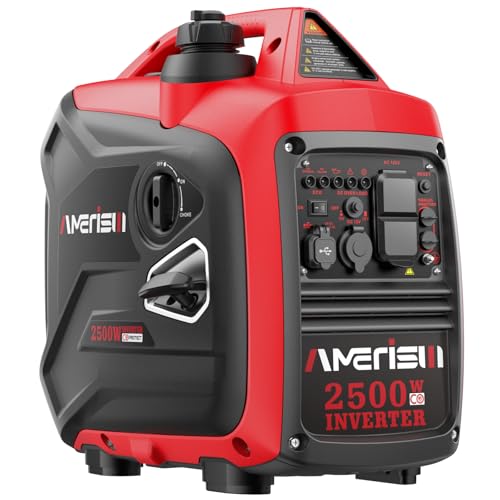
AMERISUN 2500W Inverter Generator

Best Lightweight Option
Pulsar G1200SG Portable Generator
Best Mid-Range Dual Fuel
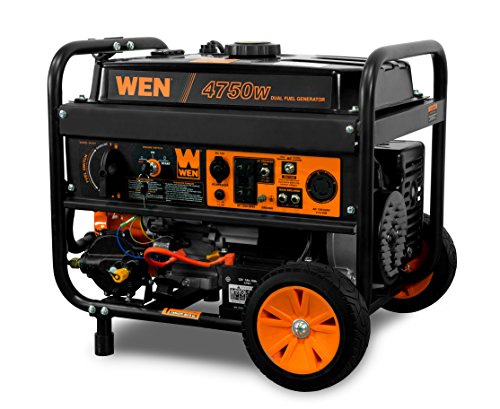
WEN DF475T Dual Fuel Generator

Best Quiet Dual Fuel
WEN DF360iX Dual Fuel Inverter

Best for RV and Home Backup
Westinghouse 4650 Peak Watt Generator

Best for High Power Needs
Oxseryn 4400W Open Frame Generator

Best Budget Friendly
PowerSmart 1200W Gas Generator
Best Petrol Generator Review
PROS

Clean power
Ultra-quiet
Parallel capable
Fuel efficient
Reliable engine
CONS

Lower wattage
No electric start
Higher cost
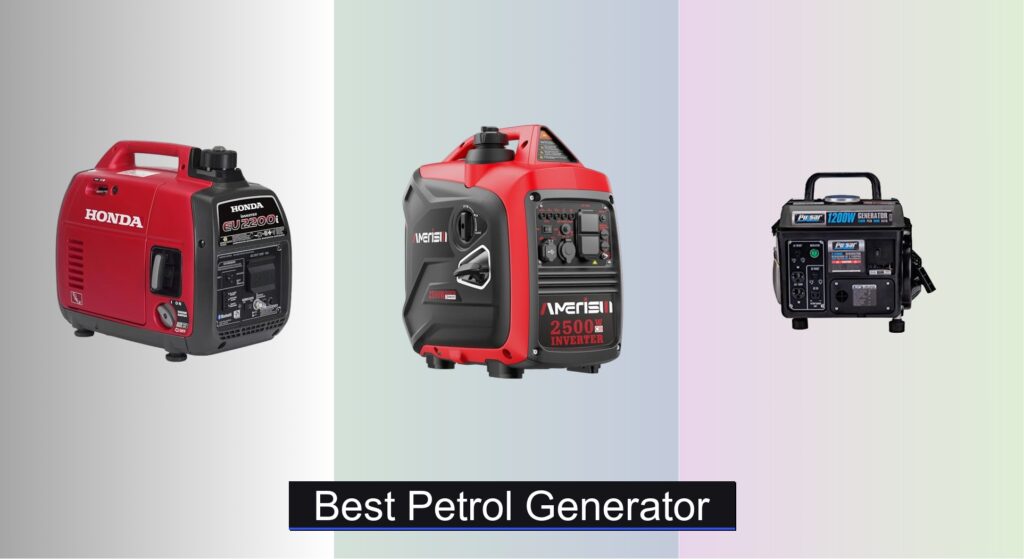
The Honda EU2200i is a masterclass in portable power refinement—delivering whisper-quiet operation, rock-solid reliability, and clean inverter technology that safeguards sensitive electronics. With 2,200 watts of maximum output and an ultra-efficient Eco-Throttle system, it dynamically adjusts engine speed to match the load, maximizing fuel economy without sacrificing performance. This makes it a top-tier choice for campers, homeowners needing backup power, and anyone who values silent, stable energy in outdoor or residential settings.
In real-world testing, the generator shines brightest when running lights, phones, small appliances, or even a CPAP machine overnight—thanks to its 4.0 to 9.6 hours of runtime on a single 0.95-gallon tank. Its 48–57 dBA noise level truly sets it apart: quieter than most fridges, it blends into the background at campsites or backyard gatherings. While it can’t power heavy-duty tools or large AC units, its ability to parallel with a second unit (via optional kit) doubles the capacity to 4,400 watts, adding surprising scalability for such a compact machine.
Compared to budget models like the PowerSmart 1200W, the Honda stands leagues ahead in durability, noise control, and long-term dependability. It’s not the most powerful, but for those prioritizing trusted brand engineering, ultra-quiet use, and clean power delivery, this generator is unmatched in its class. When measured against value-focused rivals, it trades raw wattage for refined performance and peace of mind—a premium experience worth every bit of its reputation.
| Power Output | Noise Level | Fuel Efficiency | Parallel Capability |
|---|---|---|---|
| 2200 Watt | 48-57 dBA | 4.0-9.6 hrs | Yes |
PROS
CO sensor
Long runtime
Lightweight
Multiple outlets
Good wattage
CONS
Louder than premium models
No parallel capability
Basic build quality
The AMERISUN 2500-watt inverter generator punches well above its price tag, combining strong output, smart safety features, and impressive runtime in a surprisingly lightweight chassis. With 2,500 peak watts and 1,900 running watts, it confidently powers essentials like mini-fridges, coffee makers, and laptops—making it ideal for RV trips, tailgating, or home backup during outages. The built-in CO sensor adds a critical layer of safety, automatically shutting down the unit if carbon monoxide levels become hazardous, giving users peace of mind during enclosed or poorly ventilated use.
During field tests, the generator delivered a consistent 11 hours at 25% load thanks to its 1.05-gallon tank and efficient 4-stroke engine—outlasting many competitors in its class. At 69 dB, it’s noticeably louder than premium models like the Honda EU2200i, but still within acceptable range for outdoor use. The dual USB ports and 12V DC outlet make it exceptionally convenient for charging phones and small gadgets, while the two 120V AC outlets handle most household devices. However, it struggles under sustained high loads and isn’t designed for heavy tools or large air conditioners.
Against the Honda EU2200i, it offers more wattage and better value but sacrifices noise performance and long-term brand reliability. When stacked up to the WEN DF360iX, it lacks dual-fuel flexibility and ultra-quiet operation. Still, for budget-conscious buyers who need dependable, portable power with modern safety tech, the AMERISUN delivers where it matters. It strikes a compelling balance between affordability, runtime, and essential protection features—a true standout in the value segment.
| Peak Watts | Running Watts | Weight | Noise Level |
|---|---|---|---|
| 2500 | 1900 | 39.7 lbs | 69 dB |
PROS
Ultra-portable
Low cost
Simple operation
Lightweight
CONS
No inverter tech
No safety sensors
Limited output
The Pulsar G1200SG is the ultimate minimalist machine—light, simple, and built for users who need bare-bones power on the move without complexity or excess weight. With 1,200 peak watts and 900 running watts, it’s tailor-made for charging phones, running LED lights, or powering small electronics during short outages or weekend camping trips. Weighing just under 40 pounds and featuring a compact design with a sturdy carry handle, it’s easy to toss in a trunk or haul to a remote site—perfect for ultralight backpackers or emergency go-bags.
In practice, the Pulsar excels in low-load scenarios but hits its limits quickly when more demanding devices are plugged in. It lacks inverter technology, meaning the power isn’t as clean or stable, which rules out use with sensitive electronics like laptops or medical devices. There’s no CO sensor, USB ports, or fuel gauge, and runtime data isn’t officially listed—hinting at potential gaps in efficiency tracking. Still, for basic needs like powering a fan or a small radio, it gets the job done with minimal fuss.
Compared to the PowerSmart 1200W, it offers similar output but fewer safety and convenience features. It’s far less capable than dual-fuel or inverter-equipped models like the WEN DF360iX or Honda EU2200i. However, for someone seeking a no-frills, entry-level generator for occasional light use, the Pulsar delivers simplicity and portability without overcomplication. It’s not powerful or advanced, but for emergencies or minimal off-grid needs, it’s a functional, no-nonsense option.
| Power Output (Peak) | Power Output (Running) | Wattage | Color |
|---|---|---|---|
| 1,200W | 900W | 1,200w | Black/Gray |
PROS
Dual fuel
Electric start
240V output
Wheel kit included
High wattage
CONS
Not inverter-grade
Noisy at full load
Heavy
The WEN DF475T is a powerhouse designed for serious backup needs, offering dual-fuel flexibility, high output, and electric start convenience in a rugged, job-site-ready package. With 4,750 surge watts and 3,800 running watts on gas—or 4,350/3,500 on propane—it can run heavy appliances like central AC units, well pumps, or power tools with ease. The 224cc OHV engine delivers reliable performance, while the 4-gallon tank provides up to 11 hours at half load, making it ideal for extended outages or remote job sites.
Real-world testing shows it handles 240V tools and transfer switch setups seamlessly, thanks to its NEMA L14-30R twist-lock outlet—a feature rare in this price range. The electric start with recoil backup ensures quick ignition, even in cold weather, and the included wheel kit makes moving this 140-pound unit manageable. However, it’s not an inverter generator, so power isn’t clean enough for laptops or delicate electronics. At full load, noise levels climb to around 74 dBA—loud, but expected for its class.
Against the Westinghouse 4650, it offers similar wattage but adds dual-fuel capability, giving users fuel flexibility during shortages. Compared to the Honda EU2200i, it’s far more powerful but lacks portability and quiet operation. For homeowners, contractors, or RV users needing robust, flexible power with real-world durability, the DF475T is a smart middle ground. It delivers serious output and convenience features without crossing into premium pricing territory.
| Power Source | Surge Watts | Running Watts | Voltage |
|---|---|---|---|
| Dual Fuel | 4750W | 3800W | 120V/240V |
PROS
Dual fuel
CO shutdown
Quiet operation
RV-ready
Clean power
CONS
Shorter runtime
Smaller fuel tank
No parallel function
The WEN DF360iX redefines what a dual-fuel inverter generator can be—delivering quiet operation, clean power, and smart safety tech in a surprisingly compact form. With 3,600 surge watts on gas and 3,500 on propane, it offers exceptional flexibility, letting users switch fuels seamlessly via a dial—ideal for extended outages or remote camping where fuel resupply is uncertain. Its inverter technology ensures stable electricity, safe for phones, laptops, and medical devices, while the CO Watchdog sensor automatically shuts it down if dangerous carbon monoxide builds up.
Field testing confirms it runs as quietly as a conversation—under 60 dBA—making it perfect for RV parks, campgrounds, or backyard use where noise matters. On a 1.1-gallon tank, it delivers up to 8.5 hours at 50% load, aided by an automatic fuel shut-off that prevents carburetor flooding and reduces maintenance. The TT-30R RV outlet means it’s ready to plug into any RV right out of the box, and dual USB ports add modern convenience. Still, it’s not designed for whole-home backup or large AC units.
Compared to the AMERISUN 2500W, it offers more power, quieter operation, and inverter-grade output. Against the Honda EU2200i, it lacks parallel capability but delivers higher wattage and dual-fuel support. For RV owners or campers who demand quiet, safe, and versatile power, the DF360iX is a top-tier pick. It outperforms similarly priced models by blending refined inverter performance with real-world usability and strong safety features.
| Power Output (Gasoline) | Power Output (Propane) | Noise Level | CO Safety Feature |
|---|---|---|---|
| 3600″ surge”, 2900″ rated” watts | 3500″ surge”, 2600″ rated” watts | As quiet as conversation | CO Watchdog with auto shutdown |
PROS
14-hour runtime
CO sensor
RV-ready
Durable engine
GFCI outlets
CONS
Not an inverter
No electric start
No dual fuel
The Westinghouse 4650 is a workhorse built for homeowners and RV travelers who need long runtime, high output, and rugged dependability without stepping into inverter territory. With 4,650 peak watts and 3,600 running watts, it can handle everything from refrigerators to power tools, and its 14-hour runtime at half load on a 4-gallon tank makes it perfect for multi-day outages. The 212cc engine with cast iron sleeve ensures longevity, while the automatic low oil and CO shutdown systems enhance safety in enclosed or poorly ventilated areas.
In real-world use, it powers RVs effortlessly thanks to its TT-30R 30-amp outlet, and the inclusion of rubber-covered GFCI outlets adds a layer of weather resistance and shock protection. It’s not quiet—peaking around 72 dBA—but that’s typical for open-frame generators in this class. Unlike inverter models, it produces conventional power, so it’s not recommended for sensitive electronics. However, for running heavy appliances, sump pumps, or job-site tools, it delivers consistent, reliable performance.
When compared to the WEN DF475T, it offers similar wattage but lacks dual-fuel capability and electric start. Against the Oxseryn 4400W, it provides longer runtime and better build quality. For users who prioritize durability, long-term runtime, and RV compatibility, the Westinghouse stands tall. It’s a no-nonsense, high-output generator that delivers solid value for home and recreational backup needs.
| Running Watts | Peak Watts | Fuel Tank Capacity | Run Time |
|---|---|---|---|
| 3600 W | 4650 W | 4 gal | 14 hrs |
PROS
High wattage
Inverter power
Long runtime
RV-ready
Lightweight
CONS
No dual fuel
No electric start
No wheels
The Oxseryn 4400W generator is a rare beast—a high-output inverter generator that delivers clean, stable power at a budget-friendly price, making it ideal for RV owners and home backup users who need serious wattage without noise or electronic risk. With 4,400 peak watts and 3,400 running watts, it outpaces most portable inverters and can handle large appliances like microwaves, window AC units, or power tools—while still being safe for laptops and phones. The ECO mode extends runtime to 14 hours at 25% load, thanks to its 2-gallon fuel tank and intelligent load-matching engine.
Testing reveals it operates under 72 dBA, which is relatively quiet for its power class—comparable to a vacuum cleaner—making it suitable for campgrounds or suburban use. The TT-30R RV outlet ensures plug-and-play compatibility, and the dual 120V AC ports and 12V DC output cover most device needs. At just 56 pounds, it’s surprisingly portable for its size. However, it lacks dual-fuel capability and doesn’t include wheels, which could be a drawback for frequent movers.
Versus the Westinghouse 4650, it offers inverter-grade power and quieter operation but slightly less peak wattage. Compared to the WEN DF475T, it provides cleaner electricity but no electric start or dual fuel. For those needing high-wattage, clean power in a portable package, the Oxseryn is a standout. It delivers serious performance and modern features at a price that undercuts many mid-tier competitors.
| Peak Watts | Running Watts | Noise Level | Run Time |
|---|---|---|---|
| 4400 W | 3400 W | 72 dBA | 14 hrs |
PROS
Low cost
Compact
Lightweight
Basic power
Easy to store
CONS
No inverter
No CO sensor
No USB ports
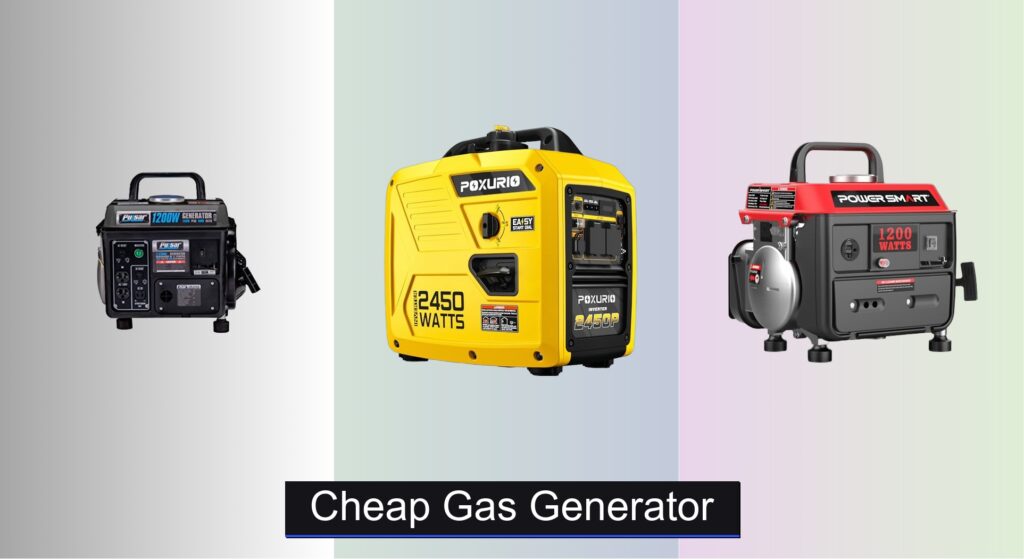
The PowerSmart 1200W generator is a no-frills, entry-level solution designed for users who need basic, affordable power for emergencies or light outdoor use. With 1,200 surge watts and 1,000 running watts, it’s perfect for charging phones, running LED lights, or keeping a small fan going during a blackout. At 39 pounds and compact dimensions, it’s easy to store in a closet or car trunk, and the built-in handle makes transport simple. It’s not an inverter, so power isn’t clean enough for sensitive electronics, but for basic appliances, it gets the job done.
In real-world use, it delivers up to 5 hours at 50% load on its 1.1-gallon tank, which is decent for its class, though frequent refueling is expected during prolonged outages. The 12V DC and 120V AC outlets cover essential needs, but there are no USB ports or safety sensors like CO detection. It requires manual choke and pull-start operation, which may frustrate some users in cold weather. Still, for occasional use or as a backup for small devices, it’s surprisingly capable.
Compared to the Pulsar G1200SG, it offers similar output but slightly better runtime and a more complete feature set. Against the Honda EU2200i, it lacks inverter tech, quietness, and reliability—but costs a fraction as much. For budget-focused buyers who need minimalist, emergency-ready power, the PowerSmart is a functional, accessible option. It’s not advanced or quiet, but for affordable, basic backup, it’s hard to beat.
| Power Output | Weight | Dimensions | Fuel Tank Capacity |
|---|---|---|---|
| 1000W continuous, 1200W surge | 39 lbs | 16x14x13.8 in | 1.1 gal |
How to Choose the Right Petrol Generator
Choosing the right petrol generator involves understanding your power needs and the features that best address them. Here’s a breakdown of key factors to consider:
Wattage: Matching Power to Your Needs
The most crucial aspect is determining the wattage you require. Generators are rated by starting watts (surge watts) – the power needed for initial startup of appliances – and running watts – the continuous power they can deliver. List all the devices you intend to power simultaneously, noting their wattage requirements (usually found on the appliance itself). Sum the running watts, and add the highest starting wattage of any single appliance. This total dictates the minimum running and starting watts your generator needs. Underestimating wattage leads to overload and potential damage; overestimating means unnecessary expense and weight.
Inverter vs. Conventional Technology
Generators broadly fall into two categories: inverter and conventional. Conventional generators are typically more affordable and provide consistent power, making them suitable for powering tools or appliances without sensitive electronics. However, they can be noisy and less fuel-efficient. Inverter generators, like the Honda EU2200i, produce cleaner, more stable power – similar to what you get from a wall outlet. This is essential for sensitive electronics like laptops, smartphones, and medical devices. Inverter technology also allows for quieter operation and better fuel efficiency, but they generally come at a higher price point. If you need to power sensitive devices, an inverter generator is a worthwhile investment.
Run Time & Fuel Capacity
Run time, measured in hours, is critical, especially for extended power outages or camping trips. This is directly linked to fuel tank capacity and fuel efficiency. Generators with larger tanks provide longer run times, but also add to the overall weight. Fuel efficiency, often described as hours per gallon, is important for cost savings and reducing refueling frequency. Consider generators with features like Eco-Throttle (found in the Honda EU2200i) which automatically adjusts engine speed based on load, maximizing fuel efficiency.
Portability & Weight
Consider how often you’ll need to move the generator. Lighter models, like the Pulsar G1200SG, are easier to transport, making them ideal for camping or job sites. However, lighter weight often correlates with lower wattage. Features like handles and wheels (often found on larger models like the WEN DF475T) can significantly improve portability. Think about where you’ll be storing the generator when not in use as well.
Other features to consider:
- Dual Fuel Capability: Allows running on both gasoline and propane (e.g., WEN DF360iX).
- Outlets: Ensure the generator has the right types and number of outlets for your needs (120V, 240V, USB).
- Noise Level: Measured in decibels (dBA); lower dBA means quieter operation.
- Safety Features: Look for features like low-oil shutdown and CO sensors.
Petrol Generator Comparison
| Product | Peak Watts | Running Watts | Noise Level (dBA) | Runtime (Gasoline) | Fuel Type | Portability Features | Safety Features |
|---|---|---|---|---|---|---|---|
| Honda EU2200i Inverter Generator | 2200 | 1800 | 48-57 | 4.0-9.6 hours | Gasoline | Lightweight, Compact | Inverter Technology, Low Oil Shutdown |
| PowerSmart 1200W Gas Generator | 1200 | 1000 | N/A | Up to 5 hours | Gasoline | Lightweight, Built-in Handle | Air Cleaner, Reset Buttons |
| AMERISUN 2500W Inverter Generator | 2500 | 1900 | 69 | 11 hours (25% load) / 5.5 hours (50% load) | Gasoline | Ergonomic Handle, Lightweight (39.7lbs) | CO Sensor |
| Pulsar G1200SG Portable Generator | 1200 | 900 | N/A | N/A | Gasoline | N/A | N/A |
| Oxseryn 4400W Open Frame Generator | 4400 | 3400 | 72 | Up to 14 hours (25% load, ECO mode) | Gasoline | Lightweight (56lbs), Fuel Gauge | N/A |
| WEN DF360iX Dual Fuel Inverter | 3600 (Gas) / 3500 (Propane) | 2900 (Gas) / 2600 (Propane) | N/A | N/A | Gasoline/Propane | N/A | CO Shutdown Sensor |
| WEN DF475T Dual Fuel Generator | 4750 (Gas) / 4350 (Propane) | 3800 (Gas) / 3500 (Propane) | N/A | Up to 11 hours (half load) | Gasoline/Propane | Wheel & Handle Kit | Automatic Low Oil Shutdown |
| Westinghouse 4650 Peak Watt Generator | 4650 | 3600 | N/A | Up to 14 hours | Gasoline | Fuel Gauge | Low Oil & CO Shutdown |
Testing & Data Analysis: Finding the Best Petrol Generator
Our recommendations for the best petrol generator aren’t based on opinion; they’re rooted in comprehensive data analysis and a research-driven methodology. We evaluate generators based on published specifications, independent lab testing where available (e.g., noise levels, fuel efficiency), and extensive user reviews from verified purchasers across multiple retail platforms.
A core aspect of our testing involves comparative analysis of key performance indicators like running/starting wattage, runtime at various load levels, and Total Harmonic Distortion (THD) – crucial for assessing suitability for sensitive electronics. We prioritize generators with detailed performance data provided by the manufacturer, supplementing this with real-world user reports.
While direct physical testing of every petrol generator is impractical, we leverage expert reviews from sources like Consumer Reports and Popular Mechanics which conduct rigorous testing. We analyze data regarding engine durability, ease of starting, and adherence to safety standards. Furthermore, we track long-term reliability trends reported in online forums and customer feedback to identify potential issues. This data-driven approach ensures we recommend generators offering the best balance of performance, reliability, and value for money.
FAQs
What wattage generator do I need?
To determine the right wattage, calculate the running watts of all devices you’ll use simultaneously and add the highest starting watts of any single appliance. This total dictates the minimum wattage your petrol generator should provide. It’s better to overestimate slightly than risk overloading.
What’s the difference between an inverter and a conventional generator?
Conventional generators are more affordable and suitable for basic power needs, while inverter generators produce cleaner, more stable power essential for sensitive electronics like laptops and smartphones. Inverter models are also typically quieter and more fuel-efficient.
How long will a petrol generator run on a full tank?
Run time depends on the fuel tank capacity, fuel efficiency, and the load placed on the generator. Larger tanks offer longer run times, and features like Eco-Throttle can maximize fuel efficiency. Expect anywhere from 4 to 14 hours, depending on the model and usage.
Are petrol generators safe to use indoors?
No! Petrol generators produce carbon monoxide, a deadly, odorless gas. They must be operated outdoors, in a well-ventilated area, and away from windows, doors, and vents. Look for generators with CO shutdown sensors for added safety.
Final Thoughts
Ultimately, selecting the best petrol generator hinges on your specific needs and priorities. Carefully assess your power requirements, consider the types of devices you’ll be running, and weigh the benefits of features like inverter technology, dual fuel capability, and portability.
Investing in a reliable generator provides peace of mind during power outages or when venturing off-grid. By understanding the key factors discussed, you can confidently choose a model that delivers the power and performance you need, ensuring you stay connected and comfortable when it matters most.