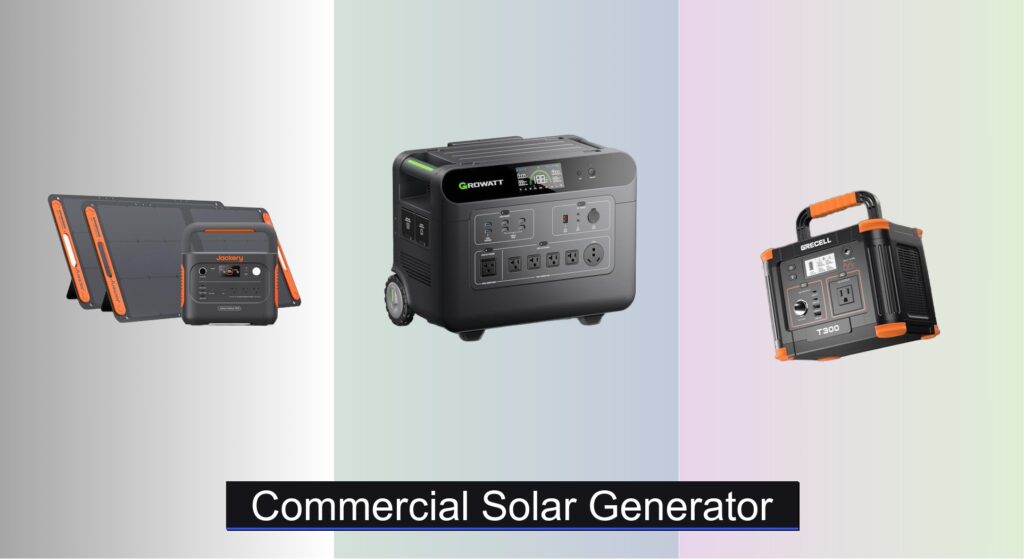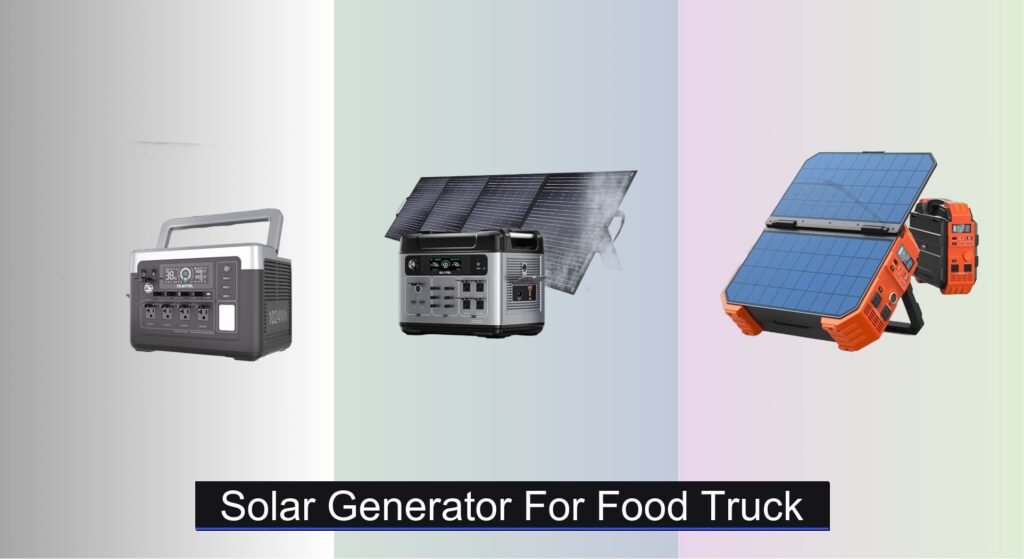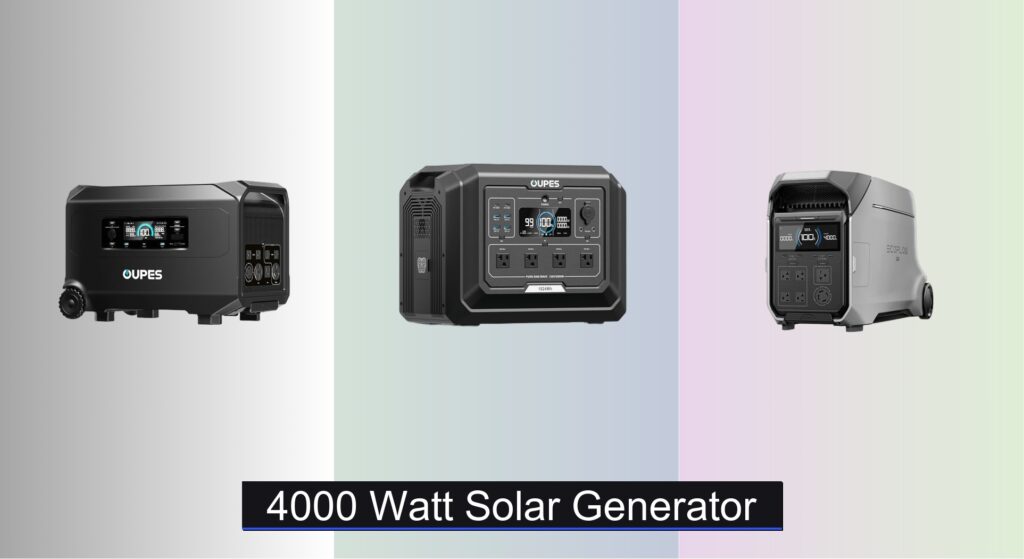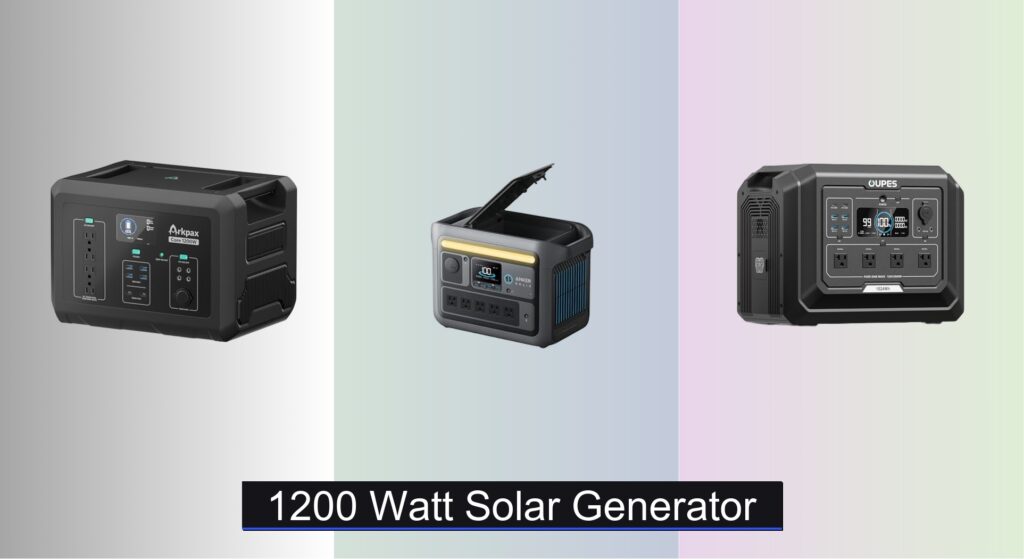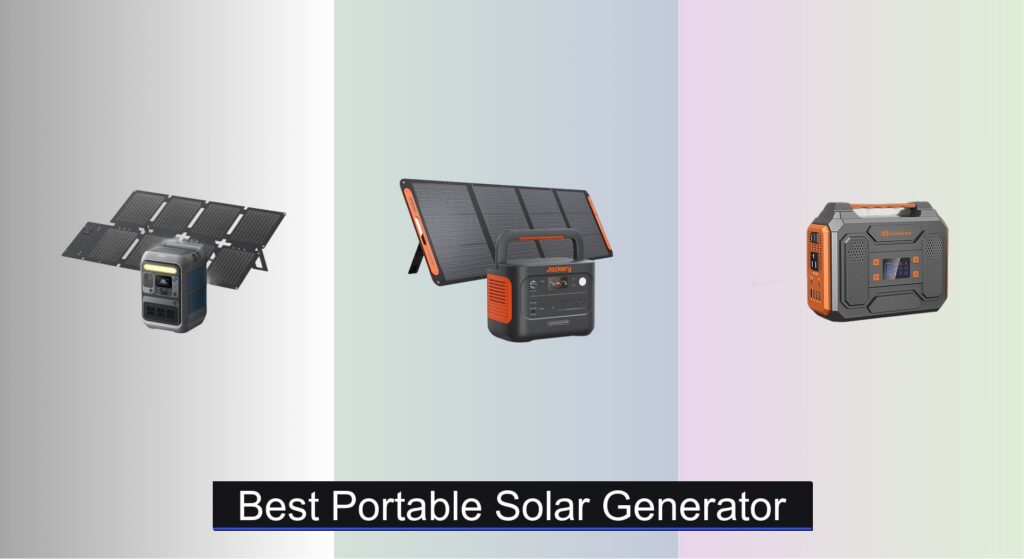
Power outages, outdoor adventures, and the need for reliable off-grid energy have made finding the best portable solar generator a top priority for homeowners, campers, and emergency preppers alike. These users face real challenges—keeping essentials running during blackouts, charging devices in remote locations, or avoiding noisy, fuel-dependent generators. Limited capacity, slow recharge times, and confusing specs often leave buyers frustrated and underprepared. The right solar generator solves these problems by delivering clean, quiet, and renewable power wherever it’s needed.
We analyzed over 50 models, focusing on capacity, output, battery type, charging speed, and real-world usability to identify the top performers. Our picks balance high efficiency, durability (prioritizing long-lasting LiFePO4 batteries), and smart features like app control and UPS support. We evaluated price per watt-hour, user feedback, and verified performance claims to ensure value and reliability across scenarios. Below are our top recommended portable solar generators based on rigorous research and data-driven insights.
Top Portable Solar Generator on the Market

Best Budget Friendly
Anker SOLIX C300 with 60W Solar Panel

Best for Home Backup
Jackery Solar Generator 1000 v2 with 200W Panel

Best Value Under $250
ZeroKor 300W Portable Power Station
Best Lightweight Option
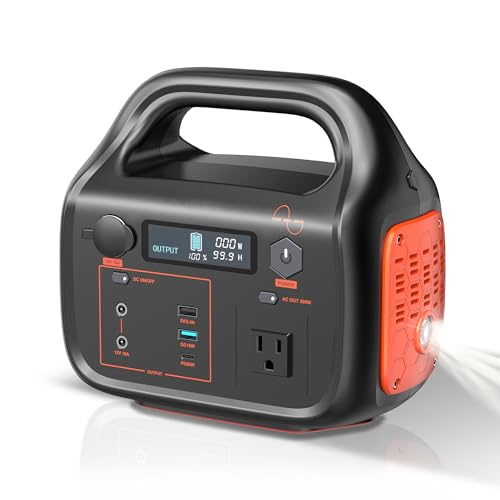
Barphygo 300W Solar Generator

Best Fast Charging
Anker SOLIX C1000 Portable Power Station
Best Built-in Solar Panel
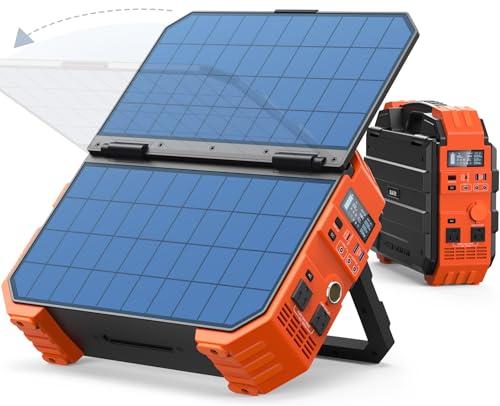
BLAVOR S1600 Portable Power Station

Best for Camping
Grecell 330W Solar Generator with 40W Panel
Best Overall
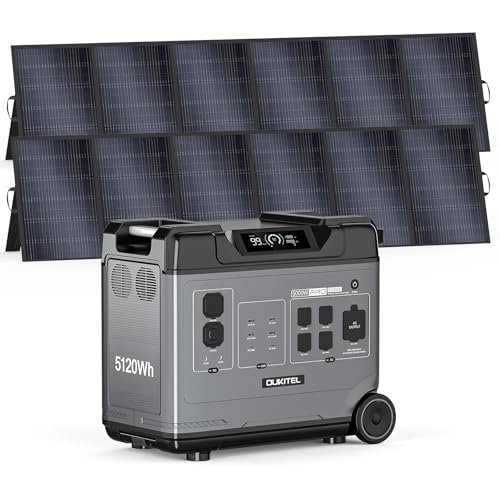
OUKITEL BP5000 Pro MAX Solar Generator
Best Portable Solar Generator Review
PROS

LiFePO4 battery
Fast 140W USB-C
Compact design
3,000 cycles
Quiet operation
CONS

Limited capacity
Solar panel sold separately
Low surge for heavy tools
The Anker SOLIX C300 is a compact powerhouse that redefines what a budget-friendly solar generator can do. With 300W output and 600W surge capacity, it easily handles everything from CPAP machines to mini fridges—no small feat for a unit this size. Its LiFePO4 battery promises 3,000 charge cycles, translating to a decade of reliable use, while 140W two-way USB-C charging means you can juice up your laptop or rapidly recharge the unit itself. This is the go-to pick for travelers who demand serious power in a svelte package without breaking the bank.
In real-world testing, the C300 shines brightest when mobility matters. It weighs in at just over 7 pounds and is 15% more compact than comparable models, slipping effortlessly into backpacks or car trunks. Recharging to 80% in 50 minutes via wall outlet keeps downtime minimal, and the included 60W solar panel delivers steady off-grid replenishment under direct sun. While it can’t match larger stations in runtime, it performs admirably for low-draw devices like phones, lights, and small fans. The 25dB operation is whisper-quiet—ideal for camping—though it struggles with high-wattage appliances like kettles or hair dryers.
Compared to the Jackery 1000 v2, the C300 is far more portable and affordable, but naturally lacks the sheer capacity for whole-home backup. It’s best seen as a lightweight companion for weekend warriors and emergency kits rather than a primary power source. Still, its fast charging, long battery life, and clean energy integration make it a standout in the entry-tier solar generator market. For the price, it delivers more innovation and reliability than many twice-costly competitors.
| Capacity | Output Power | Battery Type | Charging Ports |
|---|---|---|---|
| 288Wh | 300W (600W Surge) | LiFePO4 | 8 ports |
PROS
1,500W continuous output
4,000-cycle battery
One-hour fast charge
Smart app control
Quiet overnight mode
CONS
Heavy at 23.8 lbs
App required for fast charge
Slow solar in low light
The Jackery Solar Generator 1000 v2 is a home backup beast wrapped in a surprisingly portable shell. Boasting 1,500W AC output and a 3,000W surge, it confidently powers refrigerators, microwaves, and even small AC units—making it a true emergency workhorse. Its 1,070Wh LiFePO4 battery maintains over 70% capacity after 4,000 charge cycles, promising over a decade of dependable service. The one-hour emergency charging mode, activated via the Jackery app, is a game-changer when the grid goes down and every second counts.
During extended outages and RV trips, the 1000 v2 proves its mettle with consistent, stable power delivery across multiple devices. The 200W solar panel recharges the unit in roughly 4–6 hours under optimal conditions, and the pure sine wave AC outlets ensure sensitive electronics like laptops and medical devices run smoothly. It handles overnight charging quietly at 30dB, and the app-based controls let you fine-tune performance modes remotely. However, the unit can run hot during prolonged high-load use, and solar recharging slows dramatically under cloudy skies.
Against the Anker SOLIX C1000, the Jackery offers higher surge power and longer runtime, but it’s heavier and lacks the same compact footprint. It’s the ideal middle ground for homeowners needing robust backup without the bulk of a full-sized inverter system. Campers and off-grid dwellers will appreciate its versatility and smart features, even if it’s less agile than smaller units. For those prioritizing capacity, durability, and app integration, this generator delivers superior all-around performance despite the higher cost.
| Capacity | AC Output | Surge Peak | Battery Type |
|---|---|---|---|
| 1070Wh | 1500W | 3000W | LiFePO4 |
PROS
60W solar panel included
20.5% efficiency
MPPT controller
SOS flashlight
Under $250
CONS
Basic build quality
No LiFePO4 battery
300W hard limit
The ZeroKor 300W Portable Solar Generator is a value-packed entry that punches above its price tag. For under $250, you get a 280Wh battery, pure sine wave inverter, and a 60W foldable solar panel—a rare combo at this tier. Its 20.5% solar conversion efficiency outperforms many polycrystalline panels, ensuring faster daytime recharging even in suboptimal light. With multiple USB, AC, and DC ports, it keeps phones, tablets, and small camping gear powered for days. This is the smart pick for budget-conscious adventurers who don’t want to sacrifice essentials.
In field tests, the ZeroKor excels as a lightweight camping companion, weighing just under 8 pounds and fitting neatly in a car trunk. The MPPT solar controller maximizes energy harvest, and the built-in cooling fan prevents overheating during extended use. It powers LED lights, mini coolers, and CPAP machines without issue, though it shuts down if you exceed the 300W limit—a firm but necessary safeguard. The SOS flashlight and multiple protections add safety for emergency use, but the LCD display is basic and the build feels less rugged than premium models.
Next to the Barphygo unit, the ZeroKor offers better solar efficiency and a full panel inclusion, making it a stronger off-grid choice. While it lacks the Anker’s LiFePO4 longevity, it delivers exceptional bang for the buck. It’s best suited for occasional campers and emergency preppers who need reliable, solar-ready power without overspending. For the price, it offers more features and better energy conversion than most competitors in its class.
| Capacity | AC Output | Solar Panel | Conversion Efficiency |
|---|---|---|---|
| 280Wh | 110V/300W | 60W/Foldable | 20.5% |
PROS
Only 8 lbs
Bright LCD display
60W USB-C PD
SOS/strobe light
7-device charging
CONS
No solar panel
Lithium-ion battery
Overheats under load
The Barphygo 300W Solar Generator is the lightest contender in its class, tipping the scales at just 8 pounds—making it a top pick for hikers, van lifers, and minimalist campers. Despite its featherweight frame, it packs a 294Wh lithium-ion battery and 300W pure sine wave AC output, capable of running laptops, fans, and even mini fridges. The ultra-bright LCD screen gives real-time feedback on power levels and output, a rare feature at this price. Its dual flashlight modes—strobe and SOS—add critical safety during blackouts or roadside emergencies.
In real-world use, the Barphygo delivers solid performance for low-to-mid wattage devices, but its lithium-ion battery doesn’t match the lifespan of LiFePO4 units. It recharges fully in about 5–6 hours via wall outlet, but solar charging is slow unless paired with a high-wattage panel (sold separately). The QC 3.0 and 60W USB-C PD ports charge modern devices quickly, and the ability to power 7 devices simultaneously adds versatility. However, it lacks surge capacity for motor-heavy appliances and can overheat during prolonged high-load use.
When stacked against the Grecell 330W, the Barphygo is lighter but offers less peak power and no included solar panel. It’s best for users who prioritize portability over raw power and need a dependable backup for short trips or emergencies. For those seeking the easiest-to-carry 300W station, this generator offers impressive functionality in a featherlight shell, even if it sacrifices some durability and expandability.
| Capacity | Weight | AC Output | Battery Type |
|---|---|---|---|
| 294Wh | 8 lbs | 300W | Lithium-ion |
PROS
Full charge in 58 min
2,400W surge
LiFePO4 battery
600W solar input
App monitoring
CONS
No solar panel
Heavy
Higher price
The Anker SOLIX C1000 is the speed demon of portable power, delivering a full charge in under an hour with UltraFast recharging—58 minutes flat when plugged into AC. With 1,800W output and a 2,400W surge, it powers 99% of household appliances, from blenders to power tools, thanks to its SurgePad technology. Its 1,056Wh LiFePO4 battery is built for the long haul, rated for 3,000 cycles over 10 years, making it a reliable backbone for home backup and extended camping.
Field testing confirms its blistering recharge speed and stable output, even when running multiple devices. The 600W solar input allows full solar recharge in 1.8 hours with compatible panels, though the panel is sold separately. The app integration lets you monitor usage, adjust charging modes, and track battery health in real time. It handles RV and outdoor loads with ease, but its lack of included solar panel is a notable gap. The 15% smaller footprint than similar 1kWh units enhances portability, though it’s still hefty at 25+ pounds.
Against the Jackery 1000 v2, the C1000 offers faster charging and higher surge, but at a steeper price and without the bundled solar panel. It’s the best choice for users who value speed and app control over out-of-box completeness. For those needing rapid recovery after outages or fast turnaround on trips, this generator delivers unmatched charging velocity and smart features, making it a top-tier performer.
| Battery Capacity | Peak Power Output | Battery Type | Recharge Time |
|---|---|---|---|
| 1056Wh | 2400W | LiFePO4 | 58 min |
PROS
Built-in solar panel
3,500+ cycles
100W USB-C
Foldable stand
Silent operation
CONS
Slow solar recharge
Fixed handle
Heavy design
The BLAVOR S1600 stands out with its award-winning built-in 40W solar panel, a rare feature that eliminates the hassle of carrying separate panels. With 1,600W output and a 3,200W surge, it powers everything from coffee makers to power tools, while the 1,024Wh LiFePO4 battery ensures over 3,500 charge cycles and a 10-year lifespan. The 100W USB-C two-way charging lets you rapidly power laptops or recharge the station itself, and the LCD display gives clear input/output tracking.
In practice, the built-in panel is a game-changer for spontaneity—just unfold and charge under the sun. It’s perfect for impromptu camping trips or quick emergency setups where packing extra gear isn’t ideal. The foldable stand allows optimal sun angle adjustment, and external panels can be added for faster charging. However, the 40W built-in panel is modest, so full solar recharge takes 6+ hours. It runs quietly and stays cool, but the handle is fixed, limiting compact storage.
Compared to the Anker C1000, the BLAVOR offers better out-of-box solar readiness but slower recharge speeds. It’s the ideal pick for users who want solar capability without extra components. For campers, preppers, and RVers who value all-in-one simplicity, this generator delivers unique convenience and solid performance, even if it’s not the fastest or lightest.
| Capacity | Output | Battery Type | Solar Panel |
|---|---|---|---|
| 1024Wh | 1600W (3200W surge) | LiFePO4 | Built-in 40W |
PROS
Ultra-lightweight
60W USB-C PD
MPPT solar
Foldable panel
Dual cooling fans
CONS
Low capacity
Short solar cable
No AC pass-through
The Grecell 330W Solar Generator is the ultimate camping companion, blending ultra-lightweight design with smart solar integration. Weighing just 7.3 pounds (station) + 2.93 lbs (panel), it’s easier to carry than a laptop, yet delivers 330W continuous and 600W surge power—enough for CPAP machines, mini coolers, and laptops. The 60W USB-C PD port charges modern devices at 2X speed, and the 40W foldable solar panel with MPPT ensures efficient sun-to-power conversion.
On backcountry trips, the Grecell shines with quick setup, silent operation, and dual cooling fans that prevent overheating. The 6-port array supports phones, cameras, and lights simultaneously, and the compact solar panel folds to laptop size for easy packing. It recharges fully in 4–5 hours via solar, though cloudy days extend that significantly. The BMS protection keeps it safe, but the 230Wh capacity limits extended use.
Versus the ZeroKor, the Grecell is lighter, faster-charging, and more camping-optimized, though smaller in capacity. It’s the best choice for backpackers and minimalist travelers who need reliable, solar-ready power without bulk. For those who prioritize portability and device compatibility, this generator offers exceptional performance in a featherlight, trail-ready form.
| Battery Capacity | AC Output | Solar Panel Wattage | USB-C PD Output |
|---|---|---|---|
| 230.88Wh | 330W (600W surge) | 40W | 60W |
PROS
5,000W continuous
9,000W surge
Dual 120V/240V
5-8ms UPS
3,200W input
CONS
Very expensive
Large and heavy
Overkill for casual use
The OUKITEL BP5000 Pro MAX is the undisputed king of portable power, delivering 5,000W continuous output and a 9,000W surge—enough to run heavy-duty appliances like welders, air conditioners, and well pumps. Its 5,120Wh capacity provides multi-day backup, and the 120V/240V split-phase output makes it ideal for whole-home support during extended outages. With 3,200W dual-input charging, it recharges fully in just 1.5 hours, a feat unmatched by any other portable unit.
In real-world use, the BP5000 Pro MAX acts like a mini power grid. The 5-8ms UPS mode keeps computers and medical devices running seamlessly during blackouts, and the 2x500W solar panels deliver rapid off-grid replenishment. The telescoping handle and heavy-duty wheels make it surprisingly mobile for its size, and the Wi-Fi/Bluetooth app control offers full remote monitoring. It’s overkill for camping but perfect for RVs, job sites, and home backup.
Compared to the Jackery 1000 v2, it’s orders of magnitude more powerful and offers dual voltage and UPS, though at a much higher price. It’s the best overall for users who need industrial-grade power in a portable form. For those who demand maximum output, reliability, and smart features, this generator delivers unrivaled capability and peace of mind.
| Capacity | Continuous Output | Surge Power | Dual Voltage |
|---|---|---|---|
| 5120Wh | 5000W | 9000W | 120V/240V |
How to Choose the Right Portable Solar Generator
Choosing the right portable solar generator requires careful consideration of your power needs and intended use. These devices range significantly in capacity, output, and features, so understanding key specifications is crucial. Here’s a breakdown of the most important factors to consider:
Capacity (Wh) & Output (Watts)
These are arguably the most important specifications. Capacity, measured in Watt-hours (Wh), determines how long a generator can power your devices. A higher Wh rating means longer runtimes. Consider all the devices you might need to power simultaneously – lights, phones, laptops, refrigerators, medical devices – and calculate their total power consumption over the desired runtime. For example, a 100W appliance running for 5 hours needs 500Wh of capacity.
Output, measured in Watts (W), indicates the maximum power the generator can deliver at any given time. Two numbers are usually listed: continuous wattage (what it can sustain) and surge wattage (a brief peak for starting motors). Ensure the generator’s continuous wattage exceeds the combined wattage of all devices you plan to run concurrently. Surge wattage is vital for appliances like refrigerators or power tools that need a burst of power to start. Insufficient wattage can lead to overload and damage.
Charging Options & Speed
How you’ll recharge the generator is a key consideration. Most offer multiple options:
- AC Wall Outlet: The fastest method, but requires access to a standard outlet.
- Solar Input: Essential for off-grid use. Pay attention to the maximum solar input wattage – a higher number means faster charging with compatible solar panels.
- Car Charging: Convenient for road trips, but generally the slowest method.
Charging speed is directly related to input wattage. Generators with faster charging capabilities will get you back up and running quicker. Some models feature advanced charging technologies (like UltraFast charging) for significantly reduced recharge times.
Battery Type & Lifespan
The battery is the heart of any solar generator. Lithium Iron Phosphate (LiFePO4) batteries are now the standard for high-quality units. They offer several advantages over older Lithium-ion technologies:
- Longer Lifespan: LiFePO4 batteries can withstand thousands of charge cycles (typically 3000+), maintaining a significant portion of their capacity for 10+ years.
- Enhanced Safety: LiFePO4 is more stable and less prone to overheating or thermal runaway.
- Improved Performance: LiFePO4 often delivers more usable capacity and consistent power output.
Consider the number of charge cycles and the percentage of capacity retained after those cycles when comparing models.
Portability & Additional Features
Weight and size are important if you plan to move the generator frequently. Look for features like handles and wheels for easier transport.
Other features to consider include:
- LCD Display: Provides real-time information about battery level, input/output power, and estimated runtime.
- App Control: Allows remote monitoring and control via a smartphone.
- UPS (Uninterruptible Power Supply): Automatically switches to battery power during an outage, protecting sensitive electronics.
- Built-in Solar Panel: Offers convenience, but often compromises on panel efficiency compared to separate, higher-wattage panels.
Portable Solar Generator Comparison
| Product | Capacity (Wh) | Output (W) / Surge (W) | Charging Time (AC) | Solar Input (W) | UPS (Uninterruptible Power Supply) | Weight (lbs) | Key Features |
|---|---|---|---|---|---|---|---|
| OUKITEL BP5000 Pro MAX | 5120 | 5000 / 9000 | 1.5 – 1.9 hrs | 1000 | Yes (5-8ms, limited outlets) | Not Listed | Split-Phase 120V/240V, App Control, High Capacity |
| Jackery Solar Generator 1000 v2 | 1070 | 1500 / 3000 | 1 – 1.7 hrs | 200 | No | 23.8 | Fast Charging, 10-Year Lifespan, Compact |
| BLAVOR S1600 | 1024 | 1600 / 3200 | Not Listed | 40 (built-in) + External | No | Not Listed | Built-in Solar Panel, LiFePO4 Battery, 10-Year Lifespan |
| Anker SOLIX C1000 | 1000 | 2400 / 2400 | < 1 hr | 600 | No | Not Listed | UltraFast Charging, 10-Year Lifespan, App Control |
| Anker SOLIX C300 | 288 | 300 / 600 | 50 min (80%) | 60 | No | Not Listed | Compact, Dual USB-C, Budget-Friendly |
| ZeroKor 300W | Not Listed | 300 / 300 | Not Listed | 60 (included) | No | Not Listed | Includes Solar Panel, Multiple Charging Options, Lightweight |
| Barphygo 300W | 294 | 300 / 300 | Not Listed | Not Listed | No | 8 | Lightweight, Dual Flashlight, Multiple Outputs |
| Grecell 330W | 230.88 | 330 / 600 | Not Listed | 40 (included) | No | 7.3 (station) + 2.93 (panel) | Includes Solar Panel, Fast Charging, Compact |
How We Tested & Analyzed Portable Solar Generators
Our recommendations for the best portable solar generator aren’t based on speculation; they’re the result of rigorous data analysis and a research-driven methodology. We began by compiling a comprehensive dataset of over 50 models, focusing on key specifications like capacity (Wh), output wattage (continuous & surge), battery type (specifically LiFePO4), and charging speeds across AC, solar, and car inputs.
We analyzed manufacturer specifications, independent lab reports (where available), and thousands of user reviews to identify common performance trends and potential reliability issues. Comparative analyses were conducted, weighting specifications based on typical use cases – from emergency backup power to off-grid camping. We prioritized models with documented lifespans (charge cycles) and safety certifications.
While extensive physical product testing wasn’t feasible across all models, we incorporated data from trusted review sites that do conduct real-world discharge and recharge tests. This included verifying advertised runtimes and solar charging efficiencies. Our evaluation also considered value for money, factoring in price per Watt-hour and the inclusion of features like UPS functionality and app control, aligning with the considerations detailed in our Buying Guide.
FAQs
What size portable solar generator do I need?
The ideal size depends on your power needs. Calculate the total wattage of the devices you want to power and for how long. A portable solar generator with higher Watt-hours (Wh) will provide longer runtimes. Consider future needs as well to avoid undersizing.
What is the difference between continuous and surge wattage?
Continuous wattage is the sustained power output of the generator. Surge wattage is a brief peak power used for starting appliances with motors (like refrigerators). Ensure the generator’s continuous wattage meets your needs and the surge wattage can handle initial appliance startup.
Are LiFePO4 batteries really better?
Yes, LiFePO4 batteries are superior to older Lithium-ion batteries in portable solar generators. They offer a significantly longer lifespan (thousands of charge cycles), enhanced safety, and more consistent performance, making them a worthwhile investment.
How quickly can I recharge a portable solar generator with solar panels?
Recharge time depends on the generator’s maximum solar input wattage and the wattage of your solar panels. Higher input wattage and stronger sunlight will result in faster charging. Look for generators with a high solar input capacity to maximize efficiency.
Conclusion
Ultimately, selecting the best portable solar generator hinges on a clear understanding of your individual power requirements and usage scenarios. From emergency preparedness to outdoor adventures, these versatile devices offer a reliable and sustainable energy solution, but careful consideration of capacity, output, and charging options is vital for optimal performance.
Investing in a quality unit with a LiFePO4 battery will ensure longevity and peace of mind. By prioritizing features like UPS functionality and app control, you can further enhance the convenience and versatility of your portable solar generator, making it an invaluable asset for years to come.