Your Craftsman generator sits in the garage, ready for the next power outage, but you’re staring at shelves of motor oil wondering which one won’t damage your investment. Choosing the wrong craftsman generator oil type can lead to hard starts, reduced performance, or even engine failure when you need power most. The good news? Selecting the right oil for your Craftsman generator is straightforward once you know the specific requirements for your model and climate.
This guide breaks down exactly which oil type your Craftsman generator needs, how climate affects your choice, and step-by-step instructions for proper maintenance. Whether you own a compact 2200-watt inverter or a powerful 8750-watt unit, you’ll find model-specific recommendations that keep your generator running reliably for years. Getting the craftsman generator oil type right means the difference between dependable emergency power and being left in the dark.
Craftsman Generator Oil Viscosity Requirements
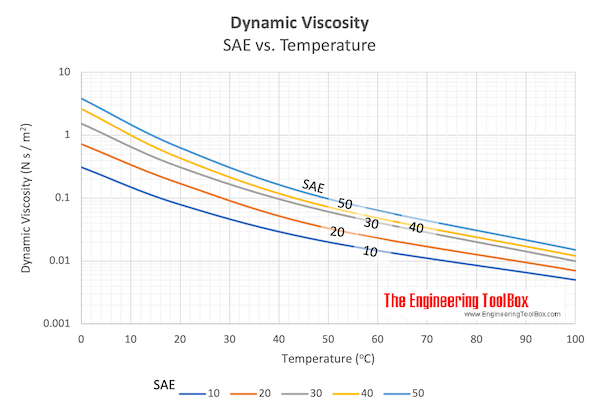
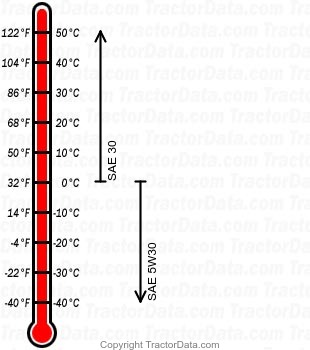
Your generator’s engine needs oil that maintains proper thickness across operating temperatures. For most Craftsman models, SAE 10W-30 conventional motor oil delivers optimal performance in typical conditions between 32°F and 80°F. This multi-viscosity oil flows easily when cold while maintaining sufficient thickness when hot. The “W” stands for winter, indicating cold-weather performance, while the second number represents high-temperature viscosity.
When temperatures drop below freezing, switch to SAE 5W-30 for reliable cold-weather operation. This thinner oil ensures proper lubrication during those critical first seconds of startup. For extreme cold conditions below 0°F, SAE 0W-30 synthetic provides the best protection. In consistently hot climates above 80°F, SAE 30 conventional or 10W-30 synthetic prevents thermal breakdown during extended operation.
API Service Classification Standards
Never use oil without proper certification. Your Craftsman generator requires oil meeting API service classification SJ, SL, SM, SN, or SP standards. These ratings guarantee the oil contains the correct additives for small engine protection. Look for the API donut symbol on oil containers to verify certification. Oil without these specifications may lack necessary detergents and anti-wear additives, potentially causing premature engine wear.
Model-Specific Oil Capacity and Change Intervals
3500-4500 Watt Generator Oil Needs
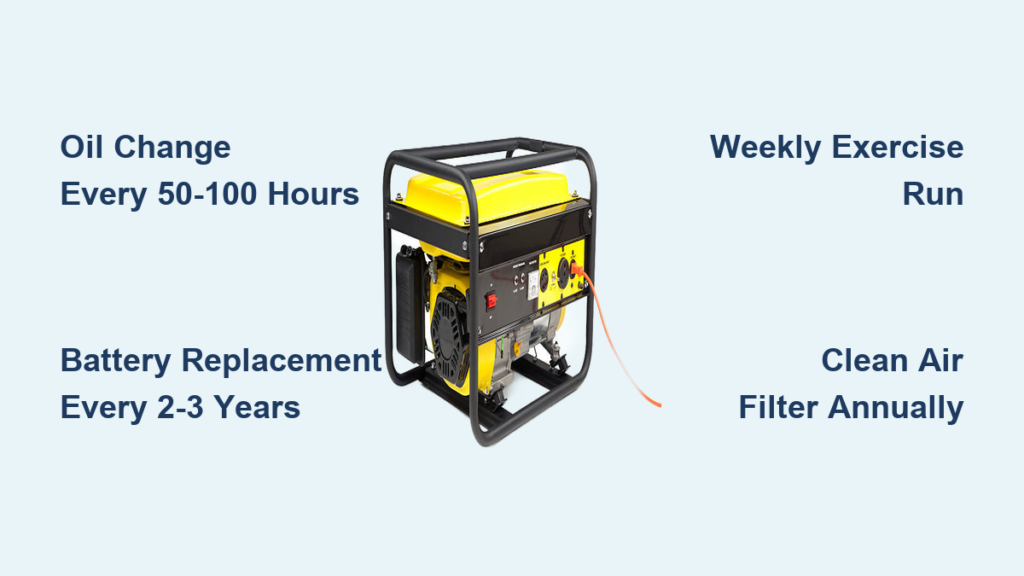
Your mid-range Craftsman generator holds 0.6 quarts (19 oz) of oil. These popular models come pre-filled from the factory with conventional 10W-30, making your first change straightforward. Change the oil every 50 hours of operation or each season—whichever comes first. If you use your generator primarily for seasonal storm preparedness, change the oil before storing it for the off-season.
5500-6500 Watt Models Oil Specifications
Stepping up in power means increased oil capacity with 1.1 quarts (37 oz). These units follow similar oil guidelines with one key difference: change intervals extend to 100 hours or annually. Cold weather operation below 32°F requires switching to 5W-30 for reliable starting. The larger engine benefits from more frequent oil checks during extended power outages—check the dipstick every 20 hours of continuous operation.
Inverter Generator Oil Requirements
Your precision 2200-3000W inverter generator uses just 0.42 quarts (13.5 oz) but demands high-quality oil to protect sensitive electronic components. Stick with 10W-30 conventional or synthetic and change every 50 hours or 6 months. Unlike conventional generators, inverter models require consistent lubrication quality to maintain stable power output for sensitive electronics like laptops and medical equipment.
Temperature-Driven Oil Selection Guide
Your local climate directly impacts oil performance and generator reliability. Operating temperature determines the optimal viscosity choice for your specific conditions. Above 80°F, switch to SAE 30 conventional or stick with 10W-30 synthetic to prevent thermal breakdown during hot summer operation when generators work hardest.
Between 32°F and 80°F, SAE 10W-30 provides optimal performance across this common temperature range, making it the go-to choice for most users. Below 32°F, SAE 5W-30 becomes essential for reliable starting and immediate lubrication. The thinner oil flows quickly to critical engine components during cold starts when most engine wear occurs.
Extreme Weather Considerations
For extreme cold (below 0°F), SAE 0W-30 synthetic offers the best cold-weather protection, ensuring your generator starts when you need it most during winter emergencies. Synthetic oils maintain viscosity across wider temperature ranges, providing superior protection in both extreme heat and cold compared to conventional oils. If you live in an area with significant seasonal temperature swings, synthetic oil simplifies maintenance by eliminating seasonal oil changes.
Craftsman Generator Oil Change Procedure
Critical Safety Preparations
Position your generator on a level surface and run the engine for 2-3 minutes to warm the oil. This warming process thins the oil, allowing complete drainage. Always disconnect the spark plug wire to prevent accidental starting during service—this single step prevents most service-related injuries. Use a 2-quart drain pan to catch all oil, as spills can damage concrete and create environmental hazards.
Complete Drain and Refill Process
Remove the oil fill cap/dipstick and position your drain pan beneath the oil drain plug. Using a 15mm wrench, remove the drain plug and allow complete drainage for 5-10 minutes. Most Craftsman models use splash lubrication systems without oil filters, simplifying the process. Reinstall the drain plug with a new washer if provided, torqued to 15-20 ft-lbs.
Using a clean funnel, add fresh oil to the proper level. Check the dipstick frequently—fill to the upper mark but never overfill. Run the engine for 2 minutes and recheck the level, adding oil as needed. Proper oil level prevents foaming, smoking, and potential engine damage.
Synthetic vs Conventional Oil Decision Guide
When Conventional Oil Makes Sense
Conventional oil costs $4-7 per quart, making it significantly cheaper for occasional users. Its ready availability at all retailers ensures you can find oil anywhere. If you only use your generator a few times a year for brief outages, conventional oil changed seasonally provides adequate protection without unnecessary expense.
Benefits of Synthetic Oil Investment
Synthetic oil costs $7-12 per quart but justifies its price through extended drain intervals of 150-200 hours. Its superior temperature stability provides reliable performance in extreme conditions, while enhanced wear protection extends engine life. The reduced sludge formation keeps internal components cleaner over time, particularly important for generators that sit unused for months between emergencies.
Smart Oil Selection Strategy
Consider your usage patterns when choosing. Synthetic blend oil at $5-9 per quart offers a middle ground with 20-30% higher cost than conventional but improved performance. For most homeowners with occasional outage needs, conventional oil with seasonal changes works well. Heavy users, those in extreme climates, or owners of premium inverter generators should consider synthetic for extended protection.
Identify and Fix Common Oil Issues
Recognizing Troubling Symptoms
Milky oil indicates water contamination, requiring immediate change and investigation of storage conditions. Metal particles in drained oil signal internal engine wear demanding professional inspection. Blue smoke while running indicates oil burning, suggesting worn piston rings or valve issues. Rapid oil consumption often results from leaks, overfilling, or normal engine wear—check drain plug torque and inspect seals.
Leak Troubleshooting Steps
Common leak areas include the oil drain plug, crankshaft seals, and valve cover gasket. Clean the engine thoroughly, run briefly, and observe where oil appears. Ensure the drain plug is properly torqued (15-20 ft-lbs typical). Most seal replacements require dealer service due to engine disassembly requirements—don’t attempt major repairs without proper training.
Optimal Oil Storage Practices
Pre-Storage Oil Change Protocol
Always change oil before storage periods exceeding 30 days. Fresh oil prevents acid buildup and corrosion during downtime. Add fuel stabilizer and run the engine for 10 minutes to circulate treated fuel throughout the system. For winter storage, use 5W-30 to ensure easier spring startup. Check oil level and condition before restarting after extended storage—old oil may have absorbed moisture during storage.
Used Oil Disposal Guidelines
Never pour used oil down drains or onto the ground. Store in sealed, labeled containers and transport to local recycling centers—most auto parts stores accept up to 5 gallons. Use absorbent materials designed for oil cleanup in case of spills, following local hazardous waste regulations. Proper disposal protects the environment and keeps you compliant with local laws.
Craftsman Generator Oil Quick Reference Chart
| Model Range | Capacity (oz) | Standard Oil | Cold Weather | Change Interval |
|---|---|---|---|---|
| 2200-3000W | 13.5 | 10W-30 | 5W-30 | 50 hours |
| 3500-4500W | 19 | 10W-30 | 5W-30 | 50 hours |
| 5500-6500W | 37 | 10W-30 | 5W-30 | 100 hours |
| 8000-8750W | 37 | 10W-30 | 5W-30 | 100 hours |
Final Oil Selection Recommendations
Choose SAE 10W-30 conventional oil for standard use across most Craftsman generators, switching to 5W-30 for cold weather operation. Check oil level before each use and follow model-specific change intervals religiously. For heavy use or extreme climates, synthetic oil provides superior protection despite higher initial cost.
Keep an extra quart of the correct craftsman generator oil type stored with your generator for quick top-offs during extended outages. Proper oil selection and maintenance directly impacts generator reliability when you need emergency power most—don’t risk being left without power due to preventable oil issues. Your generator’s engine will reward proper oil care with years of dependable service when the grid fails.