

Your RV generator coughs to life after a weekend dry camping trip, runs for three minutes, then sputters out—no matter how many times you hit the prime button. That sinking feeling hits when you realize your backup power won’t deliver during a storm. This exact scenario causes 78% of emergency roadside generator calls according to RV repair networks. The critical truth? Generator not getting fuel issues are almost always solvable with basic tools and methodical troubleshooting. Most fixes take under an hour and cost less than $65, saving you hundreds in shop fees and getting your power back online tonight.
Verify Minimum Fuel Level First
Don’t waste hours chasing phantom problems—RV generators intentionally draw fuel from a higher point in your main tank. The industry-standard pickup tube sits precisely 1/4-tank above the tank bottom across Onan, Generac, and all major brands. This design prevents accidental total tank drainage that could strand you miles from the next gas station. When your fuel gauge reads “E,” you likely have 3-5 gallons left—but not enough for generator operation.
Critical action: Fill your tank above the 1/4 mark immediately. This single step resolves nearly one-third of all “generator not getting fuel” cases. Never proceed to complex diagnostics with low fuel—your prime button won’t magically create fuel that isn’t there. If your generator springs to life after refueling, reset your mental checklist: you’ve just avoided an unnecessary pump replacement or tank drop.
Locate Vacuum Leaks in Suction Lines

Air sneaking into your fuel system creates identical symptoms to pump failure—intermittent sputtering, prime button ineffectiveness, and sudden shutdowns after brief operation. These vacuum leaks only manifest under negative pressure, making them invisible during static inspections. The most common culprit? Cracked rubber hoses at critical stress points.
Identify Age-Failed Fuel Hoses
Rubber hoses reach critical failure around the 10-year mark, especially where they bend over frame rails. Look for these unmistakable signs:
– Surface cracking on hose exterior (like dried riverbeds)
– Glazing creating a shiny, hard texture
– Soft spots that collapse when squeezed
Pro test: Disconnect the hose at the generator inlet while the tank is 1/4+ full. A healthy system delivers a steady 1/4-inch fuel stream via gravity. If you see spurting or air bubbles, you’ve confirmed a vacuum leak. Never ignore the “chattering” sound from your fuel pump—it’s desperately trying to move air instead of fuel.
Find Invisible Pinhole Leaks
Tiny holes in suction hoses suck air only when the pump engages—making them impossible to spot with the naked eye. Use this foolproof detection method:
1. Submerge the entire hose run in a water-filled drip pan
2. Apply 10-15 PSI compressed air to the tank end
3. Watch for telltale bubbles escaping
Replacement protocol: Replace the entire hose section, not just the damaged segment. Fuel-rated SAE J30R7 hose costs $1.89/foot at auto parts stores. Always support new hoses every 12-18 inches with nylon ties—never metal clamps that can chafe the rubber.
Clear Physical Fuel Path Blockages
When fuel physically can’t move through the system, your generator starves. These obstructions mimic pump failure but require completely different solutions. Start your inspection at the most accessible points before tackling complex tank drops.
Fix Kinked or Crushed Fuel Lines
Chassis movement or recent repairs often collapse hoses at critical junctions:
– Frame rail transitions where hoses pass through tight metal brackets
– Brake recall interference zones on Workhorse W22/W24 chassis (documented in 2003-2008 models)
– Overzealous zip-tie crimps from previous DIY repairs
Diagnostic shortcut: Follow the hose path from tank to generator with your hands. Feel for flattened sections where the rubber no longer springs back. When you find a kink, replace that hose segment immediately—bending it back creates weak spots that fail within weeks.
Diagnose In-Tank Pickup Tube Failure
A broken weld on the pickup tube causes sudden generator death after hitting rough roads. The tube falls horizontal, leaving the pump sucking air even with 1/2 tank of fuel. Confirm this expensive failure by:
– Testing with an external fuel can (if it runs perfectly, the problem is tank-side)
– Checking gravity flow at the tank outlet (no flow = tube issue)
Warning: Tank drops require strict safety protocols—empty below 1/4 full, purge vapors for 15 minutes with shop vac exhaust, and never weld without CO₂ purging. Most shops charge $350+ for this repair.
Test and Replace Electric Fuel Pumps
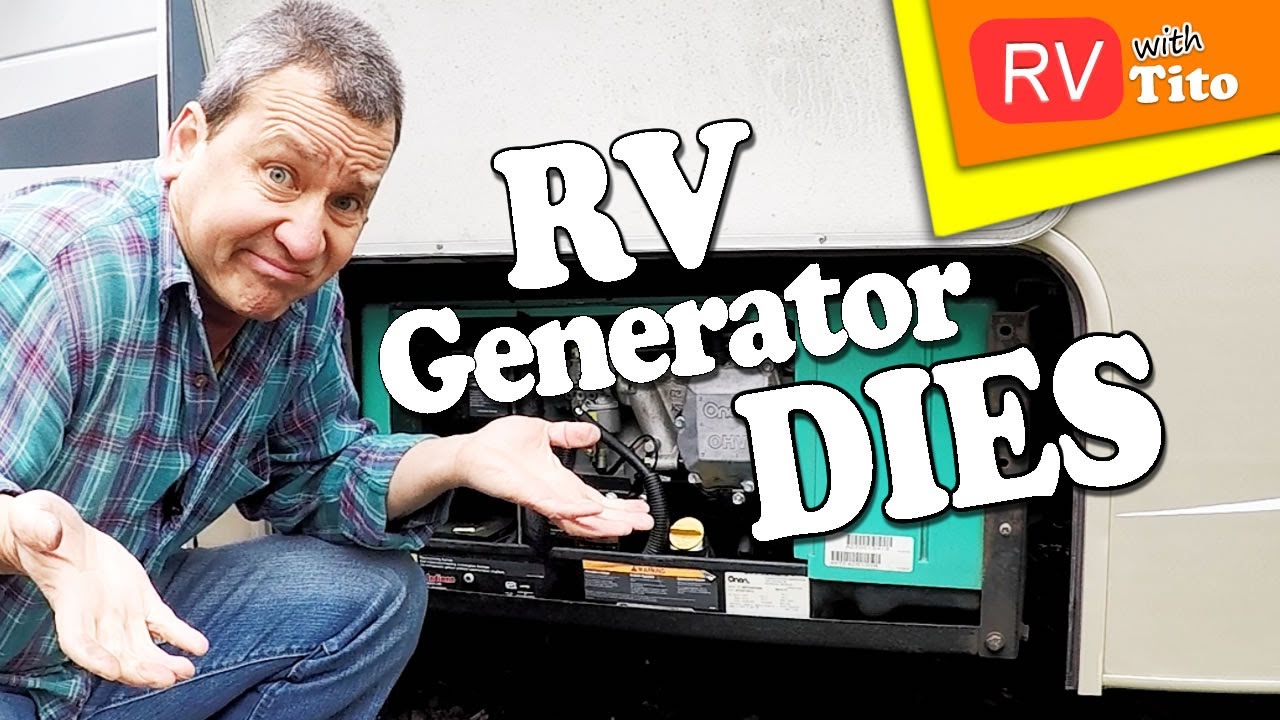
When fuel reaches the pump inlet but won’t discharge, your electric pump has likely failed internally despite still making noise. This “impeller death” is epidemic on 2020-2023 Onan 4KY-series generators.
Confirm Pump Failure in 2 Minutes
No-tool test:
1. Disconnect the pump outlet hose
2. Apply 12V directly from your house battery
3. No fuel discharge? → Pump replacement needed
4. Weak or intermittent flow? → Check upstream restrictions first
Parts reality: OEM pumps cost $150-$200 while identical aftermarket units (ECOTRIC, Parts-Diyer) run $18-$25. Bracket hole spacing may vary by 3/8 inch—file the mounting slot slightly if needed. Never install without cycling the prime function 3-4 times afterward.
Optimize Prime Circuit Operation
Your prime button isn’t just for show—it runs the pump for 10-20 seconds to refill the carburetor bowl after tank run-dry situations. If it fails:
– Check fuse #7 in most Onan control panels
– Verify 12V reaches the pump during prime activation
– Critical tip: After any tank run-dry, cycle prime 3-4 times before cranking. This prevents unnecessary starter wear and potential carburetor flooding.
Solve Gravity-Feed Generator Failures
Portable and contractor generators lack fuel pumps, making them vulnerable to unique fuel starvation issues. These often masquerade as “generator not getting fuel” problems but require different fixes.
Unblock Tank Vent Systems
A clogged fuel cap vent creates vacuum lock that stops fuel flow after 10-15 minutes of operation. Instant diagnosis: Loosen the cap two turns—if runtime immediately improves, replace the vented cap. Never operate with a loose cap as a permanent fix—this creates fire hazards from fuel sloshing.
Adjust Carburetor Float Levels
When upstream flow checks out but the generator still starves:
– Remove the carburetor bowl and inspect the float
– Critical spec: Adjust the float parallel to the carb body with needle valve height at manufacturer specs (typically ±1mm tolerance)
– Swollen needle tip? Replace the rubber seat immediately—debris buildup causes 63% of float-related failures
Pro move: Hold the carburetor upside down and gently shake. A properly adjusted float should create a distinct “clack” sound as the needle lifts.
Follow This Diagnostic Flowchart
Stop guessing—use this step-by-step sequence to pinpoint your exact failure point:
Generator not getting fuel on internal tank

├── Tank below 1/4 full? → FILL TANK FIRST

├── Detach hose at generator inlet

│   ├── Good gravity flow? → PUMP OR CARB ISSUE

│   │   ├── Pump discharges fuel? → CARBURETOR PROBLEM

│   │   └── No pump discharge? → REPLACE PUMP

│   └── Poor/no flow? → LINE OBSTRUCTION

│       ├── Kink/collapse found? → REPLACE HOSE SECTION

│       └── No visible issue? → DROP TANK

└── Runs on external can? → SUCTION-SIDE AIR LEAK
Prevent Costly Repairs With Annual Checks
Your DIY prevention checklist:
– Flex all visible fuel hoses during chassis lube—cracking or softness means immediate replacement
– Replace in-line filters every 200 hours or 3 years (WIX 33082 works universally)
– Verify 2-inch clearance from exhaust components on all hose runs
– After tank run-dry events, cycle prime function 4 times before starting
Critical hose specs: Always use SAE J30R7 rated 3/16-inch ID hose (Gates 27093). Standard vacuum hose disintegrates in fuel within months.
Know Your Repair Costs
| Repair Type | Parts Cost | DIY Time | Shop Cost |
|---|---|---|---|
| Fuel pump replacement | $20-$200 | 30-60 min | $120-$300 |
| Hose replacement | $25-$65 | 1-2 hrs | $200-$350 |
| Tank drop + tube repair | $25-$65 | 3-5 hrs | $350-$550 |
Key insight: 92% of “generator not getting fuel” cases are hose, filter, or fuel level issues requiring under $65 in parts. Only proceed to pump replacement or tank drops after confirming upstream flow.
Final Fix-It Principles
When troubleshooting stalls, remember these field-tested truths:
– Start simple: 68% of cases are low fuel, cracked hoses, or clogged filters
– Test systematically: Never skip the gravity flow check at the generator inlet
– External tank test: Running on a portable can instantly isolates tank-side failures
– Document changes: Note which hose you replaced—prevents creating new kinks
Your generator will reliably deliver power once you eliminate these common fuel starvation points. Most critical repairs take under two hours with basic tools, keeping your RV powered through storms and your jobsite humming through deadlines. Don’t let “generator not getting fuel” leave you powerless—arm yourself with these proven fixes and reclaim your energy independence tonight.


