Power outages strike without warning, leaving your family in the dark and your home vulnerable. Whether you’re dealing with hurricane season in Florida or ice storms up north, choosing the right generator becomes your lifeline to normalcy. This guide breaks down every home generator types available, helping you match the perfect backup power solution to your specific needs and budget. You’ll discover exactly which generator type keeps your essential systems running when the grid fails—no guesswork required.
Propane Generators: Clean-Burning Emergency Power Solution
Your propane generator delivers reliable power without the environmental concerns of other fuel types. These units burn cleaner than gasoline or diesel alternatives, producing minimal emissions while maintaining consistent power output during critical outages. Unlike gasoline that degrades within months, your propane supply remains stable indefinitely—no fuel stabilizers or rotation schedules needed.
Key advantages you’ll experience:
– Environmental impact: Lowest emissions profile among traditional fuel generators
– Storage longevity: Propane won’t degrade over time like gasoline or diesel
– Operational consistency: Steady power delivery without performance fluctuations
Storage requirements to plan for:
– Large propane tanks needed for extended operation (250+ gallon for whole-house coverage)
– Outdoor installation mandatory for safety—never store propane indoors
– Professional setup recommended for permanent connections to avoid leaks
When selecting propane generators, factor in their higher consumption rates compared to diesel. You’ll need substantial storage capacity for extended outages, but the peace of mind from clean, reliable power makes this home generator type ideal for environmentally conscious homeowners.
Diesel Generators: High-Efficiency Power for Extended Outages
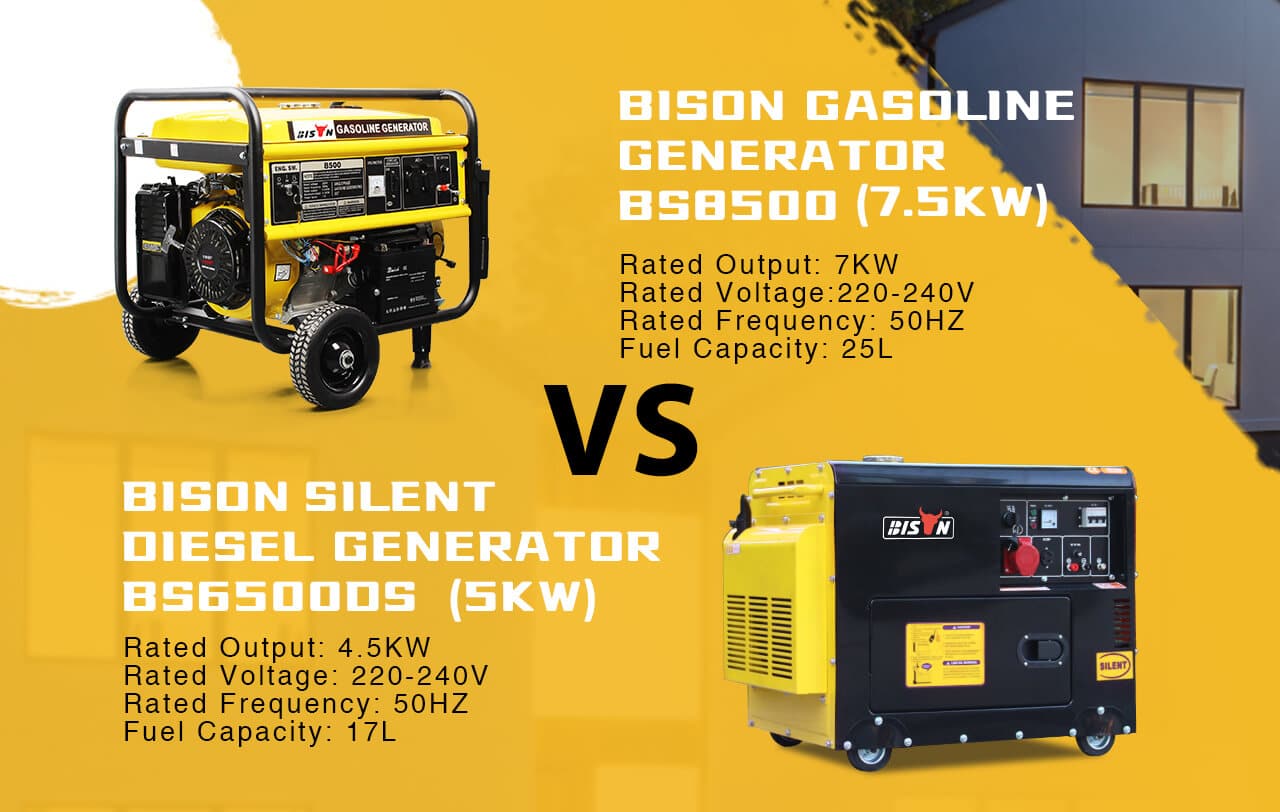
Diesel generators deliver superior fuel efficiency, consuming significantly less fuel per kilowatt than gasoline alternatives. You’ll appreciate this efficiency during marathon outages when refueling becomes challenging. These units come in both portable configurations and stationary installations, though diesel models typically weigh more than comparable gasoline units.
Performance characteristics that matter:
– Fuel efficiency: 30-50% better consumption rates than gasoline generators
– Starting reliability: Quick startup when needed, even in cold weather
– Cooling options: Air-cooled for smaller units, liquid-cooled for higher capacity models
Storage limitations you must address:
– Diesel degrades within 6-12 months, developing gumming issues that clog fuel systems
– Fuel stabilizers extend storage life but require regular rotation
– Liquid-cooled models cost 20-30% more but offer better performance for whole-house coverage
For homeowners in regions with frequent extended outages, diesel generators provide the fuel efficiency needed to keep essential systems running. Just remember to establish a fuel rotation schedule to prevent degradation issues.
Natural Gas Generators: Permanent Power Without Refueling Hassles
Natural gas generators connect directly to your home’s gas line, eliminating refueling entirely during extended outages. These units typically serve as whole-house standby systems rather than portable options. Higher installation costs fade into insignificance when you consider the convenience factor—your generator runs as long as the gas line remains intact.
Connection benefits you’ll appreciate:
– Continuous fuel supply: No refueling interruptions during multi-day outages
– Reduced maintenance: Less frequent service intervals compared to other fuel types
– Whole-house coverage: Higher wattage capabilities (5,000-50,000 watts) for comprehensive protection
Installation requirements to budget for:
– Professional gas line connection mandatory—never attempt DIY installation
– Permits and inspections required in most jurisdictions
– Permanent outdoor placement needed with proper ventilation
For homeowners with reliable natural gas service, these home generator types provide the ultimate “set-and-forget” solution. You’ll never wake up to a dead generator during an outage because you forgot to refuel.
Standby Generators: Automatic Whole-House Protection
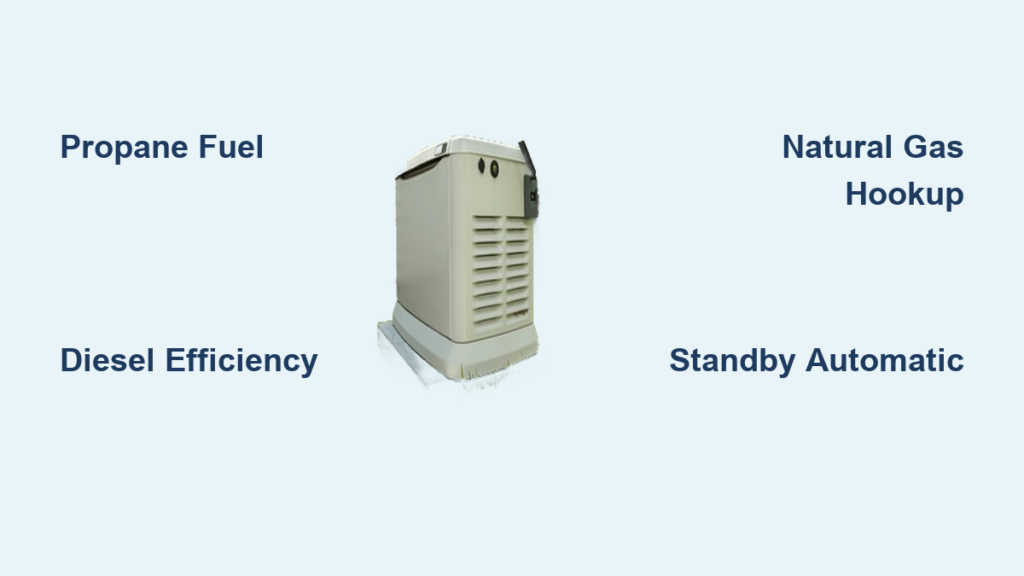
Standby generators represent the premium tier of home backup power. Your generator activates within 10-30 seconds of detecting power failure, seamlessly transferring your home to backup power without manual intervention. These units handle everything from your HVAC system to kitchen appliances—no extension cords required.
Power capabilities to consider:
– Whole-house coverage: 5,000-50,000 watts available depending on home size
– Automatic startup: No manual intervention required—ideal for vacations or nighttime outages
– Weekly self-testing: Ensures operational readiness without your involvement
Investment breakdown for planning:
– Generator unit: $2,000-$20,000 depending on capacity and fuel type
– Transfer switch: $500-$2,000 for automatic operation
– Installation: $1,000-$8,000 for professional setup
– Total project: $2,000-$30,000 for complete system
If you value convenience and comprehensive protection, standby generators provide peace of mind that portable units simply can’t match. You’ll sleep through outages while your home stays powered.
Portable Generators: Flexible Backup for Essential Circuits
Portable units deliver targeted backup power for essential circuits and appliances. You’ll manually start these generators during outages, connecting appliances through extension cords or a transfer switch. The versatility factor shines—you’ll use the same unit for camping, tailgating, or construction projects.
Flexibility features that save money:
– Multi-purpose use: Home, camping, and job site applications
– Storage convenience: Compact design fits in garage or shed when not needed
– Cost-effective: Entry-level whole-house backup starts around $500
Power limitations to understand:
– Manual startup: Requires physical presence during outages
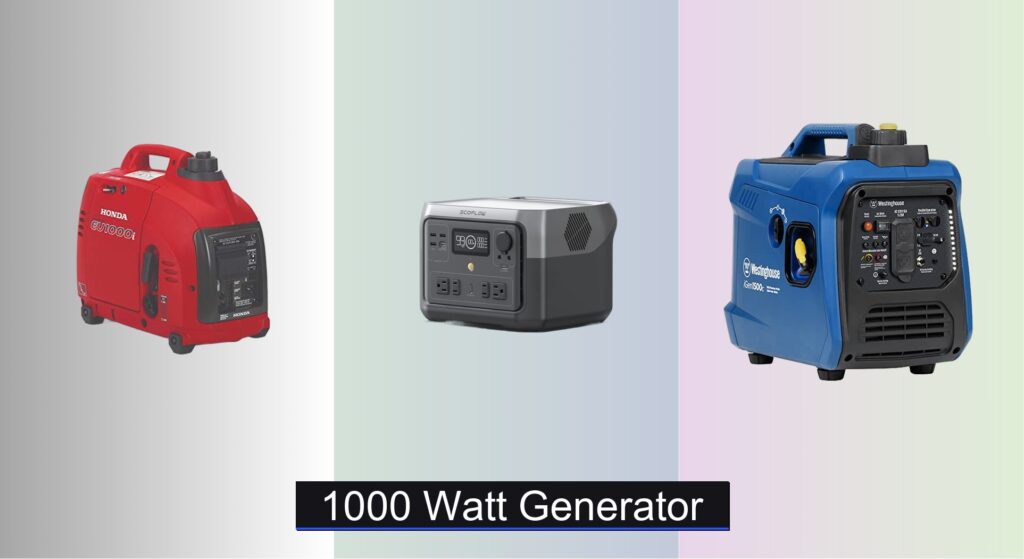
– Limited capacity: 1,000-8,000 watts typical for residential models
– Refueling required: Every 6-12 hours during operation
For homeowners on a budget or those with infrequent outages, portable generators provide essential protection without breaking the bank. Just remember to practice safe operation—never run generators indoors or near open windows.
Inverter Generators: Clean Power for Sensitive Electronics
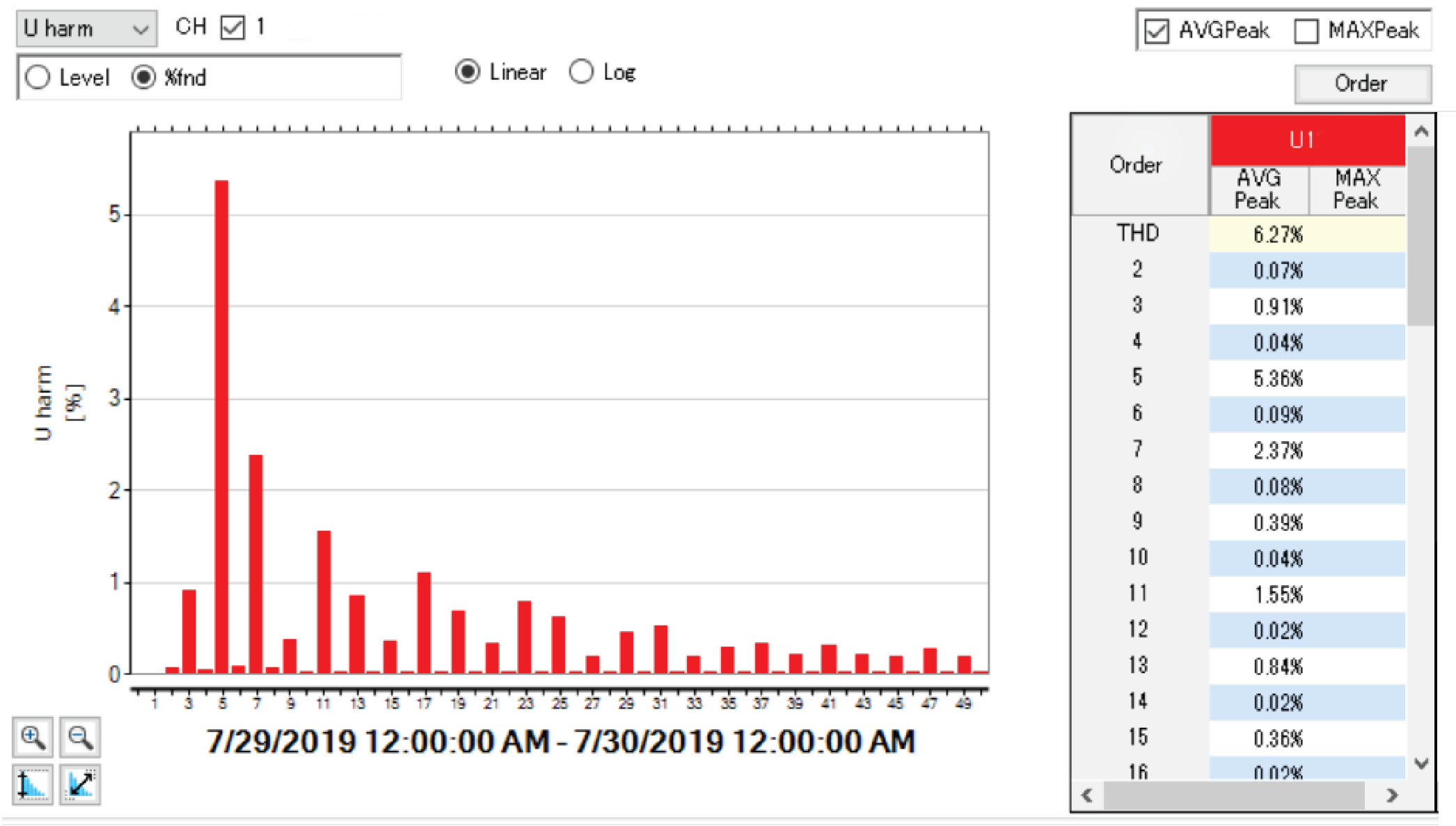
Inverter technology creates three-stage power conversion that produces “cleaner” electricity with minimal fluctuations. Your sensitive electronics remain safe from power surges and voltage irregularities that could damage computers, medical equipment, or home entertainment systems.
Technical advantages you need:
– Clean power output: THD (Total Harmonic Distortion) below 3%—safe for all electronics
– Fuel efficiency: Variable speed operation saves 20-40% fuel compared to conventional models
– Noise reduction: 50-60 decibels—quieter than normal conversation
– Runtime optimization: 8-10 hours per tank at 25% load
Power specifications to match your needs:
– Range: 1,000-4,000 watts for residential models
– Applications: Electronics, medical devices, sensitive equipment
– Portability: Compact design with wheels for easy transport
When you need to power laptops, medical devices, or home offices during outages, inverter generators provide the clean, stable power these devices require. They’re worth the premium if sensitive electronics are part of your essential load.
Calculate Your Exact Power Needs
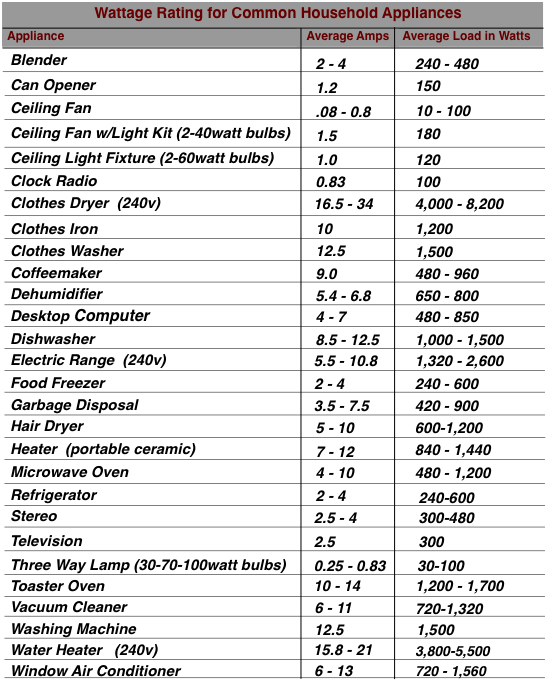
Start your home generator types selection by calculating exact power requirements. Your heating and cooling systems demand priority consideration, especially during extreme weather events. Essential appliances like refrigerators, freezers, and sump pumps follow closely behind.
Load calculation process:
– HVAC systems: 2,000-5,000 watts for central air conditioning
– Refrigerator: 600-800 watts running, 2,200 starting wattage
– Sump pump: 800-1,050 watts during operation
– Lights: 60 watts per LED bulb, 300-500 watts per room
– Medical equipment: 200-1,500 watts depending on device
Future planning considerations:
– Additional circuits: Account for 20% expansion for future needs
– Appliance upgrades: New equipment may increase demand
– Electric vehicle charging: 3,300-7,200 watts potential if charging during outages
Without accurate load calculations, you’ll either overspend on excessive capacity or face disappointment when critical appliances won’t run. Take time to document every essential device and its power requirements before selecting your generator.
Professional Installation vs. DIY Setup
Standby generators demand professional installation involving electrical permits, gas line connections, and transfer switch integration. Your local building codes dictate specific installation requirements, including setbacks from property lines and noise restrictions.
Installation checklist you can’t skip:
– Licensed electrician: Required for electrical connections and transfer switch
– Gas line contractor: Needed for natural gas/propane connections
– Building permits: Required in most jurisdictions—don’t risk fines
– HOA approval: May be needed in planned communities
– Noise ordinances: Check local decibel restrictions before purchase
For portable generators, you’ll handle placement and basic connections while ensuring proper ventilation. However, even portable units benefit from professional transfer switch installation—never backfeed power through an outlet without proper safety equipment.
Maintenance Requirements for Longevity
Your generator’s lifespan directly correlates with maintenance quality. Standby units require annual professional service, while portable generators benefit from seasonal maintenance routines. Create a maintenance calendar based on your generator type and usage patterns.
Critical maintenance tasks:
– Oil changes: Every 50-100 hours of operation or annually
– Battery replacement: Every 2-3 years for electric start models
– Fuel stabilizer: Added to stored gasoline/diesel before seasonal storage
– Air filter inspection: Monthly during active outage season
– Exercise runs: Monthly operation to keep components lubricated
Neglecting maintenance creates false security—you’ll think you’re prepared only to discover your generator won’t start when needed. Schedule maintenance like any other critical home system.
Final Selection Strategy for Your Home
Balance your budget against power needs, regional factors, and convenience preferences. Hurricane-prone areas justify standby generator investments, while occasional outage regions might manage with quality portable units. Consider your family’s medical needs, work-from-home requirements, and comfort expectations during extended outages.
Your home generator types decision impacts more than just power—it affects your family’s safety, comfort, and peace of mind during emergencies. Don’t choose based on minimal cost; select the generator that provides realistic protection for your specific situation. The right home generator type ensures you’re truly prepared when the lights go out.