
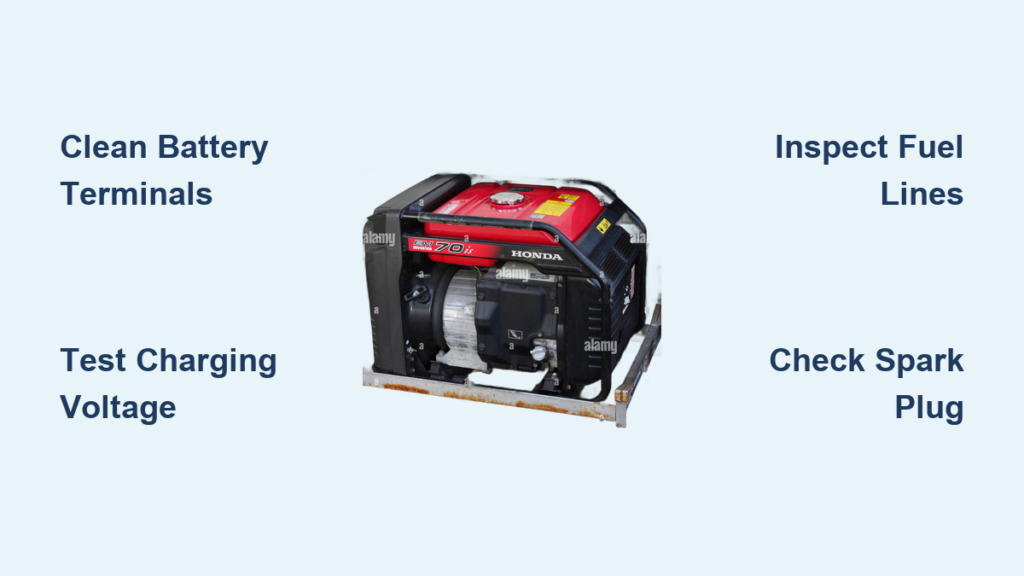
Your Honda generator refuses to start when you need it most—during a power outage, at a remote job site, or midway through your camping trip. That frustrating silence when you pull the starter cord or press the electric start button is all too familiar for generator owners. Whether you’re dealing with a dead battery before an emergency, mysterious fuel puddles under your machine, or that stubborn refusal to ignite, these Honda generator troubleshooting solutions will get your power source running again.
Most Honda generator problems stem from three predictable failure points: electrical system issues, fuel delivery problems, and air intake restrictions. This guide cuts through confusing symptoms to deliver precise diagnostic steps and proven fixes you can implement with basic tools. You’ll learn exactly where to check for corrosion, how to identify dangerous fuel leaks, and the sequence for diagnosing starting failures—saving you costly service calls and keeping your Honda generator reliable for years.
Why Your Honda Generator Battery Dies Overnight
Eliminate Terminal Corrosion in 10 Minutes
Corroded battery terminals silently sabotage your Honda generator’s electrical system. Remove the protective covers and inspect for white, green, or blue crusty buildup around the metal connections—this corrosion creates resistance that blocks proper charging. Grab a wire brush and battery terminal cleaner spray, then systematically clean both terminals until the metal shines bright. After thorough rinsing and drying, apply dielectric grease to prevent future corrosion and tighten connections just enough to prevent movement—overtightening risks cracked battery posts.
Pro tip: Check terminal tightness monthly during heavy use periods. Loose connections generate heat that accelerates corrosion and creates intermittent starting problems that seem random but follow a clear pattern.
Verify Alternator Charging Output Immediately
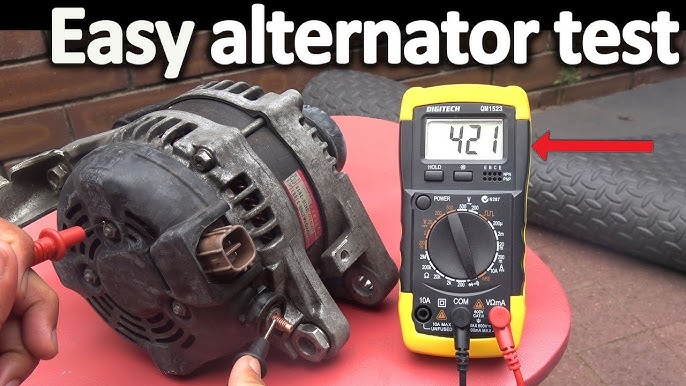
With your generator running at normal speed, test the battery voltage using a multimeter. Connect the red probe to the positive terminal and black to negative—your reading should show 13.5-14.5 volts for proper charging. Anything below 13 volts indicates your alternator isn’t maintaining the charge, while readings above 15 volts suggest voltage regulator failure that could permanently damage your battery. These precise measurements eliminate guesswork and tell you exactly which component needs attention before you waste money replacing good parts.
Replace Faulty Voltage Regulators Before Damage Spreads
The voltage regulator controls your Honda generator’s charging system, and when it fails, it creates cascading problems. If your generator’s lights dim during operation or your battery case shows bulging from overcharging, the regulator is likely the culprit. Test by checking voltage at the regulator output wire while running and compare to your Honda manual’s specifications. Replacing this $30-50 component prevents costly battery replacements and ensures consistent power when you need it most.
Stop Honda Generator Fuel Leaks Before They Become Hazards
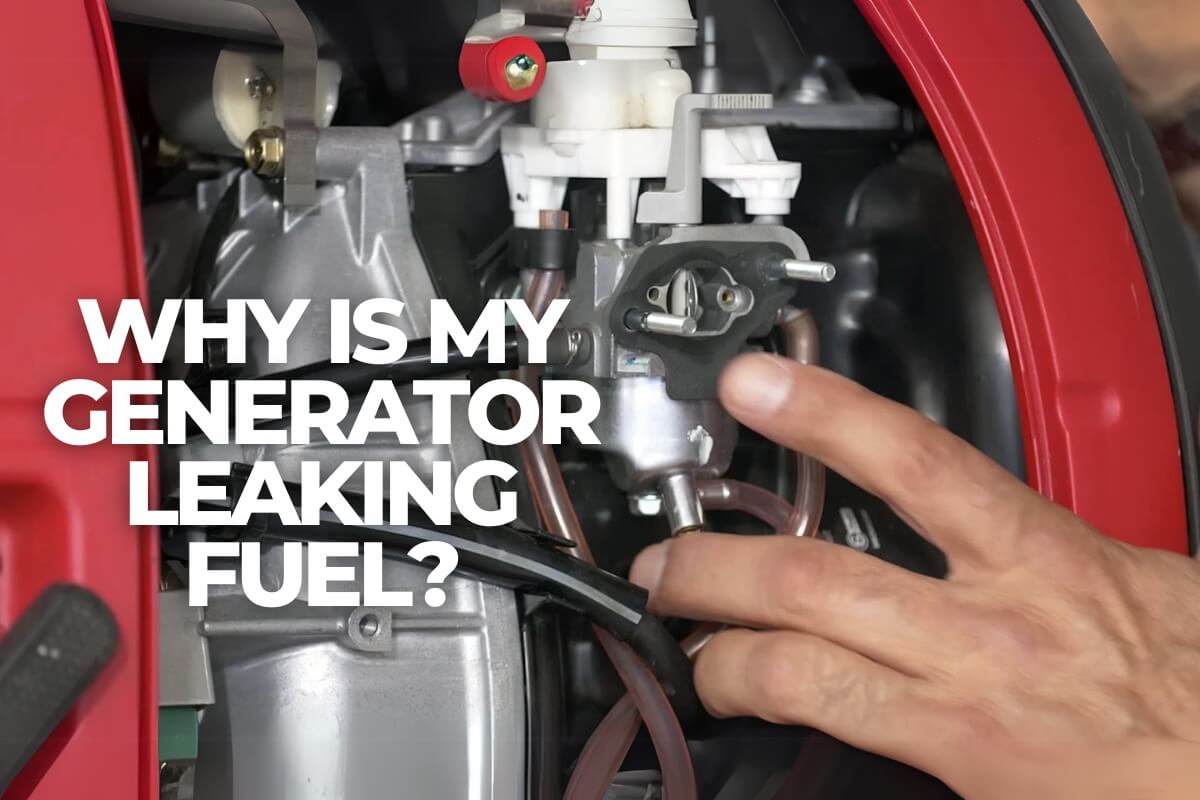
Inspect Every Fuel Line Connection Thoroughly
Trace each fuel line from tank to carburetor with your fingers, feeling for cracks, splits, or loose connections—Honda fuel lines typically fail after 3-5 years when exposed to ethanol-blended fuels. Pay special attention to the fuel shutoff valve and carburetor inlet connections, which suffer most from vibration damage. Replace any lines showing stiffness or surface crazing with genuine Honda parts; aftermarket hoses often deteriorate faster when exposed to modern gasoline blends.
Critical warning: Never operate your generator with visible fuel leaks—gasoline vapors can ignite from hot engine components even after shutdown. Address leaks immediately before restarting.
Identify Carburetor Bowl Gasket Failures
The carburetor bowl gasket causes most Honda generator fuel leaks. Look for dark fuel stains below the carburetor body, particularly around the bowl drain screw. This inexpensive $3 seal hardens over time, creating slow leaks that worsen with engine vibration. Replace the gasket following your specific Honda model’s procedure—typically involving draining the carburetor bowl, removing mounting screws, and installing the new gasket with light oil to ensure proper sealing.
If leaks persist after gasket replacement, check the carburetor float needle valve. A sticking needle causes overflow through the carburetor throat, appearing as fuel dripping from the air filter housing—a serious fire hazard requiring immediate carburetor disassembly and cleaning.
Diagnose Honda Generator Starting Failures Step-by-Step
Confirm Fuel Supply With Precision Checks
Don’t assume your Honda generator has fuel—verify using these specific checks. First, ensure the fuel valve sits in the “on” position (this simple oversight causes 20% of starting failures). Next, check fuel level using the sight gauge or dipstick method—your generator requires minimum 1/4 tank to avoid fuel pickup starvation. Finally, inspect the inline fuel filter; clear when new, it turns dark brown when clogged. A restricted filter allows some fuel flow but not enough for reliable starting.
Test Ignition System Components Correctly
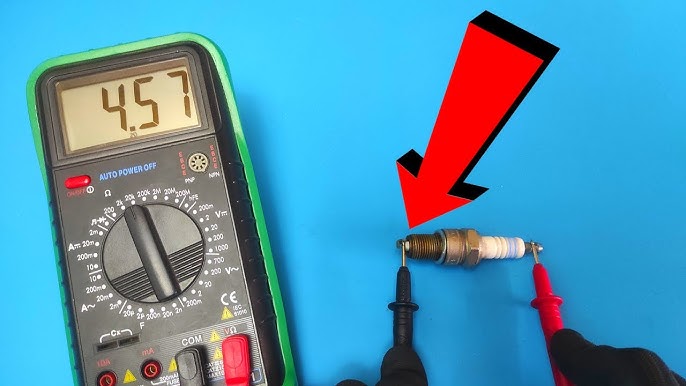
Remove the spark plug using the proper socket size (typically 13/16″ or 5/8″ depending on your Honda model). Inspect the electrode gap with a feeler gauge—Honda recommends 0.028-0.031 inches for most generators. Clean deposits with a wire brush or replace if electrodes appear worn rounded. Test for spark by grounding the plug against engine metal while pulling the starter cord; a strong blue spark indicates good ignition, while weak yellow spark or no spark points to coil, kill switch, or wiring problems.
Clean Air Filter System Properly
Foam air filters should feel pliable and clean—not stiff or blackened with debris. Paper filters must remain white or light gray; dark discoloration restricts airflow dramatically. Clean foam filters in warm soapy water, dry completely, then lightly oil with clean engine oil. Paper filters require replacement when dirty—never attempt to clean them. While accessing the filter, check the housing for leaves, grass, or rodent nests that could block airflow and prevent starting regardless of other system conditions.
Set Choke Mechanism for Cold Starts
Cold Honda generators require full choke for starting—move the lever completely to the “choke” or “closed” position. After starting, gradually open the choke as the engine warms. If your choke sticks, remove the air filter and watch the choke plate move when operating the lever. Lubricate sticky mechanisms with light oil, avoiding petroleum products that attract dirt. A malfunctioning choke creates improper fuel mixture that prevents starting, especially in cooler temperatures.
Critical Safety Steps Before Honda Generator Troubleshooting
Prevent Dangerous Oil Leaks During Transport
Never tilt your Honda generator on its side during transport or storage—this forces oil past seals into the air filter housing and carburetor, creating starting problems and potential engine damage. Always transport upright and secured against movement. For storage exceeding 30 days, drain fuel completely by running until it stalls, then drain the carburetor bowl using the drain screw to prevent varnish buildup.
Handle Gasoline With Maximum Caution
Work in well-ventilated areas away from ignition sources—gasoline vapors travel along floors to pilot lights or electrical sparks. Keep a Class B fire extinguisher within reach during fuel system work. Allow engines to cool completely before troubleshooting; hot mufflers can ignite spilled fuel instantly. Clean spills immediately with absorbent materials—never use shop rags that retain dangerous vapors.
Quick Reference Diagnostic Flowchart
No crank, no lights: Check battery connections and charge state
Cranks but won’t start: Focus on fuel, spark, and air systems
Starts then dies: Clean carburetor and verify fuel flow
Runs rough: Inspect air filter and spark plug condition
Blowing fuses: Test for electrical shorts or circuit overload
Your Honda generator problems follow predictable patterns with straightforward solutions. Most starting failures resolve within an hour using these systematic checks of fuel, air, and spark systems. Implement annual terminal cleaning, replace fuel lines every 3-4 years, and always store your generator properly to prevent 80% of common failures. When problems strike, consult this guide first—your reliable power source is just a few precise troubleshooting steps away from running smoothly again. Keep this reference handy and never face a powerless situation when your Honda generator refuses to start.


