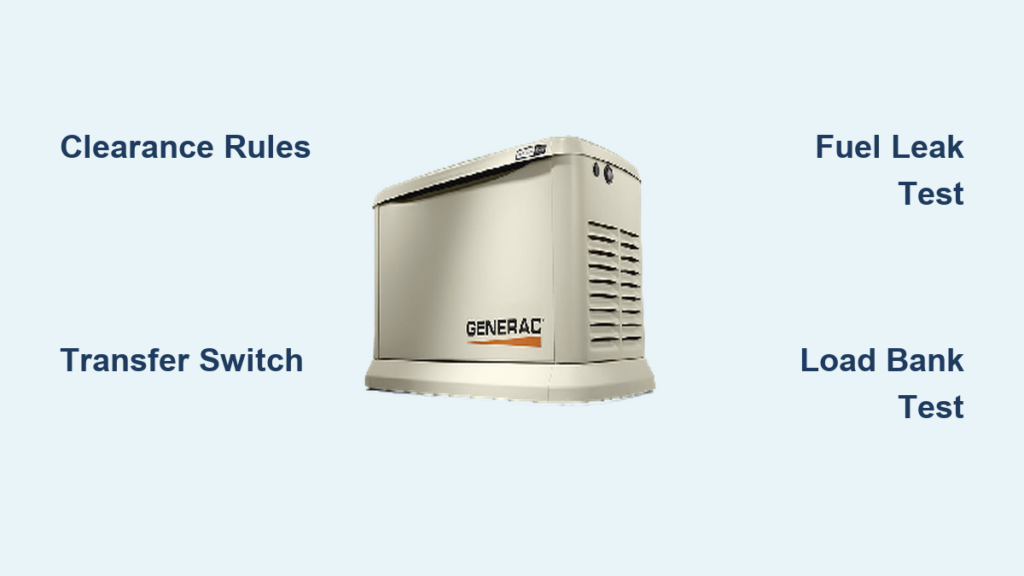
When the lights suddenly go out during a storm and your refrigerator falls silent, your propane generator springs to life—keeping your home powered while neighbors sit in darkness. But what exactly happens inside that humming machine? Understanding how does a propane generator work is crucial for selecting the right model, troubleshooting issues, and maximizing efficiency when you need backup power most. This knowledge transforms you from a passive user into an informed operator who can make smart decisions about your emergency power system.
Unlike gasoline generators that require frequent fuel rotation, propane units offer instant readiness with cleaner operation and indefinite fuel storage. Let’s explore the entire process, from the moment propane leaves your tank to when electricity flows through your home’s outlets, so you can fully appreciate the engineering marvel keeping your lights on during outages.
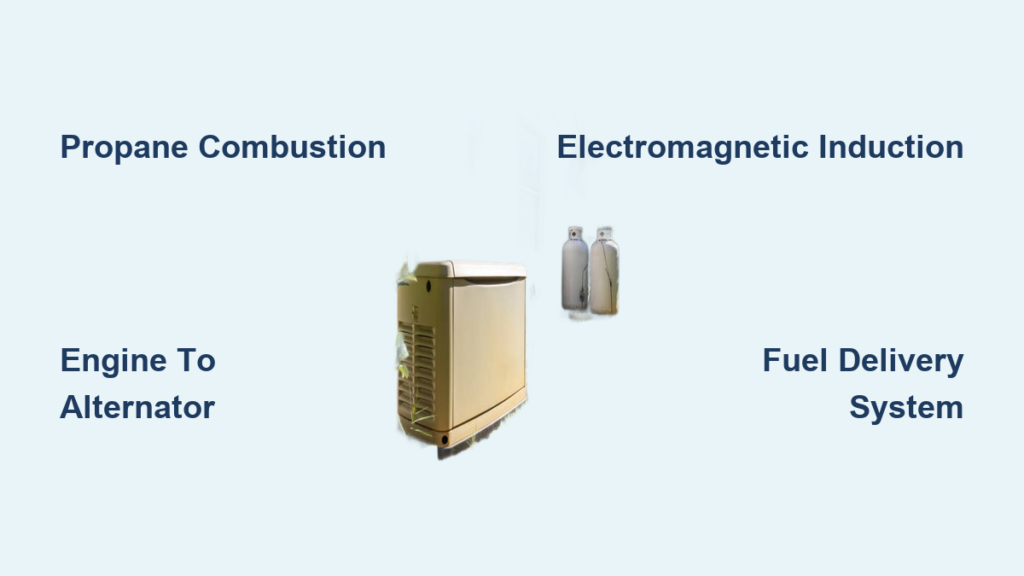
Propane Combustion Powers the Engine Core
The transformation begins when liquid propane vaporizes and mixes with air in precise ratios. This gas-air mixture enters the engine’s combustion chamber where a spark plug ignites it, creating a controlled explosion. The rapid expansion of burning gases forcefully pushes the piston down, turning the crankshaft in a process similar to your car’s engine—but optimized for steady, reliable power generation rather than variable speeds.
What makes propane ideal for generators is its clean combustion properties. Unlike gasoline that can leave sticky residues in carburetors, propane burns completely clean with no carbon buildup. The engine maintains a constant speed—3600 RPM for standard models or 1800 RPM for quieter, longer-lasting operation—to produce stable 60 Hz electricity your appliances require. Pro Tip: Never operate your generator indoors or in enclosed spaces; propane combustion consumes oxygen and produces carbon monoxide.
Direct Mechanical Connection Transfers Energy to Alternator
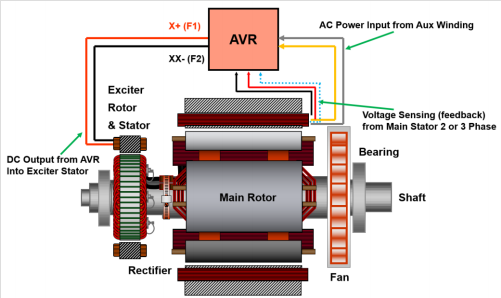
Your generator’s crankshaft connects directly to the alternator’s rotor through a robust coupling system. As the engine spins at precisely 3600 RPM (or 1800 RPM for four-pole designs), it creates a powerful rotating magnetic field within the alternator. This continuous rotation is critical—deviations of just 5% can cause voltage fluctuations that damage sensitive electronics.
The mechanical-to-electrical conversion efficiency typically reaches about 30%, meaning one-third of propane’s chemical energy becomes usable electricity. A single gallon of propane contains 91,500 BTU of energy, translating to approximately 8.1 kWh of electrical output after accounting for conversion losses. This efficiency explains why larger generators consume more fuel but deliver proportionally more power.
Electromagnetic Induction Creates Household Electricity
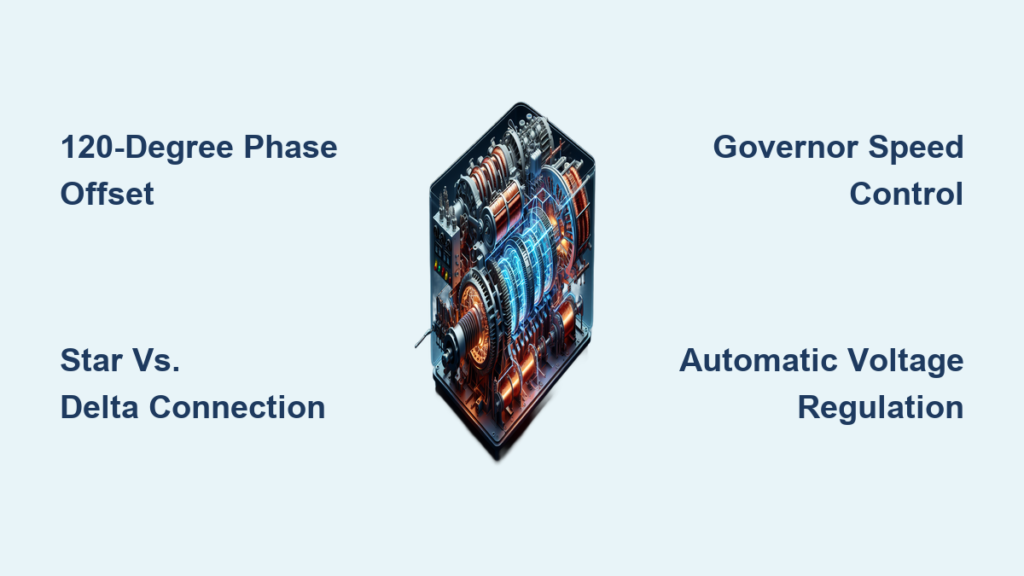
Inside the alternator, the spinning rotor’s magnetic field cuts across stationary copper windings called the stator. This electromagnetic induction generates alternating current electricity at standard 120/240 volts. Modern propane generators use brushless alternators with automatic voltage regulators that maintain voltage stability within ±1%, even when your air conditioner cycles on and creates sudden load demands.
Critical Alternator Components
- Rotor: Creates the rotating magnetic field when energized
- Stator: Stationary copper windings where electricity is induced
- Voltage Regulator: Monitors output and adjusts field current instantly
- Cooling Fan: Mounted directly on the rotor shaft to prevent overheating
Premium models feature pure sine wave inverters that produce electricity with less than 3% total harmonic distortion, making them safe for sensitive electronics like computers and medical equipment.
Precision Fuel Delivery System Ensures Reliable Operation
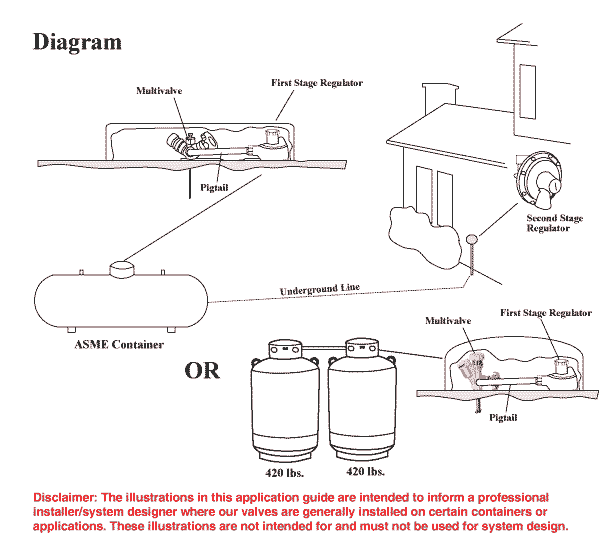
Your propane tank connects through a sophisticated multi-stage fuel delivery system. A primary regulator first drops tank pressure from up to 200 PSI down to 10-15 PSI, then a secondary regulator reduces it further to 11-14 inches of water column—the perfect pressure for the carburetor or fuel injection system.
Essential Safety Systems Prevent Dangerous Leaks
- Excess-flow valves automatically shut off propane if a line ruptures
- Pressure relief valves safely vent excess pressure during temperature spikes
- Lock-off solenoids stop fuel flow instantly when the engine shuts down
- Leak detectors trigger audible alarms at 10% of the lower explosive limit
These safety systems work continuously, whether your generator runs monthly exercise cycles or operates for days during extended outages. Warning: Always test for leaks using soapy water—never a flame—after connecting propane lines.
Intelligent Control Systems Manage Power Generation
Modern propane generators feature sophisticated control panels that handle everything from automatic startup to load management. When utility power fails, an automatic transfer switch sends a start signal within 10 seconds. The control system then engages the starter motor, opens the propane solenoid, and monitors engine parameters until stable operation is achieved.
Key Control Functions You Should Understand
- Auto-exercise cycles run the generator 20 minutes weekly to prevent component seizure
- Load-shedding modules automatically disconnect non-essential circuits during overload
- Wi-Fi monitoring sends real-time alerts to your smartphone about operational status
- Maintenance reminders track running hours and schedule necessary service
Heat Management Systems Maintain Operational Safety
During power generation, approximately 70% of propane’s energy becomes waste heat that must be dissipated. Air-cooled generators use large fans to pull air across engine cooling fins, while liquid-cooled models circulate coolant through a radiator system. This heat management becomes critical during extended outages when generators might run continuously for days.
The cooling system significantly affects your generator’s operational noise. Air-cooled residential units typically produce 55-68 dB(A) at 23 feet—about normal conversation volume—while liquid-cooled models run even quieter at 48-60 dB(A). Expert Note: Ensure at least 3 feet of clearance around your generator for proper airflow, especially during summer operation.
Emission Control Systems Ensure Safe Exhaust
Complete propane combustion produces primarily carbon dioxide, water vapor, and minimal nitrogen oxides. The exhaust system routes these gases safely away from your home through a dedicated muffler and piping. EPA-certified stationary units often include three-way catalytic converters that reduce emissions by up to 90% compared to unregulated engines.
Critical Exhaust Safety Requirements
- Maintain minimum 20-foot distance from building openings and windows
- Install carbon monoxide detectors near sleeping areas and living spaces
- Ensure proper venting to prevent dangerous gas accumulation in enclosed areas
- Perform regular inspections to check for leaks or blockages in the exhaust system
Voltage Regulation Delivers Clean, Stable Power

Before electricity reaches your home, it passes through sophisticated voltage regulation systems. Automatic voltage regulators (AVRs) respond to load changes within one second, maintaining stable voltage even when large motors start. Inverter generators use digital modules to create pure sine wave power with less than 0.5% total harmonic distortion.
This power conditioning protects sensitive electronics from voltage spikes, frequency variations, and electrical noise that could damage computers, televisions, or medical equipment. Without proper regulation, voltage fluctuations could cause refrigerator compressors to overheat or computer motherboards to fail during extended outages.
Fuel Consumption Planning for Extended Outages
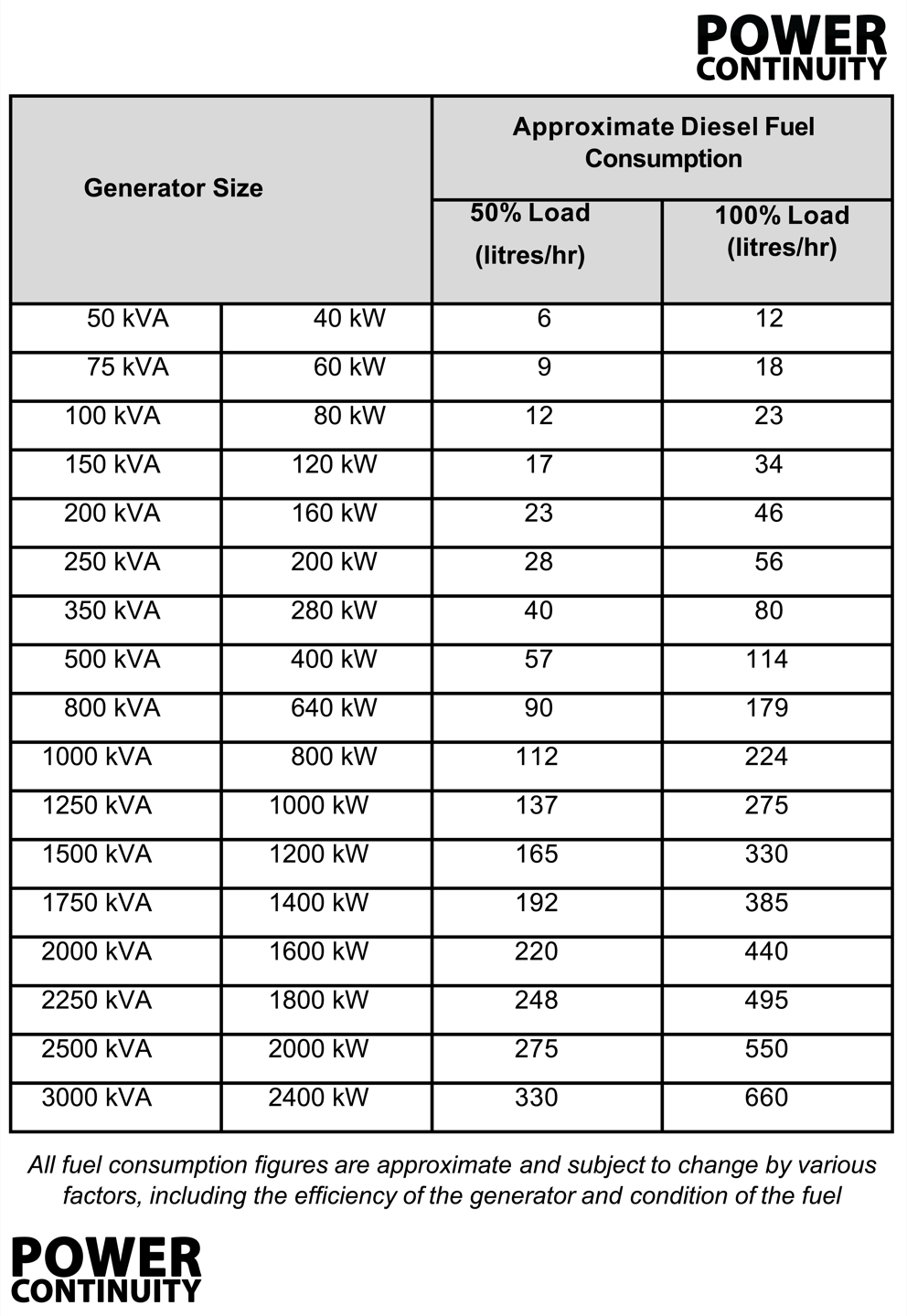
Understanding how does a propane generator work includes knowing your fuel consumption rates. A 20kW propane generator running at 50% load consumes approximately 1.3 gallons per hour. During a 5-day outage (120 hours), you’d need 156 gallons of propane—costing about $429 at current prices of $2.75 per gallon.
Typical Consumption Rates to Help Your Planning
- 25% load: 0.42 gal/hr (10kW unit) / 0.85 gal/hr (20kW unit)
- 50% load: 0.65 gal/hr (10kW unit) / 1.30 gal/hr (20kW unit)
- 75% load: 0.85 gal/hr (10kW unit) / 1.70 gal/hr (20kW unit)
- 100% load: 1.15 gal/hr (10kW unit) / 2.25 gal/hr (20kW unit)
Environmental and Safety Benefits Over Other Fuels
Propane generators offer significant environmental advantages compared to gasoline or diesel alternatives. They produce 12% less CO2 than gasoline and 18% less than diesel per unit of electricity generated. The fuel’s indefinite shelf life means no seasonal fuel rotation, eliminating the environmental impact of stale gasoline disposal.
Safety Advantages That Protect Your Family
- Non-toxic propane dissipates safely into the atmosphere if leaked
- No spillage risk compared to stored liquid fuels
- Lower fire hazard with multiple built-in safety systems
- Cleaner burning reduces carbon monoxide risk during proper operation
Maintenance Practices Ensure Reliability When Needed
Regular maintenance keeps your propane generator ready to respond instantly when power fails. The clean-burning nature of propane extends maintenance intervals to 200-250 hours—double that of gasoline generators.
Essential Maintenance Schedule for Peace of Mind
- Weekly: Complete 20-minute exercise cycle under load
- Monthly: Test battery and check for propane leaks
- Every 50 hours: Inspect air filter condition
- Every 100 hours: Change engine oil and filter
- Annually: Replace spark plugs and inspect regulators
Your propane generator represents a sophisticated system where chemistry, mechanics, and electronics converge to provide reliable backup power. When properly sized and maintained, these units deliver decades of dependable service—ready to restore your electricity within seconds of any utility failure. Understanding how does a propane generator work empowers you to make informed decisions that ensure your family’s safety and comfort during power emergencies.