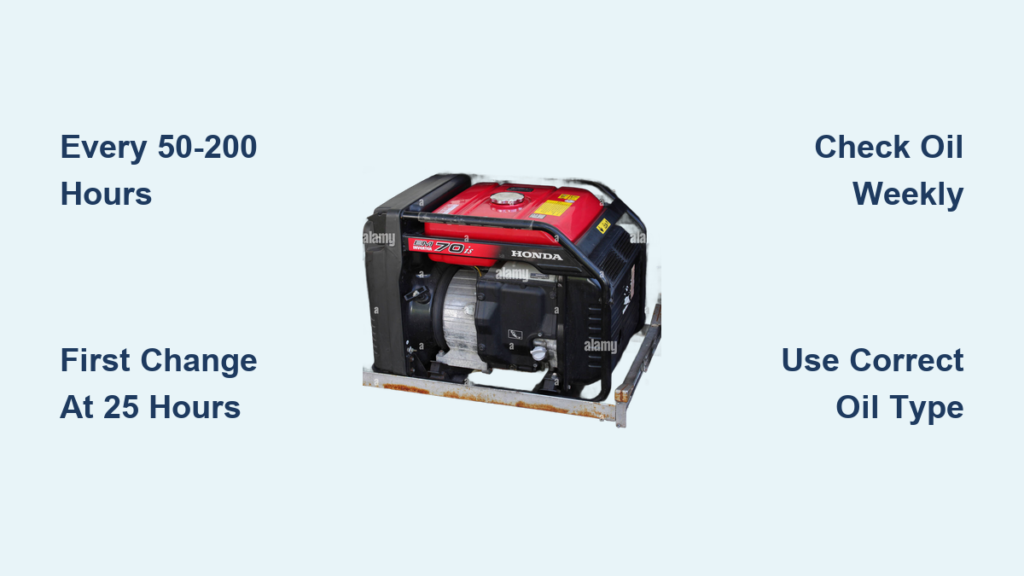
When the lights go out during hurricane season, your Honda generator becomes your lifeline—but nothing kills that lifeline faster than neglected oil maintenance. That sudden silence when you need power most often traces back to dirty oil clogging critical engine components. Most Honda owners don’t realize their generator’s oil degrades twice as fast as their car’s during emergency operation, making timely changes essential for survival-level reliability.
Your Honda generator’s oil change frequency isn’t just about hours—it’s about how those hours accumulate under real-world conditions. While manufacturer guidelines provide a starting point, your specific usage patterns, environmental factors, and model determine when you actually need to change the oil. This guide breaks down exactly how often to change oil in your Honda generator based on proven maintenance practices that keep thousands of units running through disasters.
Honda’s Official Oil Change Intervals (And When to Adjust Them)
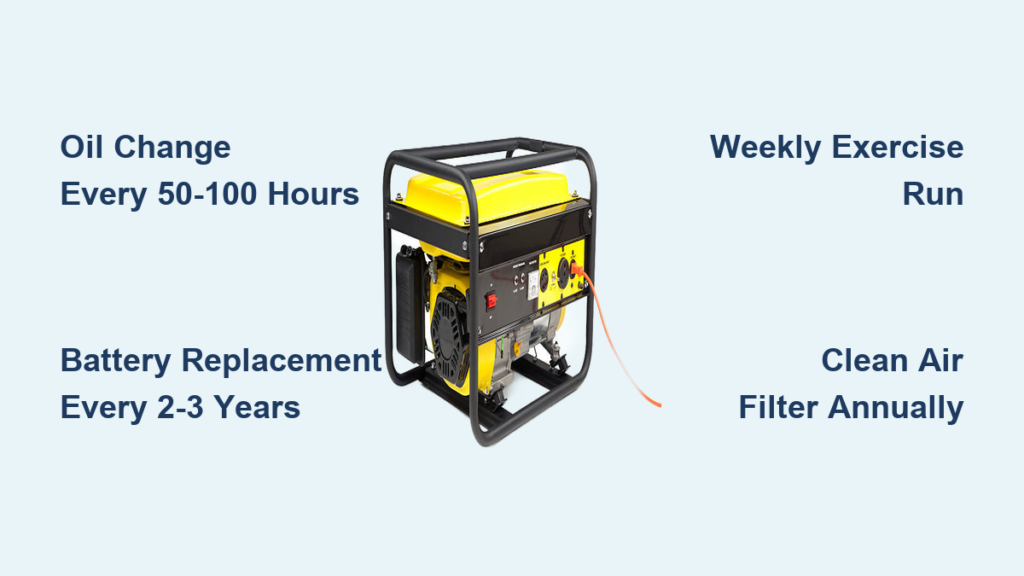
Honda generators require oil changes every 50-200 hours under standard operation, but this range reflects ideal conditions rarely found in actual emergency use. Your generator works harder delivering consistent power during outages than during brief test runs, accelerating oil breakdown. If you’re running your Honda generator daily during extended blackouts, reduce intervals to every 50-100 hours regardless of manufacturer maximums.
Why Your First Oil Change Must Happen at 25 Hours
That initial 25-hour oil change isn’t a suggestion—it’s critical engine protection. During manufacturing and shipping, microscopic metal particles circulate through the engine during break-in operation. These contaminants rapidly accelerate wear if left in the oil beyond this point. Drain the oil while the engine is warm for complete removal, replace the drain plug washer, and inspect the magnet for metal shavings that indicate abnormal wear.
Heavy Usage Patterns That Demand More Frequent Changes
Running your Honda generator 12+ hours daily during prolonged outages transforms standard maintenance rules. Check oil levels every 24 hours during continuous operation and change oil at 50-75 hour intervals instead of the standard 200. Dark, thick oil after just 40 hours signals rapid contamination—don’t wait for the hour counter. Track oil consumption weekly; using more than 1/4 quart per 20 hours indicates developing engine problems requiring immediate attention.
Environmental Factors That Accelerate Oil Contamination
Where you operate your Honda generator dramatically impacts oil change frequency. Coastal salt air, desert dust, or extreme temperatures introduce contaminants that degrade oil performance long before hour counters suggest service is needed. Many owners in harsh environments discover their generators require oil changes 30-50% more often than Honda’s baseline recommendations.
Dusty Conditions That Require 25-50% More Frequent Changes
If your generator operates in construction zones, desert areas, or during wildfire season, airborne particles overwhelm standard air filters during extended use. Visible grit in the oil between changes or unusually rapid air filter clogging means you must change oil every 35-50 hours instead of 100. Wipe the dipstick area thoroughly before checking levels to prevent introducing additional contaminants during inspections.
Temperature Extremes That Break Down Oil Faster
High temperatures thin oil viscosity, reducing lubrication effectiveness during critical startup periods. Generators in consistently hot climates (above 90°F) need oil changes every 100-150 hours maximum. Conversely, frequent cold starts below 40°F thicken oil, increasing wear—use 5W-30 oil and change at 150 hours regardless of runtime. Humid environments introduce moisture that emulsifies oil; check levels monthly even with infrequent use.
Model-Specific Honda Generator Oil Change Schedules
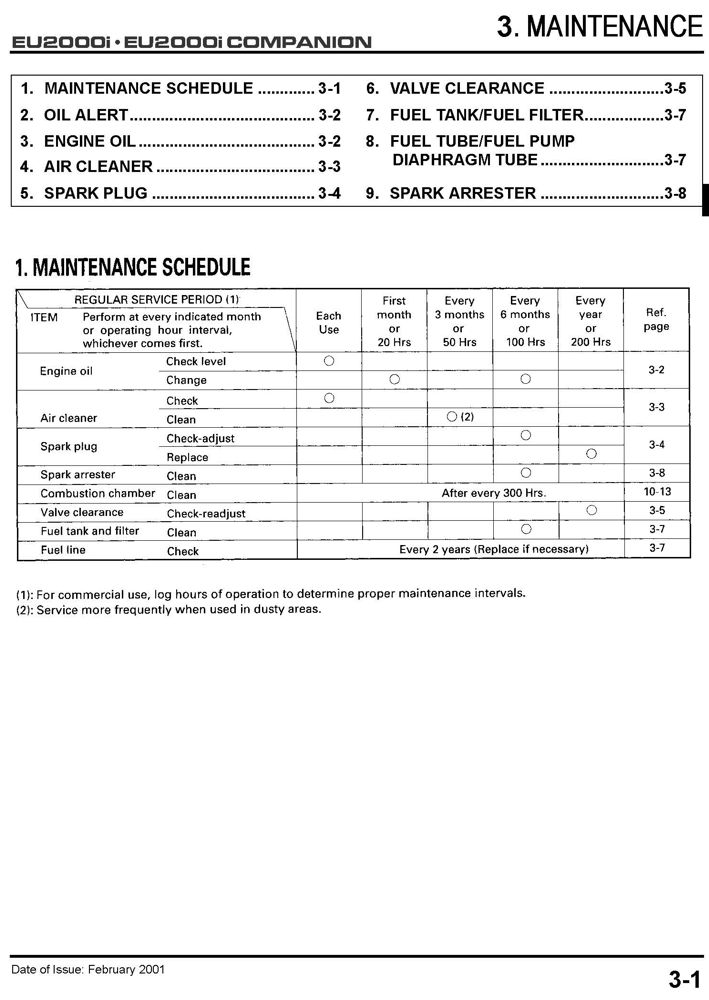
Honda’s EU series inverters require more frequent changes than larger commercial models due to their compact engine design. The EU2000i and EU2200i need oil changes every 100 hours with their 0.42 quart capacity, while the EU3000i stretches to 150 hours with its 1.16 quarts. Larger EB and EM series models like the EM4000SX and EM5000SX follow the 200-hour standard with identical oil capacities.
Commercial Models That Demand Strict Maintenance
The EU7000iS used on job sites requires oil changes every 100 hours during commercial operation, not the 200-hour interval listed for residential use. The EB10000’s heavy-duty cycles demand 100-hour changes with its 1.37 quart capacity. Never stretch intervals on commercial models—the increased load and runtime create exponentially more engine stress than occasional home backup use.
Correctly Checking Your Honda Generator Oil Level
Checking oil levels improperly introduces contaminants that accelerate wear. Always stop the generator and wait 5-10 minutes for oil to settle before checking. Place the unit on level ground, clean the dipstick area thoroughly, and insert without threading to prevent false readings. Check levels weekly during hurricane season even if runtime remains low.
Warning Signs Your Oil Needs Immediate Replacement
Your Honda generator provides clear warnings before oil-related failure occurs. Automatic shutdowns on newer models signal critically low oil levels. Increased knocking sounds during operation indicate insufficient lubrication. Reduced power output under normal loads and excessive blue exhaust smoke mean oil has degraded beyond usefulness—change immediately regardless of hour count.
Selecting the Right Oil for Your Honda Generator
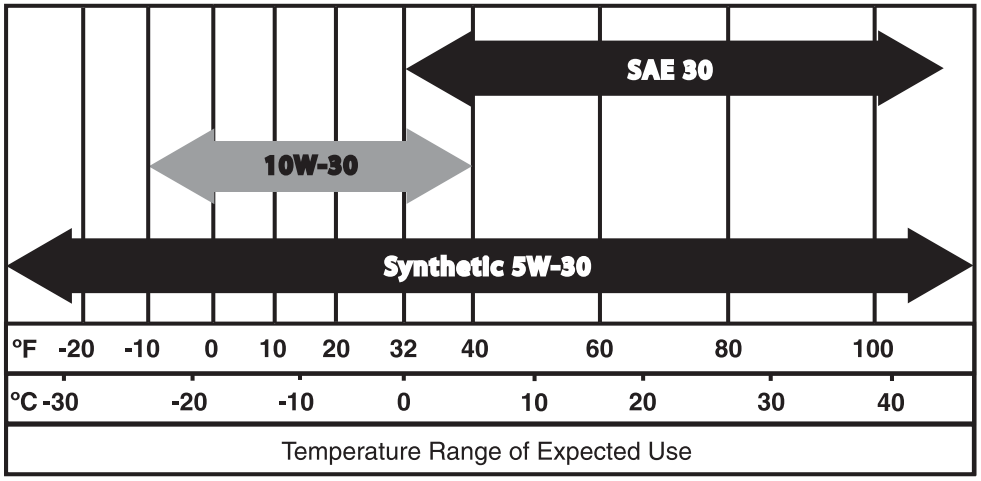
Using incorrect oil voids your generator’s warranty and accelerates engine wear. Honda specifies 10W-30 API service category SJ or later for standard conditions, but temperature extremes demand adjustment. Below 32°F, switch to 5W-30 for reliable cold starts. Above 80°F consistently, 10W-40 provides better high-temperature protection. Always verify oil requirements in your specific model’s manual.
Temperature-Appropriate Oil Grades for Maximum Engine Life
Synthetic oil extends change intervals to 200 hours while providing superior high-temperature stability and cold-weather starting. Conventional oil works for standard use but requires more frequent changes. Never mix oil types during top-offs—completely drain and replace when switching between conventional and synthetic. Store opened oil containers tightly sealed to prevent moisture contamination.
Complete Honda Generator Oil Change Procedure
Changing oil in your Honda generator takes just 15 minutes with basic tools and prevents costly service calls. Warm the engine for 2-3 minutes first—warm oil drains more completely. Position a 2-quart drain pan under the plug, remove the plug while wearing gloves, and let drain for 5 minutes. Replace the crush washer and torque the plug to specification before adding new oil to the correct level.
6-Step Oil Replacement Process That Prevents Common Mistakes
- Run the generator 2-3 minutes to warm the oil
- Position drain pan under the oil drain plug
- Remove plug and let drain completely (5 minutes)
- Clean and replace the drain plug washer
- Tighten plug to Honda’s torque specification
- Add correct oil type to proper level on dipstick
Critical tip: Never overfill—excess oil causes foaming that reduces lubrication effectiveness. Run the generator briefly after refilling, then recheck the level once cooled.
Troubleshooting Common Honda Generator Oil Problems

Excessive oil consumption manifests as blue exhaust smoke, oil in the air filter housing, or rapid level drops between checks. These indicate worn piston rings or valve seals requiring professional service. Premature oil darkening comes from short run cycles preventing full warm-up, poor fuel quality creating soot, or clogged air filters allowing dirt ingestion.
Diagnosing Contamination Sources Before Damage Occurs
Check your air filter monthly during heavy use—a dirty filter introduces particles that rapidly contaminate oil. Use fresh fuel with stabilizer to prevent combustion byproducts from contaminating oil. If oil appears milky, moisture has entered the system—likely from frequent short runs that prevent engine temperature from evaporating condensation.
Creating Your Personalized Honda Generator Oil Change Schedule
Track runtime with a dedicated log noting dates, hours, and conditions. Emergency-only generators need annual changes regardless of hours, while RV units require changes every 100 hours or 6 months. Construction site generators demand monthly changes or 50-hour intervals. During hurricane season, change oil before the season starts regardless of hours—old oil degrades even in storage.
Sample Schedules Based on Real-World Usage Patterns
Home backup (emergency only): Change oil annually before hurricane season, check levels monthly
Frequent RV use: Change every 100 hours or 6 months (whichever comes first)
Job site daily operation: Change monthly or every 50 hours with heavy dust exposure
New generator break-in: First change at 25 hours, then follow standard intervals
Key Takeaway: Your Honda generator’s oil change frequency depends on how you use it, not just the hour counter. A generator running 8 hours during a hurricane needs more frequent changes than one providing occasional camping power. Track your usage patterns, watch for contamination signs, and adjust intervals based on your specific conditions—this proactive approach ensures reliable starts when you need power most.
Next Step: Grab your generator’s manual right now and note your model’s specific oil capacity and recommended grade. Tape a maintenance log inside the cover with current hours and last change date—this simple habit prevents catastrophic failures and guarantees your Honda generator’s readiness during the next power outage.