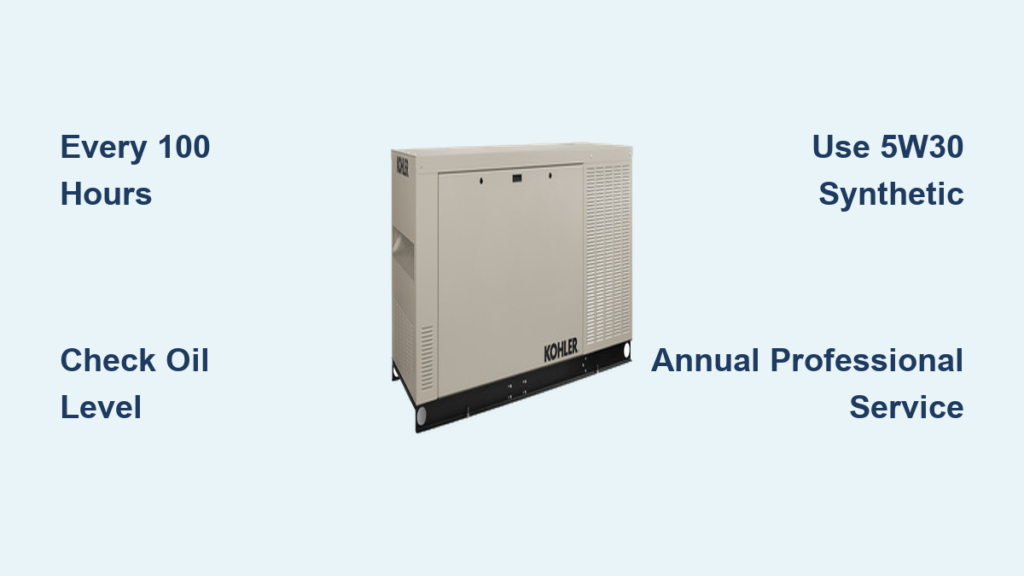
When the power goes out and your Kohler generator kicks on to keep your home running, you’re counting on it to perform flawlessly. But if you’ve missed an oil change, that reliability disappears fast. Unlike automotive maintenance schedules that stretch to thousands of miles, Kohler generators demand a strict oil change every 100 hours of operation—no exceptions. This isn’t a suggestion buried in your manual; it’s the single most critical maintenance task that determines whether your generator will save you during an emergency or leave you in the dark.
Many homeowners mistakenly assume their generator’s oil lasts as long as their car’s, sometimes going years between changes. But generators operate under completely different conditions—they often run at full capacity for extended periods during outages, creating extreme stress on engine components. When your Kohler runs continuously for days during a storm, it accumulates operational hours at an alarming rate. This guide reveals exactly how often to change oil in Kohler generator units, how to monitor oil levels between changes, and what happens when you ignore this vital maintenance task.
Kohler Generator Oil Change Frequency: 100 Hours Non-Negotiable
Kohler doesn’t play games with oil change intervals—every single generator model requires an oil change after exactly 100 hours of operation, regardless of whether it’s a portable unit or a whole-house standby system. This interval isn’t based on calendar time but on actual running hours, making it completely different from your vehicle’s maintenance schedule. While your car might go 5,000-10,000 miles between oil changes, your Kohler generator needs fresh oil after just 100 hours because it operates under what manufacturers call “severe service” conditions.
Why Kohler Sets the 100-Hour Standard
Generator engines endure significantly more stress than automotive engines because they frequently run at maximum capacity for extended periods. During a major storm, your generator might operate continuously for 72+ hours, accumulating operational hours at a rate that would take months in normal vehicle use. This constant high-load operation creates extreme heat and pressure inside the engine, breaking down oil properties much faster than in a typical car engine that cycles through various speeds and loads. The 100-hour interval specifically accounts for this severe operating condition, preventing dangerous sludge buildup and metal-on-metal contact that leads to catastrophic engine failure.
How to Track Your Generator’s Operational Hours
Your Kohler generator’s hour meter is your most important maintenance tool—check it monthly even when the generator isn’t running. Most modern Kohler units feature a digital hour meter on the control panel, but older models might have a mechanical counter. If your generator lacks an hour meter (common in older portable models), create a simple log sheet that you update after each outage. Record the start and stop times of every power failure, then calculate the total runtime. Many homeowners set quarterly calendar reminders to check their hour meter and calculate when their next oil change is due. Never assume your generator hasn’t accumulated significant runtime during brief outages—those minutes add up quickly over time.
Oil Level Monitoring Between Mandatory Changes

Even with perfect adherence to the 100-hour oil change rule, you must check your oil level frequently during generator operation. Kohler mandates checking oil every 8 hours during continuous running periods, with a minimum check every 24 hours if the 8-hour interval isn’t practical. This frequent monitoring is non-negotiable because generators can consume oil at wildly different rates depending on multiple factors.
Oil Consumption Variables You Must Consider
Your generator’s oil consumption depends on several critical factors that change with each use:
– Engine age and condition (older engines typically burn more oil)
– Electrical load percentage (running at 100% capacity consumes more oil than 50%)
– Ambient temperature (extreme heat or cold affects oil viscosity and consumption)
– Generator model specifications (some models naturally run oilier than others)
This variability means you can’t predict how much oil your generator will use—you must check it regularly. During extended outages, some Kohler units might require topping off every 24-48 hours, while others maintain stable levels. Never assume your oil level remains constant between changes.
Step-by-Step Oil Level Check Procedure
- Shut down your generator completely and wait exactly 2 minutes for oil to settle back into the crankcase
- Locate the dipstick at the back of the engine—it features a distinctive yellow ring or handle
- Pull the dipstick straight out and wipe it completely clean with a lint-free rag
- Fully reinsert the dipstick, then immediately pull it out again
- Examine the oil level against the crosshatched area between ‘F’ (full) and ‘L’ (low) markings
- If oil falls below the ‘L’ mark, you must add oil immediately before restarting
Adding Oil Safely During Operation
When topping off oil during extended outages, locate the yellow oil fill cap on the front of the engine (marked with an oil can symbol). Add oil in small increments—just 2-3 ounces at a time—then recheck the level with the dipstick. Continue this process until the oil reaches the ‘F’ mark, but never overfill beyond this point. Overfilling creates dangerous pressure buildup that can damage seals and cause oil leaks into the combustion chamber, resulting in white smoke and potential engine damage.
Critical Oil Type Specifications for Kohler Generators
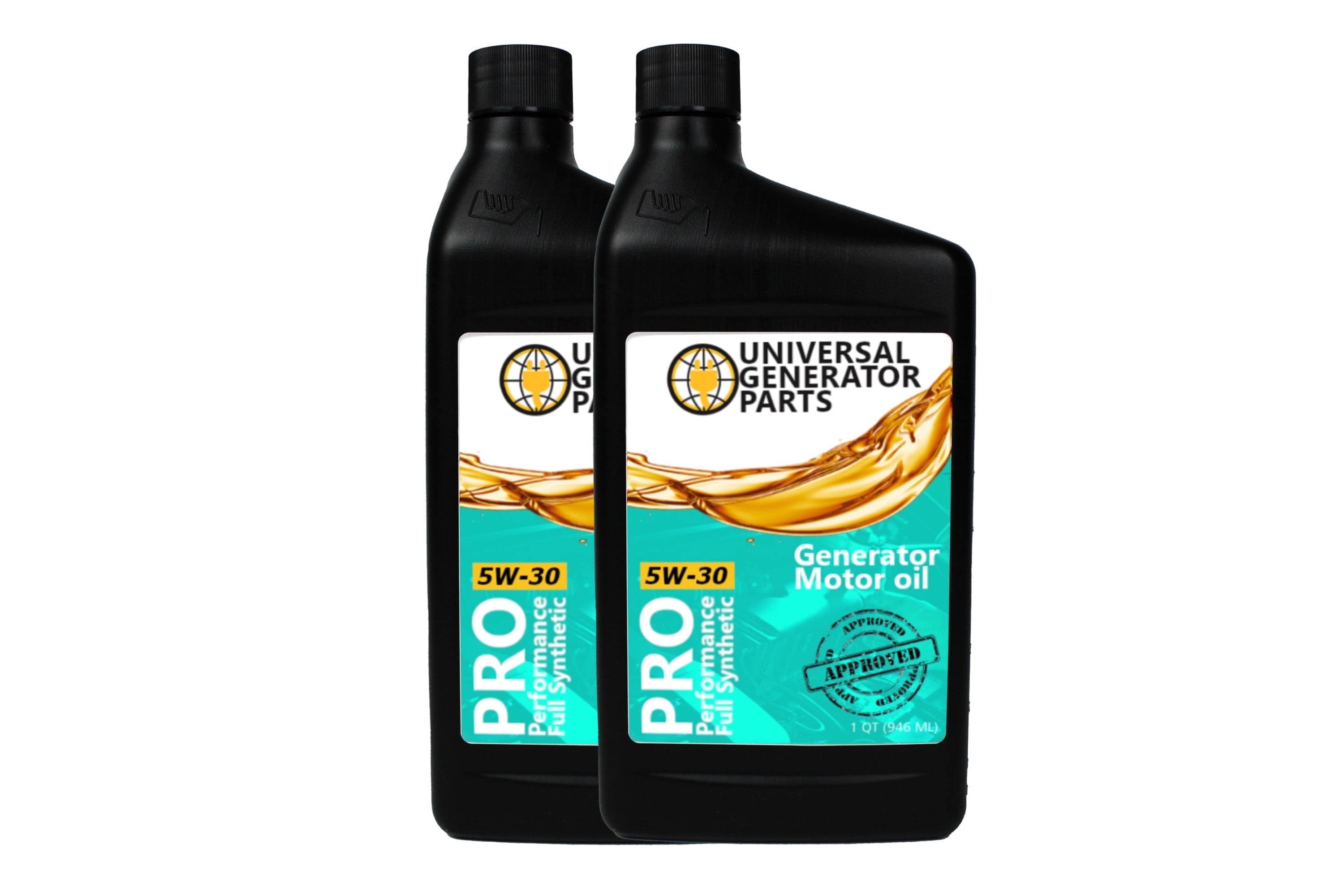
Why 5W30 Full Synthetic Is Mandatory
Kohler specifically recommends 5W30 full synthetic oil for all generator models because it maintains proper viscosity across extreme temperature ranges. During cold starts, synthetic oil flows faster to critical engine components, preventing dry-start wear. When running at full capacity during summer heat waves, synthetic oil resists thinning out and maintains its protective film between moving parts. This consistent protection directly impacts your generator’s lifespan—using conventional oil instead of synthetic can reduce engine life by up to 40% according to Kohler’s internal testing.
What to Do When Synthetic Oil Isn’t Available
While 5W30 full synthetic is ideal, conventional mineral oil serves as an acceptable temporary substitute during emergencies. However, Kohler issues two critical warnings about conventional oil:
– Never mix synthetic and conventional oils in the same fill cycle
– If your generator previously used conventional oil, continue with conventional only
Mixing oil types creates chemical incompatibility that breaks down the oil’s protective properties, leading to accelerated wear and potential engine failure. If you must switch from conventional to synthetic, perform a complete oil change with new filter first.
Dangerous Misconceptions About Oil Maintenance

Why Low Oil Pressure Switches Aren’t Maintenance Tools
Your Kohler generator’s low oil pressure switch serves only as an emergency shutdown mechanism—it’s not a substitute for regular oil checks. This critical distinction means engine damage has already occurred by the time the switch activates. The pressure switch only triggers when oil pressure drops to dangerous levels, which happens after significant oil loss or breakdown. Relying on this switch for maintenance is like waiting for your car’s “check engine” light before changing oil—you’re already too late.
Water Submersion Emergency Protocol
If floodwaters threaten your generator, immediate action is required:
– Turn off the generator immediately if you can safely access it
– Never attempt to restart a generator that has been submerged
– Contact an authorized Kohler dealer immediately—even brief submersion causes internal damage
Water and electricity create extremely dangerous conditions, but continuing to run a wet generator causes catastrophic internal damage that often requires complete engine replacement.
Essential Professional Maintenance Beyond Oil Changes
https://www.kohler.com/en/us/products/generators/services/annual-maintenance-checklist.html
Why Annual Kohler-Specific Service Is Non-Negotiable
While you handle oil changes, Kohler mandates annual professional service by authorized technicians who understand generator-specific maintenance needs. This service includes critical tasks beyond oil changes:
– Valve clearance adjustments (critical for proper combustion)
– Cooling system inspection and coolant replacement
– Fuel system cleaning and filter replacement
– Electrical component testing and calibration
These systems interact with engine oil performance—neglecting them affects your oil’s effectiveness even with perfect oil change intervals.
Finding Qualified Kohler Service Technicians
Authorized Kohler dealers receive specific training on generator maintenance that general mechanics lack. They understand the unique operating parameters of standby power systems and can identify developing issues before they cause failure during an outage. When searching for service, verify the technician’s Kohler certification—look for the official Kohler dealer logo and ask about their generator-specific training hours.
Kohler Generator Oil Maintenance Quick Reference
| Maintenance Task | Frequency | Critical Consequences of Neglect |
|---|---|---|
| Complete oil change | Every 100 hours of operation | Complete engine failure within hours |
| Oil level check | Every 8 hours during operation | Piston seizure and cylinder scoring |
| Professional service | Annually by authorized technician | Multiple system failures during outage |
| Emergency shutdown | Immediately during water exposure | Total engine destruction |
Final Critical Reminders for Kohler Generator Owners
Your generator’s oil isn’t just lubrication—it’s the lifeblood of your emergency power system. Set multiple reminders for your 100-hour oil change deadline: calendar alerts, phone notifications, and a physical tag on your generator. Keep at least two quarts of 5W30 full synthetic oil stored in a cool, dry place specifically for your generator—don’t wait for an outage to discover you’re out of oil.
Remember that during extended power outages, your generator becomes your home’s lifeline for refrigeration, medical equipment, and heating or cooling. A simple oil change delay could leave you without power when you need it most. The few minutes it takes to check your oil level or perform a change pales in comparison to the cost of generator replacement after preventable engine failure.
Immediate Action Step: Locate your generator’s hour meter right now and calculate how many hours remain until your next oil change. If you’re within 20 hours of the 100-hour mark, schedule your oil change today—don’t wait for the next storm to remind you. Your future self during the next power outage will thank you for this simple, life-saving maintenance task.