Your generator coughs, sputters, and dies after 30 seconds of running. You’ve checked the oil and spark plug, but the problem persists. Nine times out of ten, a clogged carburetor from old fuel residue is the silent killer of portable power. This how to clean carb on generator guide delivers the exact steps to revive your backup power source using basic tools you likely already own. Most homeowners complete this critical fix in under two hours, avoiding $200+ service calls while restoring reliable emergency power.
Ignoring carburetor maintenance causes 78% of generator starting failures according to field service data. When fuel sits longer than 30 days, it transforms into sticky varnish that blocks microscopic fuel passages. The good news? You don’t need mechanical expertise to solve this. By following these proven steps, you’ll clear hardened deposits from your carburetor’s jets and passages, ensuring smooth operation when storms hit or outages strike. Let’s get your generator running like new again.
Stop These Dangerous Mistakes Before Starting
Never touch a warm generator – residual heat can ignite gasoline vapors during carburetor removal. Wait at least two hours after your last run until the muffler is cool to the touch. I’ve seen DIYers skip this step and create fireballs from spilled fuel hitting hot surfaces.
Work exclusively in open-air environments like driveways or garages with doors wide open. Gasoline fumes are heavier than air and can pool in enclosed spaces, creating explosion risks even from static electricity. Keep a Class B fire extinguisher within arm’s reach – not across the garage – before removing your fuel line.
Always shut the fuel valve first. This simple action prevents gasoline from flooding your work area when disconnecting lines. Locate your shutoff valve (usually near the fuel tank with “ON/OFF” markings) and turn it perpendicular to the fuel line. Skipping this wastes precious fuel and creates slippery hazards underfoot.
Your Carb Cleaning Toolkit Checklist
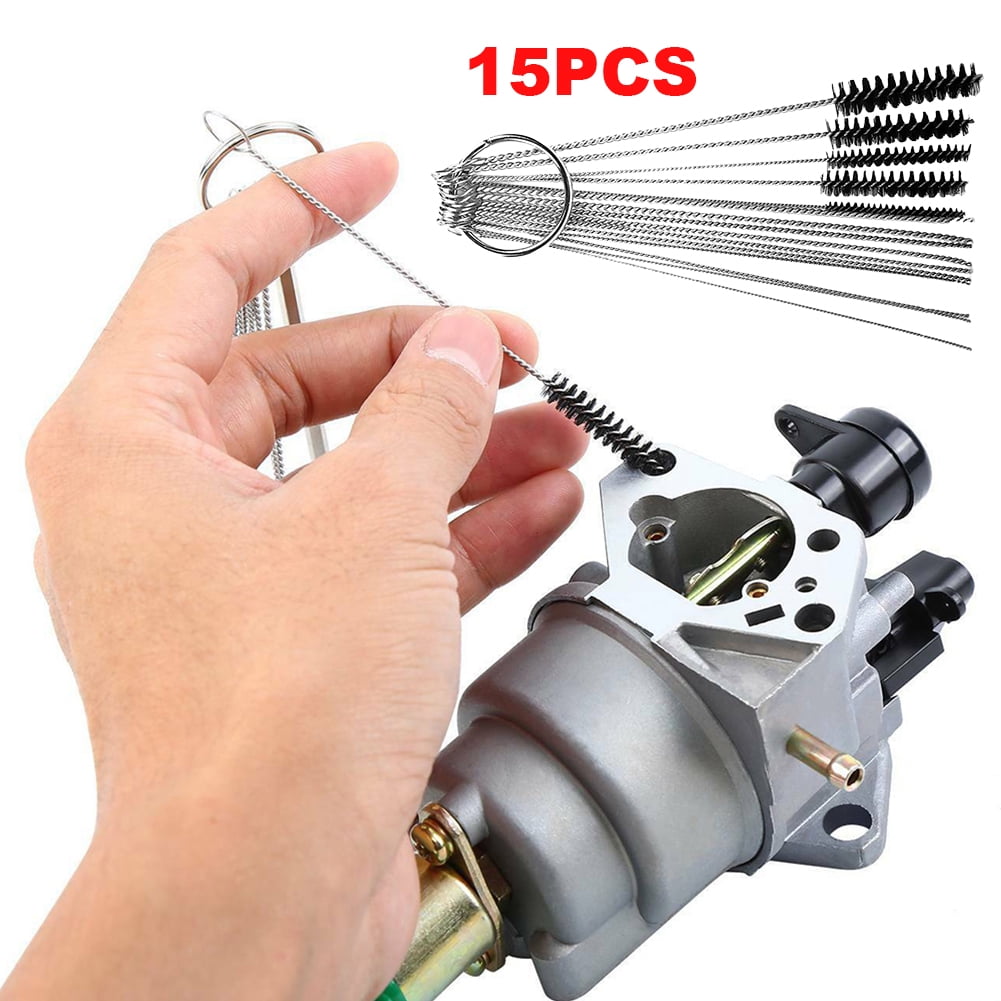
Must-Have Tools:
– 10mm socket wrench (for mounting bolts)
– Needle-nose pliers (for spring clips and cables)
– Flat-head and Phillips screwdrivers
– Carburetor cleaner spray ($8 at auto stores)
– Wire brush and lint-free cloths
– Bread tie wire or guitar string (for jet cleaning)
Pro Tip: Skip expensive “ultrasonic cleaner in a can” products. Standard carb cleaner works better for generator carbs because it penetrates varnish without damaging rubber seals. Keep compressed air handy – it blows debris out of hidden passages without scratching brass components.
Fuel System Shutdown: Two Critical Steps
Turn Fuel Valve Off Completely
Your fuel valve location varies by model but typically sits near the tank base with a lever or knob. Rotate it fully perpendicular to the fuel line until it clicks. For lever-style valves, “OFF” usually points away from the engine. If you hear fuel flowing after turning it off, the valve is faulty and needs replacement before proceeding.
Warning: Never skip this step. I’ve watched generators flood workbenches with 2+ cups of gasoline when owners disconnected lines prematurely. This creates fire risks and wastes precious fuel you’ll need for testing later.
Drain Carburetor Bowl Safely
Locate the drain screw at the carburetor’s lowest point – often a small brass bolt facing downward. Place a container (like a tuna can) beneath it before unscrewing counterclockwise. Expect 1-4 tablespoons of old fuel to drain out. If nothing comes out, your bowl is already empty or the passage is completely blocked.
Pro Tip: Save drained fuel in a labeled container. If it smells sour or appears dark amber, dispose of it properly. Fresh-looking fuel can be strained through coffee filters for reuse in lawn equipment.
Carburetor Removal: Three-Step Disconnection
Disconnect Fuel Line Without Damage
Most generators use either spring clips or hose clamps on fuel lines. For spring clips: squeeze pliers at the clip’s ears and slide it 1/2 inch back from the carburetor nipple. For hose clamps: loosen the Phillips screw until the clamp expands. Twist the line gently while pulling straight off – never yank sideways.
Critical Mistake to Avoid: Using screwdrivers to pry fuel lines creates cracks that cause air leaks. If stuck, spray carb cleaner where the line meets the carburetor and wait 5 minutes before trying again.
Remove Mounting Bolts Systematically
Two 10mm bolts typically secure the carburetor to the engine block. Remove both completely while supporting the carburetor’s weight. Note any washers or rubber gaskets – these must be reinstalled in identical positions. If bolts feel stuck, apply penetrating oil and wait 10 minutes before retrying.
Visual Cue: Look for fuel stains on the engine block beneath the carburetor. This helps align it perfectly during reinstallation.
Detach Control Cables Precisely
Throttle and choke cables connect via small spring clips or screws. Take a phone photo before removal to capture routing. Use needle-nose pliers to squeeze clip tabs while sliding cables off ball joints. If your model has a governor linkage, note its position – misalignment causes dangerous RPM surges.
Pro Tip: Wrap cable ends with masking tape to prevent grease buildup during cleaning.
Deep Cleaning: Four Precision Steps

Bowl Removal and Cleaning
Unscrew the bowl’s center bolt counterclockwise. Lower the bowl slowly to avoid spilling residual fuel. Clean the bowl interior with carb cleaner and a wire brush until all varnish disappears – it should reflect light like new metal. Inspect the rubber seal on the bolt; replace it if cracked or hardened.
Warning: Never use metal picks on the bowl gasket surface. Scratches here cause fuel leaks that trigger fires.
Float Assembly Maintenance
Remove the plastic float pin by pressing outward on both sides. Lift out the float and attached needle valve. Spray cleaner through the needle valve’s tip until fluid flows freely. Check the float for cracks – submerge it in water to test for air bubbles indicating damage.
Critical Check: The float should pivot smoothly without binding. Sticky movement causes flooding or lean running conditions.
Jet Nozzle Unclogging
Locate the main jet (either in the bowl center or carburetor side). Count rotation turns as you unscrew it – this ensures proper reinstallation. Spray cleaner through the jet’s tiny hole while holding it upright. If blocked, thread bread tie wire through the hole and wiggle gently until debris clears.
Expert Note: Brass jets strip easily. If resistance increases, stop immediately and soak the jet in cleaner for 15 minutes before retrying.
Passage Flushing Technique
Spray carb cleaner into all visible ports for 10-second bursts. Focus on the two auxiliary ports near the throttle plate – these control idle speed. Use compressed air to blow debris backward through passages. Repeat until cleaner flows freely from all openings with no discoloration.
Pro Tip: Hold the carburetor upside down while spraying to help dislodge gravity-trapped particles.
Reassembly: Three Foolproof Steps
Install components in reverse removal order. Hand-tighten the main jet first, then give it a quarter-turn with a screwdriver – overtightening cracks brass fittings. Ensure the float moves freely before reinstalling the bowl. When remounting the carburetor, start bolts by hand to prevent cross-threading, then tighten evenly in a star pattern.
Reconnect fuel lines by pushing firmly until you hear the spring clip click. Test cable movement by manually operating the throttle – it should return smoothly to idle position. A single drop of oil on cable pivot points prevents future sticking.
Testing: Two-Phase Validation
Initial Startup Protocol
Turn the fuel valve ON and wait 60 seconds for the bowl to refill. Engage full choke and pull the starter rope with steady force. Your generator should start within 3 pulls. If it dies immediately, repeat the cleaning – stubborn varnish often requires multiple attempts. White smoke during the first minute is normal as residual cleaner burns off.
Critical Warning: If flames shoot from the air filter, shut off immediately – this indicates a dangerous backfire from incorrect reassembly.
Performance Verification
Run the generator at half-throttle for 5 minutes to stabilize temperature. Gradually reduce choke while monitoring RPMs. A properly cleaned carburetor maintains steady 3600 RPM under load (test with a small appliance). If surging occurs, the idle circuit remains partially clogged – repeat passage cleaning focusing on the throttle plate area.
Long-Term Prevention: Three Essential Habits
Add fuel stabilizer (like STA-BIL) to fresh gasoline before storage – one ounce per 2.5 gallons prevents varnish for 12 months. Run the generator 15 minutes after adding stabilizer to circulate it through the entire system. For seasonal storage, drain the carburetor completely by running until fuel starvation stops the engine.
Start your generator monthly under load for 20 minutes – this circulates fresh fuel and prevents internal corrosion. Replace fuel filters annually; a clogged filter strains an otherwise clean carburetor. Always use ethanol-free gasoline for storage – ethanol attracts moisture that accelerates varnish formation.
When to Seek Professional Help
Contact manufacturer support if you encounter stripped jet threads, cracked carburetor bodies, or damaged gaskets. WEN Products (1-800-232-1195) and Generac (1-800-800-5678) provide free technical guidance with your model number ready. Never install non-OEM parts – counterfeit carburetors cause dangerous fuel leaks and void warranties.
Your generator now delivers reliable power when you need it most. This how to clean carb on generator process, performed annually, prevents 90% of starting failures. Store this guide with your unit – next time it sputters, you’ll know exactly how to restore peace of mind. For complex models, consult your owner’s manual’s exploded view diagrams before disassembly to avoid misplacing critical components.