You’ve turned your generator on, the engine runs smoothly, but your tools won’t power up. The outlets show zero voltage despite the engine humming along perfectly. This common frustration—your generator running but producing no electricity—almost always means one thing: lost residual magnetism. The good news? You can restore your generator’s power production in under 5 minutes with basic tools and a simple procedure called flashing.
Flashing a generator is the electrical equivalent of jump-starting a dead car battery—it restores the crucial residual magnetism that kickstarts your generator’s voltage production. Without this magnetic field, your generator’s alternator can’t build the voltage needed to power your equipment. In this guide, I’ll walk you through three proven methods to flash your generator, critical safety protocols that prevent costly mistakes, and troubleshooting steps for stubborn cases.
Why Your Generator Suddenly Lost Power Production
Extended Storage Causes Magnetic Field Decay
Generators lose their crucial residual magnetism when stored idle for 2-3 months or longer. This natural decay happens faster in humid environments, leaving your generator unable to produce electricity despite running normally. If your unit worked perfectly before seasonal storage but now shows zero voltage, demagnetization is almost certainly the culprit—not a mechanical failure.
Transportation Damage to Magnetic Alignment
Rough handling during moves can physically disrupt your generator’s magnetic field. Dropping your unit from the tailgate, bouncing it on a trailer, or even aggressive towing can jolt magnetic domains out of alignment. This explains why generators often fail immediately after transport despite working perfectly beforehand.
Electrical Faults That Instantly Erase Magnetism
Short circuits in your generator’s excitation system or sudden electrical faults can instantly eliminate residual magnetism. If your generator was working but suddenly stopped producing power after a lightning storm or electrical surge, check for burnt smells or visible damage before attempting to flash.
Critical Safety Steps Before Generator Flashing
Essential Safety Gear Checklist
- Insulated gloves rated for 600V minimum—never skip this
- Safety glasses to protect from potential sparks
- Non-conductive footwear with rubber soles
- Class C fire extinguisher within immediate reach
- Digital multimeter for voltage verification
Generator Shutdown Protocol
Before touching any wires:
1. Stop the engine completely and allow 15 minutes for cooling
2. Disconnect all loads from generator outlets
3. Turn OFF the main breaker to isolate the system
4. Shut off fuel supply to prevent accidental starting
5. Verify AVR disconnection (Automatic Voltage Regulator)
⚠️ Critical Warning: Never attempt to flash a running generator. This creates dangerous voltages that can damage equipment and cause severe electrical injury.
Battery Flashing Method: Quick 12V DC Fix
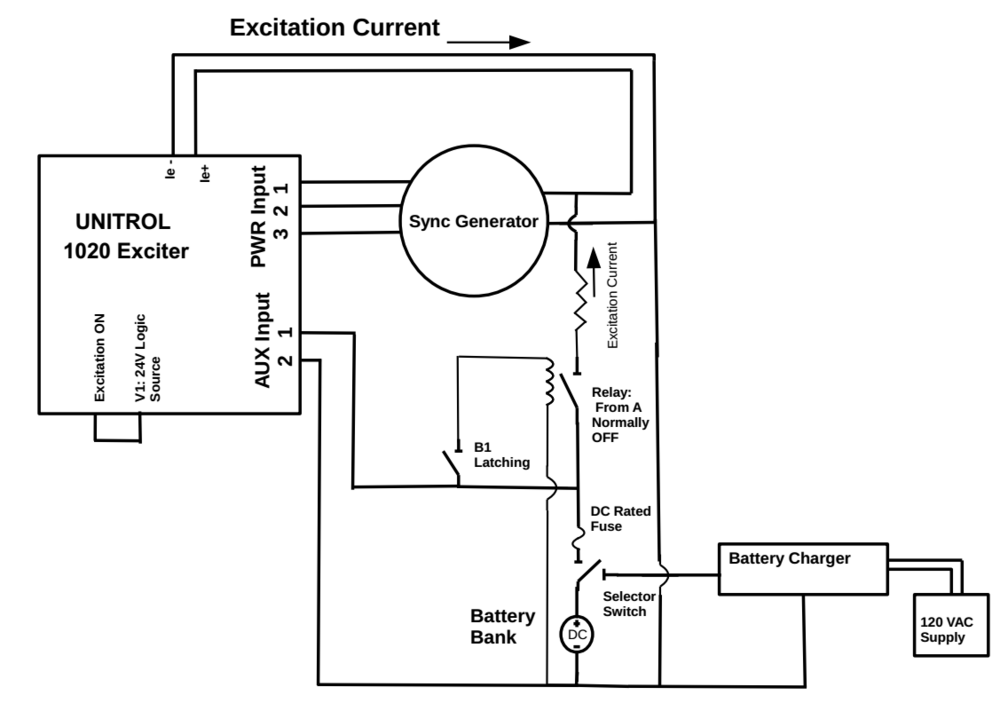
Locating Field Terminals on Your Generator
- Identify exciter field terminals marked F+ (positive) and F- (negative)
- Check connection box or end bracket for labels—sometimes hidden under covers
- Consult your generator’s wiring diagram if terminals aren’t clearly marked
- Typical field resistance: 10-50 ohms (measure with multimeter to confirm)
Step-by-Step Flashing Procedure
- Clean connections with wire brush until shiny metal appears
- Connect positive jumper cable to 12V battery + terminal
- Connect negative jumper cable to battery – terminal
- Touch positive cable to F+ for exactly 3-5 seconds
- Touch negative cable to F- simultaneously
- Remove cables immediately after 5 seconds maximum
Pro Tip: Set your phone timer—exceeding 5 seconds can overheat field coils and cause permanent damage. For portable generators, use 3-4 seconds; diesel units need only 2-3 seconds.
Post-Flashing Voltage Verification
- Remove all test connections
- Start generator using normal procedures
- Check output voltage with multimeter
- Voltage should reach 5-15V AC within 15 seconds on portable units
- If still no output, repeat once more with slightly longer duration
Light Bulb Method: Safer AC Flashing for Beginners
When This Method Works Best
The light bulb technique is ideal when you’re unsure about terminal identification or working with sensitive generators. It’s gentler than battery flashing and provides visual confirmation of success through the bulb’s brief flash.
Setup and Execution Steps
- Get 120V incandescent bulb (100-200W)—LED won’t work
- Connect one bulb wire to armature terminal A1
- Connect other bulb wire to field terminal F1
- Momentarily touch the disconnected F2 terminal to A2
- Remove connection immediately after bulb flashes
Expert Note: The bulb’s flash confirms current flow through the field—making this method perfect for beginners who need visual confirmation.
Troubleshooting Failed Flashing Attempts

Generator Still Shows Zero Voltage
Quick Diagnostic Steps:
– Measure field resistance—should match specs (10-50 ohms)
– Check continuity of field circuit for breaks
– Inspect slip rings for contamination or wear
– Test brush contact and spring tension
– Verify AVR operation using external power
Most Common Oversights:
– Loose connections—tighten all electrical terminals
– Corroded contacts—clean with wire brush or emery cloth
– Defective brushes—replace if worn beyond 50% of original length
Voltage Builds But Drops Under Load
Immediate Solutions:
– Repeat flashing with 5-7 second duration (maximum)
– Tighten all electrical connections in excitation circuit
– Verify load calculations match generator capacity
– Check AVR settings for proper voltage regulation
Generator-Specific Flashing Requirements
Portable Gasoline Generators
- Field resistance: 15-25 ohms typical
- Flash voltage: 12V DC maximum
- Duration: 3-4 seconds
- Target residual: 5-15V AC at no load
Special Steps:
– Ensure generator sits on level ground
– Check oil level before flashing
– Let engine reach operating temperature before testing
Diesel Generators
- Field resistance: 8-20 ohms typical
- Flash voltage: 12-24V DC (system dependent)
- Duration: 2-3 seconds maximum
- Target residual: 10-20V AC at no load
Key Checks:
– Verify fuel system is fully primed
– Confirm cooling system operates properly
– Ensure correct engine speed (1500/1800 RPM)
Post-Flashing Verification Tests
Load Testing Sequence
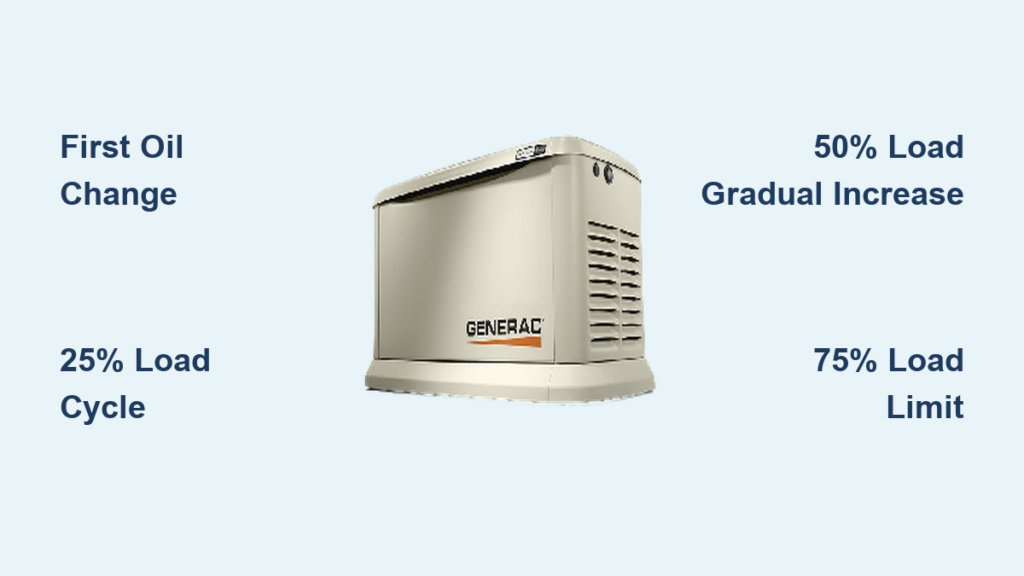
- Run generator 10 minutes at rated speed with no load
- Apply 25% load for 5 minutes while monitoring voltage
- Increase to 50% load for 5 minutes
- Step up to 75% load for 5 minutes
- Full load test with voltage verification
Voltage regulation should stay within ±5% of rated value throughout testing. Document these readings for future reference.
Preventing Future Demagnetization Issues
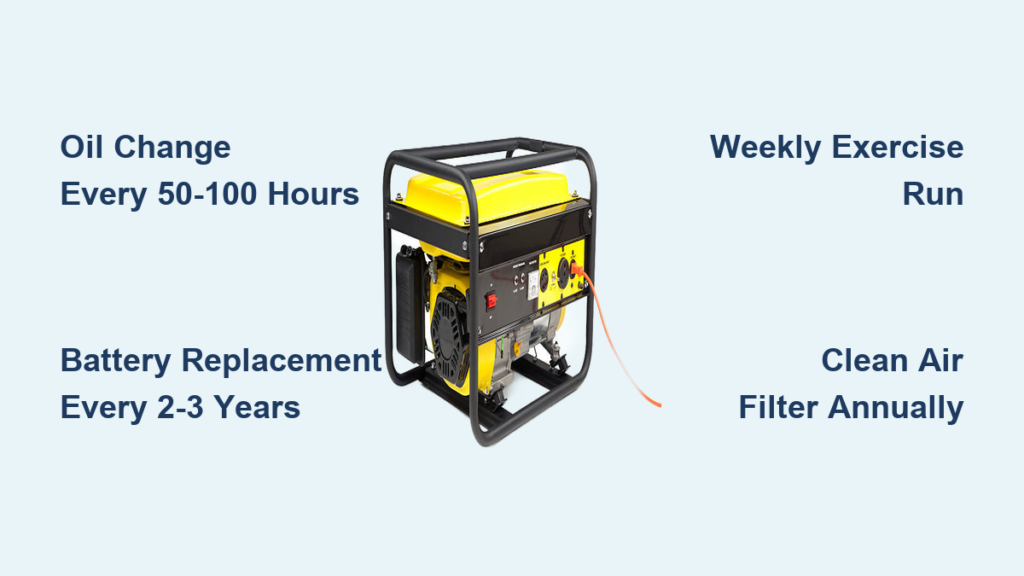
Monthly Exercise Protocol
- Run generator 30 minutes with 50% load monthly
- Test transfer switches during exercise
- Record all parameters for trending
- This maintains residual magnetism and prevents fuel system issues
Proper Storage Protocol
- Disconnect all loads before storage
- Run 10 minutes before shutdown to stabilize windings
- Apply dielectric grease to electrical connections
- Store in dry, temperature-controlled environment
- Use fuel stabilizer for gasoline units
When to Call a Professional Instead
Red Flags Requiring Expert Service
- Multiple flashing attempts fail despite proper technique
- Smoke or burning smells during flashing attempts
- Field resistance readings outside 5-50 ohm range
- Physical damage to windings or connections
- Generator produces voltage but at wrong frequency
Final Note: Flashing your generator successfully restores power production in 90% of no-output cases. Keep records of your procedure—date, method used, and results—for future troubleshooting. By following a simple monthly exercise routine and proper storage protocols, you can prevent demagnetization and avoid needing to flash your generator again. With the right approach, what seems like a major electrical failure becomes a quick 5-minute fix you can handle yourself.