Power outages leave many homeowners facing the immediate problem of cold showers. While connecting your water heater to a generator seems like a logical solution, this process requires careful planning and strict adherence to safety protocols. Most electric water heaters demand 3,000-5,500 watts—significantly more power than many portable generators can safely provide. This guide explains the critical considerations for safely connecting your water heater to generator power while avoiding dangerous mistakes that could cause electrical fires or carbon monoxide exposure.
Without proper preparation, generator connections can create serious hazards. Direct wiring without professional equipment risks backfeeding electricity into utility lines, endangering line workers and neighbors. Incorrect generator sizing can lead to equipment damage or fire. And improper generator placement risks deadly carbon monoxide poisoning. Understanding these risks is essential before attempting any connection.
Generator Sizing Essentials
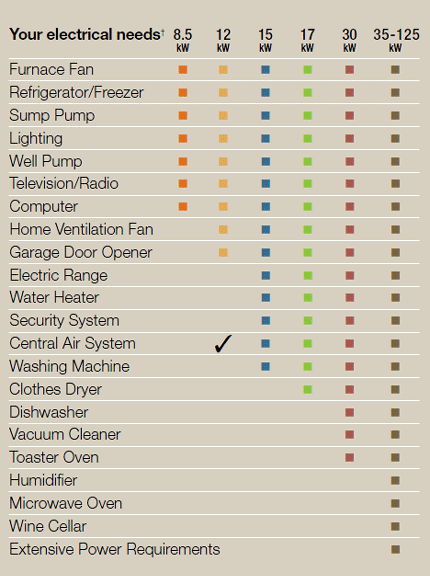
Calculate Your Water Heater’s True Power Needs
Your water heater’s nameplate shows its rated wattage, but startup demands exceed this number significantly. Electric heating elements draw 125-150% more power during initial startup than during normal operation—a critical detail many homeowners overlook.
Use this formula to determine minimum generator size: Water heater wattage × 1.5 = required generator capacity
For example, a standard 4,500-watt water heater needs at least a 6,750-watt generator to handle startup surges. Crucially, you should only size for the largest heating element in dual-element units, not the combined total. Attempting to power a water heater with an undersized generator risks repeated tripping, equipment damage, and potentially dangerous electrical faults.
Gas vs Electric Water Heater Considerations
Gas water heaters present a more practical option for generator backup. While they still require electricity for ignition systems and controls, their power needs are dramatically lower—typically just 300-600 watts. This means a standard 3,000-5,000 watt generator can power a gas water heater alongside other essential appliances.
Electric water heaters create significant challenges for generator backup. Their high power demands severely limit what else you can run simultaneously. Even with a properly sized generator, electric water heaters require dedicated circuits and specialized equipment. Many homeowners discover too late that their “8,000-watt” generator can’t actually handle the startup surge of their electric water heater.
Critical Safety Equipment Requirements
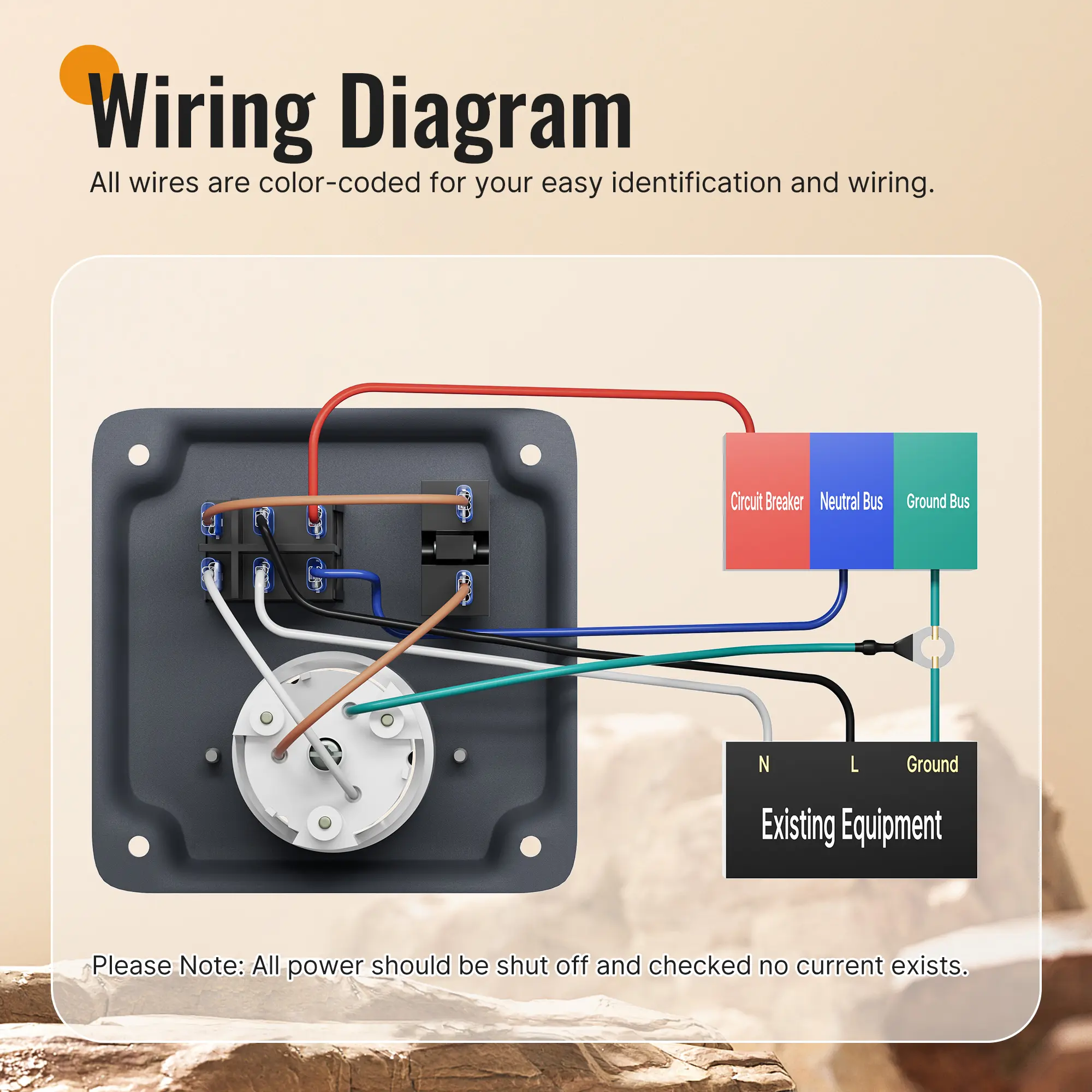
Transfer Switch Necessity
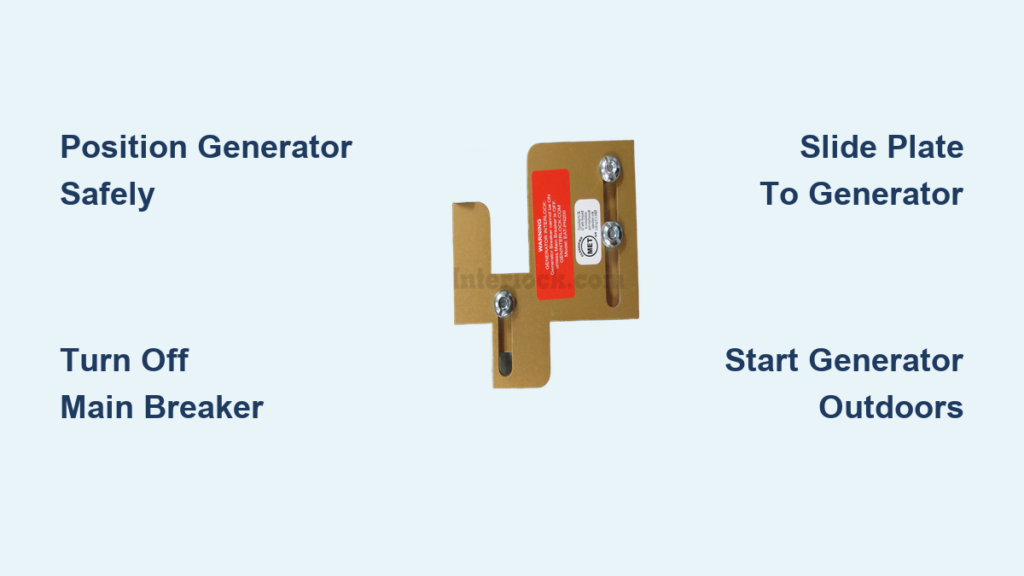
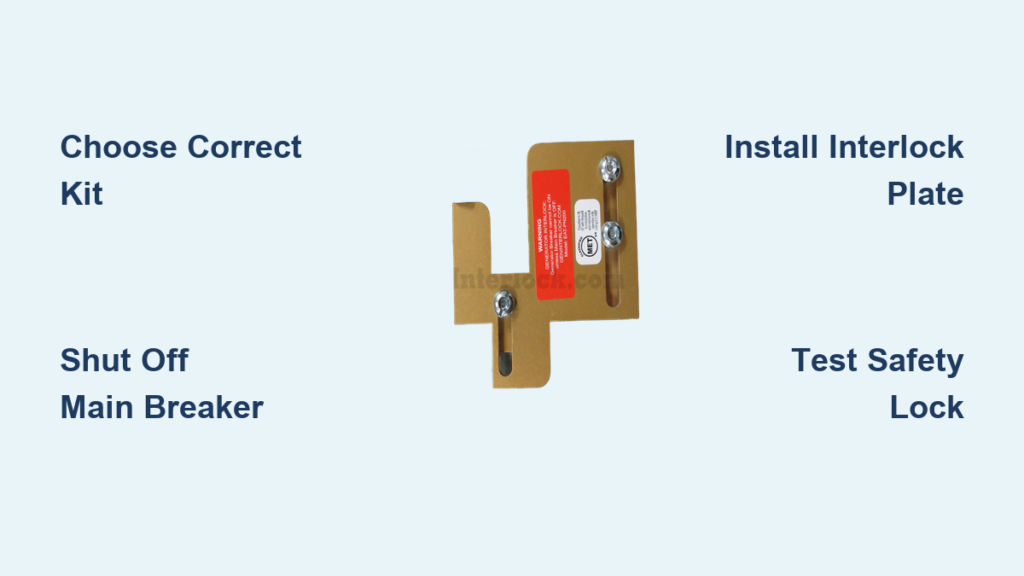
Connecting a generator directly to your home’s wiring without a transfer switch creates an extremely dangerous condition called “backfeed.” This sends electricity back through utility lines, potentially electrocuting utility workers repairing the grid. The National Electrical Code requires UL-listed transfer switches for any permanent generator connection.
For water heater applications, you’ll need a transfer switch rated for your water heater’s amperage. Most residential units require a 30-amp double-pole switch for larger heaters (4,500W+), while smaller or more efficient models might use a 20-amp switch. Manual transfer switches require you to physically switch circuits, while automatic versions transition seamlessly during outages—but both must be professionally installed to ensure safety.
Grounding and Protection Systems
Portable generators powering fixed appliances like water heaters require proper grounding to prevent electrical shock. This typically involves driving an 8-foot copper grounding rod below the frost line and connecting it to the generator with #6 AWG copper wire. The connection must test below 25 ohms of resistance to be effective.
GFCI (Ground Fault Circuit Interrupter) protection is equally critical for water heater circuits. These devices cut power within milliseconds if they detect current leakage, preventing potentially fatal electrocution in wet environments. Your generator connection must include GFCI protection either through the generator itself or via a GFCI breaker installed in your electrical panel.
Step-by-Step Connection Process
Pre-Installation Verification
Before purchasing equipment, verify your water heater’s exact specifications from the nameplate. Note the voltage (typically 240V for electric units), amperage, and wattage requirements. Test your generator’s capacity by running it under 75% load for 30 minutes to ensure stable operation before connecting critical appliances.
Measure the distance between your generator location and water heater to determine proper wire sizing. Longer runs require thicker gauge wire to prevent voltage drop. Crucially, contact your local building department to determine permit requirements—most jurisdictions require permits and inspections for permanent generator connections.
Professional Transfer Switch Installation
Water heaters typically require 240V connections through double-pole breakers. Installing a transfer switch involves shutting off your main electrical panel, adding an appropriately sized breaker to the transfer switch, and running properly gauged cable (usually 10-3 AWG for 30-amp circuits) between the switch and water heater.
The neutral and ground bonding must follow your generator manufacturer’s specific instructions, as improper bonding creates serious electrical hazards. This work should be performed by a licensed electrician familiar with both generator connections and water heater electrical requirements. Attempting this yourself without proper training risks fire, electrocution, or voiding your home insurance.
Operational Safety Practices
Safe Startup Sequence
When powering your water heater with a generator, follow this critical sequence: Start the generator and let it stabilize for 2-3 minutes, flip the transfer switch to generator position, then turn on the water heater breaker. Monitor the generator’s load meter to ensure it stays below 80% capacity—most units can safely handle only 80% of their rated output for extended periods.
To prevent generator overload, heat water first for 30-45 minutes, then add refrigeration loads, and finally connect lighting and outlets. Electric heating elements draw maximum current for the first 5-10 minutes of operation, so staggering appliance startup prevents dangerous surges.
Carbon Monoxide Prevention
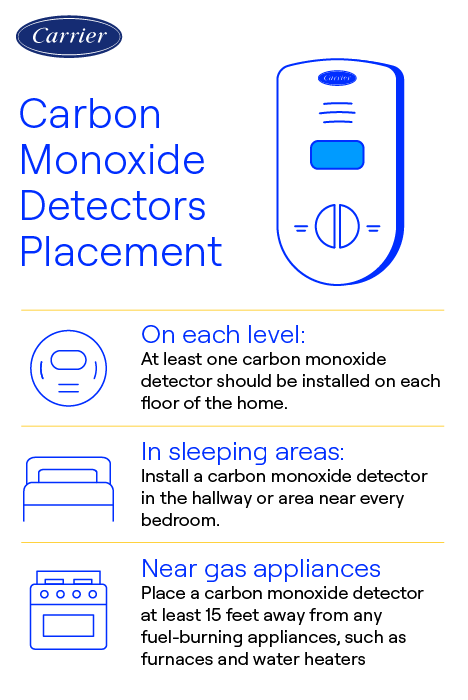
Never operate gasoline or diesel generators indoors, in garages (even with doors open), or near windows and vents. Carbon monoxide is odorless and colorless—install battery-powered CO detectors near sleeping areas and water heater locations. If you experience headache, dizziness, or nausea while using a generator, shut it off immediately and move to fresh air.
Alternative Solutions for Limited Power
When generator capacity won’t support full water heating, consider these safer alternatives:
- Prioritize top element heating: Heat only the upper tank section for quicker hot water access
- Reduce temperature settings: Lower thermostat to 110°F to decrease power demands
- Implement timed operation: Run heater 15 minutes every 2 hours to maintain minimal temperature
For extended outages, battery backup systems with large inverters (10kWh+) can provide limited water heating without generator noise or fuel requirements, though the upfront cost is significantly higher.
Professional Verification Before Use
Before relying on your generator connection during an outage, schedule a professional inspection. Electricians should verify transfer switch operation under load, wire insulation integrity, and grounding system resistance. Most jurisdictions require this inspection for code compliance and insurance coverage.
Monthly testing is equally important—run your generator under water heater load for 30 minutes to ensure reliability. Check for stale fuel, propane leaks, and connection corrosion during these tests. A system that works perfectly during installation might fail when you need it most if not properly maintained.
Critical safety reminder: Connecting a water heater to generator power involves serious electrical hazards that require professional expertise. Never attempt direct connections without a UL-listed transfer switch, and never operate generators indoors. For most homeowners, gas water heaters present a more practical backup solution due to their lower power requirements. When in doubt, consult a licensed electrician before attempting any generator connections—your safety is worth far more than the cost of professional installation.