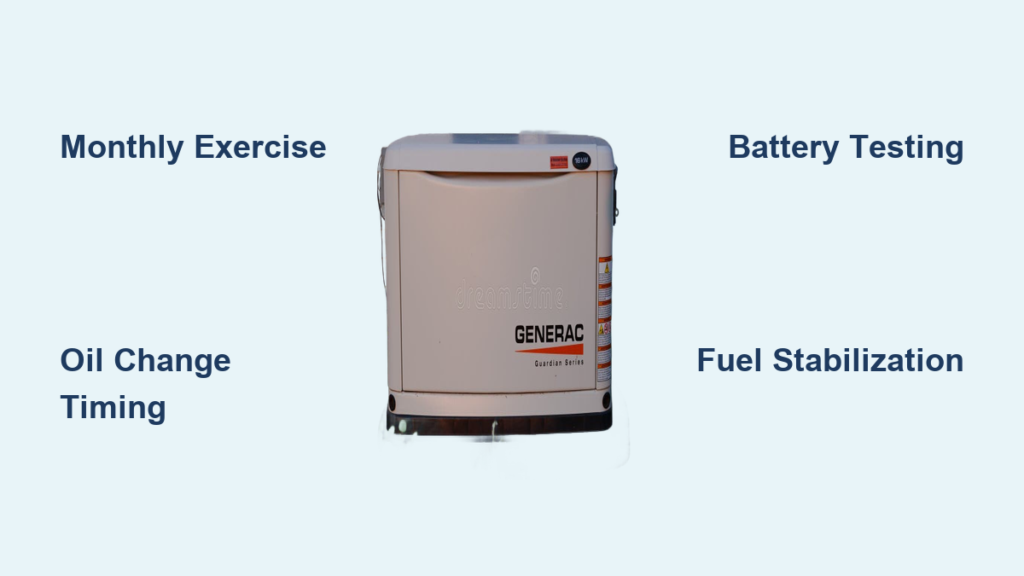
When the power goes out during a summer storm or winter blizzard, your Generac generator becomes your lifeline—keeping lights on, refrigerators running, and medical equipment powered. But this critical machine won’t work when you need it most if you neglect proper maintenance. Generac generators require systematic care just like any combustion engine, with specific protocols that ensure decades of reliable service. This guide reveals exactly how to maintain a Generac generator through actionable steps you can implement immediately, preventing the most common failure points that leave 60% of generator owners stranded during emergencies.
Most homeowners don’t realize their generator accumulates operational hours even during routine monthly exercises. Without following the correct maintenance schedule based on both calendar time and usage hours, you risk costly repairs or complete system failure when power outages strike. You’ll discover precisely when to change oil, inspect filters, and test batteries—plus warning signs that indicate problems before they leave you in the dark.
Monthly Exercise Protocol That Prevents Startup Failures
30-Minute Run Schedule for Reliable Operation
Fire up your Generac generator for a full 30 minutes every month without exception—this simple ritual prevents 80% of common startup failures during emergencies. Monthly exercise keeps engine oil circulating through critical components, maintains battery charge, and prevents fuel system gumming that occurs during extended idle periods. Set a recurring calendar reminder on your phone for the same day each month; generators that sit unused develop seized components and degraded electrical connections within just 90 days.
What to Check During Your Monthly Exercise:
– Listen for unusual knocking, grinding, or squealing sounds indicating mechanical issues
– Watch for steady voltage output on your control panel (fluctuations signal problems)
– Verify automatic shutdown occurs when the timer expires
– Note any error codes or warning lights that illuminate
– Check exhaust for proper operation (excessive smoke indicates fuel or oil issues)
Oil Change Schedule That Extends Engine Life
Break-In Oil Service for New Generators
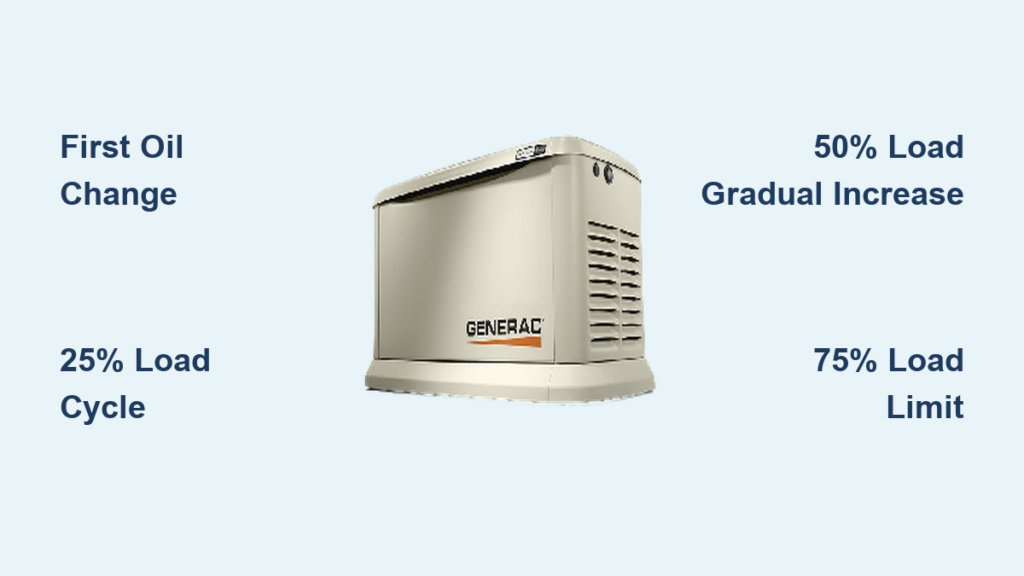
Complete your first oil change after just 20-30 hours of operation on a brand-new Generac generator—this critical step removes metal filings and manufacturing debris that accumulate during the engine’s break-in period. Skipping this initial change risks permanent engine damage as microscopic metal particles circulate through the lubrication system, accelerating wear on pistons, bearings, and cylinder walls. Always use the oil type specified in your model’s manual, as incorrect viscosity causes poor lubrication during temperature extremes.
Standard Oil Change Timeline:
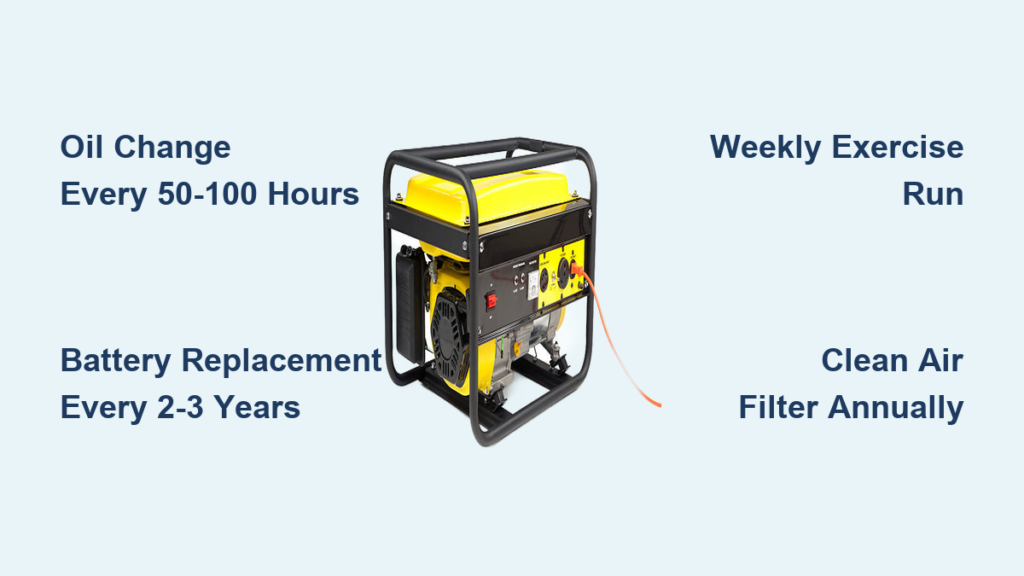
– Every 100 hours of operation—include monthly exercise hours in your count
– Annually—whichever comes first, even if you rarely use your generator
– Bi-annually if your generator exceeds 150 hours in a single year
– Track hours religiously using your control panel’s hour meter
Oil Change Process for Maximum Protection

Never skip the oil filter replacement during changes—reusing filters circulates harmful contaminants that dramatically reduce engine lifespan. Always warm the oil by running the engine for 5 minutes before draining, as warm oil flows more freely and carries more contaminants out with it. Position your drain pan carefully under the oil drain plug, then remove the plug completely to ensure full drainage. Replace the drain plug washer with each change to prevent leaks, and never overfill—check the dipstick with the generator on level ground for accurate measurement.
Air Filter Maintenance That Prevents Power Loss
Inspection Schedule for Optimal Performance
Check your air filter every six months minimum or after every 100 operating hours—whichever comes first—with more frequent inspections required if you live in dusty environments. A clogged air filter starves your engine of oxygen, causing rough operation, reduced power output, and increased fuel consumption. This seemingly minor component directly impacts your generator’s ability to deliver full power during extended outages when every watt counts for keeping essential appliances running.
When to Replace Immediately:
– Filter appears dark gray or black when held to light
– Visible tears, holes, or damage to the filter media
– Engine struggles to maintain rated power output
– Noticeable increase in fuel consumption during operation
Battery Care System That Ensures Instant Startup
Testing and Replacement Protocol
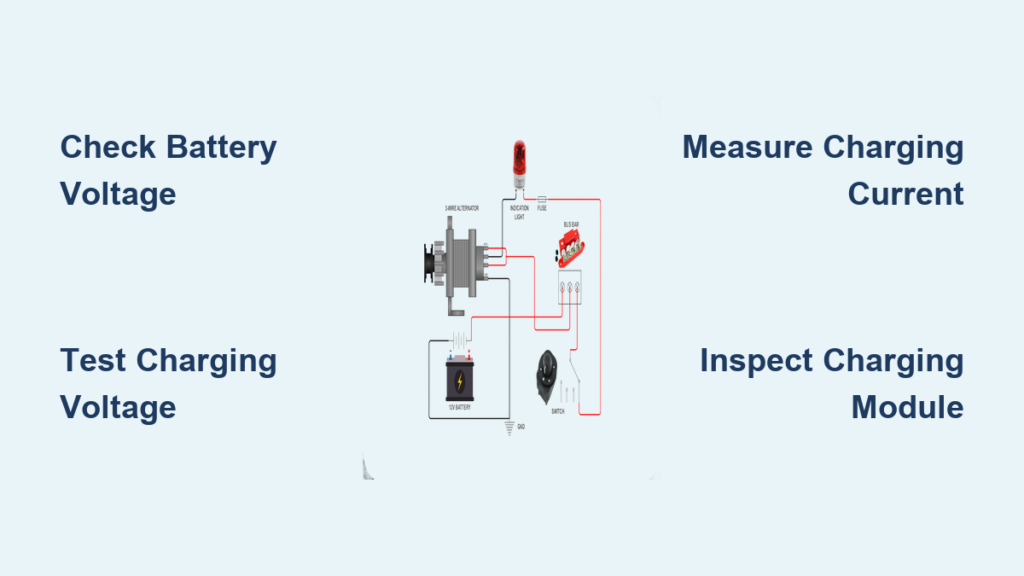
Test your generator battery voltage monthly with a multimeter—replace it when readings fall below 12.4 volts even if it still starts the engine. Weak batteries cause 80% of generator startup failures during actual power outages, leaving homeowners stranded when they need backup power most. Always replace your battery every 2-3 years regardless of apparent condition, as internal degradation continues even when surface charge appears adequate. Before winter season, ensure your battery charger provides proper amperage to maintain charge during cold temperatures when battery performance naturally declines.
Terminal Cleaning Process:
1. Disconnect negative terminal first to prevent short circuits
2. Mix one tablespoon baking soda with one cup water to neutralize acid
3. Scrub terminals with wire brush until bright metal appears
4. Rinse thoroughly with clean water and dry completely
5. Apply dielectric grease before reconnecting terminals
Fuel System Care That Prevents No-Start Emergencies
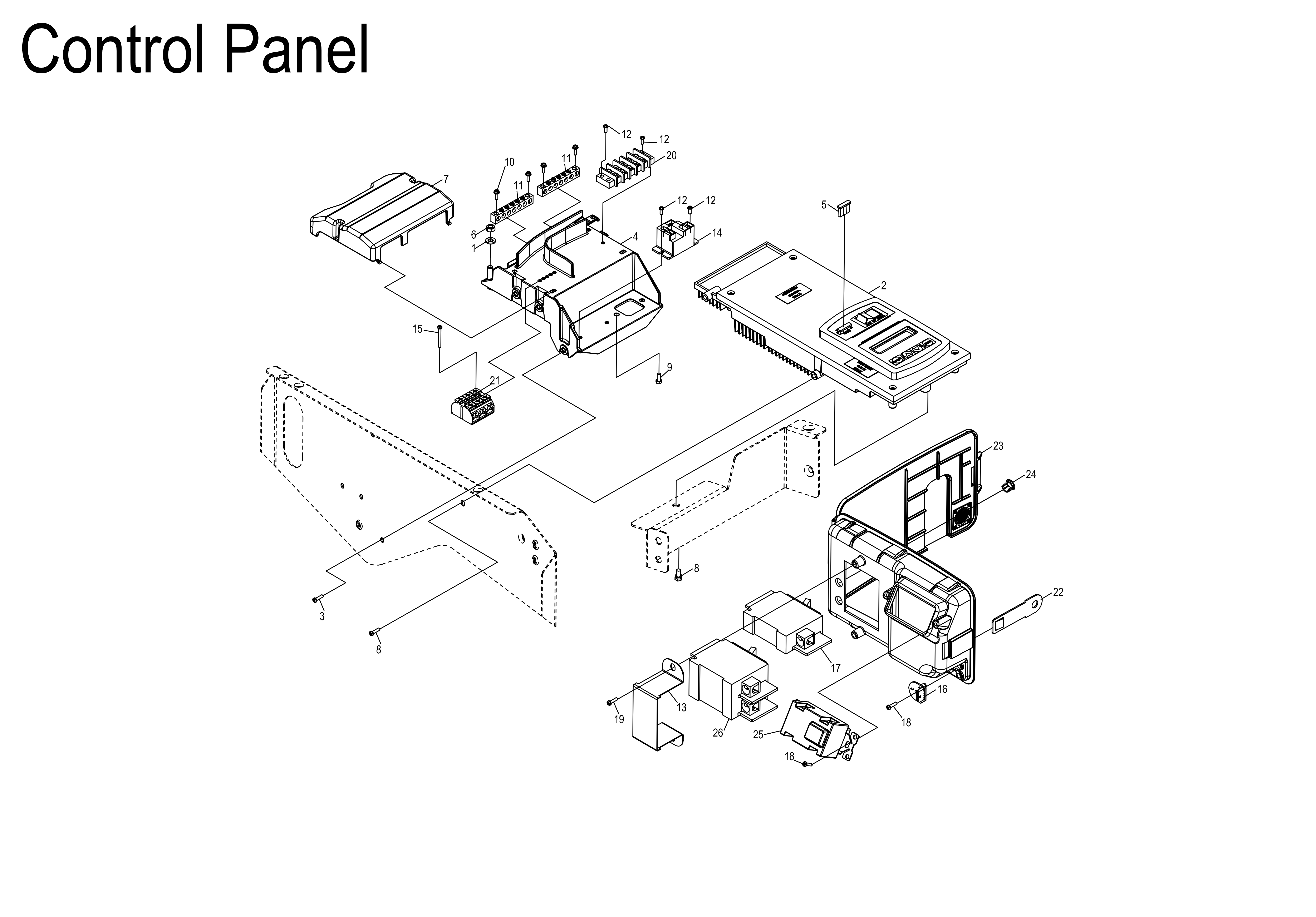
Fresh Fuel Management for Reliable Ignition
Use fuel stabilizer for any gasoline stored beyond 30 days—stale fuel forms varnish that clogs carburetors and fuel injectors, causing no-start conditions when you need power most. Never let fuel sit unused for extended periods; complete your last monthly exercise with fresh stabilized fuel, then run the generator for 10 minutes to circulate treated fuel through the entire system. Inspect fuel lines quarterly for cracks, brittleness, or leaks that could cause dangerous fuel spills or fire hazards.
Critical Fuel System Inspection Points:
– Check all fuel line connections for tightness
– Inspect filter housing for dirt accumulation
– Verify regulator connections remain secure
– Smell for fuel odors indicating leaks
– Replace damaged components immediately
Cooling System Checks That Prevent Catastrophic Failure
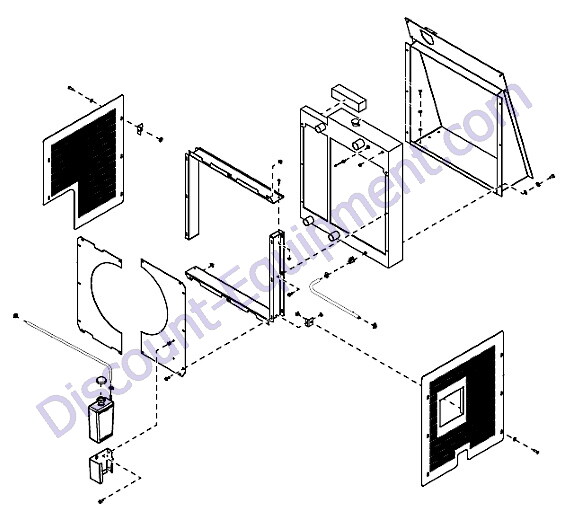
Coolant Maintenance for Temperature Control
Check coolant levels monthly when the engine is cold, topping off as needed with the manufacturer-specified coolant mixture. Inspect radiator fins for debris blockage that restricts airflow—especially critical during summer months when ambient temperatures increase cooling demands. In cold climates, test antifreeze protection annually to ensure proper freeze protection down to -35°F, preventing coolant from freezing and cracking engine blocks during winter outages.
Coolant Inspection Steps:
– Verify reservoir level against minimum/maximum marks
– Look for leaks around hose connections and water pump
– Confirm proper coolant type for your climate zone
– Check radiator for insect nests or debris blockage
– Inspect drive belt for cracks and proper tension
Professional Service Requirements That Protect Your Investment
Annual Technician Visit for Comprehensive Protection
Schedule certified Generac technician service annually regardless of usage hours—professional maintenance catches developing issues before they become catastrophic failures during power emergencies. Certified technicians perform load bank testing under real electrical demands, verifying your generator delivers full rated power when needed. They inspect electrical connections that homeowners often miss, check exhaust system integrity, and verify control panel functionality through comprehensive diagnostics impossible to replicate with DIY approaches.
Service Cost Range: Expect $100-$500 depending on your generator’s size and complexity. This investment prevents $2,000+ emergency repairs or complete replacement costs when neglected generators fail during critical outages. Most professional service plans include priority emergency response if problems develop between scheduled visits.
Warning Signs to Watch That Prevent Emergency Failures
Performance Monitoring for Early Problem Detection
Listen for unusual knocking sounds during operation—this often indicates failing bearings or piston issues requiring immediate attention. Notice if your generator takes multiple attempts to start, as this typically signals battery or fuel system problems developing before complete failure. Monitor power output fluctuations that could indicate voltage regulator issues, and never ignore excessive exhaust smoke which signals serious combustion problems.
Critical Warning Indicators:
– Hard starting requiring multiple attempts
– Unusual metallic or grinding noises
– Power output fluctuations affecting appliances
– Blue or black exhaust smoke during operation
– Fuel odors during normal operation
– Control panel error codes that persist
Safety Protocols That Prevent Life-Threatening Hazards
Non-Negotiable Safety Rules for Every Operation
Never operate your Generac generator indoors, in garages, or near open windows—carbon monoxide poisoning kills silently within minutes. Install battery-operated carbon monoxide detectors near sleeping areas and test them monthly. Always allow a 15-minute cool-down period before performing any maintenance to prevent burns from hot components. Never refuel a running or hot generator; wait at least two hours after shutdown before adding fuel to prevent fire hazards.
Essential Safety Requirements:
– Position generator at least 20 feet from doors and windows
– Keep generator dry with proper canopy coverage
– Use only heavy-duty outdoor-rated extension cords
– Elevate generator on stable surface above potential flood levels
– Disconnect from utility power before any maintenance
– Keep children and pets away during operation
Following this systematic maintenance approach transforms your Generac generator from a potential liability into a reliable power source that delivers decades of service. Start with monthly exercise sessions and battery checks today—your future self will thank you when the next storm knocks out your electricity. Remember that consistent, proactive care prevents 90% of emergency failures, while neglect guarantees expensive breakdowns when you need power most. For model-specific guidance, contact Generac support at 1-800-800-2278 or visit their website for downloadable maintenance checklists tailored to your exact generator model.