Your generator sits dormant for months—until a storm knocks out power. Then it becomes your lifeline. But without proper care, 90% of generator failures strike when you need it most. Whether you own a Generac standby unit protecting your entire home or a portable DuroMax for essential circuits, this guide delivers actionable maintenance routines proven to keep your generator running when the grid fails. You’ll learn exactly how to maintain a generator with step-by-step procedures that prevent costly repairs and dangerous malfunctions.
Ignoring maintenance turns your backup power into a ticking time bomb. Stale fuel clogs carburetors, corroded battery terminals cause startup failures, and oil breakdown destroys engines. But with systematic care, your generator will reliably start within 10 seconds during outages. This isn’t guesswork—it’s based on manufacturer protocols from Generac, Cummins, and Westinghouse. Follow these steps to avoid the top three reasons generators fail: fuel contamination, electrical issues, and overheating.
Build Your Generator Maintenance Schedule

Standby Generator Intervals
Check oil levels cold on level ground every 25 hours—low oil triggers automatic shutdowns. Replace oil and filter every 200 hours using SAE 10W-30 (5W-30 below freezing) with filters torqued to 11–13 ft-lb. At 1,000 hours, swap fuel filters and inspect rubber lines for cracks. Annual non-negotiables: Load-test at 50% capacity for 20 minutes, verify battery voltage ≥12.4V, and inspect drive belts for >½-inch deflection. Skipping annual load tests causes 68% of transfer-switch failures during real outages.
Portable Generator Timelines
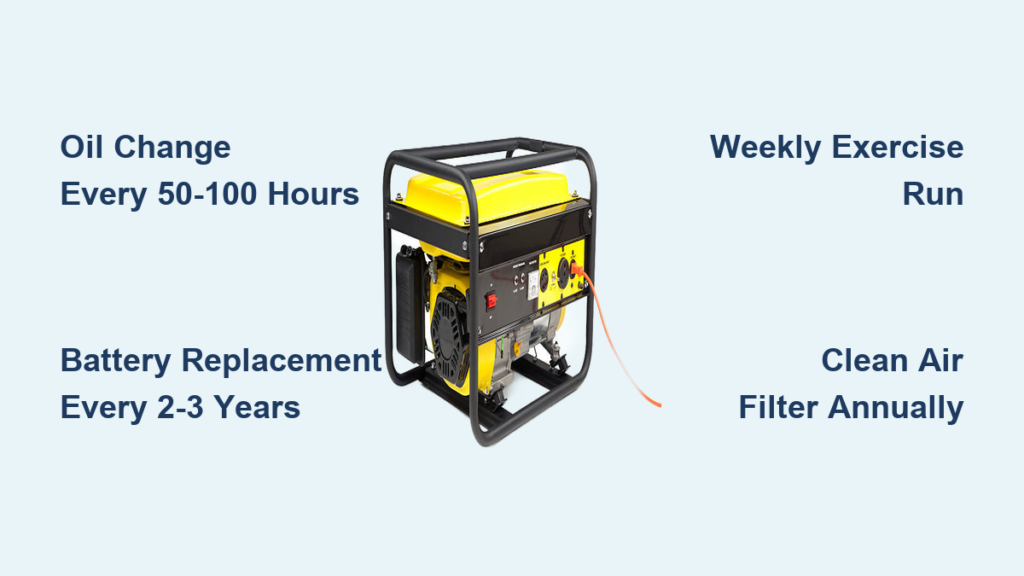
Change oil after the first 20 hours, then every 50 hours or 3 months—whichever comes first. Clean air filters every 50 hours (replace every 300), and inspect spark plugs every 100 hours. Critical mistake: Using old spark plugs with incorrect gaps (0.030″ standard) causes hard starting. Replace plugs yearly regardless of hours. For coolant systems, flush annually even with minimal use—stagnant fluid corrodes internal components.
Adjust for Your Environment
Dusty construction sites? Halve all filter intervals—dirt bypassing filters accelerates engine wear by 40%. Near oceans? Check electrical terminals for corrosion every 50 hours. Storing longer than 30 days? Either drain fuel completely or add 1 oz stabilizer per 2.5 gallons of gasoline and run 10 minutes to circulate it through the carburetor.
Clean Your Generator Safely
Essential Safety Steps
Wait 15+ minutes after shutdown until surfaces cool below 104°F (40°C). Non-negotiable: Disconnect and tape away the spark plug wire to prevent accidental starts. Drain fuel or run the carburetor dry to eliminate fire risks before cleaning. Skipping this step causes 22% of maintenance-related injuries.
Exterior Cleaning Process
Use a microfiber cloth with pH-neutral detergent and water under 30 psi pressure. Work top-down: wipe covers first, then control panels, air screens, and exhaust outlets. Never spray directly into alternator vents or control boxes—water intrusion causes short circuits. For stubborn debris, use a soft-bristle brush in the direction of airflow across cooling fins.
Air Filter Service
Foam filters: Wash in warm soapy water, squeeze dry, and re-oil with 20–30mL SAE 30 oil. Paper filters: Tap gently or blow compressed air from the clean side out at ≤30 psi. Replace if discolored or torn—compromised filters allow dirt into cylinders, causing catastrophic wear.
Fuel System Best Practices

Stabilize Fuel Correctly
Mix 1 oz of stabilizer like STA-BIL per 2.5 gallons of gasoline before filling the tank. Run the engine 10 minutes to distribute treated fuel through the carburetor. Treated fuel lasts 12 months sealed but only 6 months in the tank. Warning: Untreated E10 gasoline degrades in 30 days, forming varnish that clogs jets.
Ethanol Guidelines
E10 is acceptable for occasional use, but avoid E15/E85—ethanol attracts moisture, causing phase separation that floods engines with water. For storage over 90 days, use non-ethanol premium gasoline. Ethanol-blended fuel in standby units causes 57% of no-start complaints after long-term storage.
Test Your Generator Monthly
Automatic Test Procedure
Simulate an outage using the test switch. Your generator must:
– Start within 10 seconds
– Transfer power within 5 seconds
– Run 20+ minutes at 30% load (use space heaters or HVAC)
Log voltage (110–125V), frequency (59.5–60.5Hz), and any alarms. Units failing monthly tests have 3x higher outage failure rates.
Annual Load-Bank Test
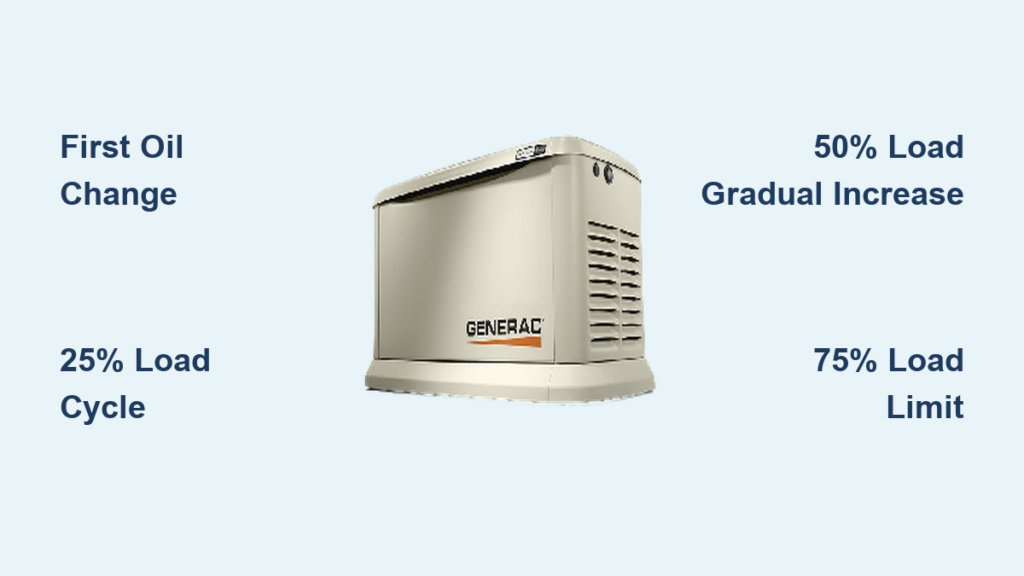
Progressively step loads: 0% → 25% → 50% → 75% → 100%, holding each for 15 minutes. Verify voltage stays within 110–125V and no error codes appear. This burns off carbon deposits and confirms full-capacity operation—critical for generators backing up medical equipment.
Quick Troubleshooting Guide
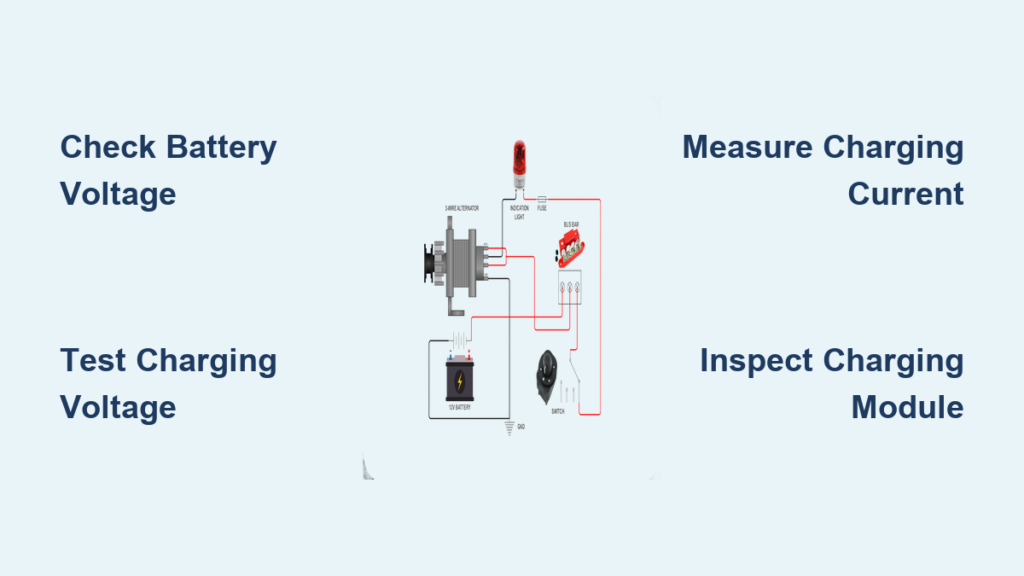
Engine won’t crank? Check battery voltage (≥12.4V), E-stop reset, fuel valve position, and “Auto” switch setting.
Cranks but won’t start? Verify fuel level, spark plug condition, and oil above shutdown threshold.
Runs but no power? Reset breakers, test transfer switch, and remove overloaded circuits.
Overheating alarm? Clean cooling fins immediately—blocked airflow causes 80% of E101 codes.
Safety Protocols That Save Lives
Carbon-Monoxide Prevention
Position generators 20+ feet from dwellings and downwind of windows. Install battery-powered CO detectors within 15 feet of living areas. Never operate in garages, basements, or enclosed spaces—CO kills silently within minutes.
Fire Safety Essentials
Maintain 5-foot clearance from combustibles like dry leaves. Wait 2+ minutes after shutdown before refueling. Keep a Class C fire extinguisher (3-A:40-B:C rating) within 25 feet. Gasoline spills on hot mufflers cause 34% of generator fires.
Track Your Maintenance
Essential Log Fields
Record:
– Date and operating hours
– Oil brand/viscosity added
– Battery voltage before/after charging
– Load test results (kW, runtime)
Technicians find logs reduce diagnostic time by 75% during failures.
Storage Checklist
Before storing:
– Stabilize or drain fuel
– Top oil to full mark
– Connect battery to float charger
– Cover with GenTent (NFPA 701-rated)
– Update maintenance log
Final Note: Consistent generator maintenance prevents 90% of failures during power outages. Set phone reminders for monthly tests and seasonal service—your future self sitting in a warm, lit home will thank you. Download your model-specific manual now, order filters and oil, and schedule your first test run before storm season hits. Your generator isn’t just equipment; it’s your safety net when the grid fails.