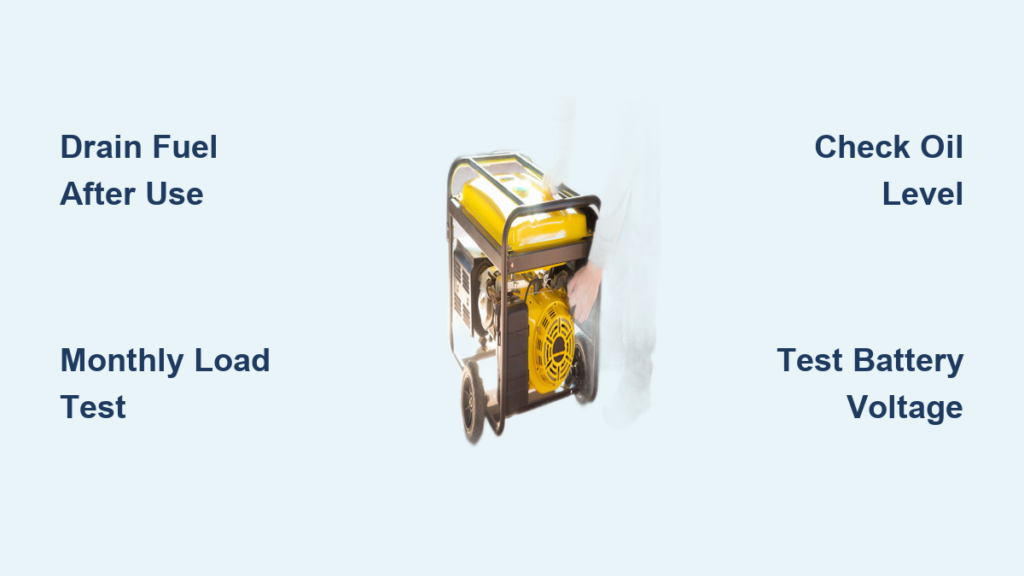
Your portable generator sits silently in the garage until the power fails—then it becomes your lifeline. But here’s the brutal truth: 80% of generator failures during emergencies stem from preventable maintenance neglect, not the outage itself. That machine you’re counting on can seize up, refuse to start, or worse, become a carbon monoxide hazard when you need it most. The solution isn’t complicated. With precise fuel management, disciplined exercise routines, and strategic component care, you’ll keep your generator ready for decades. This guide delivers battle-tested protocols from Consumer Reports engineers and field technicians—no fluff, just actionable steps that prevent 90% of real-world failures.
Fuel Management That Prevents Carburetor Clogs
Empty Tank Protocol for Gasoline Generators
Never store gasoline generators with fuel inside—this single action prevents varnish buildup that clogs carburetors. After each use, close the fuel valve and run the generator until it stalls. This burns residual gasoline from the carburetor and fuel lines, eliminating the #1 cause of startup failure. When immediate draining isn’t possible, implement the fresh-fuel protocol:
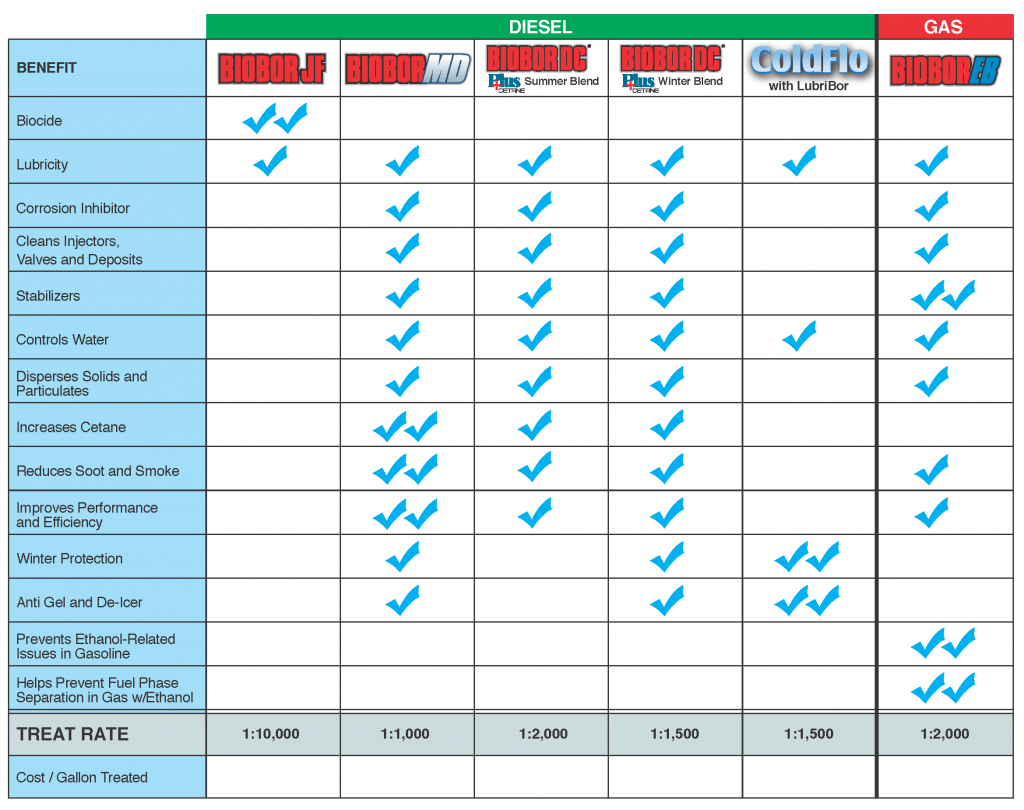
– Keep 1–2 ASTM-approved 5-gallon cans of fresh gasoline treated with stabilizer in the canister (never add stabilizer directly to the generator tank)
– After exercising your unit, pour leftover stabilized gas into your car’s tank
– Refill the canister with fresh, stabilized gasoline
Critical reminder: Ethanol-free gasoline lasts longer but still requires stabilizer for storage beyond 30 days. If stabilized fuel sits in the generator for 6–12 months, run it dry and restart with fresh fuel—transferring gas from a can to your car beats draining a clogged generator tank.
Propane Generator Maintenance: Set-and-Forget Fuel System
Propane generators eliminate 95% of fuel-related failures since propane doesn’t degrade, gum carburetors, or absorb water. For true storm readiness:
– Keep 20- to 40-pound propane tanks full during wildfire or hurricane seasons
– Store tanks upright outdoors away from direct sunlight
– Expect 5–10% lower wattage output than gasoline models (normal operation)
Pro tip: Propane’s stability makes it ideal for infrequently used backup generators—no stabilizers or seasonal draining required.
Exercise Schedule That Guarantees Startup Success
Monthly Load-Bearing Test Runs
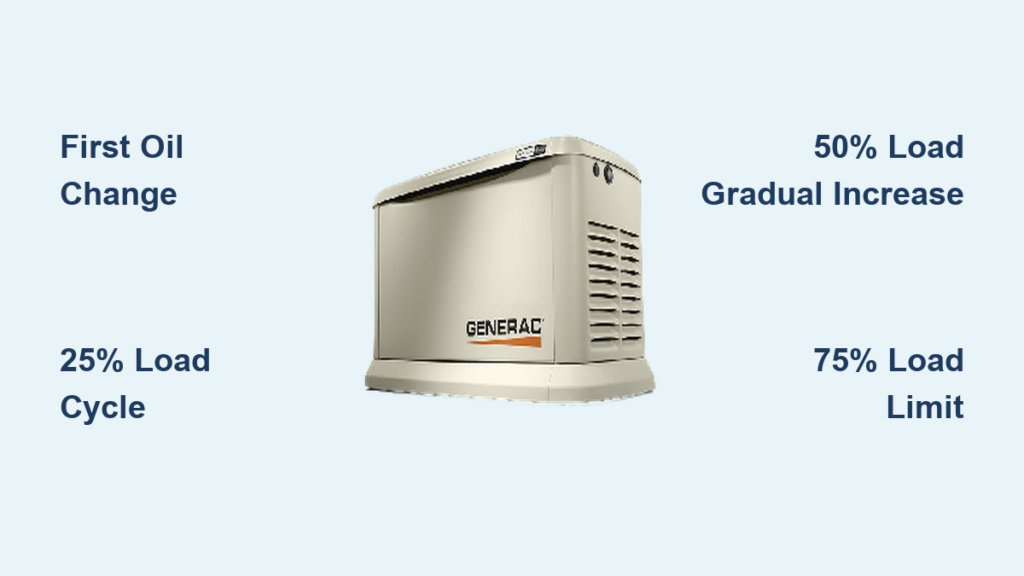
Generators fail when idle. Your engine needs 15–20 minutes under 50–75% load every 1–3 months to:
– Lubricate cylinder walls
– Prevent carbon buildup
– Verify electrical output stability
Use household loads: A hair dryer (1,500W) or space heater (1,200W) provides perfect testing loads for most 3,000W units. Never skip this step—765 people died from generator CO poisoning between 2009–2019 (CPSC data) because units were tested improperly.
Life-Saving Exercise Safety Rules
- Position generator ≥20 feet from all structures with exhaust pointed away from buildings
- Absolutely never operate in garages, basements, sheds, or open porches
- Test CO sensors monthly by pressing the test button (if equipped)
Critical mistake: Running generators in “semi-protected” areas like open garages still allows deadly CO buildup—always use outdoor locations with cross-ventilation.
Oil and Filter Care That Protects Engine Life

Oil Change Schedule for Maximum Longevity
Your generator’s oil is its lifeblood. Follow this non-negotiable timeline:
– First change: After 5–10 break-in hours
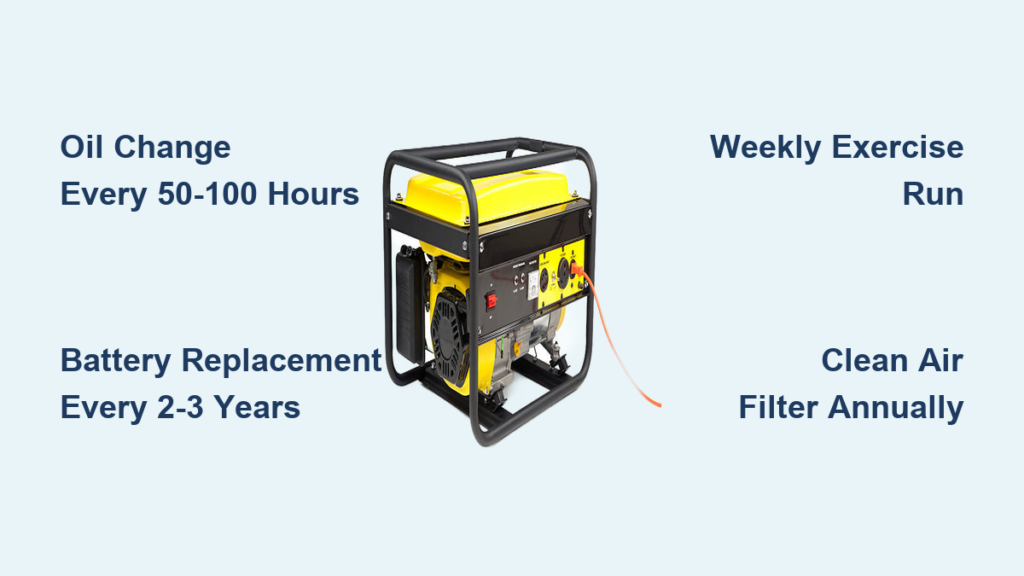
– Routine changes: Every 100–200 hours or annually (whichever comes first)
– Pre-use check: Verify oil level reaches “full” mark on dipstick
Red flag: Replace oil immediately if it appears black or gritty—sludge causes catastrophic engine wear within hours.
Air Filter and Spark Plug Service That Prevents Hard Starts
- Air filter: Inspect every 25 hours or 3 months; replace when visibly dirty (don’t wait for performance loss)
- Spark plug: Clean or replace if experiencing hard starting or rough running; always gap per your manual (typically 0.020–0.030 inches)
Pro insight: Dirty air filters cause 40% of “won’t start” emergencies—keep a spare filter in your maintenance kit.
Battery Systems That Start When Power Fails

Electric Start Battery Maintenance Protocol
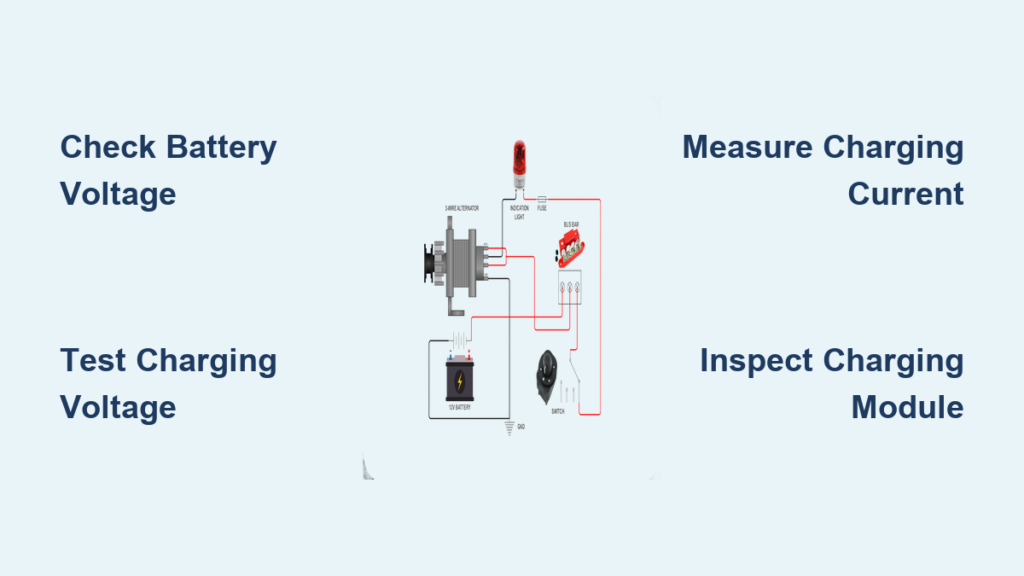
Dead batteries cause 30% of electric-start failures. Prevent this with:
– Recharge every 3 months: Plug into wall charger for 24 hours
– Long storage: Disconnect negative cable if storing >6 months
– Pre-storm check: Test battery voltage 72 hours before forecasted outages
Real-world lesson: During a 40-hour Colorado blizzard, homeowner Andre Kazimierski discovered his electric-start battery was dead—now he tests it before every storm season. Don’t learn this lesson the hard way.
Storage Environment That Prevents Corrosion Damage
Ideal Generator Storage Setup
Store your generator in a clean, dry, detached shed with these non-negotiable conditions:
– Zero pilot lights or furnaces within 20 feet (can trigger false CO shutdowns)
– Away from vehicle exhaust zones (depletes CO sensor batteries)
– Temperature-controlled: Use insulated covers for extreme climates (never plastic tarps—they trap moisture)
Fuel storage rules:
– Gasoline: In ASTM-approved cans, tightly sealed, stored outside living areas
– Propane: Upright outdoors away from heat sources
Quick Diagnostic Guide for Emergency Fixes
| Symptom | Immediate Action |
|---|---|
| Won’t start | Drain old fuel → Clean carburetor bowl → Add fresh gasoline |
| Hard starting | Remove spark plug → Clean electrode → Reset gap |
| Rough running/surging | Replace air filter → Check for fuel line cracks |
| Electric start failure | Test battery voltage → Recharge 24 hours or replace |
| CO alarm shutdown | Move generator 25+ feet from structure → Restart |
When to Call Professionals vs DIY
DIY Maintenance Territory
- Oil changes and filter replacements
- Air filter and spark plug service
- Basic fuel system cleaning (carburetor bowl removal)
Professional Service Required
- Annual valve adjustments
- Carburetor jet cleaning (requires disassembly)
- Transfer switch diagnostics (licensed electrician only)
Warranty alert: If your generator fails during a test run while under warranty, contact the manufacturer before attempting repairs—DIY fixes may void coverage.
Storm Season Readiness Checklist (15 Minutes)
Before hurricane or wildfire season hits, complete this critical verification:
1. Run under load for 20 minutes (use space heater)
2. Check oil level and condition (top off if low)
3. Inspect air filter (replace if discolored)
4. Test electric start battery (recharge if voltage <12.4V)
5. Verify fuel supply: Fresh gasoline in ASTM cans or full propane tanks
6. Confirm CO sensor triggers when test button pressed
7. Check transfer switch operation (if installed)
Final reality check: A well-maintained generator runs reliably for 20+ years. One neglected maintenance step turns your lifeline into a paperweight when the grid fails. Set phone reminders for monthly exercise runs and quarterly battery checks—your future self will thank you when the lights go out and your generator roars to life on command. Remember: Preparedness isn’t about the machine; it’s about keeping your family safe when everything else fails.