Your generator sits idle while shipping quotes pile up and hazmat regulations blur together. One overlooked step—like leaving 30ml of fuel residue—triggers carrier rejection or a $2,000 customs fine. But professional movers ship 10,000+ generators yearly with zero damage. The secret? A rigid 10-step sequence that neutralizes risks before the forklift even arrives. Skip draining fluids? Flatbed drivers walk away on the spot. Forget rotor locking? Your $8,000 unit arrives with a dead stator. Below, we break down the exact protocol used by bonded freight specialists—including the critical step 90% of DIY shippers miss.
Drain All Fuel Residues Before Carrier Pickup
Carriers scan for fuel slosh with ultrasonic detectors. Any liquid movement = automatic rejection. Gas generators over 25kW may require EPA-certified draining logs for international moves.
Execute a Zero-Fuel Drain in 3 Steps
- Run the engine dry until it stalls (for small inverters) or siphon every drop using a manual pump into DOT-approved containers.
- Wipe the filler neck with a lint-free cloth—residual droplets create explosive vapors during air freight.
- Seal all ports with threaded plugs, not tape. Fuel valves must be locked in the “closed” position per IMDG Code 3.3.
Pro Tip: Test for hidden fuel pockets by tilting the generator 15 degrees. If you hear liquid, repeat draining. Even 10ml triggers hazmat fees averaging $450.
Neutralize Oil and Coolant Leaks
- Remove dipsticks and seal crankcase breathers with silicone plugs.
- For water-cooled units, close radiator petcocks and drain overflow tanks.
- Critical Check: Place white paper under the unit for 20 minutes. Any stains mean re-sealing is needed.
Disconnect Power Sources to Prevent Electrical Fires
Batteries left connected cause 22% of generator transport fires (DOT 2023 report). Loose cables saw through insulation during transit, creating short-circuit risks.
Remove the Battery Safely
- Always disconnect NEGATIVE terminal first—sparks near residual fuel vapors ignite fires.
- Store in a plastic bin with terminal covers; lithium batteries ship as Class 9 hazmat.
- Never leave cables dangling—they’ll whip against metal during bumps.
Detach All Accessories
Pull mufflers, external fuel tanks, control panels, and trailer tongues. A single 20-pound muffler swinging during lift-gate delivery can crack the engine block. Secure detached parts in labeled boxes taped to the pallet.
Deep-Clean Surfaces to Stop Corrosion During Transit
Salt air during ocean freight turns surface grime into corrosive paste. Dirt-packed cooling fins cause overheating failures after delivery.
Degrease Like a Pro
- Spray engine block with biodegradable degreaser (not pressure washers—water invades bearings).
- Use stiff brushes on cooling fins; compressed air at 90 PSI blows out debris.
- Dry for 2+ hours—moisture under shrink wrap breeds rust in 72 hours.
Visual Cue: Shine a flashlight across the housing. Shadows in crevices mean hidden dirt remains.
Lock Critical Components Against Transit Shock
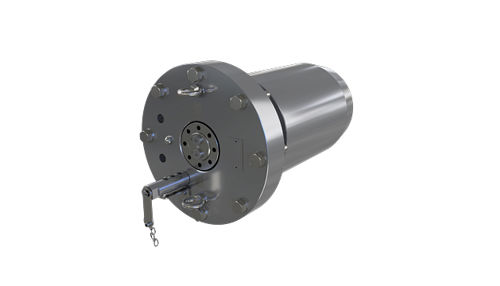
A 4-inch pallet drop creates 10G of force—enough to shatter rotor magnets. Unsecured cables become saw blades.
Immobilize the Rotor
- Insert OEM transport brackets (common on Kohler/Generac industrial units).
- No brackets? Wedge kiln-dried hardwood blocks between stator and rotor. Measure clearance with feeler gauges—blocks must fit snugly without distorting components.
Secure Cables and Hoses
- Zip-tie wiring harnesses to frame anchor points every 6 inches.
- Coil excess hoses into figure-eights and secure with Velcro straps—never twist ties (they cut insulation).
Build a Shock-Resistant Shipping Base
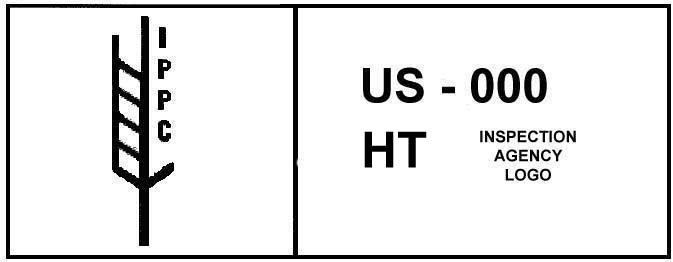
Pallets without ISPM-15 stamps get rejected at overseas ports. Loose straps gouge frames during highway bumps.
Choose Your Foundation
- Domestic: Heat-treated 48″x40″ pallet (max 5,000 lbs capacity).
- International: ISPM-15 stamped pallet + 2″ foam lining inside plywood crate.
Strap Like a Freight Specialist
- Use four 1-inch ratchet straps (two longitudinal, two lateral), rated for 200% of generator weight.
- Critical: Place rubber edge protectors under straps where they contact metal edges.
- Shrink-wrap twice, then cover with waterproof tarp if rain is forecast.
Label for Zero-Delay Handling
- Attach laminated tag with “TOP LOAD ONLY,” origin/destination, and hazmat status.
- Never write “FRAGILE”—carriers prioritize non-fragile freight. Use “ROTATING EQUIPMENT—HANDLE VERTICALLY.”
Select Freight Class and Transit Mode Strategically
Gas generators default to Class 92.5—$186 more per shipment than Class 85 electric units. Air freight costs $7/lb but bans fuel residues over 0ml.
Domestic Shipping Hacks
- Flatbed with lift-gate: $350-$650 for 5-15kW units (book 72 hours ahead for best rates).
- Avoid residential fees: Ship to commercial addresses only—home deliveries add $125.
International Must-Knows
- Ocean containers: 20-foot fits most single-phase units; 40-foot high-cube for 3-phase.
- Customs trap: Declare value matching insurance coverage—undervaluation triggers 30% duty penalties.
- Example: 500kW Cummins to Dubai = $4,800 door-to-port (28 days).
Prepare Documents That Clear Customs Instantly
Missing a Dangerous Goods Declaration delays ocean freight 14+ days. Incorrect freight class = $300 re-billing fees.
Essential Paperwork Checklist
| Document | Critical Detail |
|---|---|
| Bill of Lading | Driver signs ONLY after pre-delivery inspection |
| Commercial Invoice | Must show HS code 8502.11 for generators |
| Packing List | List ALL detached parts (e.g., “1 muffler in Box A”) |
| Dangerous Goods Form | Required if >30ml fuel/oil remains |
Avoid California CARB Nightmares
Gas generators under 25kW need CARB Executive Order numbers for CA delivery. No EO? Ship to Nevada first—re-routing from CA ports costs $1,200.
Book Carriers Using These 3 Negotiation Tactics
Freight brokers hide lift-gate fees until pickup. Drivers charge $75 “redelivery” fees if unprepared.
Get True All-In Quotes
- Ask: “Is residential delivery included?” (92% of quotes exclude this).
- Demand written confirmation of insurance deductibles—standard is $1,000.
- Never accept “dock-to-dock” timelines—insist on “door-to-door” with hours.
Schedule Pickup Like a Pro
- Provide forklift access or pay $75 for lift-gate service.
- Allow 15-minute windows—drivers skip unprepared shippers.
Inspect Before Signing—Or Lose $10,000 Claims

78% of damage claims get denied because recipients sign the BOL without checking (FreightCenter 2024 data).
The 90-Second Inspection Protocol
- Photograph all sides of the trailer before unloading.
- Shake the unit gently—internal movement means broken mounts.
- Check under skids for oil drips or bent frame rails.
If Damage Exists
- Refuse delivery for structural damage (cracked housing, bent shafts).
- Note defects on BOL in the driver’s presence—vague terms like “box dented” get denied.
- Email photos to supplier within 24 hours—late reports void claims.
Future-Proof Your Next Shipment in 5 Minutes
Generators stored long-term seize up from moisture. Reordering straps wastes 3 shipping days.
Post-Delivery Lockdown
- Fog cylinders with storage oil (30ml per cylinder via spark plug holes).
- Inflate tires to MAX PSI on trailer units—flat spots develop in 30 days.
- Keep ISPM-15 pallets and hazmat labels in your garage for next time.
Final Takeaway: Master these 10 actions—drain, disconnect, clean, lock, palletize, document, verify, inspect—and your generator arrives operational whether crossing town or oceans. The $4,500 Cummins powering a Riyadh hospital arrived intact because its shipper skipped no step. Yours will too.