When storm clouds gather and the lights flicker, your portable generator transforms from garage clutter to essential lifeline. Knowing exactly how to use a generator properly means keeping your refrigerator running, medical devices powered, and family safe during extended blackouts. Most homeowners underestimate critical safety steps—like carbon monoxide risks and load management—that turn a simple backup solution into a dangerous hazard. This guide cuts through the confusion with battle-tested procedures for both fuel-powered and solar generators, so you’ll never waste precious outage minutes figuring out basic operation.
Power failures strike without warning, yet 70% of generator-related deaths occur from improper placement and carbon monoxide exposure. Whether you’re facing hurricane season or winter storms, mastering generator operation isn’t optional—it’s survival. You’ll learn to calculate exact power needs, avoid deadly refueling mistakes, and maintain equipment for years of reliable service. Forget vague manuals; this is your step-by-step playbook for keeping lights on when the grid fails.
Position Your Generator for Maximum Safety
Outdoor Placement for Fuel Models
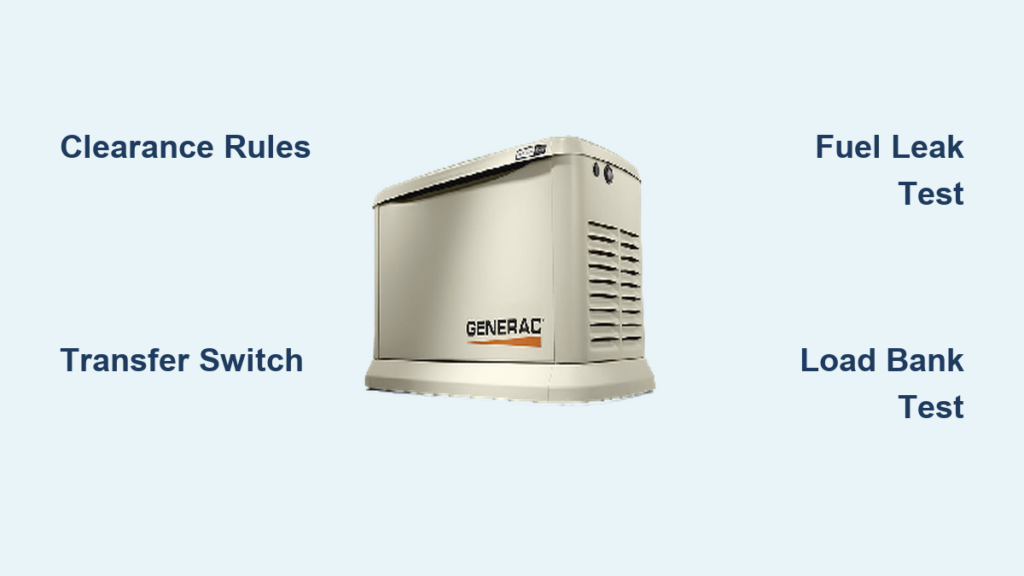
Place gasoline, propane, or dual-fuel generators at least 20 feet from your home on stable ground like concrete or packed gravel. This critical distance prevents carbon monoxide infiltration through windows, doors, or foundation vents. Always angle the exhaust pipe away from your house and neighboring properties. During rain or snow, use a generator-specific canopy with open sides—never operate under enclosed structures like garages (even with doors open) where deadly CO accumulates rapidly. Test wind direction before starting; relocate if exhaust drifts toward windows.
Indoor Placement for Solar Generators
Unlike fuel models, solar generators can safely operate indoors since they produce zero emissions. Still, position units on dry surfaces away from basement moisture or laundry room humidity that could damage electronics. Avoid heat sources like radiators or direct sunlight through windows that degrade battery life. Keep solar generators near windows for easy panel connections, but ensure cords don’t create tripping hazards. Always verify your specific model’s indoor-use approval in the manual—some larger units require ventilation.
Calculate Essential Power Loads Before Starting

Determine Your Critical Wattage Needs
Create a priority list of must-run appliances with their running wattage (continuous power) and starting wattage (surge for motors). For example: refrigerators need 800 running watts but 1,600 starting watts, while LED lighting uses 200-400 watts. Add all running watts, then include the highest starting wattage from your list—this total must stay below your generator’s rated capacity. Exceeding limits causes voltage drops that fry electronics. Use manufacturer specs or online calculators to avoid guesswork; underestimating loads is the #1 cause of generator damage during outages.
Sequence Device Connections Strategically
Always plug in high-draw appliances first. Start with your refrigerator, wait 2-3 minutes for the compressor to stabilize, then add lighting circuits. Connect medical devices before convenience items like coffee makers. This staged approach prevents overload by letting the generator adjust to each new demand. For solar models, activate AC outlets before DC ports since inverters handle higher loads first. Never connect multiple high-wattage devices simultaneously—a common mistake that trips breakers during critical moments.
Establish Safe Power Connections

Select Correct Extension Cords
Use only heavy-duty, outdoor-rated 12-gauge (or thicker) cords with three-prong grounded plugs. Indoor cords overheat instantly when handling generator loads, causing fires. Route cords through windows using rolled towels to seal gaps without pinching wires. Keep connections elevated off wet surfaces with cord ramps. For hardwired appliances like well pumps, a professionally installed transfer switch eliminates extension cord clutter and safely powers 240-volt circuits—schedule this installation months before storm season when electricians are available.
Avoid Deadly Backfeeding Risks
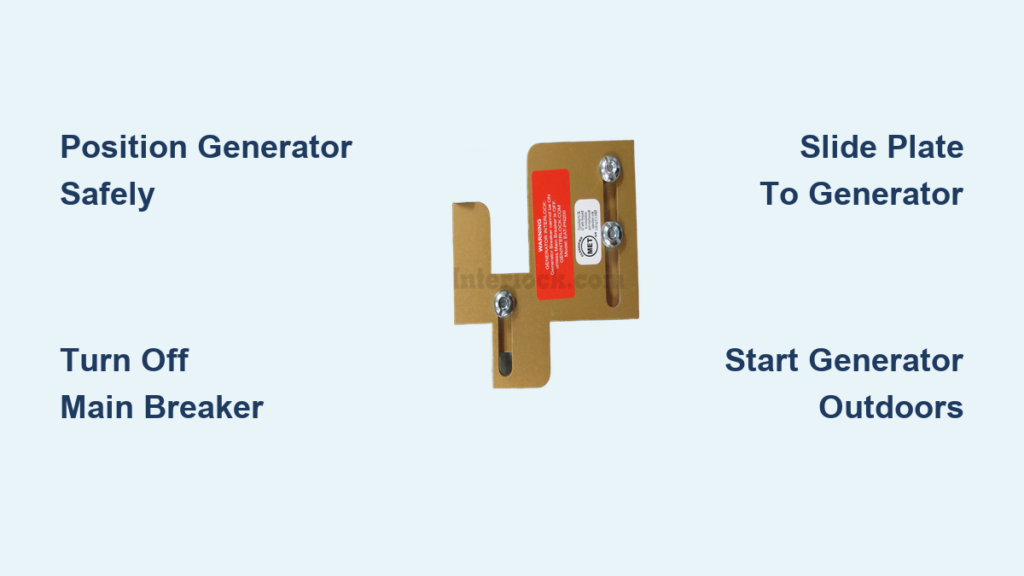
Never plug your generator directly into a wall outlet (“backfeeding”). This bypasses safety breakers, sending live voltage into neighborhood power lines that could electrocute utility workers. Always use a transfer switch or manufacturer-approved cords between the generator and devices. If your home lacks a transfer switch, power essential items via outdoor-rated extension cords run through closed windows—not through door gaps where rain enters.
Execute Flawless Generator Startup
Fuel Generator Ignition Sequence
Follow these steps precisely:
1. Confirm no devices are connected
2. Fill tank with fresh fuel (stabilized gasoline for long storage)
3. Set fuel valve to “On”
4. Flip master switch to “On”
5. Pull choke to “Full” position
6. Pull recoil cord firmly until engine catches
7. Gradually ease choke to “Run” as RPMs stabilize
8. Let generator warm up 3 minutes before connecting loads
Hot engines can ignite spilled fuel—never skip the warm-up phase. If it stalls, reset choke and try again; flooded engines need 15 minutes to clear.
Solar Generator Activation Protocol
Press the main power button and check the LED display for battery percentage and available wattage. Activate AC outlets before USB ports since inverters prioritize higher loads. Some models require switching from “Charge” to “Discharge” mode—consult your manual. Unlike fuel units, solar generators deliver full power instantly with no warm-up needed. Connect devices immediately after startup, but monitor the battery gauge to avoid deep discharge.
Prevent Overload During Operation
Monitor Load Capacity Continuously
Listen for engine strain—a sputtering sound or RPM drop means you’ve exceeded capacity. Disconnect non-essentials immediately. For solar generators, watch for “Low Battery” warnings; prioritize medical devices when levels dip below 20%. Never run generators above 90% capacity for extended periods—it causes overheating and premature failure. Use the 50/30/20 rule: 50% for refrigeration, 30% for lighting/communication, 20% for medical devices.
Stage High-Wattage Appliance Use
Run the furnace and refrigerator on separate generator cycles since their combined startup surge often exceeds capacity. Power the furnace for 15 minutes to heat your home, then switch to the fridge for 20 minutes. Solar models allow smoother transitions but still require load staggering. Keep a wattage cheat sheet taped to your generator showing safe combinations—like “fridge + 3 lamps = 1,000W” versus “fridge + furnace = overload.”
Refuel Without Creating Fire Hazards

Fuel Generator Refueling Protocol
Never refuel while running or hot. Follow this sequence:
1. Turn off all connected devices
2. Let generator run 2 minutes to burn residual fuel
3. Power down completely
4. Close fuel valve
5. Wait 20 minutes for engine cooling
6. Refuel in daylight using UL-approved containers
7. Wipe spills immediately with absorbent cloth
Gasoline vapors ignite from hot engine parts—this causes 40% of generator fires. Store fuel in a detached shed, not your garage.
Solar Generator Recharging Best Practices
Position solar panels facing true south (north in Southern Hemisphere) at 30-45° tilt. Clean glass monthly with a microfiber cloth to maintain efficiency. For full recharges, expose panels to 6+ hours of direct sun—cloudy days require 2x the time. Charge during daylight even when not using the generator to maintain 50-80% battery health. Wind-compatible models need 10+ mph breezes; never operate in thunderstorms.
Eliminate Carbon Monoxide Threats
Install Critical Detection Systems
Place battery-operated CO detectors on every floor, especially near bedrooms. Test them monthly when you test your generator. Symptoms like headaches or nausea mean immediate evacuation—CO is odorless and fatal within minutes. Never operate fuel generators in partially enclosed spaces; even “open” garages trap lethal gas concentrations. Keep windows open on the side opposite exhaust during use.
Create an Emergency Shutdown Plan
Post this checklist near your generator:
– CO detector alarm? → EVACUATE FIRST, THEN SHUT OFF GENERATOR
– Engine overheating? → Turn off loads, let cool 30 minutes
– Fuel spill? → Extinguish all ignition sources, absorb with sand
– Storm approaching? → Power down 10 minutes before moving
Practice this monthly so responses become automatic during real crises.
Maintain Reliability Through Regular Testing
Monthly Operational Checks
Run your generator under 50% load for 20 minutes monthly. Connect your refrigerator and lights to verify voltage stability. For fuel models, check oil levels and replace air filters annually. Solar units need battery calibration: discharge to 20%, then fully recharge. Old gasoline gums up carburetors—drain tanks after 30 days of storage and add stabilizer for longer periods.
Seasonal Storage Preparation
Before storing fuel generators:
– Drain fuel from tank and carburetor
– Change oil while engine is warm
– Store with fuel stabilizer in sealed containers
– Keep in dry location away from living spaces
Solar generators require 50-80% charge during storage—never 100% or 0%. Label fuel containers with dates and rotate every 6 months.
Prepare for Multi-Day Blackouts
Manage Fuel Reserves Wisely
Store gasoline in 5-gallon UL-approved containers (max 25 gallons in most residential zones). Calculate daily usage: a 3,500W generator uses 8-12 gallons/day at 50% load. Rotate fuel every 6 months using the “first in, first out” rule. During hurricanes, prioritize fuel for medical devices—1 gallon powers a refrigerator for 8 hours.
Prioritize Essential Devices
Post this hierarchy near your generator:
1. Life-critical: Oxygen concentrators, dialysis machines
2. Health-essential: Refrigerated medicines, well pumps
3. Safety-necessary: LED lighting, phone chargers
4. Comfort: Refrigerators (cycle on/off), heating
Rotate refrigerator power every 4 hours to keep food safe for 48+ hours. Never waste capacity on TVs or gaming consoles during extended outages.
Mastering how to use a generator separates those who endure blackouts from those who suffer through them. By following these precise steps—especially outdoor placement, load management, and CO prevention—you transform uncertainty into control. Test your system monthly, store fuel properly, and always prioritize safety over convenience. When the next outage hits, your generator won’t just restore power; it’ll deliver peace of mind knowing your family is protected. Start practicing these procedures today—because when the lights go out, there’s no time for guesswork.