When Category 4 winds silence your neighborhood and floodwaters creep toward your doorstep, your generator transforms from backup appliance to survival necessity. Yet every hurricane season, emergency rooms treat hundreds for carbon monoxide poisoning and electrocution because homeowners skipped critical safety steps while scrambling for power. Knowing how to use a generator during a hurricane correctly means the difference between keeping your family safe and creating a new disaster inside your home. This guide delivers the exact protocols you need to operate generators safely when the grid fails—no fluff, no guesswork, just life-saving procedures verified by safety organizations and electrical codes.
Pick Your Hurricane-Ready Generator: Standby vs Portable vs Inverter
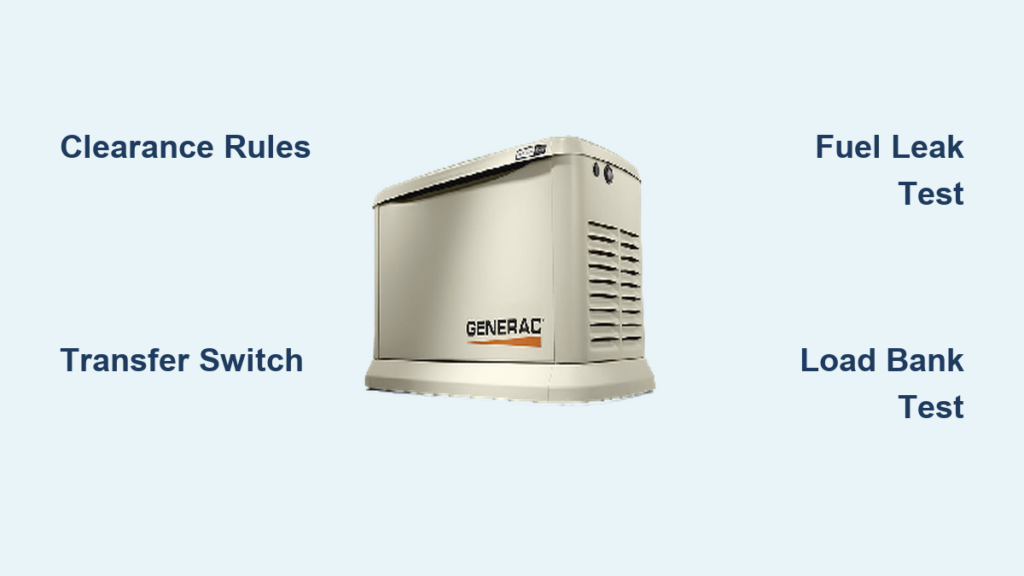
Standby Generators: Automatic Whole-Home Power
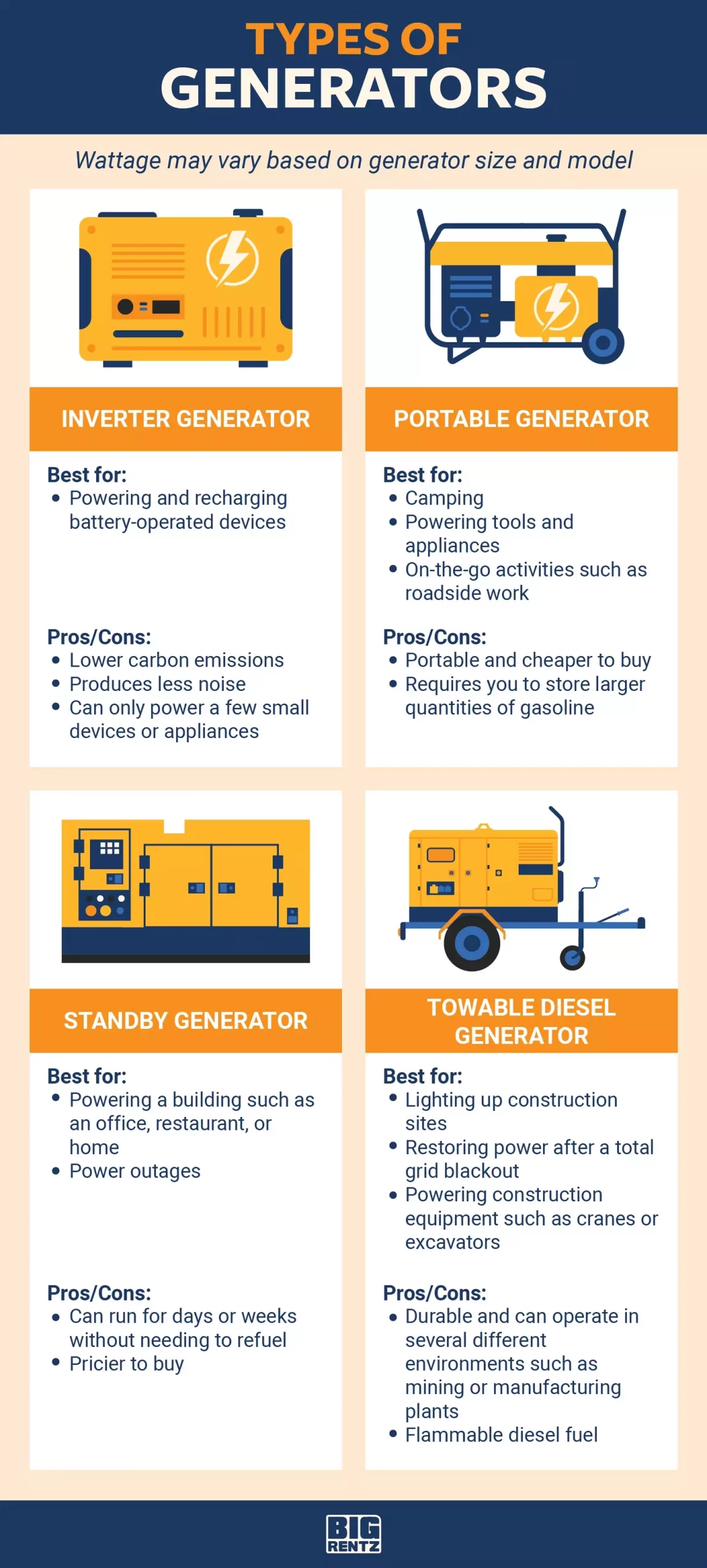
Standby units like 14-kilowatt models automatically power your entire home including 4-ton central AC within 10 seconds of outage. These permanently installed systems run on natural gas or propane and deliver 6,000-59,000 watts continuously. Critical reality check: You cannot install these last-minute—they require licensed electrician permits (mandatory in Miami-Dade and Broward counties) and 4-8 weeks lead time. Attempting emergency installation voids warranties and creates fire hazards.
Portable Generators: Essential Power for Critical Appliances
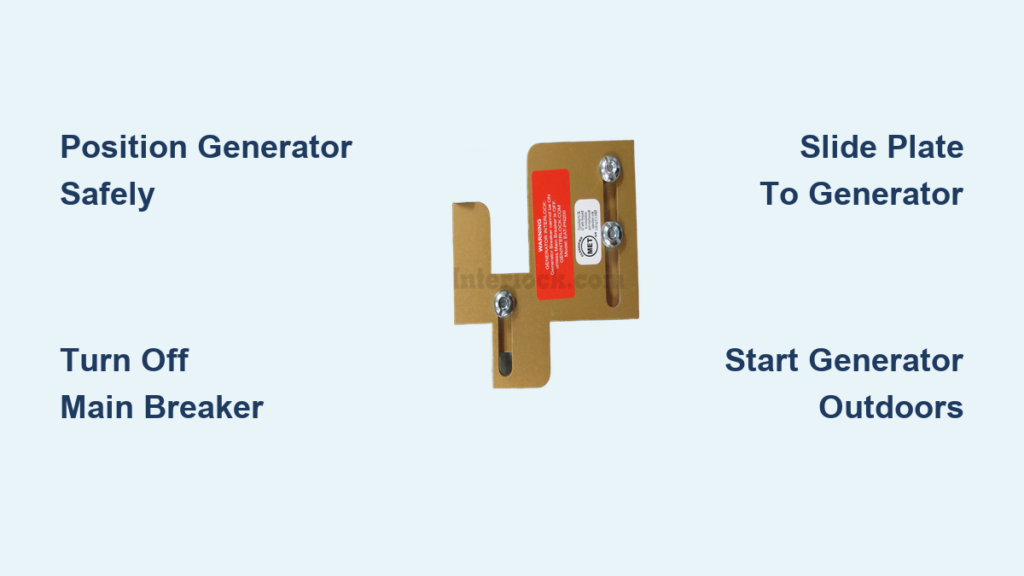
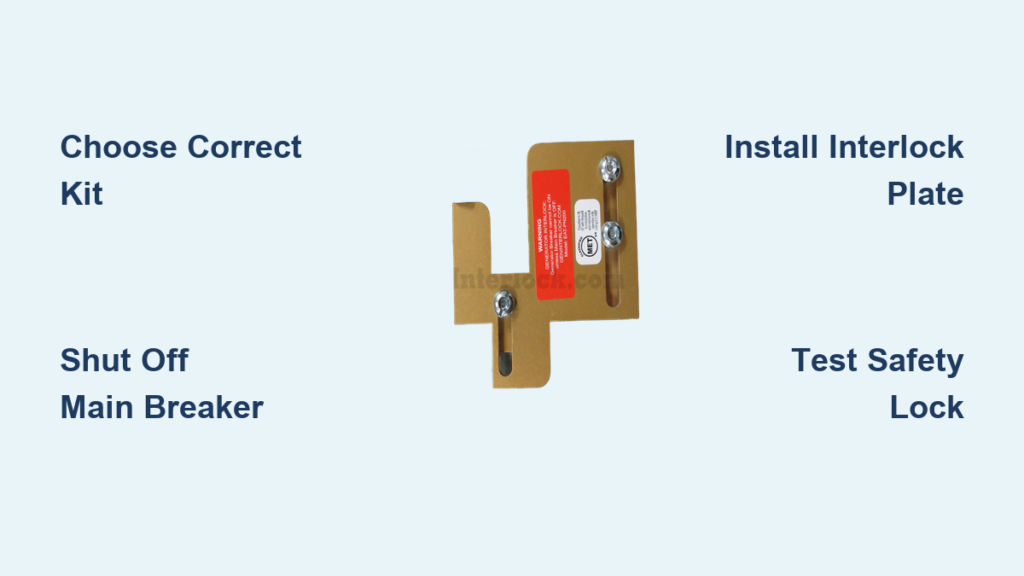
Portable units (1,000-17,000 watts) become hurricane lifelines when standby isn’t an option. Here’s what manufacturers won’t highlight: While technically capable of running central AC, power surges often destroy compressors and void warranties. To safely power hardwired systems like refrigerators or medical devices, you must install a manual transfer switch by a licensed electrician—DIY connections risk electrocuting utility workers restoring grid power.
Inverter Generators: Silent Electronics Protection
For charging phones or running CPAP machines during outages, 800-5,000 watt inverter generators deliver clean, stable power without frying sensitive electronics. Their compact size makes them ideal for hurricane kits, but their limited capacity means never attempt to power central air conditioning. Use them exclusively for refrigerators, small fans, and medical devices—anything larger risks immediate overload.
Buy Before Storm Watches Activate: Avoid Hurricane Panic Buying
Generators vanish from shelves faster than bottled water when hurricane forecasts worsen. Local hardware stores sell out within 3 hours of watch issuance, while online retailers halt shipping to coastal zones. Your actionable timeline: Purchase generators 2-3 months before June 1st (start of hurricane season). Hit Home Depot, Lowe’s, or local dealers during off-peak months—this avoids 300% price gouging and ensures you get safety-certified units instead of dangerous knockoffs flooding the market during emergencies.
Never Run Your Generator Indoors: Hurricane CO Safety Steps
Carbon Monoxide Escape Routes Every Homeowner Must Know
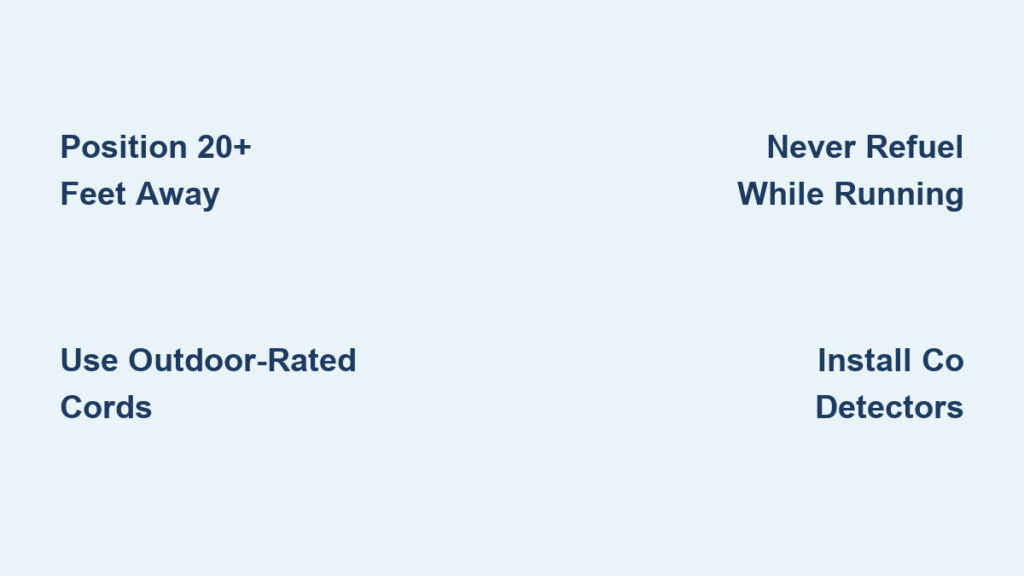
One generator running 20 feet from a window can flood your home with lethal CO in 10 minutes. Non-negotiable rules: Position generators minimum 20 feet from all doors, windows, and vents—even during torrential rain. Install battery-operated CO detectors on every floor (test them monthly). If alarms sound, evacuate immediately; CO symptoms (dizziness, nausea) mimic flu and become fatal within minutes.
Weatherproofing That Withstands Category 3 Winds

Operating generators in hurricanes requires specialized protection. The GenTent Safety Canopy (marine-grade vinyl with fiberglass rods) withstands 70-mph winds and 12 inches of rain while allowing fumes to escape. Critical installation tip: Set this up before winds hit 30 mph—trying to secure covers during active storms risks electrocution from rain-slicked surfaces. Never use tarps; improper ventilation traps deadly carbon monoxide.
Start Your Generator Safely Before Hurricane Winds Hit
Pre-Storm Setup Checklist (Complete 24 Hours Before Landfall)
- Position on elevated, dry surface 20+ feet from home (concrete pad ideal)
- Install GenTent canopy before rain begins (takes 3 minutes)
- Connect appliances via outdoor-rated extension cords (never indoor cords)
- Test all circuits while weather is calm—never during active winds
Active Hurricane Operation: Avoid These Deadly Mistakes
Monitor generators continuously during outages. Most fatal errors happen here: Never refuel while running—gasoline vapors ignite instantly near hot engines. Check fuel levels every 2 hours without overfilling (leave 1-inch space for expansion). If floodwaters approach, shut down before water touches the unit—operating in standing water electrocutes through wet ground.
Safe Refueling Protocol During Extended Outages
- Turn off generator at main switch (not just throttle)
- Wait 20 minutes for complete cooling (touch exhaust to confirm)
- Refuel outdoors away from home openings using UL-listed container
- Wipe spills immediately with oil-absorbent pads (never rags)
- Restart only after checking for leaks near hot components
Calculate Exact Wattage Needs for Hurricane Home Backup

Match Generator Size to Your Critical Loads
Undersized generators overload and fail during peak demand. Use this hurricane-specific formula: Add running watts for essentials (refrigerator 700W, CPAP 300W, sump pump 800W) plus starting watts (3x running watts for motors). Example: Powering a fridge (700W run / 2,100W start) and medical device needs minimum 2,400W—choose a 3,500W generator to handle surges.
Hurricane wattage guide:
– Medical needs only: 1,500-3,000W (CPAP, oxygen concentrator)
– Fridge + lights + charging: 3,000-5,000W
– Small home + window AC: 8,000-12,000W
– Whole home with central AC: 14,000W+ (requires standby unit)
Post-Storm Shutdown: Avoid Hidden Dangers After Winds Pass
Immediate Generator Recovery Steps
After the hurricane passes, never rush to move or store your generator. Allow 30 minutes of cooling time before handling. Inspect for saltwater corrosion (common in coastal storms)—wet electrical components can short-circuit days later. Drain fuel completely if storing longer than 30 days; stale gasoline gums carburetors and causes startup failures next season.
Long-Term Storage That Ensures Next-Season Readiness
Store generators in detached sheds—not garages—away from living spaces. Critical mistake: Leaving fuel in tanks causes ethanol corrosion. Empty tanks completely, then run the engine dry. Add fuel stabilizer only if using within 30 days. Cover with breathable fabric (not plastic) to prevent moisture buildup while allowing air circulation. Schedule oil and filter changes every spring—50 hours of operation demands maintenance.
Your generator becomes a lifeline when hurricanes strike, but only when operated with military-grade precision. By implementing these exact protocols—positioning 20+ feet from home, using GenTent canopies, calculating true wattage needs, and following strict refueling rules—you transform a potential hazard into reliable power. Remember: Safety isn’t sacrificed for convenience during disasters; it’s the foundation of survival. Complete your generator setup now while weather is calm, and when the next hurricane threatens, you’ll have the power to protect what matters most.