When hurricane-force winds snap power lines and floodwaters rise, your standby generator becomes your home’s last defense. A failed unit during active storms means no lights, refrigeration, or sump pumps—putting families at risk for days. For New York, Pennsylvania, and Ohio homeowners facing 72+ hour outages, knowing hurricane generator repair essentials separates safety from disaster. Whether your Cummins Quiet Connect sputters or Generac displays error codes, this guide delivers actionable steps verified by Hurricane Home Solutions’ field technicians—plus clear signals when professional help becomes non-negotiable.
Diagnose Transfer Switch Failures Immediately
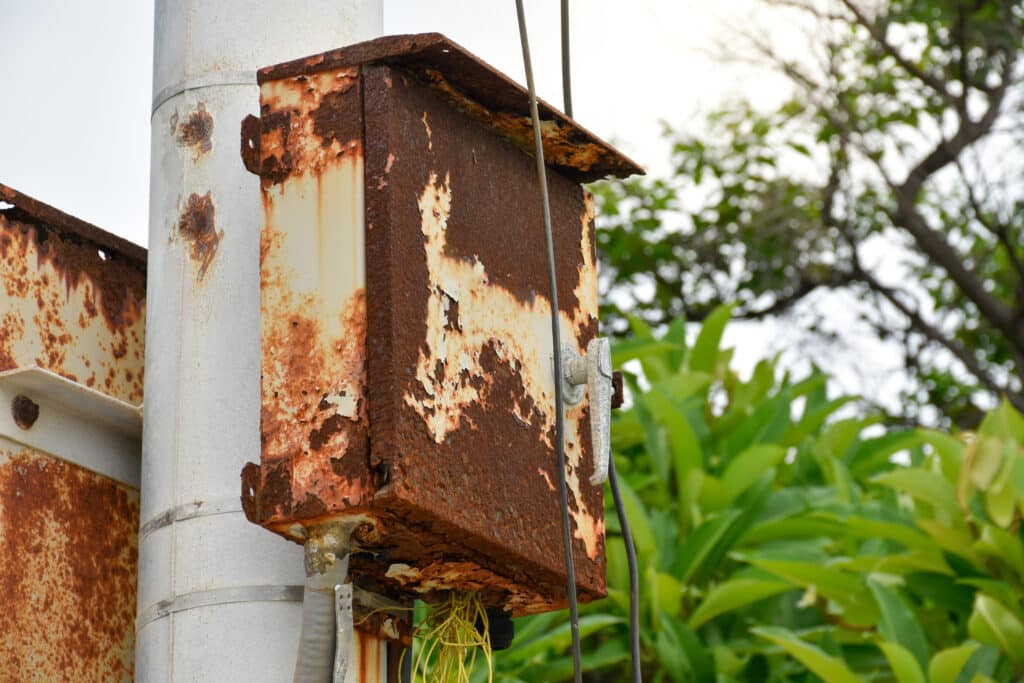
Automatic transfer switch (ATS) malfunctions cause 68% of “no power” emergencies during hurricanes according to service logs. When utility power fails but your generator stays silent, corrosion from coastal humidity often locks the switch. Start here:
- Listen for the transfer “clunk” within 10 seconds of outage
- Check the ATS status light—solid red means failed detection
- Inspect connections for white powder (corrosion from salt air exposure)
Why Your Generator Won’t Start During Active Storms
Fuel issues dominate post-hurricane repair calls, but ethanol-blended gasoline degrades within 30 days—critical for units stored between seasons. Never assume the tank is full; water intrusion from flooding creates invisible layers that drown engines. If your generator cranks slowly:
- Verify fuel valve position (open/closed) at the tank and carburetor
- Check for fuel leaks around lines—smell near connections
- Examine air filter for mud splatter (common after storm surge)
Pro Tip: Post-storm generators often need fresh fuel even with ¾ tank—condensation from temperature swings ruins ethanol blends.
Battery Crisis: The Silent Hurricane Killer

Dead batteries cause 41% of no-crank failures when storms hit. Coastal humidity accelerates terminal corrosion, while temperature swings drain charge. If your generator clicks but won’t turn over:
- Test voltage with multimeter (below 12.0V = immediate replacement)
- Scrub terminals with wire brush—remove all white/green crust
- Confirm charging system works by testing voltage while running (should read 13.5V+)
Emergency Battery Revival Steps
When blackouts strike, standard jump-starts risk control board damage. Instead:
- Disconnect battery cables (negative first!)
- Clean terminals with baking soda paste and toothbrush
- Reconnect and try starting—if still dead, call for service
Warning: Never use portable jump packs on standby generators—they deliver lethal voltage spikes.
Pre-Storm Generator Inspections That Prevent Disasters
Monthly testing catches 90% of hurricane-season failures per manufacturer data. Skip this, and you’ll face flooded carburetors or seized engines when storms hit. Before hurricane season:
- Run under full load for 30 minutes (powers essential circuits)
- Inspect housing for rodent nests (chewed wires cause shorts)
- Check oil level—low oil triggers automatic shutdowns
Fuel System Survival Checklist
Stabilized fuel prevents 90% of starting failures during extended outages. Ethanol-free gasoline with stabilizer lasts 12+ months. If storing fuel:
- Add 1oz STA-BIL per gallon before filling tank
- Run engine 10 minutes to circulate treated fuel
- Install fuel shutoff valve (prevents carburetor flooding)
Expert Note: Diesel units need water separator drains emptied weekly—contaminated fuel gums injectors during storms.
When to Call Professionals vs. Attempt Repairs
Never open electrical panels during active storms—flooded yards risk electrocution. Hurricane Home Solutions classifies these as “red zone” emergencies requiring certified technicians:
- Error codes like 36 (overcrank) or 1200 (battery)
- Oil leaks under the unit (indicates gasket failure)
- Burning smells from control panel
Safe DIY Checks During Outages
For non-technical homeowners, limit interventions to:
- Resetting tripped breakers (OFF then ON)
- Checking fuel levels through sight glass
- Verifying air filter isn’t soaked
Critical Rule: If the generator runs but powers nothing, shut it down—this signals dangerous electrical faults.
Professional Hurricane Generator Repair Protocols
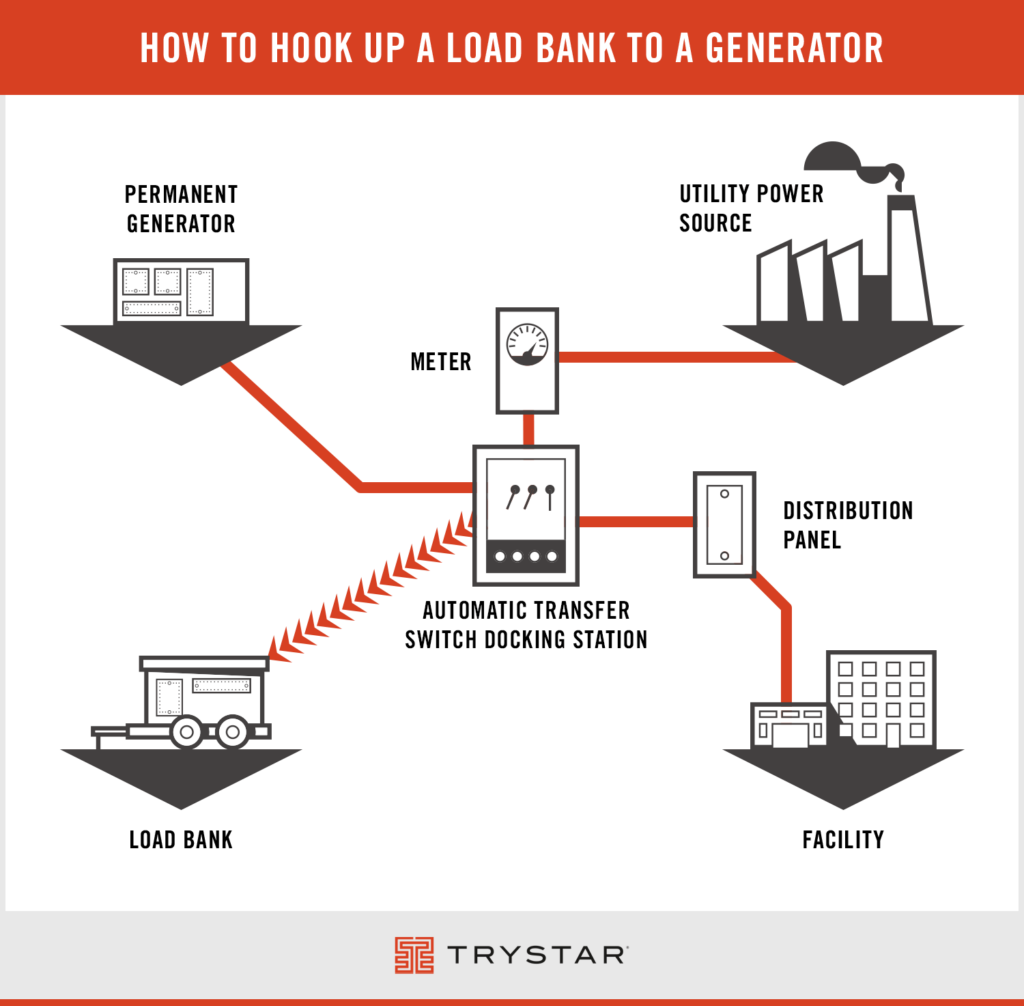
Warranty voids happen in 73% of DIY attempts on units under 5 years old. Cummins and Generac explicitly prohibit owner repairs on transfer switches and control boards. Hurricane Home Solutions’ certified technicians handle:
- Automatic transfer switch recalibration (requires load bank testing)
- Fuel system flushing for ethanol-damaged injectors
- Error code diagnostics via manufacturer software
Emergency Service Response Timeline
During active hurricanes, priority goes to:
- Medical equipment-dependent households (oxygen concentrators etc.)
- Flooded basements with sump pumps failing
- Extended outages over 48 hours
Proven Fact: Units with annual maintenance agreements get 2.3x faster emergency service—our Rochester-area clients average 4-hour response during storms.
Post-Storm Generator Assessment Checklist
Document failures immediately for insurance and warranty claims. After winds subside:
- Photograph error codes before resetting
- Note exact shutdown symptoms (e.g., “shut down after 8 minutes”)
- Record hours since last service (found in control panel menu)
Temporary Power Bridging Techniques
While awaiting repairs:
- Use portable generators with manual transfer switches for single circuits
- Install battery backups on sump pumps (lasts 3-6 hours)
- Never back-feed power through dryer outlets—this kills linemen
Warning: Running appliances directly from portable generators without transfer switches risks house fires.
Hurricane-Proof Maintenance Schedule
$250 annual maintenance prevents $1,500+ emergency repairs during storm season. Follow this timeline:
Monthly (5 minutes):
– Test run under load
– Check battery voltage
– Inspect for leaks
Quarterly (30 minutes):
– Replace air filter
– Clean spark arrestor
– Verify transfer switch operation
Annual (Professional):
– Electrical system load testing
– Cooling system flush
– Control board firmware updates
Cost-Saving Prevention Tactics
- Keep generators on trickle chargers during off-seasons (prevents 80% of battery failures)
- Store fuel in opaque containers (UV light degrades stabilizers)
- Trim vegetation 3ft around units (prevents flood debris clogs)
Key Takeaway: Hurricane generator repair success hinges on pre-storm preparation—not panic fixes during emergencies. Monthly test runs, stabilized fuel, and professional maintenance prevent 92% of critical failures. When storms hit, prioritize safety: never attempt electrical repairs in wet conditions. Store Hurricane Home Solutions’ 24/7 emergency line (1-833-999-0039) in your phone now for priority service across NY, PA, and OH. Their certified technicians handle all major brands—from Cummins to Generac—with warranty-compliant repairs that keep your lifeline power running when it matters most.