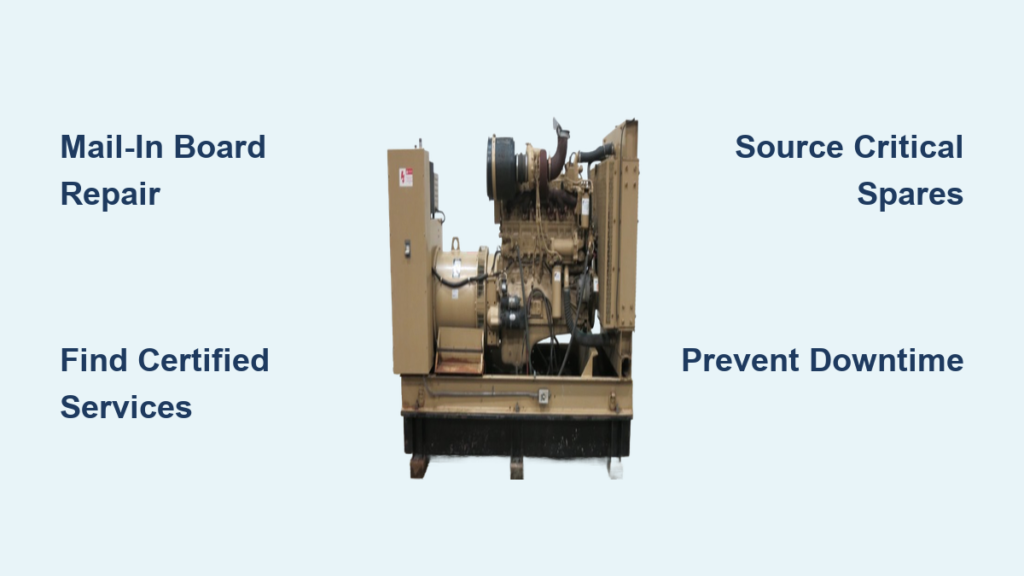
Your Katolight generator just shut down during a critical backup test. With no manufacturer support since Katolight ceased operations, you’re facing a unique crisis: These industrial workhorses power hospitals, data centers, and water facilities nationwide, yet spare parts vanish daily. But here’s the good news – facilities across America are keeping 15kW to 2.75MW units running through strategic katolight generator repair approaches. This guide reveals proven tactics for diagnosing failures, sourcing obsolete components, and partnering with specialists who maintain dedicated inventories for these discontinued systems. You’ll learn exactly how to restore power faster than replacement while avoiding compliance pitfalls.
Unlike modern generators, Katolight units were built for 30-year service lives. Their diesel (15kW-2,759kW) and gaseous (25kW-800kW) models still deliver rock-solid performance when maintained correctly. The real challenge? Navigating the post-OEM landscape where standard service providers lack expertise. Every hour of downtime risks catastrophic facility failures – from flooded basements to server meltdowns. This isn’t just about fixing a machine; it’s about preserving your mission-critical power backbone. By the end of this guide, you’ll have a clear action plan whether you manage a 500kW hospital backup or a 2MW data-center standby unit.
Find Certified Katolight Generator Repair Services Fast
When your unit fails, don’t waste time with general technicians. FM Generator dominates Northeast and Mid-Atlantic regions with unmatched Katolight expertise, stocking parts for diesel units up to 2,759kW and gaseous models up to 800kW. Their 24/7 emergency crews carry specialized tools for on-site diagnostics – critical since these legacy systems use proprietary voltage regulators and control boards incompatible with modern generators.
Why Mail-in Electronics Repair Beats Field Replacement
For failed control boards, independent labs deliver faster turnarounds than hunting for NOS (New Old Stock) parts. These specialists rebuild everything from 1980s relay logic boards to Dynagen TG350/TG410 digital controllers through component-level repair. Key advantage: They reverse-engineer discontinued components, replacing burnt capacitors or failed ICs while applying fresh conformal coating for vibration resistance. Unlike field technicians who might swap entire assemblies, mail-in services target the exact fault – saving 60-70% on repairs.
Service Selection Decision Tree
- Emergency power failure? Choose FM Generator’s same-day response (critical for NFPA 110-compliant systems)
- Non-critical outage? Mail-in labs offer $200-$800 repairs vs. $1,000+ field replacements
- Obsolete PTO generator? Prioritize labs with reverse-engineering capabilities for discontinued parts
Diagnose Top Katolight Generator Failure Symptoms

Identify these common failure patterns before calling technicians. Misdiagnosis wastes hours – especially with vintage systems where symptoms overlap.
Voltage Regulator Card Failures (Basler/Kato Originals)
When your engine runs but produces no voltage or wild fluctuations (±50V swings), inspect the AVR card first. These analog regulators control excitation current and fail frequently due to capacitor aging. Critical visual cues:
– Burnt smell near the control panel
– Bulging electrolytic capacitors on the circuit board
– Corrosion on relay contacts (common in coastal installations)
Immediate shutdown under load confirms regulator failure – don’t ignore this symptom as it risks stator damage.
Dynagen Controller Errors (TG350/TG410 Series)
Digital controllers display cryptic faults like “GEN FAULT” with no details. Decoding the symptoms:
– Engine cranks but won’t start → Check governor actuator signals
– Transfer switch won’t engage → Verify magnetic pickup speed sensor output
– Random shutdowns → Test battery charger module for voltage ripple
These issues often stem from failed semiconductors on the main board – easily repaired via mail-in service.
Fuel System Blockages (40% of Service Calls)
Clogged secondary filters from contaminated storage tanks cause gradual power loss. Diagnostic checklist:
1. Inspect fuel for microbial growth (sludge at tank bottom)
2. Check injection pump timing – drifts after extended storage
3. Test shutdown solenoid coil resistance (open circuit = burnout)
Never run below ¼ tank – condensation accelerates injector corrosion.
Repair Katolight Control Boards via Mail-in Service (Step-by-Step)
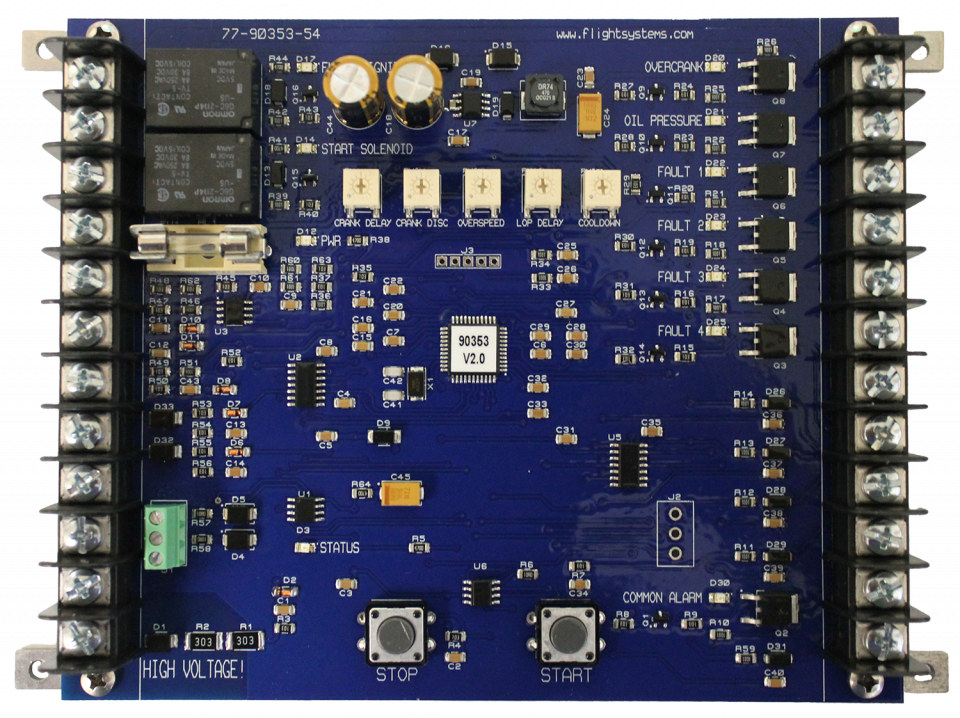
Step 1: Safe Removal Protocol
Disconnect battery ground first. Photograph all wire positions before removing the board – Katolight uses non-standard terminal numbering. Label connections with masking tape (e.g., “J5-12”). Note visible damage: burnt components often smell like ozone, while corroded traces appear greenish.
Step 2: Shipping Without Damage
Wrap boards in anti-static foam (never bubble wrap – static discharge kills components). Include your completed shipping form inside the package. Labs process hundreds weekly; clear labeling prevents mix-ups. Pro tip: Ship early Monday to avoid weekend delays in diagnostics.
Step 3: Cost-Saving Approval Strategy
Expect a $35-$50 test fee (waived if repairs proceed). Typical rebuilds cost $200-$800. Critical insight: If quoted over $600, ask if component-level repair is possible – this avoids full board replacement costs. Standard service takes 7-10 days; expedited (2-3 days) costs extra but includes burn-in testing.
Source Aftermarket Parts from Trusted Suppliers
ASAP Generator Parts: Your One-Stop Solution
This e-commerce platform maintains explicit “MTU/Katolight” categories with cross-references to Generac, Kohler, and Caterpillar equivalents. Strategic advantage: Mixed-fleet facilities can order all spares from one vendor. Same-day shipping covers voltage regulators, sensors, and maintenance kits – call 717-274-9396 for urgent part numbers.
Stock These Critical Spares Immediately
- Voltage regulator (match your kW rating – 500kW units use different AVRs than 2MW)
- Emergency shutdown solenoid (common failure point after 10+ years)
- Complete fuse set (main power + control circuits)
- Governor actuator assembly (Woodward/GAC equivalents available)
Without these, a minor fault becomes a multi-day outage.
Prevent Katolight Generator Breakdowns with Proactive Maintenance
Monthly Load Testing That Works
Run at 30-50% load for 30 minutes weekly. Critical metric: If voltage drops >5% under load, schedule AVR testing immediately. This prevents “wet stacking” – carbon buildup from light loading that clogs injectors. Never skip this; 70% of fuel system failures stem from infrequent operation.
Semi-Annual Deep Maintenance Checklist
- Change oil AND secondary fuel filters (contaminated filters cause 40% of shutdowns)
- Load-bank test at 75% capacity for 2 hours to burn carbon deposits
- Megger test windings (must read >1MΩ – low readings indicate moisture damage)
- Torque all power connections to spec (loose lugs cause arcing fires)
Skipping these steps accelerates aging in 20+ year old units.
Decide: Repair Your Katolight Generator or Replace It?

Economic Break-Even Analysis
Repair when: Total cost < 50% of replacement price. For a 500kW unit: $25K overhaul vs. $85K new = clear repair decision. For 2MW units: $150K emission upgrades (Tier 4 compliance) vs. $200K replacement = borderline case. Hidden replacement costs:
– DEF system add-ons ($15K+) for new EPA engines
– Transfer switch compatibility fixes ($8K)
– Concrete pad modifications for different footprints
When Replacement Wins
Consider repowering only if:
– Major engine overhaul exceeds 50% of new unit cost
– Your facility requires Tier 4 compliance (triggered by engine replacement)
– Parts lead time exceeds your maximum tolerable outage window
Otherwise, targeted katolight generator repair extends service life cost-effectively.
Ensure EPA and NFPA Compliance for Katolight Repairs
Avoid Regulatory Traps
Most older Katolight diesels are grandfathered under pre-Tier 4 emissions rules. Critical exception: Repowering with a new engine triggers current EPA requirements – adding $50K+ for after-treatment systems. For control board replacements, use only UL-listed equivalents; non-compliant parts void NFPA 110 compliance.
Field Evaluation Saves Code Headaches
After major repairs, order an NRTL (Nationally Recognized Testing Laboratory) field evaluation ($3K-$8K). This documents UL listing retention for inspectors – skipping it risks failed compliance audits during emergency drills. Always verify repair vendors understand these requirements.
Immediate Actions for Your Failed Katolight Generator
Start with symptom documentation: Note error codes, voltage readings, and failure conditions. Then choose your path:
– Electronics failure? Mail the board today – standard service gets you back online in 10 days
– Mechanical issue? Call FM Generator for same-day emergency response
– Critical spares depleted? Order voltage regulators and shutdown solenoids from ASAP Generator Parts NOW
Remember: These weren’t built to fail. With strategic katolight generator repair, your unit can deliver decades more service. But every hour of delay increases facility risk exposure. Stock critical spares this week, implement monthly load testing, and partner with specialists who speak “Katolight.” Your backup power depends on it – and so do the lives and data it protects.
Final Note: The most successful facilities treat Katolight units like vintage race cars – they invest in specialized care rather than premature replacement. By leveraging mail-in electronics repair, targeted parts stocking, and compliance-savvy technicians, you transform an “obsolete” generator into a reliable legacy asset. Start your diagnostic today; tomorrow’s outage won’t wait.