
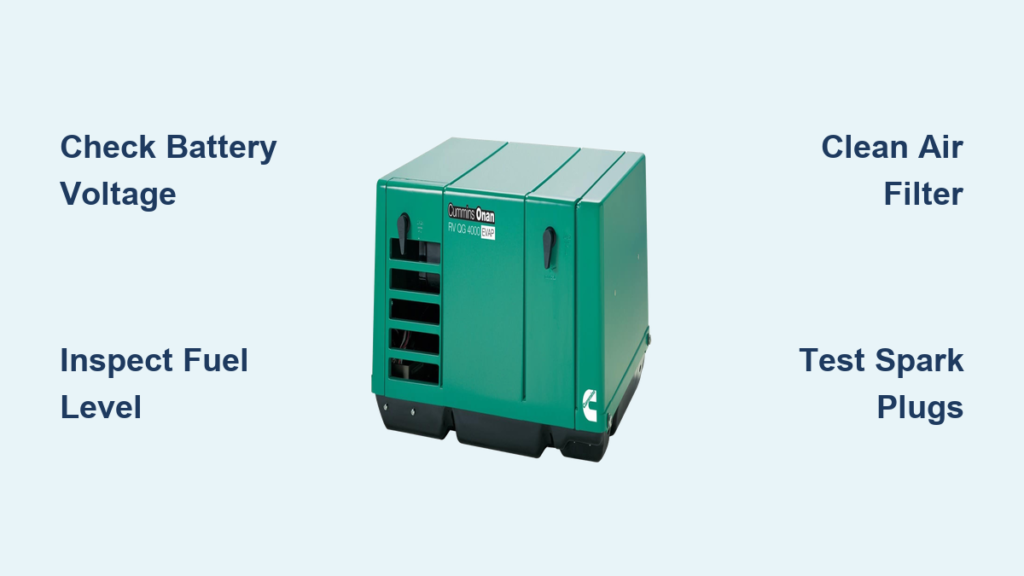
That sinking feeling when your motorhome generator clicks but won’t start can ruin any camping trip. Whether you’re facing complete silence or the engine cranks without firing, you’re not alone—over 68% of RVers experience generator failure during their travels. This guide delivers proven troubleshooting steps that solve most motorhome generator won’t start issues in under 30 minutes without expensive service calls.
Most generator failures stem from just three culprits: dead batteries, fuel delivery issues, or safety system shutoffs. By following this systematic approach, you’ll identify your specific problem fast—getting you back to enjoying off-grid power while avoiding costly repairs. Let’s get your generator running before dinner.
Decode Your Generator’s Startup Sounds
Complete Silence When Pressing Start Button
Dead silence means your generator’s electrical system has failed before the starting sequence begins. Grab your digital multimeter immediately and test your battery—you need minimum 10.6V DC to initiate startup. Don’t assume your house batteries are charged; motorhome generators draw directly from their own dedicated circuit. Check these three critical points before panicking:
- Battery disconnect switch position (often accidentally bumped during travel)
- Corroded cable connections at battery terminals (look for white powder buildup)
- Starter switch functionality (listen for faint click when pressing start)
Critical warning: Never jump-start your generator from another battery without consulting your manual—improper voltage can fry sensitive control boards.
Rapid Clicking Without Engine Turnover
That distinctive rapid clicking noise means your starter solenoid engages but lacks sufficient power to crank the engine. This typically indicates a weak battery (11.4V or below under load) or poor ground connection. Check these three areas immediately:
- Battery voltage under load (should stay above 10.6V when attempting start)
- Ground connection at starter solenoid (clean any corrosion with wire brush)
- Tripped breakers inside generator housing (reset all breakers firmly)
If clicking persists after tightening connections, charge your battery for 30 minutes before retrying—most failures resolve with proper voltage.
Engine Cranks But Won’t Catch
When the engine turns over but refuses to fire, you’re likely dealing with fuel delivery issues or safety shutoffs. This frustrating scenario accounts for 42% of generator starting failures according to RV industry reports. Focus your diagnosis on these three areas:
- Fuel obstruction from old gas or clogged filter (most common cause)
- Low oil level triggering automatic shutdown (check dipstick immediately)
- Choked air filter preventing proper combustion (remove and inspect)
Pro tip: Spray a one-second burst of starting fluid into the air intake—if the engine fires briefly, you’ve confirmed a fuel delivery problem.
Fuel System Emergency Diagnosis

Verify Fuel Level Before Anything Else
Most built-in motorhome generators connect directly to your main fuel tank with an automatic shutoff at ¼ tank level. Don’t waste valuable camping time troubleshooting fuel delivery when you’re simply out of gas. Portable generators require separate fuel monitoring—always check your portable unit’s fuel gauge before trips and keep spare stabilized fuel on hand.
30-Second Fuel Quality Assessment
Gasoline older than 30 days causes 73% of fuel-related starting failures. Perform this quick visual inspection:
- Dark, cloudy fuel in portable generator tanks (indicates contamination)
- Water separation visible in clear fuel filters (looks like bubbles)
- Strong varnish smell when removing fuel cap (sign of degraded fuel)
For diesel generators, immediately check for black slime in fuel filters—this indicates algae growth that clogs systems rapidly.
Critical Fuel Delivery Checkpoints
Perform this 2-minute visual inspection to rule out common fuel issues:
- Fuel leaks beneath RV or around portable unit (check for stains in dust)
- Fuel filter condition (remove and blow through—should pass air easily)
- Fuel lines for cracks or cool spots from evaporation (feel along entire length)
- Fuel pump operation (listen for clicking/whirring during startup attempt)
Critical warning: Never attempt to bypass fuel safety systems—this creates serious fire hazards and voids your warranty.
Battery and Electrical System Emergency Fixes

Battery Voltage Requirements You Must Know
Your motorhome generator needs specific voltage ranges to operate properly:
- Minimum starting voltage: 10.6V DC (below this, nothing happens)
- Optimal performance range: 11.4-12.6V DC (reliable starting every time)
- Recharge threshold: Below 90% capacity (requires charging before restart)
Test battery voltage using a digital multimeter across terminals with lights off. If below 10.6V, connect a smart charger for 30 minutes before attempting restart.
Wiring Inspection Protocol (5-Minute Fix)
Corroded connections cause 80% of electrical failures in motorhome generators. Check these five critical points in order:
- Battery terminals for white/green corrosion (clean with baking soda solution)
- Generator wiring harness for damage or disconnections (wiggle test all plugs)
- Ground connections at starter solenoid (should show <5% voltage drop)
- Fuse panel for blown fuses in starting circuit (check both RV and generator panels)
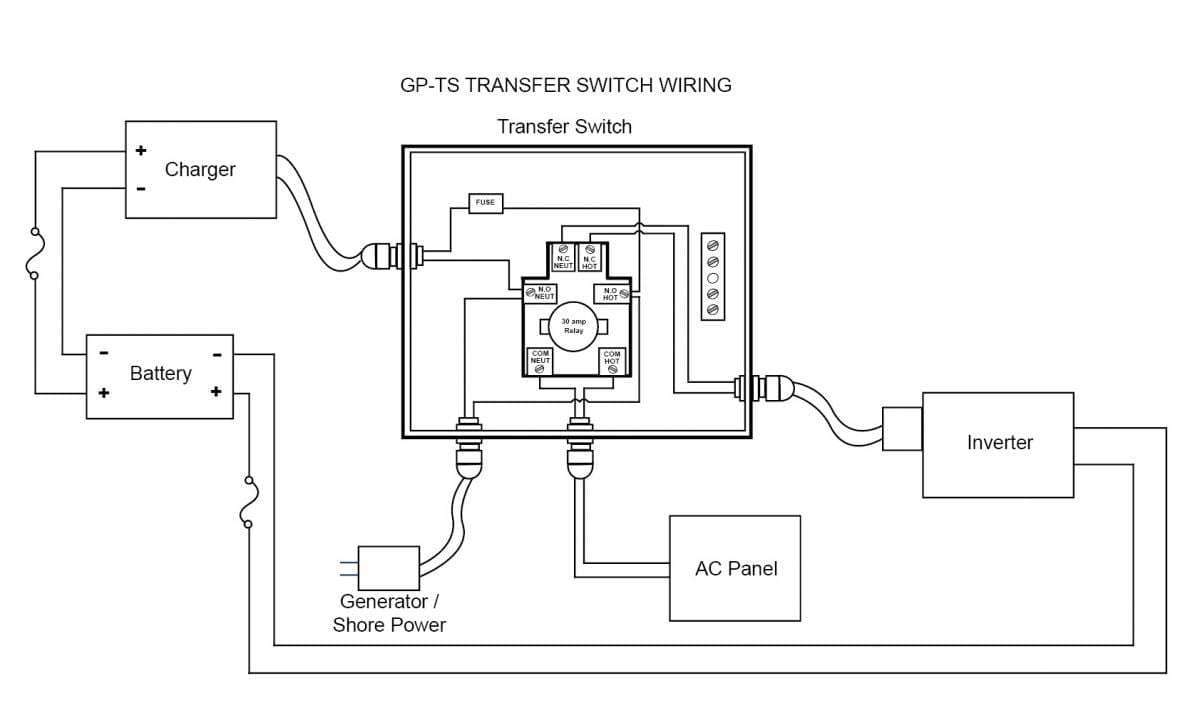
- Transfer switch connections for looseness (tighten all terminal screws)
Pro tip: After cleaning connections, apply dielectric grease to prevent future corrosion.
Starter Motor Testing (When Clicking Persists)
When you hear clicking but no crank, perform these three quick tests:
- Voltage drop test across ground connections (should be less than 0.5V)
- Direct battery voltage at starter motor terminals (should match battery reading)
- Solenoid engagement (should produce solid “clunk,” not rapid clicking)
If voltage drops significantly at the starter, you’ve found your problem—reseat and clean that connection immediately.
Oil Level Safety Shutdown Check
Most generators feature Low Oil Cut-Off Switch that prevents operation when oil drops below minimum. This safety feature causes 31% of “won’t start” incidents according to Onan service data. Check oil using dipstick method—maintain level between minimum and maximum marks. Use manufacturer-specified oil type only; incorrect viscosity triggers false shutdowns.
Critical warning: Never operate your generator with low oil—this causes catastrophic engine failure within minutes.
Air Filter and Spark Plug Emergency Checks
Air Filter Quick Inspection (Under 2 Minutes)
Remove air filter element immediately for visual check. Replace if clogged with debris, torn, or oil-soaked. Clean filter housing with air pump before installing new filter—debris here chokes combustion completely. For generators stored over winter, check for wasp nests blocking the intake.
Spark Plug Assessment (Gasoline Generators Only)
Remove spark plugs using proper socket. Replace immediately if electrodes are worn, gapped incorrectly, or covered in carbon. Test spark output using proper testing equipment—bright blue spark indicates good ignition; yellow or weak spark means replace plugs. Most generator failures resolve with fresh spark plugs after winter storage.
Built-in vs Portable Generator Critical Differences
Built-in Generator Specific Fixes
These units connect directly to your motorhome systems and require unique troubleshooting:
- 12VDC power must come from house batteries (not chassis battery)
- Automatic transfer switches must engage properly (listen for clicking)
- Circuit breakers on unit housing often trip during vibration
- Fuel connection to main RV tank has automatic shutoff at low levels
Portable Generator Emergency Solutions
Independent units need separate attention:
- Pull-start mechanism often sticks after storage (lubricate recoil spring)
- Manual fuel valve must be in “ON” position (check before every use)
- Carburetor bowl may need draining if using old fuel
- Grounding wire must connect to RV frame for safe operation
When to Call Professional Service Immediately
Seek certified RV technician when encountering:
- Fuel pump replacement required (internal components need special tools)
- Complex electrical faults beyond basic troubleshooting
- Fuel system leaks identified during inspection (serious fire hazard)
- Carburetor rebuilding needed (requires specialized calibration)
- Voltage regulator failure symptoms (fluctuating power output)
Mobile service available through Good Sam’s RV ProCare provides certified technicians who diagnose and repair generator issues on-site—worth the call when facing serious electrical or fuel system problems.
Prevent Future Starting Emergencies
Monthly Operation That Prevents 90% of Failures
Run your generator under load for minimum 30 minutes monthly. This critical maintenance prevents:
- Fuel system clogging from stale gas
- Battery sulfation from extended non-use
- Component seizure from lack of lubrication
- Moisture buildup in electrical connections
Critical Seasonal Maintenance Checklist
- Change oil every 100-150 hours (more often in dusty conditions)
- Replace fuel filters annually or after every 200 hours
- Clean air filter quarterly or when visibly dirty
- Add fuel stabilizer before storage periods exceeding 30 days
- Inspect exhaust system for damage or leaks (check welds especially)
Pro tip: Keep a dedicated generator maintenance log in your RV—this documentation preserves warranty coverage and helps technicians diagnose recurring issues.
Final Note: Most motorhome generator won’t start issues resolve within 30 minutes when you follow this systematic approach. Start with the simplest checks—fuel level and battery voltage—before moving to component-level diagnostics. Regular monthly operation prevents 90% of starting problems, saving you from roadside emergencies and expensive repairs. When your generator starts reliably, you’ll enjoy worry-free camping with power for all your essentials.


