
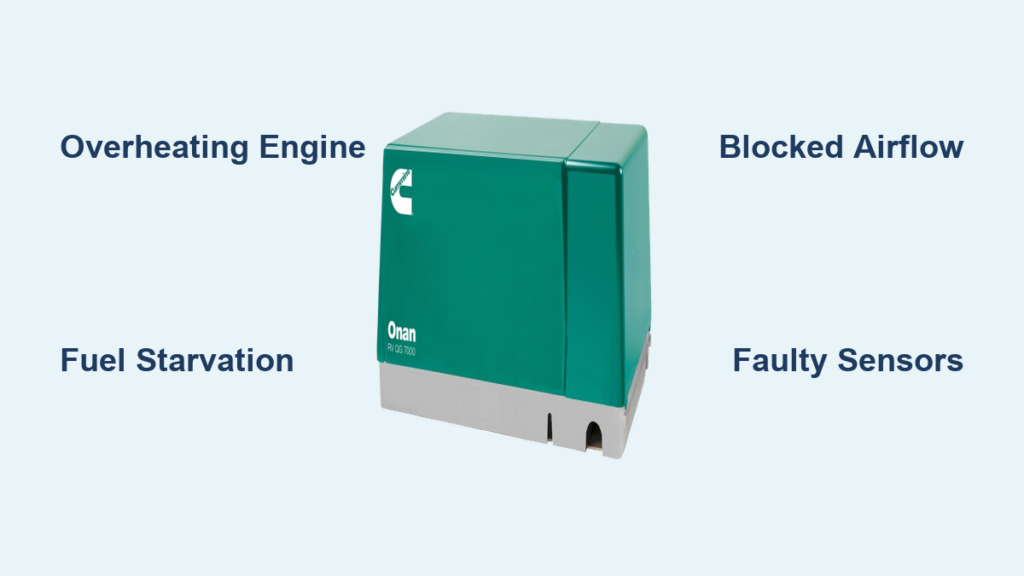
You’re deep into your RV adventure when it happens: the air conditioner sputters, lights flicker, and your Onan generator shuts off precisely at the 30-minute mark. This isn’t random equipment failure—it’s your generator’s built-in thermal protection system triggering a safety shutdown. When your Onan generator shuts off after 30 minutes, it’s screaming for help about an underlying issue that could cause catastrophic engine damage if ignored. Whether you’re boondocking in desert heat or relying on generator power for medical equipment, this predictable failure pattern has four primary culprits you can diagnose and fix today.
This guide cuts through the frustration with actionable steps tested by RV technicians. You’ll learn to identify why your Onan generator shuts off after 30 minutes through visual inspections and simple tests you can perform with basic tools. Most importantly, you’ll discover immediate fixes that restore power before your next shutdown cycle—and permanent solutions to prevent recurrence. Stop guessing and start solving: your reliable power supply depends on addressing the root cause, not just restarting the unit.
Overheating Engine Triggers the 30-Minute Shutdown

Your Onan generator’s thermal protection system activates when internal temperatures exceed safe limits—typically after 30 minutes of continuous operation as heat builds beyond dissipation capacity. This isn’t a random failure but a calculated safety response preventing melted pistons or seized engines. You’ll notice distinct warning signs before the shutdown occurs: excessive heat radiating from the housing (too hot to touch comfortably), a distinct burning oil smell, or noticeably louder operation as the cooling fan strains to compensate.
Immediate Cooling System Diagnostic Checklist
Before assuming major repairs, verify these critical items:
1. Power down completely and wait 15 minutes for safe handling
2. Inspect cooling fins using compressed air—remove leaves, spiderwebs, or dust bunnies blocking airflow
3. Check oil level with the dipstick—low oil reduces heat absorption capacity by 40%
4. Verify clearance around the generator—minimum 3 feet on all sides for proper ventilation
5. Examine air intake grilles for obstructions like stored gear or slide-out overhangs
Pro Tip: At 25 minutes of operation, use an infrared thermometer on the engine block. Readings above 220°F confirm overheating. If you find blocked cooling fins or low oil, you’ve likely solved the “Onan generator shuts off after 30 minutes” mystery. Persistent overheating despite these checks indicates internal issues like coolant leaks or oil pump failure—immediate professional service is required to prevent engine destruction.
Fuel Starvation Causes Mid-Operation Shutdown
Your generator consumes 0.5-1.5 gallons of fuel per hour depending on electrical load. When it shuts off at exactly 30 minutes, fuel starvation is the second most common culprit after overheating. The generator runs normally until depleted fuel reaches the pickup tube, then cuts power abruptly. Don’t trust your RV’s fuel gauge—many systems inaccurately report generator tank levels. Instead, physically verify: shake the tank to hear fuel slosh, or disconnect the fuel line at the carburetor to check flow.
Critical Fuel System Fixes You Can Do Today
Clogged fuel filters are the silent killer causing timed shutdowns:
– Locate the inline fuel filter (usually near the carburetor)
– Place a drip pan underneath and close the fuel valve
– Remove the old filter, noting the flow direction arrows
– Install a new filter with arrows pointing toward the engine
– Prime the system by briefly running the fuel pump before restarting
Warning: Never reuse disposable fuel filters. Contaminants like water or sediment accumulate gradually, restricting flow precisely at the 30-minute mark. If you smell gasoline but the engine stalls, inspect for pinched fuel lines or failing fuel pumps—weak pumps deliver adequate flow initially but collapse under sustained pressure. A simple test: disconnect the fuel line at the carburetor and crank the engine. Steady flow indicates pump health; intermittent spurts mean replacement time.
Blocked Airflow Creates Fatal Backpressure
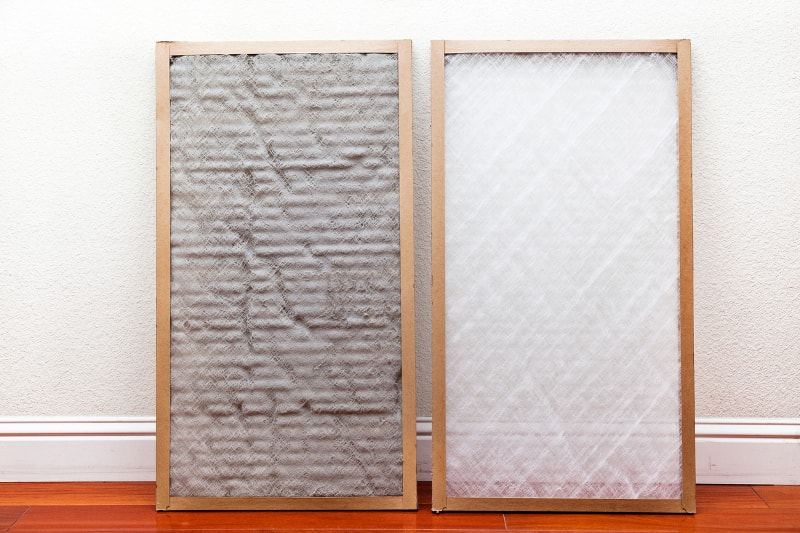
Restricted airflow is the stealthiest cause of the 30-minute shutdown pattern. Your generator needs unobstructed intake and exhaust paths to maintain combustion efficiency. When debris like mud dauber nests, grass clippings, or plastic bags block these paths, backpressure builds until the engine chokes out at 30 minutes. You’ll often find these obstructions in exhaust outlets or air intake vents—especially after storage or in insect-prone areas.
Emergency Airflow Restoration Steps
Perform this visual inspection immediately after shutdown:
– Air filter check: Replace if gray/black instead of white (dusty conditions require cleaning every 25 hours)
– Exhaust inspection: Clear spider webs using a stiff wire—common in seasonal RVs
– Cooling fan blades: Remove grass fragments or plastic bag remnants
– Compartment vents: Ensure nothing blocks fresh air intake (common when storing chairs near the unit)
Positioning Fix: Many RVers unknowingly cause shutdowns by parking within 5 feet of walls or deploying slide-outs over generator compartments. Maintain 5-foot clearance on the exhaust side and 3 feet on intake. If your generator shuts off after 30 minutes only at specific campsites, airflow restriction is almost certainly the culprit—reposition your RV and restart to confirm.
Faulty Sensors Trigger False Shutdowns
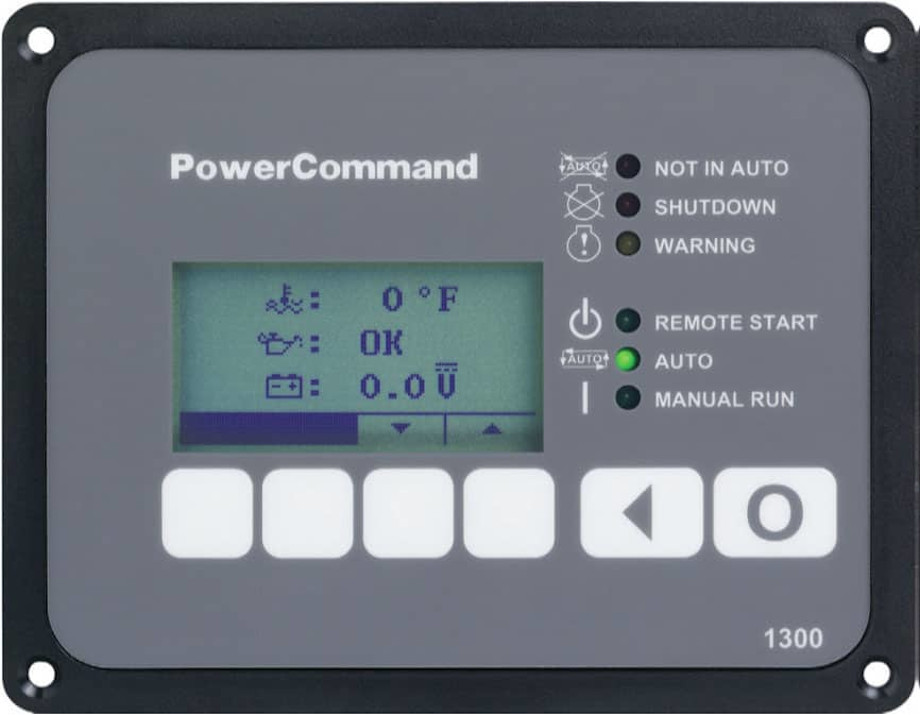
Electrical malfunctions account for 15% of “Onan generator shuts off after 30 minutes” cases. Faulty temperature sensors send false overheating signals to the control board, while damaged wiring causes intermittent shutdowns. You’ll often see flashing error codes on the control panel during these failures—your most valuable diagnostic clue. Ignoring these electrical gremlins risks permanent control board damage.
Sensor and Wiring Diagnostic Protocol
Follow this sequence when shutdowns occur:
1. Record error codes immediately after shutdown (e.g., 3 flashes = temperature sensor fault)
2. Inspect wiring harnesses for chafed insulation or corroded connectors near the engine
3. Test temperature sensors with a multimeter—resistance should change predictably with heat
4. Reset the control board by disconnecting battery power for 2 minutes
Pro Tip: If you suspect sensor failure but lack tools, perform the “cool-down restart test.” After shutdown, wait 15 minutes (longer than needed for actual cooling), then restart with minimal load. If it runs longer than 30 minutes, you’ve confirmed a false sensor trigger. Replace faulty sensors immediately—bypassing them disables critical protection.
Preventative Maintenance That Stops 30-Minute Shutdowns
Stop reacting to shutdowns and start preventing them with this battle-tested maintenance protocol. Generators failing at the 30-minute mark almost always lack basic care—especially air and oil maintenance. Implement these steps monthly:
- Air filter service: Clean foam filters with soapy water; replace paper filters every 100 hours
- Oil changes: Use manufacturer-specified oil every 50-100 hours (synthetic preferred for hot climates)
- Cooling system flush: Remove debris from fins with compressed air (never water!)
- Fuel stabilization: Add stabilizer to full tanks before storage and run 15 minutes to circulate
Critical Pre-Trip Checklist:
– [ ] Verify fuel is less than 30 days old (stale fuel causes vapor lock)
– [ ] Confirm oil level at “Full” mark on dipstick (not “Add”)
– [ ] Test run under load for 45 minutes before departure
– [ ] Inspect all electrical connections for corrosion
This routine catches 80% of potential shutdown causes before they strand you. Remember: when your Onan generator shuts off after 30 minutes, it’s protecting itself from your neglect. Treat these maintenance steps as non-negotiable—and you’ll never face that sudden power loss again.
Emergency Restart Procedure When Stranded
When your Onan generator shuts off after 30 minutes in a remote location, follow this exact sequence:
1. Immediately disconnect all electrical loads (AC, microwave, etc.)
2. Wait 15 minutes minimum—rushing restarts causes thermal shock
3. Perform rapid triage: Check oil level, fuel flow, and visible obstructions
4. Restart with ONLY essential loads (refrigerator or lights)
5. Gradually add devices while monitoring operation time
Temporary Power Workarounds:
– Use campground shore power if available
– Run propane appliances instead of electric (water heater, stove)
– Power critical devices through your house batteries using an inverter
– Keep a portable generator as backup for medical equipment
Document exactly when shutdowns occur and what loads were active. This data is gold for technicians diagnosing stubborn cases. Never ignore repeated 30-minute shutdowns—each event risks permanent engine damage from thermal stress.
Your Onan generator’s 30-minute shutdown isn’t a flaw—it’s a lifesaving alert. By methodically checking overheating triggers, fuel delivery, airflow restrictions, and sensor integrity, you’ll restore reliable power within hours. Start with the simplest fixes: clean the cooling fins, replace the fuel filter, and verify oil levels. These solve 70% of cases on first attempt. When professional help is needed, your detailed shutdown logs will slash diagnostic time and costs. Remember: this protection system exists to save your engine—respect its warnings, implement these solutions, and you’ll conquer the 30-minute shutdown pattern for good.


