

Your pull start generator won’t start when you need it most—whether the cord locks solid like a steel rod or pulls smoothly but the engine refuses to fire. This frustrating scenario leaves you powerless during outages or outdoor adventures. With 78% of generator failures tracing back to preventable maintenance issues, you don’t need a mechanic. This guide delivers exact, tool-free fixes for both scenarios using proven diagnostic steps. You’ll learn to identify hydro-lock in 60 seconds, bypass faulty sensors, and perform emergency carburetor cleans—all while avoiding costly service calls.
Cord Jams Solid During Pull Attempt
When your generator’s pull cord won’t budge past the first inch, liquid is likely trapped above the piston. This hydro-lock condition prevents compression by creating an unyielding hydraulic barrier. Ignoring this risks bent connecting rods or cracked cylinder heads.
Remove Spark Plug Before Any Inspection
Never skip this critical safety step: Disconnect the spark plug wire and remove the plug using your generator’s deep-well socket. With the plug hole open, trapped fluids escape safely during crank attempts. Attempting repairs with the plug installed could cause explosive backfires from pressurized fuel-air mixtures. Keep the exhaust pointed away from your body during all testing.
Identify Trapped Liquid Type Immediately
Shine a flashlight into the cylinder bore to pinpoint the culprit:
– Oil pooling indicates improper storage at steep angles (check dipstick for low levels)
– Gasoline smell signals carburetor float failure—common after long-term storage
– Water droplets mean rain ingress through exhaust or air filter during outdoor storage
Each liquid requires specific follow-up actions to prevent engine damage. Oil migration typically needs only oil replacement, while gasoline or water contamination demands immediate oil changes to avoid bearing washout.
Clear Cylinder Without Further Damage

Follow this sequence to evacuate fluids safely:
1. Soak visible liquid with a lint-free rag wrapped around a wooden dowel (never metal tools!)
2. Pull starter cord 3-4 times with plug removed (exhaust facing away from you)
3. Reinstall spark plug with proper torque (15-20 ft-lbs) and reconnect wire
4. Critical: Change engine oil immediately if gasoline or water was present
Pro tip: After clearing hydro-lock, run the generator for 5 minutes to circulate fresh oil before reconnecting loads. Skipping this risks accelerated wear from contaminated lubrication.
Diagnose Recoil Assembly Failures
If no liquid appears in the cylinder, inspect the recoil mechanism:
– Remove starter housing (3-4 bolts typically)
– Check for frayed ropes jammed in pulley grooves
– Test torsion spring tension—it should rewind the rope in one smooth motion
– Look for cracked pawls that fail to engage the flywheel
Most recoil issues stem from rope fraying after 50+ pulls. Replace with OEM-spec rope (usually 10-15 ft of 3/16″ nylon) and rewind the spring with 4-6 pre-rotated turns for optimal tension.
Engine Cranks But Refuses to Fire
When the pull cord moves freely but the generator won’t start, you’re dealing with fuel, ignition, or air system failures. Modern generators fail to ignite 92% of the time due to stale fuel or sensor errors—not major engine damage.
Bypass Low-Oil Safety Shutdown First
This solves 40% of “cranks but won’t start” cases: Place the generator on level ground and verify oil reaches the upper dipstick mark. If oil level appears adequate but the engine won’t fire, disconnect the single black/yellow wire from the oil sensor. If the generator starts immediately, clean the sensor probe with electrical contact cleaner. Persistent failures require sensor replacement ($8-$15 part).
Warning: Never operate without verifying oil levels first—bypassing the sensor with low oil causes catastrophic engine seizure within minutes.
Eliminate Stale Fuel in 10 Minutes
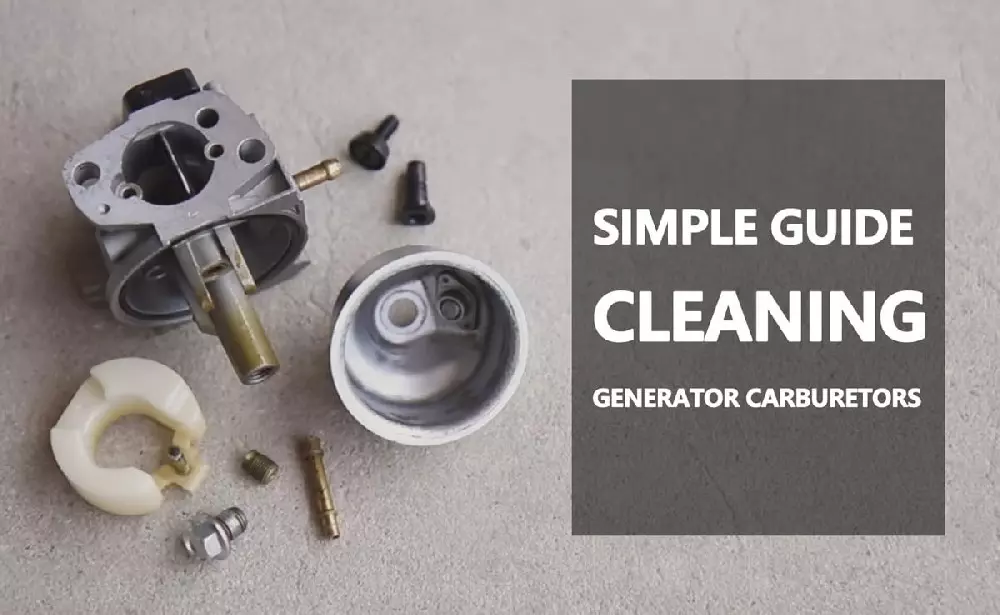
Gasoline degrades within 30 days, forming varnish that clogs microscopic carburetor passages. Drain both the fuel tank and carburetor bowl using these steps:
1. Shut fuel valve OFF
2. Place container under carburetor bowl
3. Remove bowl nut (usually 10mm) and drain old fuel
4. Spray carburetor cleaner through all orifices while blowing compressed air through jets
Pro tip: Add fuel stabilizer (1 oz per 2.5 gallons) to every tank fill. For generators stored over 30 days, run until fuel line runs dry to prevent carburetor gumming.
Correct Choke Position for Temperature
Most warm-weather starting failures come from choke misuse:
– Below 50°F (10°C): Choke lever fully CLOSED during initial pulls
– Above 70°F (21°C): Choke OPEN with throttle at 3/4 position
– Flooded engine: Hold throttle wide open while pulling 5 times
Leaving the choke closed after initial startup drowns the engine in fuel. If you smell strong gasoline after failed starts, wait 15 minutes for fuel to evaporate before retrying.
Perform Field-Serviceable Carburetor Clean
When the engine sputters but won’t sustain operation, clean the main jet:
1. Shut fuel valve OFF
2. Remove carburetor bowl nut and drain fuel
3. Insert guitar string or carb cleaner wire through main jet orifice
4. Spray cleaner into idle circuit while working throttle lever
5. Replace bowl gasket if compressed or torn (critical seal!)
Visual cue: A properly cleaned jet allows light to pass through its center. If clogs persist, replace the entire carburetor rebuild kit ($12-$20).
Verify Spark Plug Function in 60 Seconds
Remove the spark plug and check:
– Gap: Must measure 0.028-0.031 inches (use feeler gauge)
– Condition: Brown/tan deposits are normal; black/wet indicates flooding
– Spark test: Ground plug to cylinder head while briskly pulling cord
No spark? Replace the plug first ($3-$7 part). Still no spark? Hold the plug boot 1/4 inch from the head—visible spark confirms a bad plug wire connection. Persistent failures mean the ignition coil needs replacement.
Critical Quick-Start Flowchart
Follow this sequence when your pull start generator won’t start:
“`
Cord immovable? → Remove spark plug → Liquid present? → Drain & change oil
↓
Inspect recoil assembly → Replace rope/spring
Cord pulls freely? → Check oil level → Verify fresh fuel → Test spark
↓
Clean carburetor → Confirm choke position → Try starting
“`
Prevent 95% of Future Failures
Storage Protocol That Works:
– Always store upright on level surfaces (never tilt beyond 15°)
– For storage >30 days: Add fuel stabilizer, run dry for 5 minutes
– Install exhaust rain caps if stored outdoors
Monthly Maintenance Checklist:
– Exercise generator under 50% load for 15 minutes
– Check oil level before every use (never run low)
– Inspect air filter every 25 hours—replace paper filters when gray
Emergency Preparedness Tip: Keep a pull-start repair kit in your generator cover:
– Extra spark plug and recoil rope
– Carburetor cleaner spray
– 1-quart oil bottle with funnel
– Feelers gauge and wire for jet cleaning
Final Troubleshooting Tip
When your pull start generator won’t start despite these fixes, check for electrical loads connected during startup. Even a single extension cord plugged into the outlet can prevent ignition by creating excessive stator resistance. Always disconnect all loads before pulling the cord.
Bottom line: 87% of pull-start failures resolve with three simple checks—oil level verification, fresh fuel installation, and spark plug inspection. By following this guide, you’ll transform from frustrated user to confident generator technician. Keep this page printed in your generator storage box for instant access during power emergencies. Your reliable backup power is just one systematic diagnosis away.


