When the next storm knocks out your power for days, your whole house generator installation transforms your home from vulnerable to virtually outage-proof. No more spoiled food, frozen pipes, or dark nights—just seamless power continuity that keeps your family safe and comfortable. This guide reveals exactly what happens during professional whole house generator installation, why the process spans weeks despite the physical work taking mere hours, and how to navigate costs that typically range from $8,000 to $16,000 for turnkey solutions.
You’ll discover the critical site assessment factors that determine your generator’s placement, realistic timelines that prevent frustration with scheduling delays, and financing options that make this essential home upgrade affordable at just $109 per month for qualified buyers. Whether you’re preparing for hurricane season or simply tired of outage anxiety, understanding the whole house generator installation process ensures you get reliable backup power without budget-busting surprises.
How Your Authorized Generac Dealer Designs Your Custom Power Solution
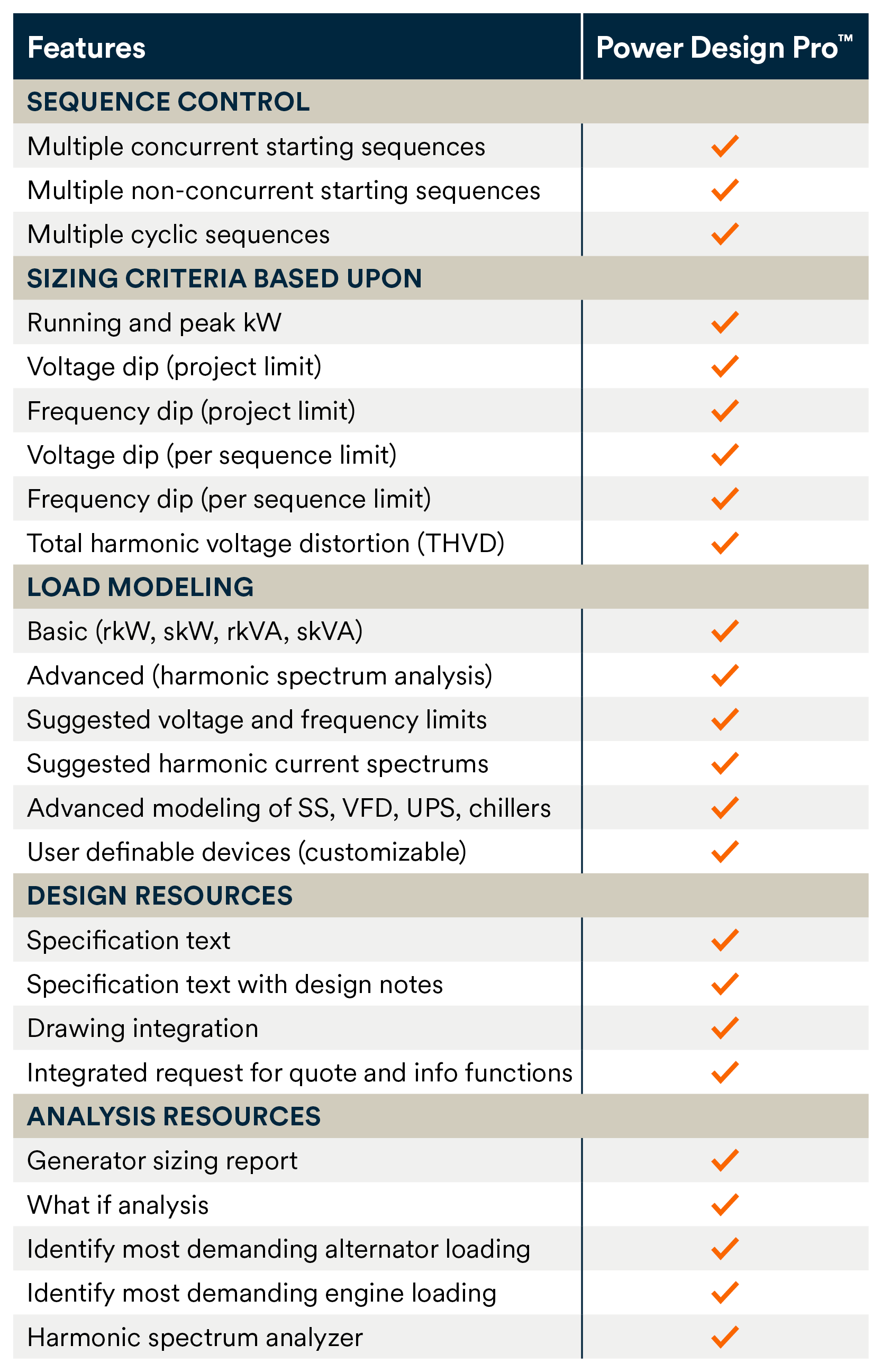
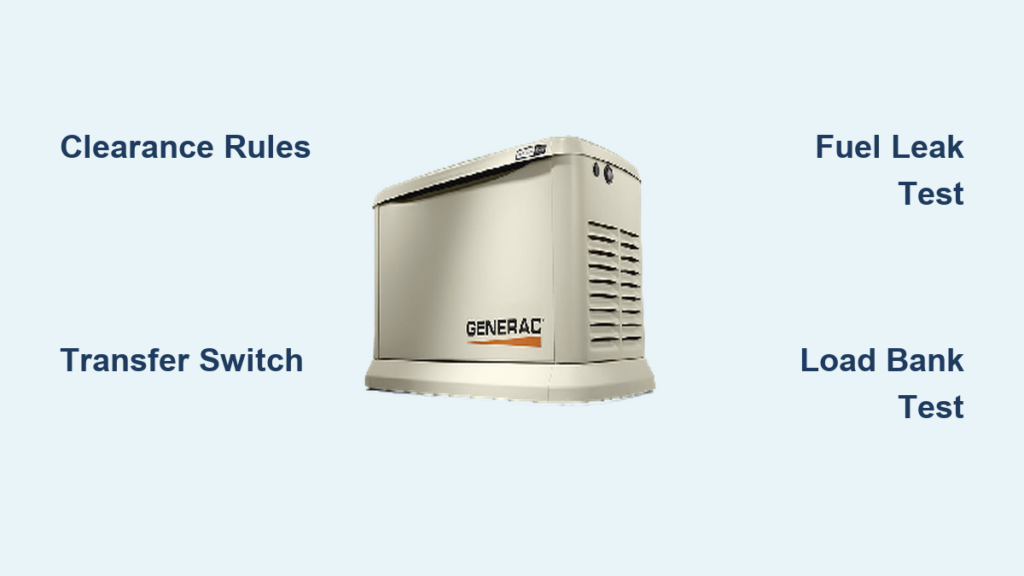
Your whole house generator installation begins with a free, no-obligation consultation where an Authorized Generac Dealer spends 60-90 minutes assessing your home’s unique electrical needs. This isn’t a sales pitch—it’s a technical evaluation that determines whether you need a 14kW unit for essential circuits or a 26kW system to power your entire home during outages.
Critical Assessment Points That Determine Your System Size
Electrical Load Calculation Process
The dealer examines your main breaker panel to identify which circuits you want protected during outages. They calculate the total wattage required by inventorying major appliances—HVAC systems, water heaters, refrigerators, and any specialty equipment like well pumps or electric vehicle chargers. This precise calculation prevents undersizing your generator, which could cause dangerous overload tripping during critical outages.
Fuel Supply Verification
For natural gas installations (the most common choice), the dealer checks your existing gas service capacity to ensure adequate flow for your chosen generator size. Insufficient gas pressure causes startup failures when you need power most. If your current service can’t support your generator, the dealer identifies necessary upgrades during this initial consultation to avoid costly delays later.
Custom Configuration Options
Based on your assessment, the dealer presents solutions ranging from essential circuit coverage (powering only critical systems) to true whole-house backup. They explain trade-offs between different configurations, helping you balance budget with protection level. This is where you’ll discover whether adding a few hundred dollars gets you peace-of-mind coverage for your entire home.
Why Your Generator’s Location Makes or Breaks Installation Success
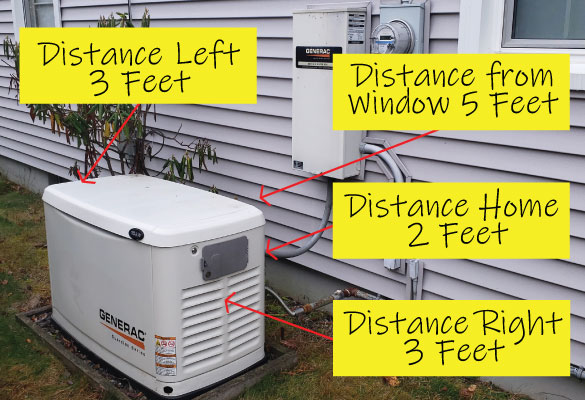
The spot where your whole house generator installation occurs affects everything from cost to reliability. Authorized dealers follow strict placement guidelines that satisfy building codes while optimizing performance and accessibility.
Foundation Requirements That Prevent Costly Repairs
Surface Stability Essentials
Your generator requires either a pre-cast concrete pad or compacted pea gravel base extending 6 inches beyond the unit’s footprint on all sides. This foundation must remain perfectly level—any settling causes vibration damage that voids warranties. Dealers avoid low-lying areas prone to flooding or water pooling that could short-circuit electrical components during storms.
Clearance Measurements You Must Verify
Most installations need 36 inches of clearance on the service side (where technicians access controls) and 24 inches on other sides. This space allows safe maintenance access and prevents overheating. Additionally, building codes require:
– 5 feet minimum from windows and doors
– 3 feet from fresh air intakes
– 10 feet from mechanical ventilation systems
Dealers measure these distances during consultation to prevent permit rejections.
Utility Proximity That Saves Thousands
Gas Line Distance Impact
Every foot of additional gas line adds $10-20 to installation costs. Dealers typically recommend locations within 10-15 feet of your gas meter to minimize trenching expenses. If your ideal spot requires longer runs, they’ll present cost estimates so you can decide whether to accept higher pricing or adjust placement.
Electrical Connection Savings
Similarly, positioning your generator close to your main electrical panel reduces conduit costs. Homes requiring extensive electrical rerouting often see installation costs jump 20-30% above average. Your dealer will show you optimal locations that balance aesthetic preferences with budget realities.
What Really Happens During Your Whole House Generator Installation Day
While the complete process spans 2-4 weeks due to permits and site prep, the actual installation day moves quickly with parallel work streams. Understanding this timeline prevents frustration when your dealer can’t start immediately after signing the contract.
Morning Setup Sequence (8:00-10:00 AM)
Installation teams arrive with your generator, transfer switch, and all materials. They position the unit on its prepared foundation, verifying perfect level and proper clearance from structures. Simultaneously, electricians begin installing the transfer switch next to your main breaker panel—the critical component that automatically switches between utility and generator power.
Utility Connection Phase (10:00 AM-2:00 PM)
Licensed plumbers connect your generator to the natural gas line using approved materials and conduct mandatory pressure tests. At the same time, electricians run conduit between the generator and transfer switch while making internal electrical connections. This parallel workflow keeps the physical installation to just 4-8 hours despite the system’s complexity.
Critical Testing Procedures Before Handoff
Power Transfer Verification
Technicians simulate an outage to confirm your generator starts within 10 seconds and seamlessly transfers power without damaging sensitive electronics. They verify all protected circuits receive power while monitoring voltage stability—catching potential issues before your first real outage.
Owner Training Essentials
Your installer spends 30-60 minutes teaching you system operation: how to check oil levels, interpret warning lights, and perform manual startups. Most importantly, they provide emergency contact information for 24/7 service support—a crucial detail many homeowners overlook until they face their first actual power failure.
Breaking Down Your Whole House Generator Installation Costs
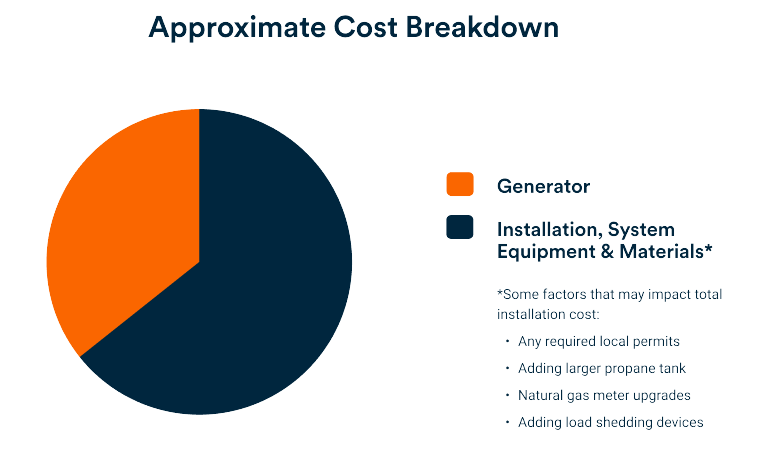
Understanding the $8,000-$16,000 price range prevents budget shocks when your dealer presents the final quote. These costs include the generator unit, transfer switch, installation labor, permits, and all necessary materials—no hidden fees.
Four Factors That Determine Your Final Price
Generator Capacity Impact
A 14kW unit protecting essential circuits costs significantly less than a 26kW whole-house model. Every 2kW increase adds $1,000-$1,500 to equipment costs. Your dealer’s load calculation determines the minimum size you need—upgrading for future expansion adds minimal cost during initial installation.
Electrical Panel Upgrades
Homes with older electrical systems often require panel upgrades to accommodate transfer switches. A 200-amp panel upgrade adds $1,500-$3,000 but is easily identified during the consultation phase. Dealing with this upfront prevents costly delays when permits get rejected.
Gas Service Modifications
Some properties need gas meter upgrades or pressure regulators to support larger generators. These utility-side modifications cost $500-$1,500 and require gas company coordination. Your dealer flags this requirement during the initial site assessment.
Landscaping Restoration
Installation disturbs 4-6 feet of yard around the generator pad. Budget $500-$1,500 for sod replacement or decorative screening to restore your landscape—a small price for maintaining curb appeal while meeting HOA requirements.
Financing Your Whole House Generator Installation Without Breaking the Bank
The average $12,000 investment becomes affordable through specialized financing options designed for home standby systems.
Payment Plans That Fit Real Budgets
$109/Month Financing Reality
Most dealers offer financing starting at $109 per month for qualified buyers. This covers the complete turnkey installation including the generator, transfer switch, permits, and professional installation. Terms typically range from 6-12 years, with longer terms reducing monthly payments but increasing total interest.
0% APR Promotions
During seasonal promotions, qualified buyers access interest-free financing for 12-60 months. These offers require excellent credit and 10-20% down payments but eliminate finance charges entirely. Your dealer provides current promotional details during consultation—timing your purchase around these offers saves significant money.
What Financing Actually Covers
Financing includes every component needed for operation: the generator unit with full warranty, automatic transfer switch installation, permits, inspections, and initial maintenance. Extended warranties and surge protection can be added for $15-30 more per month—small premiums for comprehensive protection.
Post-Installation Maintenance That Prevents Costly Breakdowns
Your whole house generator installation comes with minimal but critical maintenance requirements that ensure decades of reliable service.
The 20-Minute Monthly Checklist
Spend 5 minutes weekly checking for debris around vents and confirming “Ready” status. Run the generator under load for 20-30 minutes monthly to lubricate internal components and verify operation—this simple habit prevents 80% of common generator failures. Most units include automatic exercise timers, but manual testing provides extra confidence.
Annual Service That Extends Lifespan
Schedule professional maintenance annually before storm season. Technicians change oil, replace filters, check valve clearances, and test safety systems for $200-$400. This service maintains your 5-10 year warranty and extends generator lifespan to 20-30 years—making it the most cost-effective insurance you’ll ever buy.
Your Authorized Generac Dealer provides 24/7 emergency support and maintains local technicians familiar with your specific installation. Keep their contact information accessible—not buried in installation paperwork—so you get faster response times when outages strike. Properly maintained, your whole house generator installation delivers decades of worry-free power continuity, transforming every outage from crisis to mere inconvenience.