Your Yamaha generator sputters to life during a weekend camping trip, only to die minutes later with a warning light flashing. You curse the timing as darkness falls—this isn’t the emergency backup you paid for. The culprit? Often neglected oil that’s gone from protective shield to corrosive sludge. For Yamaha generators like the EF3000iSEB, yamaha generator oil change intervals aren’t suggestions—they’re survival rules. With just 0.6L (0.63 quarts) of oil protecting that compact engine, contaminants concentrate fast. Skip this 30-minute ritual every 50 hours, and you’re gambling with $1,000 repairs or a dead generator miles from help.
This isn’t theoretical—we’ve drained black, sludgy oil from our own Airstream’s Yamaha after “just one more trip.” You’ll learn exactly how to avoid that mistake: the tools that prevent messy spills, the oil weight that handles desert heat or mountain cold, and the warm-engine trick that pulls twice the gunk from your engine. Most importantly, you’ll master the precise 0.6L measurement that keeps your generator humming through blackouts and boondocking adventures.
Why Your Yamaha Generator Demands 50-Hour Oil Changes
The Tiny Oil Capacity Trap
Yamaha’s efficient 0.6L oil reservoir is a double-edged sword. While it keeps the generator lightweight for RV travel, it means contaminants like metal shavings and combustion byproducts saturate the oil far faster than in car engines. At 50 hours, oil viscosity breaks down—leaving critical components like the piston rings and crankshaft bearings vulnerable. Weekend campers hit this mark in just 4-6 trips; full-timers storing in an Airstream can blow through it in two weeks of boondocking.
Track usage like your power depends on it (because it does):
– No hour meter? Log dates and estimated runtimes in your phone notes
– Weekend warrior: 10 hours per trip = oil change every 5 trips
– Full-time RVer: 15 hours/day = mandatory change every 3-4 days
Ignoring this schedule risks catastrophic failure. We’ve seen generators seize mid-outage because owners treated them like “set-and-forget” appliances. Your 50-hour discipline is cheaper than replacing the whole unit.
Synthetic Oil: Non-Negotiable for Small Engines
Pouring conventional oil into your Yamaha is false economy. Synthetic 10W-30 (like Mobil 1 Extended Performance) maintains viscosity across extreme temperatures—from freezing mornings to desert afternoons. Crucially, it resists thermal breakdown in that tiny oil pool, potentially stretching intervals by 10-15% in emergencies. At just $0.50 more per change for a quart bottle, it’s the smartest $50 you’ll spend all year.
Pro tip: Buy single quarts, not gallons. You need exactly 0.63 quarts per yamaha generator oil change—wasting half a gallon hurts your wallet and the planet.
Essential Tools for a Mess-Free Oil Change

The 5-Minute Prep Checklist
Forget generic “tools you’ll need” lists. For Yamaha generators crammed into RV compartments, these specific items prevent frustration:
– 12mm socket wrench (fits drain bolts on EF2000iS/EF3000iSEB models)
– Shallow drain pan (standard pans won’t fit under tight Yamaha frames)
– Pampered Chef “Measure All” Cup (or any clear 1-cup measurer—yes, borrow it from the kitchen)
– Nitrile work gloves (sharp generator edges shred cotton; protect your knuckles)
– Shop towels (microfiber attracts metal particles better than rags)
Warning: Skipping gloves risks bleeding knuckles on the Yamaha’s exhaust shield—a lesson learned the hard way during our third oil change.
Oil Selection by Climate
Yamaha’s manual specifies 10W-30, but your location demands adjustments:
– Below 32°F (0°C): Switch to 5W-30 for cold-weather starts
– Above 95°F (35°C): Use 10W-40 for extra high-temperature protection
– All climates: Stick with full synthetic—never blend synthetics and conventional
Warm Engine Drain: The Game-Changing Step
Why Cold Oil Changes Fail
Draining cold oil leaves 30% more contaminants trapped in your Yamaha’s engine. Warm oil (run 5-10 minutes) flows like water, suspending sludge and metal particles that sink when cold. This single step pulls twice the gunk from piston rings and bearings—critical for generators running at constant 3,600 RPM.
Safe Warm-Up Protocol
- Start generator on level ground (uneven surfaces cause inaccurate oil readings)
- Run 7 minutes—enough to warm oil but not scalding hot
- Shut off and wait 2 minutes (oil drains faster when warm but not burning)
- Position drain pan under bolt before loosening anything
Visual cue: Oil should drip steadily, not ooze slowly like cold syrup.
Precision Drain and Refill: Avoiding Costly Errors
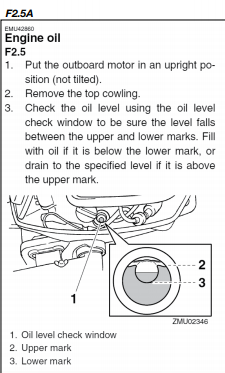
Controlled Drain Technique
- Loosen 12mm drain bolt with socket (lefty-loosey) but don’t remove yet—let pressure equalize
- Unscrew fully by hand (last 2 turns to avoid dropping into pan)
- Drain 8 minutes (set phone timer—shorter leaves residue)
- Inspect oil for metallic glitter (indicates internal wear) or milky texture (water intrusion)
Critical: If oil looks like chocolate milk, stop immediately—coolant leaks require professional repair.
Exact 0.6L Refill Method
Overfilling causes smoking and hydrolock; underfilling starves bearings. Do this:
1. Thread drain bolt by hand until snug (prevents cross-threading)
2. Tighten 1/4 turn past snug with wrench (over-tightening strips Yamaha’s aluminum block)
3. Insert funnel into fill port—pour oil in 0.2L increments
4. After 0.6L, run generator 2 minutes then recheck level
Pro tip: Place tape on your measuring cup at the 0.6L mark—no guessing during future yamaha generator oil change sessions.
Post-Change Verification: Don’t Skip This Step
The 5-Minute Reliability Test
After refilling, run these checks:
– Minute 0-2: Listen for metallic knocking (indicates low oil pressure)
– Minute 3: Shine flashlight under drain bolt—zero leaks should appear
– Minute 5: Shut off and recheck dipstick—oil must hit “FULL” mark
If oil level drops after shutdown, you’ve got a combustion chamber leak—seek service immediately.
Storage Oil Change Protocol
Changing oil before winterizing prevents acid buildup in stored generators. Always:
1. Perform full yamaha generator oil change
2. Run generator 5 minutes to circulate fresh oil
3. Add fuel stabilizer and run 2 more minutes
4. Store with oil level at “FULL” (never empty)
Troubleshooting Common Oil Issues
Decoding Oil Symptoms
- Black, thick oil after 30 hours? Shorten intervals to 40 hours
- Metal flakes on drain bolt? Change oil weekly until gone—then inspect professionally
- Oil level rising? Gasoline dilution (cracked carburetor)—shut down immediately
- Milky oil? Stop using generator—coolant leak requires engine teardown
When to panic: Blue smoke after oil change means piston ring damage. White smoke indicates coolant mixing. Both need dealer intervention.
Scheduling Without an Hour Meter
The Camper’s Log System
Track usage like this in your phone notes:
| Date | Hours Added | Total Hours | Oil Level Check |
|————|————-|————-|—————–|
| 6/1 | 12 | 12 | Good |
| 6/15 | 8 | 20 | Add 0.1L |
| 6/22 | 15 | 35 | CHANGE OIL |
Pro tip: Change oil before every major trip—not after. A fresh change before your Colorado mountain trip prevents failures at 10,000 feet.
Your Yamaha generator’s 50-hour oil change isn’t maintenance—it’s insurance against powerlessness. At just 30 minutes per change, you’re investing less than $20 to protect a $1,000 asset that keeps your fridge running during outages or your RV humming off-grid. Remember: That tiny 0.6L reservoir works harder than your car’s five-quart system, making precise measurement and synthetic oil non-negotiable. Mark your calendar for the next change now—not when the generator coughs its last. Because when the grid fails at midnight, you’ll be glad you did that yamaha generator oil change last Tuesday. Keep that measuring cup ready, and your power will never let you down.